



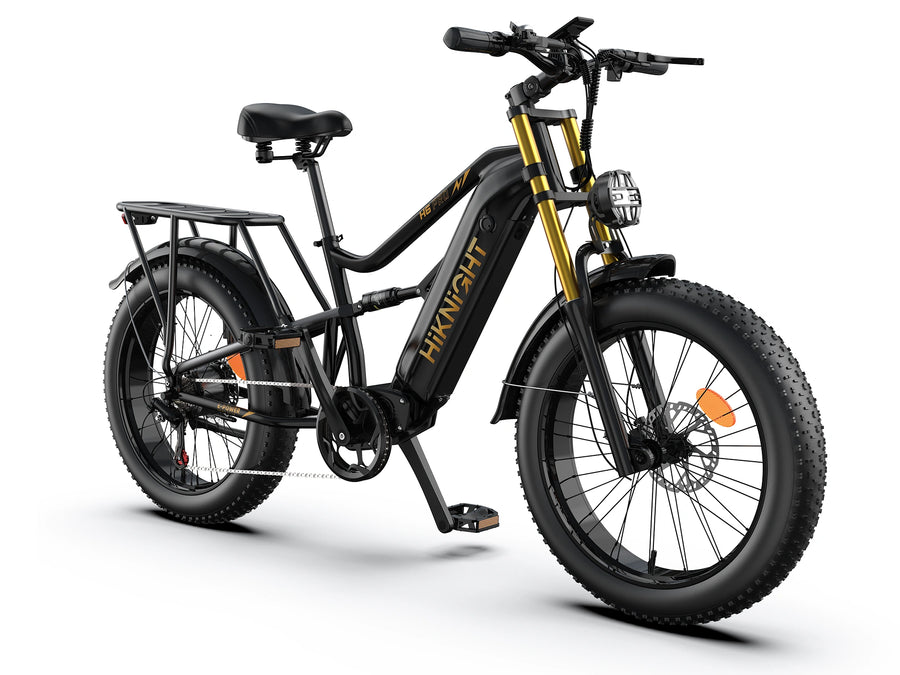

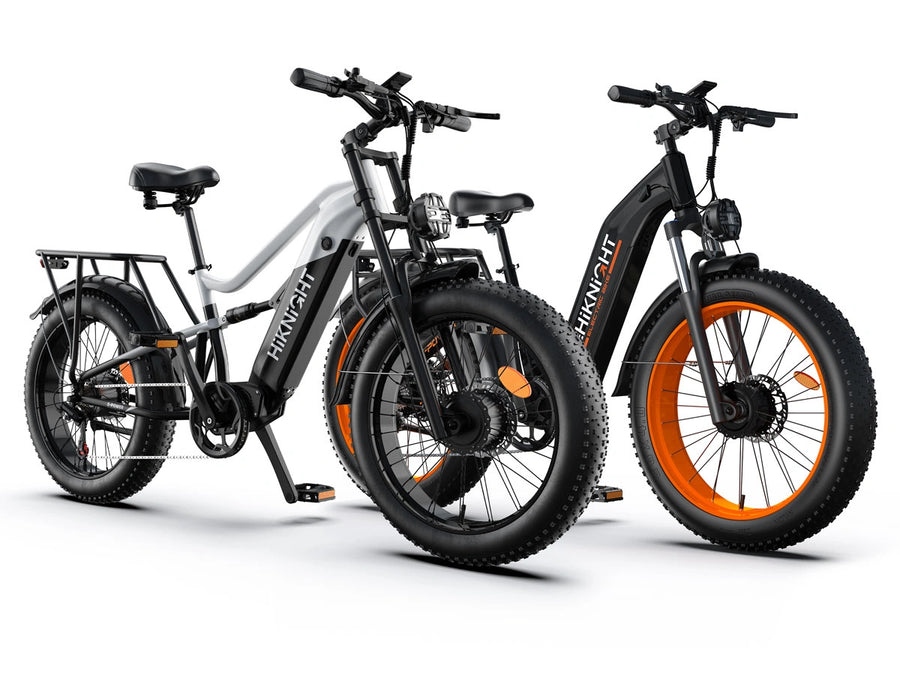
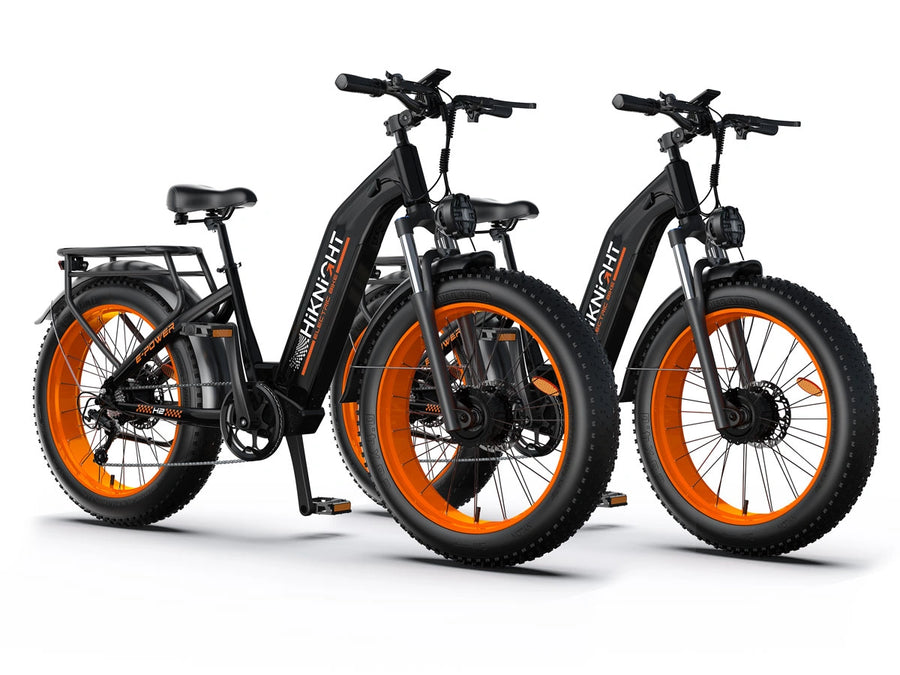
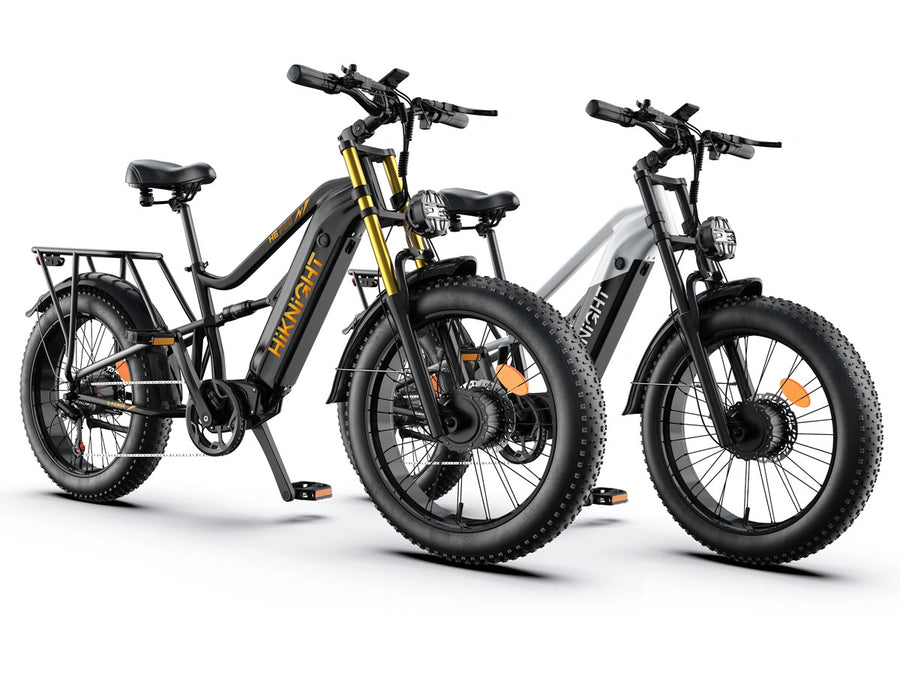
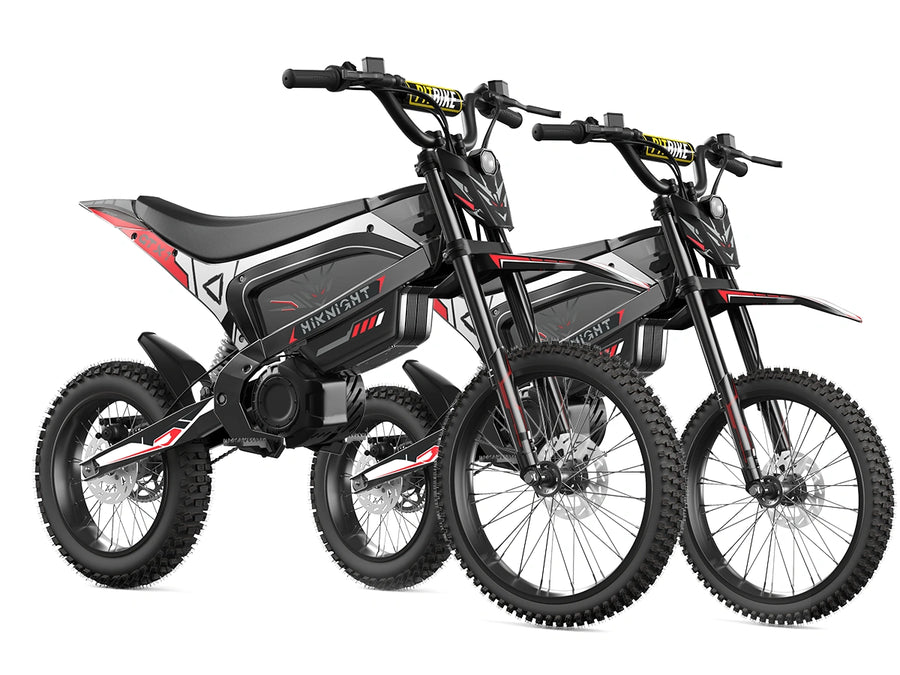

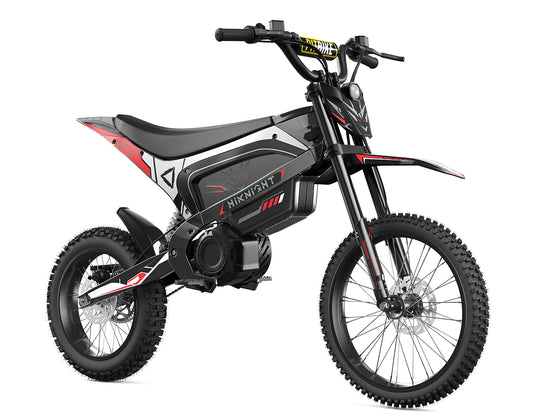
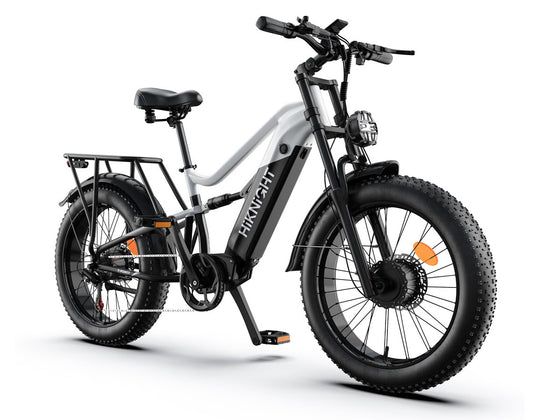
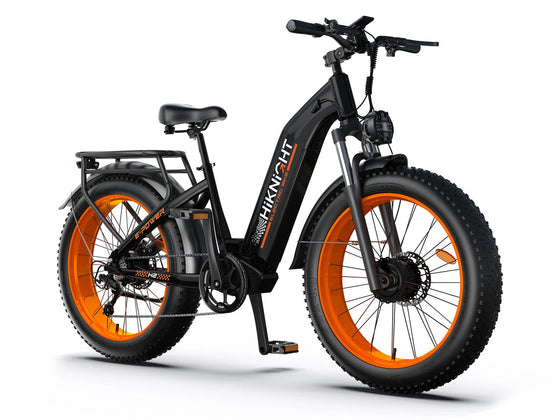
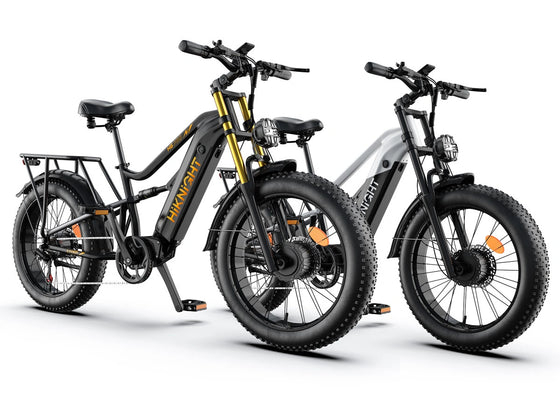
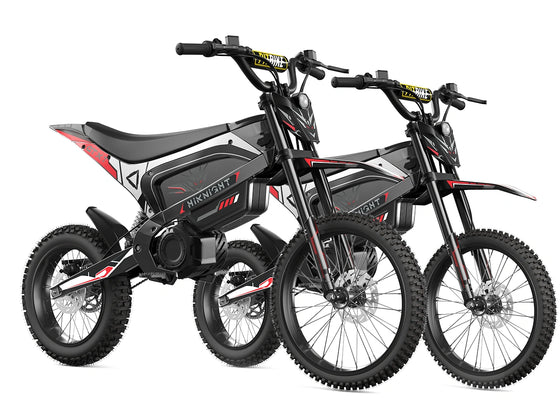
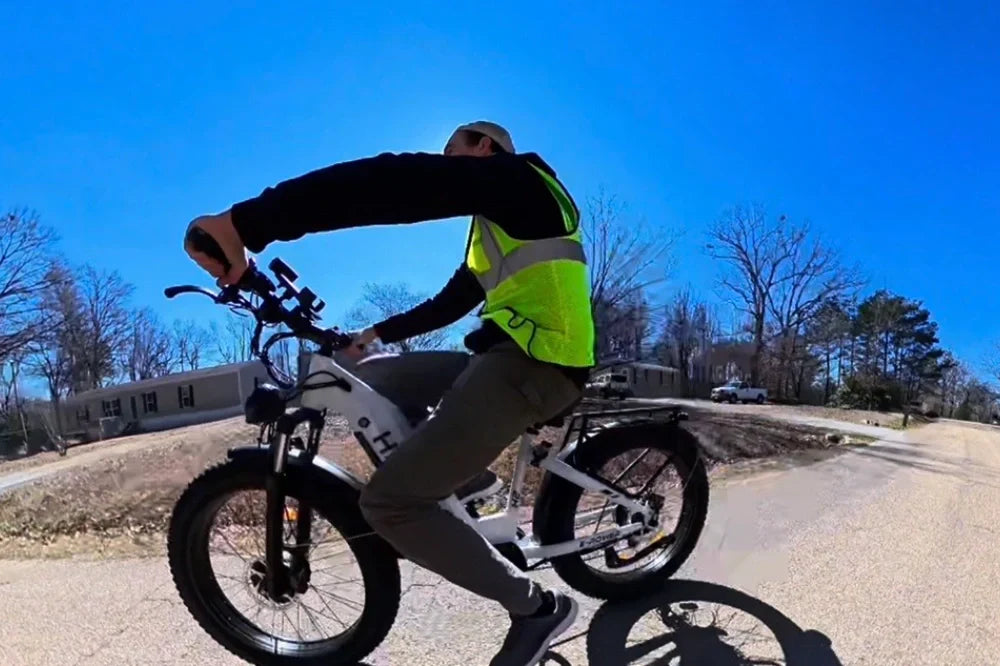
Not all off-road terrain behaves the same. Hills, sand, and snow challenge an off road electric bike in very different ways.
Choosing the wrong setup can lead to wheel spin, loss of control, or rapid battery drain. Choosing the right one transforms difficult terrain into something rideable.
This guide focuses on how terrain type should influence your off road electric bike decision.
Riding Hills: Torque Over Speed
Hills expose weaknesses quickly. Long climbs demand sustained torque rather than peak power.
Single motor bikes often struggle when traction drops mid-climb. Dual motor systems distribute load across both wheels, improving grip and reducing strain on individual components.
This is why riders in hilly regions often favor dual motor off road electric bikes for consistent climbing performance.
Sand: Floatation and Power Balance
Sand absorbs energy. Narrow tires sink, and excessive throttle causes digging.
Fat tires increase floatation, while smooth power delivery prevents sudden loss of momentum. Front-wheel assistance becomes particularly valuable here, helping the bike stay on top of loose surfaces.
Riders who frequent beaches or desert trails benefit most from balanced, controllable power rather than aggressive acceleration.
Snow: Traction Is Everything
Snow introduces unpredictability. Ice patches, compacted tracks, and soft powder all behave differently.
Dual motor off road electric bikes provide redundancy. If one wheel loses grip, the other continues driving forward.
Combined with fat tires, this setup allows riders to maintain control in conditions where single motor bikes often stall ❄️.
Battery Considerations in Cold and Loose Terrain
Cold temperatures and soft surfaces increase energy consumption. Riders should expect reduced range and plan accordingly.
Larger battery capacity and efficient power management matter more than advertised maximum mileage figures.
Frame Geometry and Weight Distribution
Climbing steep hills requires front-end stability. Riding sand or snow benefits from even weight distribution.
Well-designed off road electric bikes balance battery placement and motor weight to avoid front-wheel lift or rear-heavy handling.
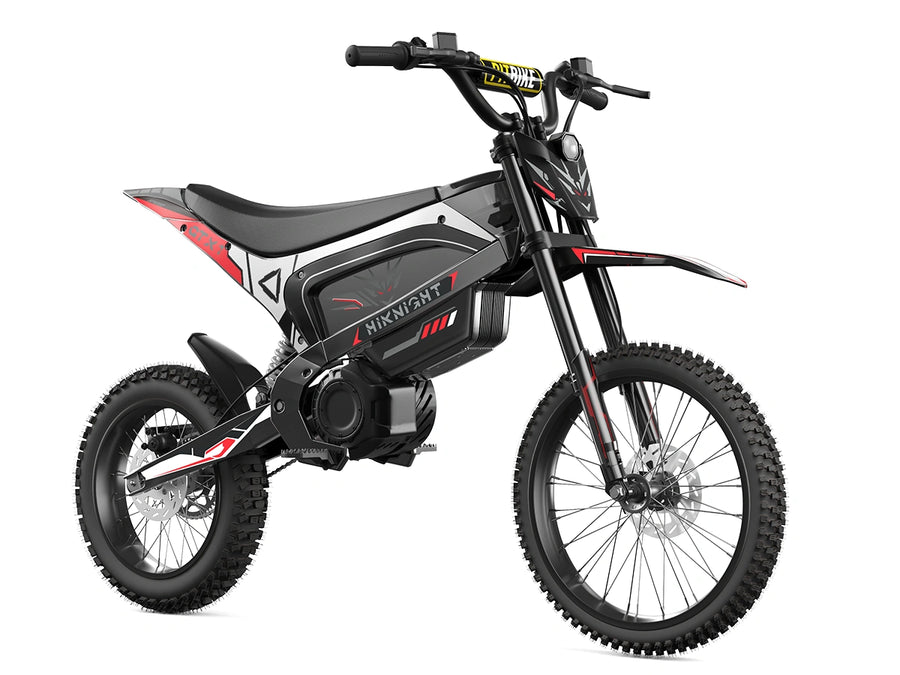
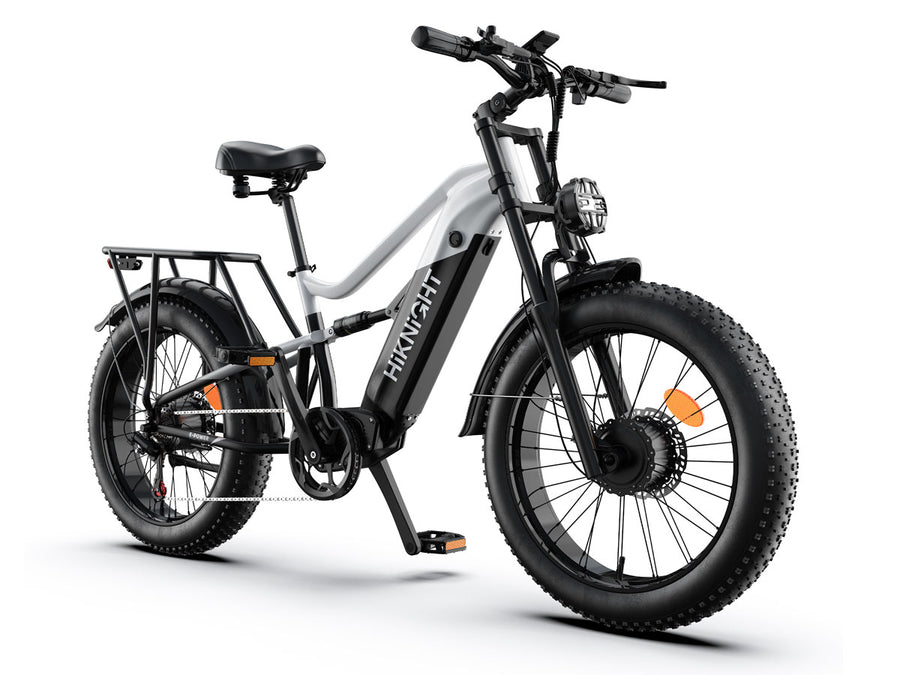
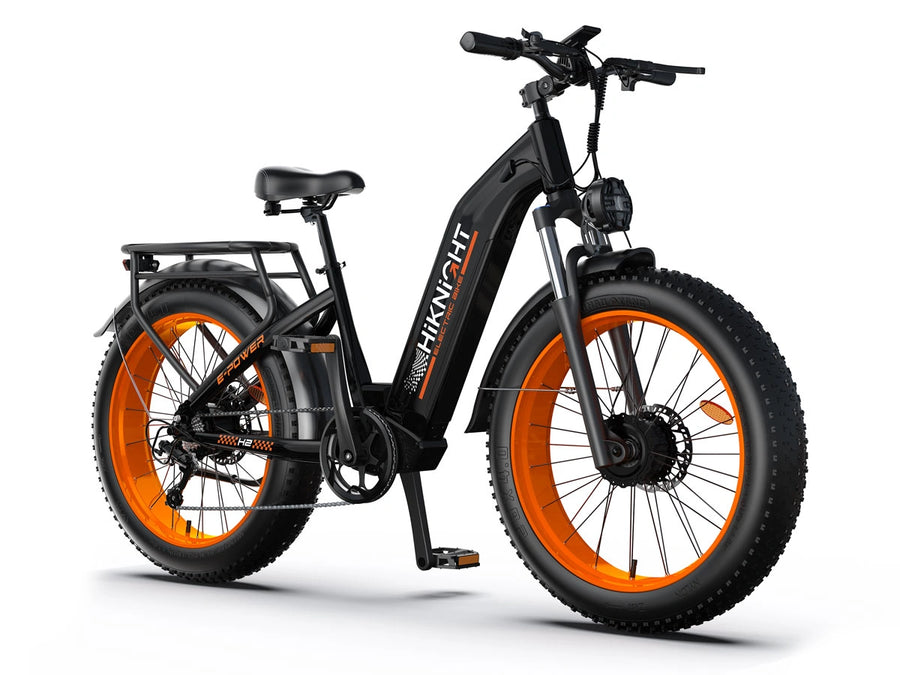
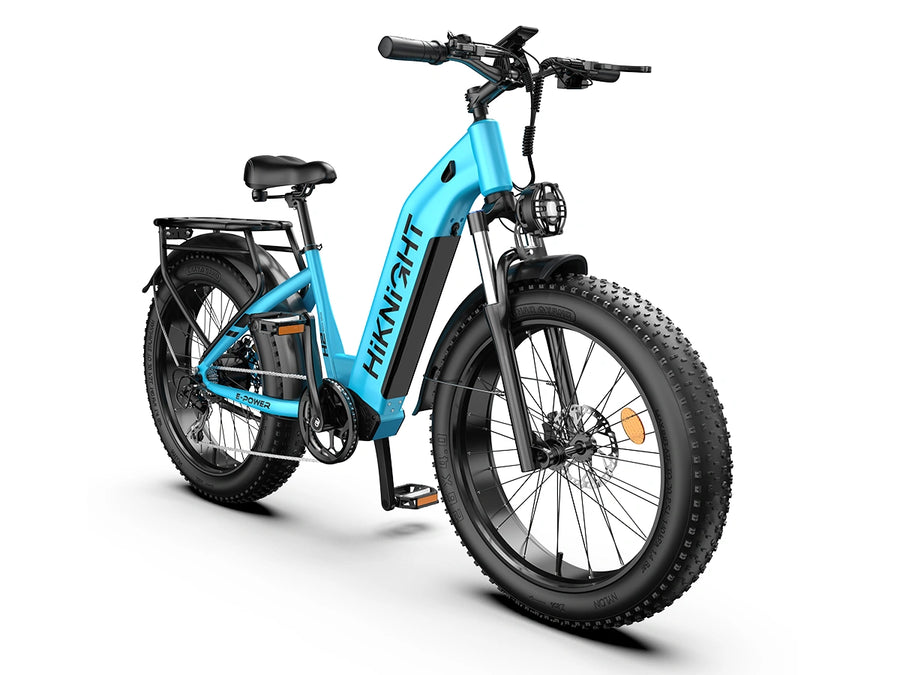
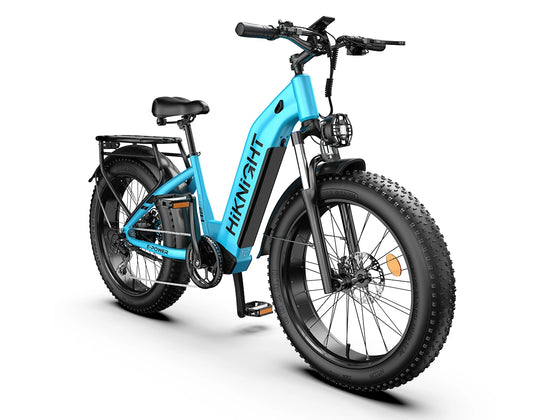
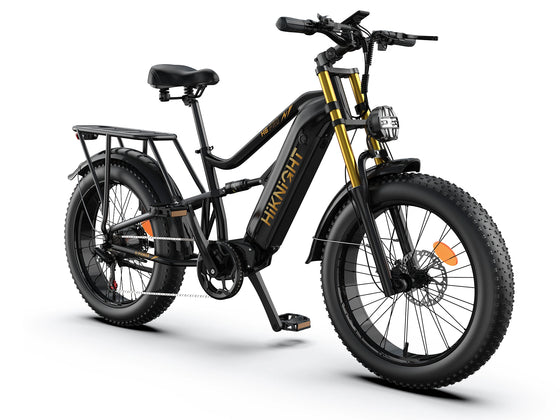
This engineering focus is evident in platforms like the HiKNiGHT H2 Pro.
Matching the Bike to Your Environment
No single off road electric bike is perfect for all conditions. The key is prioritization.
- Hills: torque and cooling
- Sand: floatation and smooth delivery
- Snow: traction and redundancy
Riders who understand their primary terrain make better long-term decisions.
Final Thoughts
An off road electric bike should be chosen based on where you ride most—not where you ride occasionally.
When the bike matches the terrain, difficult conditions stop feeling like obstacles and start feeling like part of the experience 🌍.
Share:
Fat Tire eBikes vs Regular eBikes: Which One Actually Makes Sense for Adult Riders?
What Experienced Riders Look for in Fat Tire eBikes (And What Beginners Often Miss)