




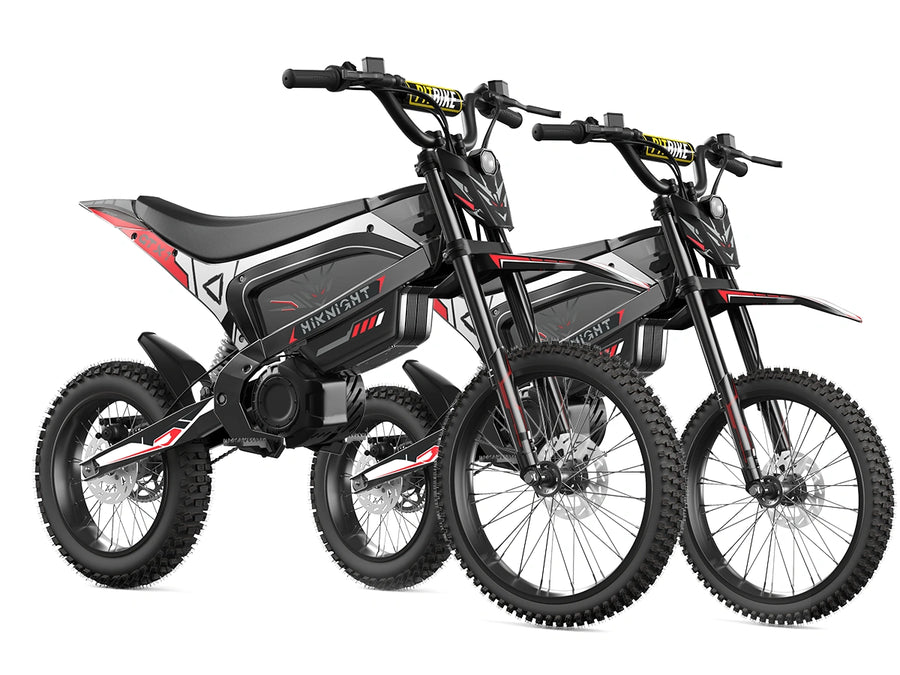

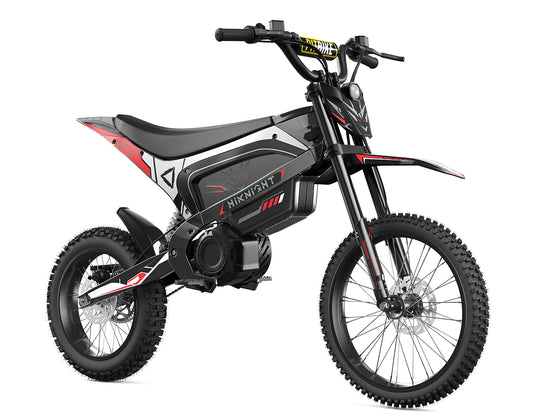
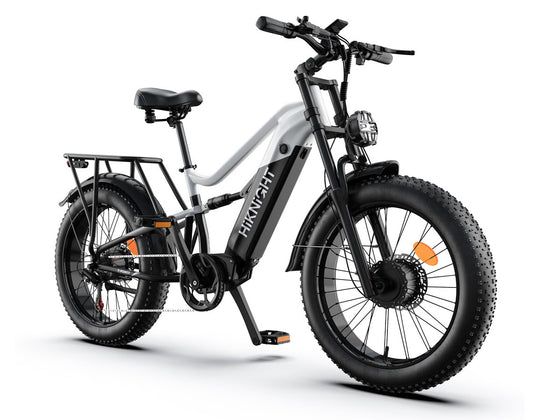
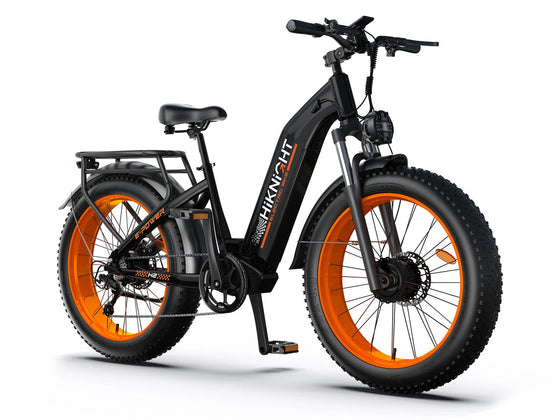
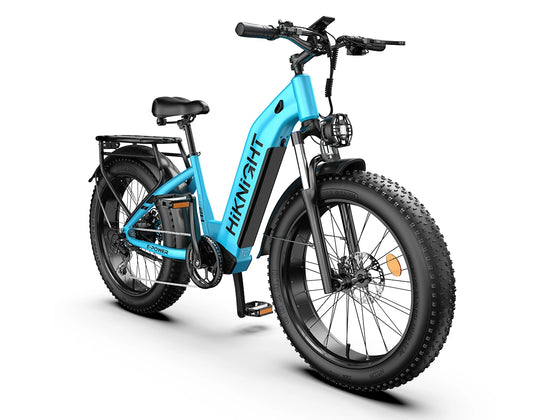
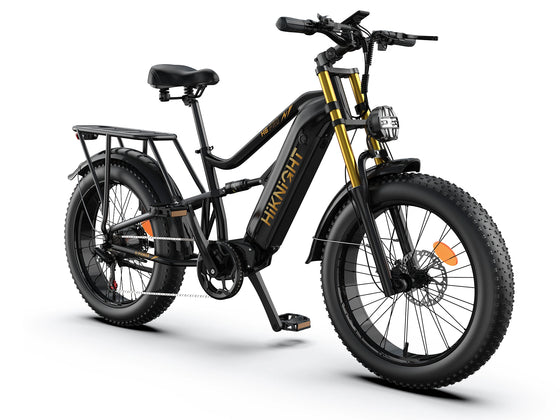
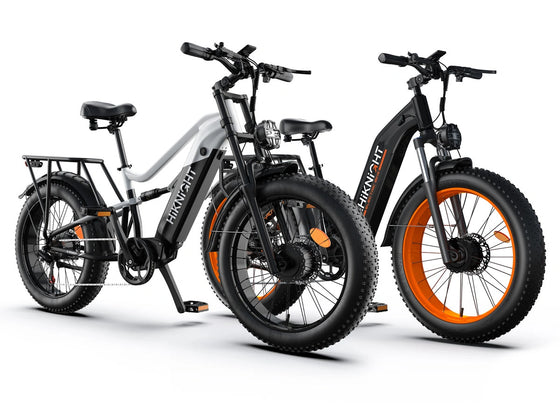
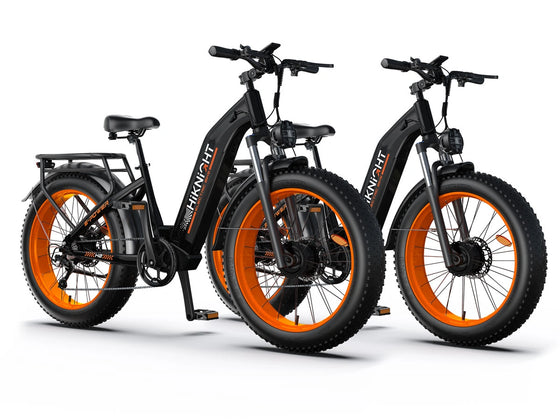
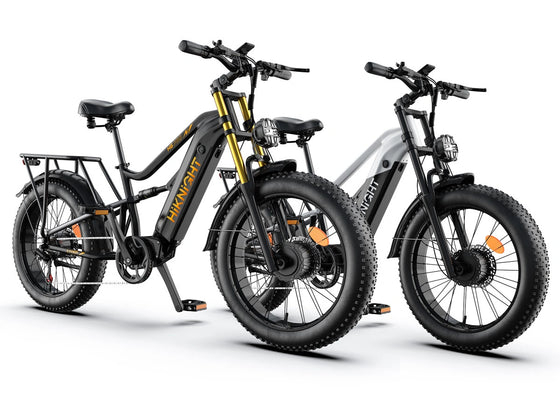
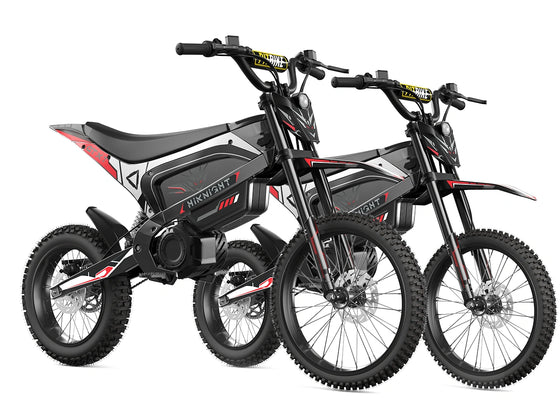
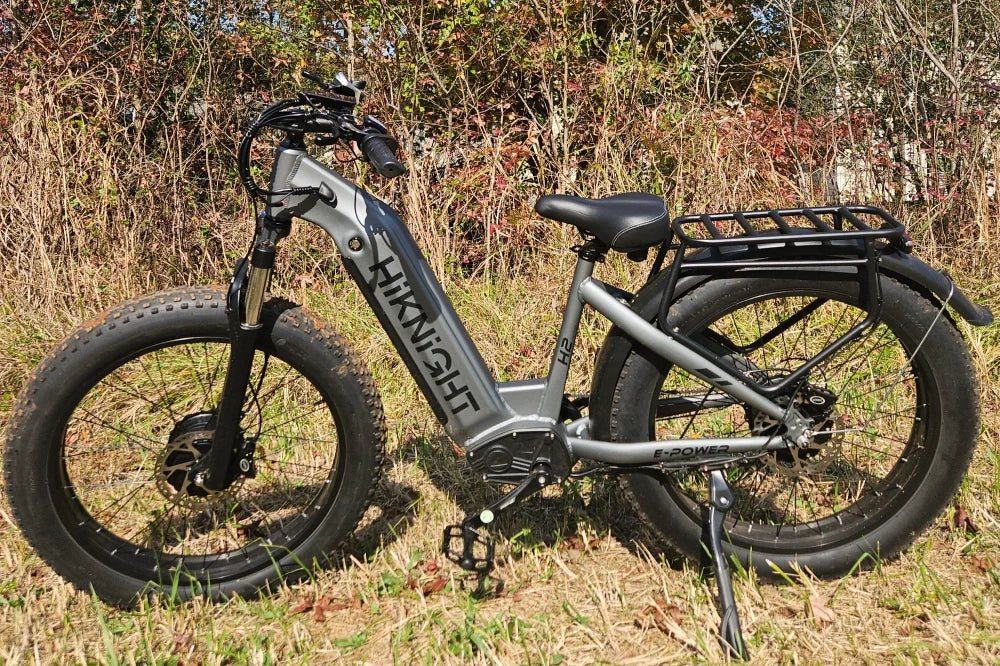
The term dual motor eBike is everywhere now. It appears in product titles, spec sheets, and promotional videos climbing impossibly steep hills. But once the hype fades, a more practical question remains:
Do two motors actually improve real-world riding, or are they just adding cost and weight?
This guide is written for riders who care less about marketing numbers and more about how an eBike performs on dirt, snow, sand, hills, and long off-road routes. If you’re considering a dual motor setup, this article will help you decide whether it’s a smart upgrade—or an unnecessary one.
What a Dual Motor eBike Really Is (Beyond the Definition)
At a basic level, a dual motor eBike uses two hub motors—one in the front wheel and one in the rear. But the real difference isn’t the number of motors. It’s how power is delivered to the ground.
Single motor eBikes concentrate all torque at one wheel, usually the rear. That works well on pavement and mild terrain. Dual motor systems split torque across both wheels, creating a form of electric all-wheel drive.
On paper, that sounds simple. On loose or unpredictable surfaces, it changes everything 🚵.
Torque Distribution: Why Two Motors Feel Different
Torque numbers alone don’t tell the full story. What matters is traction under load.
When climbing a steep hill on gravel or snow, a single rear motor can break traction even if it’s powerful. The tire spins, energy is wasted, and control drops. A dual motor eBike distributes force forward and backward, reducing wheel slip and stabilizing the bike.
This is why riders often describe dual motor bikes as feeling “planted” rather than simply “fast.”
Where Dual Motor eBikes Clearly Outperform
1. Steep Off-Road Climbs
Loose dirt, rocky inclines, forest trails, and desert terrain are where dual motor setups shine. You’re not fighting gravity and traction at the same time—the bike handles traction for you.
2. Sand and Snow
Fat tire bikes already help here, but adding a front motor dramatically improves forward momentum. Riders who commute or explore in winter conditions notice the difference immediately.
3. Heavy Riders or Cargo Loads
If you’re carrying gear, tools, or riding at the upper end of the weight limit, two motors reduce strain on each component and deliver smoother acceleration.
Where Dual Motors Are Often Overkill
Dual motor eBikes are not automatically “better” for everyone.
- Urban commuters riding flat pavement
- Riders prioritizing maximum range over power
- Lightweight riders who don’t push terrain limits
In these cases, a well-tuned single motor system can feel cleaner, lighter, and more efficient.
Battery Consumption: The Trade-Off No One Talks About
Two motors draw more current. That’s unavoidable. But how much more depends on riding style.
On a properly designed dual motor eBike, you’re not running both motors at full output all the time. Intelligent controllers allow riders to engage front drive only when needed.
This is where build quality matters more than raw wattage numbers.
Controller Quality Matters More Than Motor Count
A poorly tuned dual motor bike can feel jerky, unpredictable, or inefficient. A well-engineered system feels intuitive.
This is why brands like HiKNiGHT focus heavily on controller logic rather than chasing exaggerated power claims.
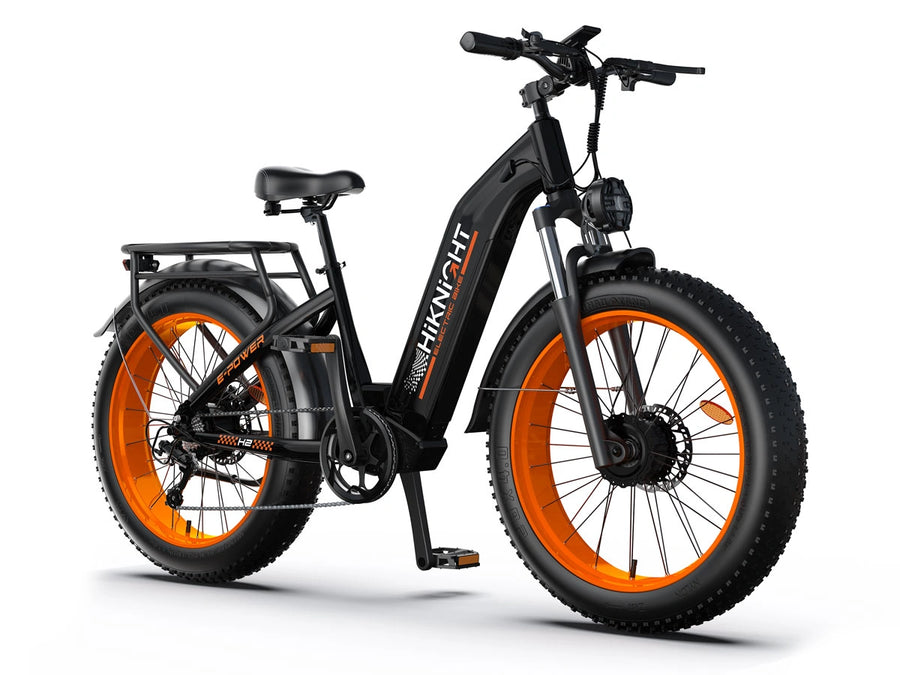
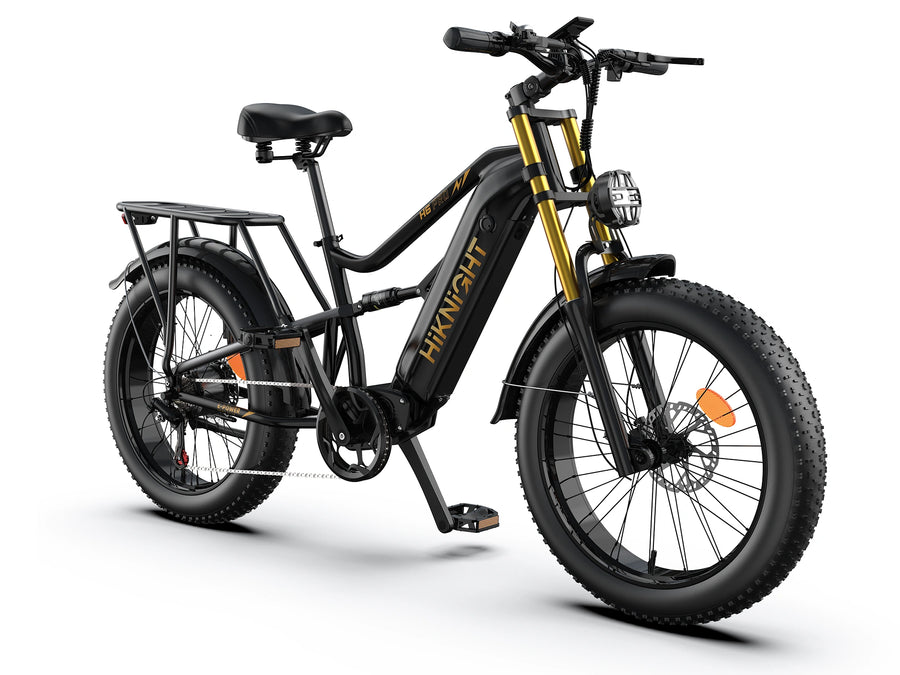
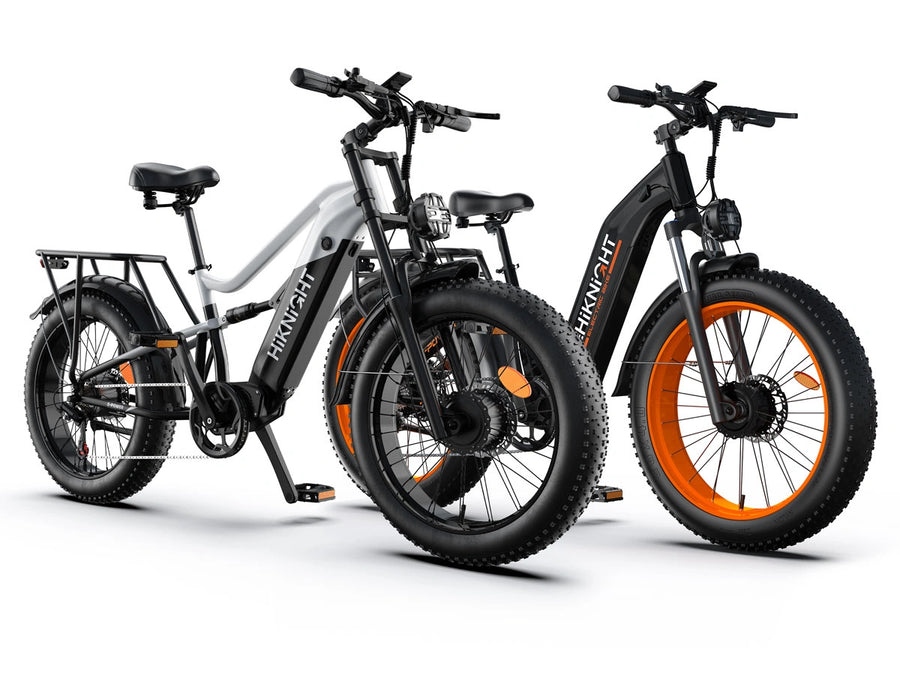
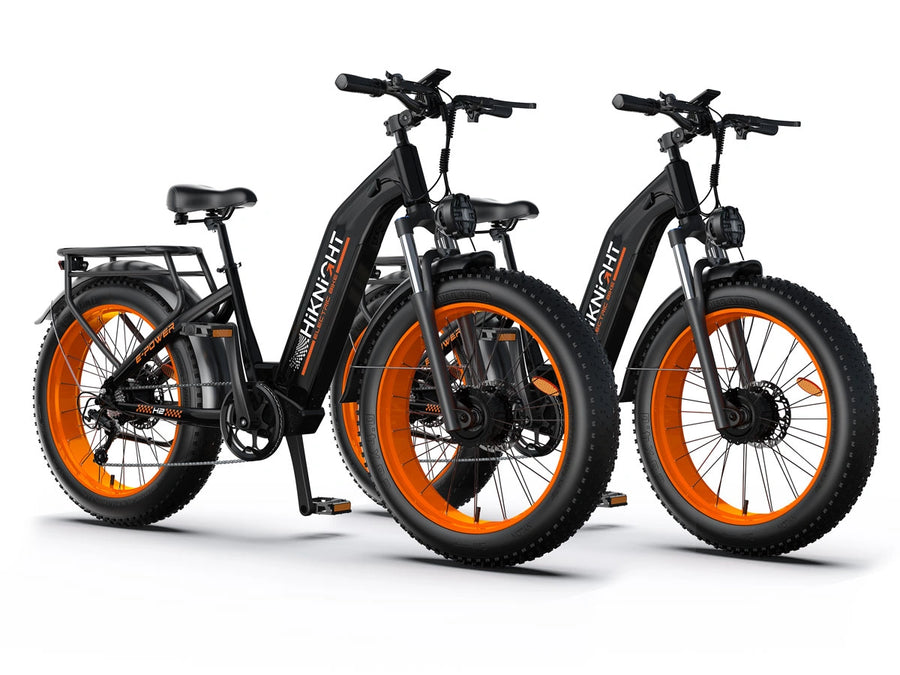
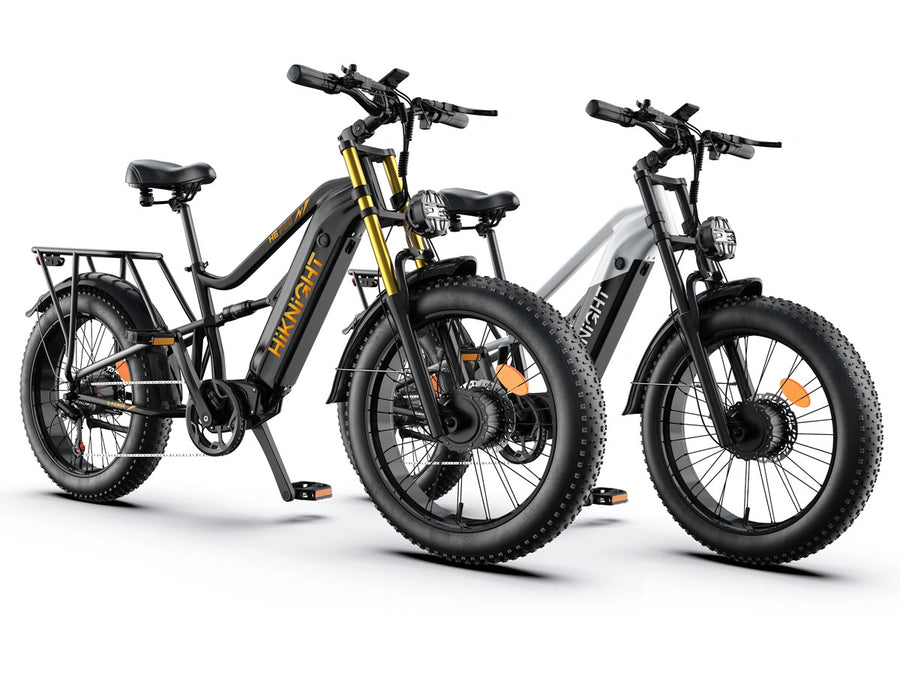
On models like the H2 Pro and H6 Pro, power delivery is progressive rather than abrupt—something experienced riders appreciate immediately.
Dual Motor vs AWD Feel: The Riding Experience
Riders often say dual motor eBikes feel less like bicycles and more like controlled off-road machines. Steering remains stable under throttle, and momentum carries forward instead of slipping sideways.
For technical trails, this confidence matters more than top speed.
Is a Dual Motor eBike Worth It?
If your riding involves:
- Steep or loose terrain
- Year-round riding in unpredictable conditions
- Off-road exploration over long distances
Then a dual motor eBike isn’t a luxury—it’s a functional advantage ⚡.
If not, the extra complexity may not justify itself.
Final Thoughts
A dual motor eBike is not about bragging rights or numbers on a spec sheet. It’s about control, traction, and confidence when conditions stop being perfect.
Understanding why two motors exist helps you choose a bike that fits how—and where—you actually ride.
Share:
Dual Motor eBike Explained: When Two Motors Actually Make Sense
Who Should Buy a Dual Motor eBike? Rider Profiles & Real-World Use Cases