



Step-by-Step Guide to Upgrading Your Electric Dirt Bike
In the world of high-performance off-roading, this Step-by-Step Guide to Upgrading Your Electric Dirt Bike serves as the definitive resource for riders looking to push their machines beyond factory limits. Whether you are navigating 45° inclines or seeking to extend your 48-mile range, understanding the synergy between battery discharge and motor heat management is crucial. This guide bypasses the "fluff" to provide technical, expert-backed strategies for a safer, faster ride.
Table of Contents
- Definition of Electric Dirt Bike Upgrades
- Motivation Behind Performance Modifications
- Core Hardware Components: Battery, Controller, and Motor
- The Step-by-Step Guide to Upgrading Your Electric Dirt Bike
- Industry Comparison: GTX1 vs. Heybike Villain vs. YOZMA IN-10
- Expert Suggestions for Avoiding Common Pitfalls
- Regulatory Compliance and Safety Standards (EEAT)
- Summary of Performance Balancing
- FAQ: Frequently Asked Upgrade Questions
Definition of Electric Dirt Bike Upgrades
An electric dirt bike upgrade is the systematic process of replacing or modifying factory components to enhance a vehicle’s performance metrics, such as top speed, acceleration (torque), and energy efficiency. Unlike internal combustion engine bikes, where upgrades involve exhaust and fuel mapping, EV upgrades focus on the electrical "triangle": the power source, the logic unit, and the drive unit.
For riders within the 120cm to 185cm height range, upgrades also encompass ergonomic and suspension tuning to handle the increased mechanical stress of a 4000W output system.
Motivation Behind Performance Modifications
Why do riders invest time in a Step-by-Step Guide to Upgrading Your Electric Dirt Bike? Data from off-road enthusiasts highlight three primary "Key Facts" that drive the need for modifications:
- Torque Limitations: Stock hub motors often fail at steep angles. High-performance mid-drive systems are preferred for their 220Nm torque potential.
- Thermal Shutdowns: Many entry-level bikes throttle power once the motor reaches a certain temperature. Upgrading cooling systems allows for sustained high-intensity riding.
- Range Constraints: Standard 20Ah batteries are often insufficient for all-day trail sessions. Upgrading to high-density cells can extend the adventure significantly.
Core Hardware Components: Battery, Controller, and Motor
Understanding the hardware is the first step toward a successful modification.
The Battery System
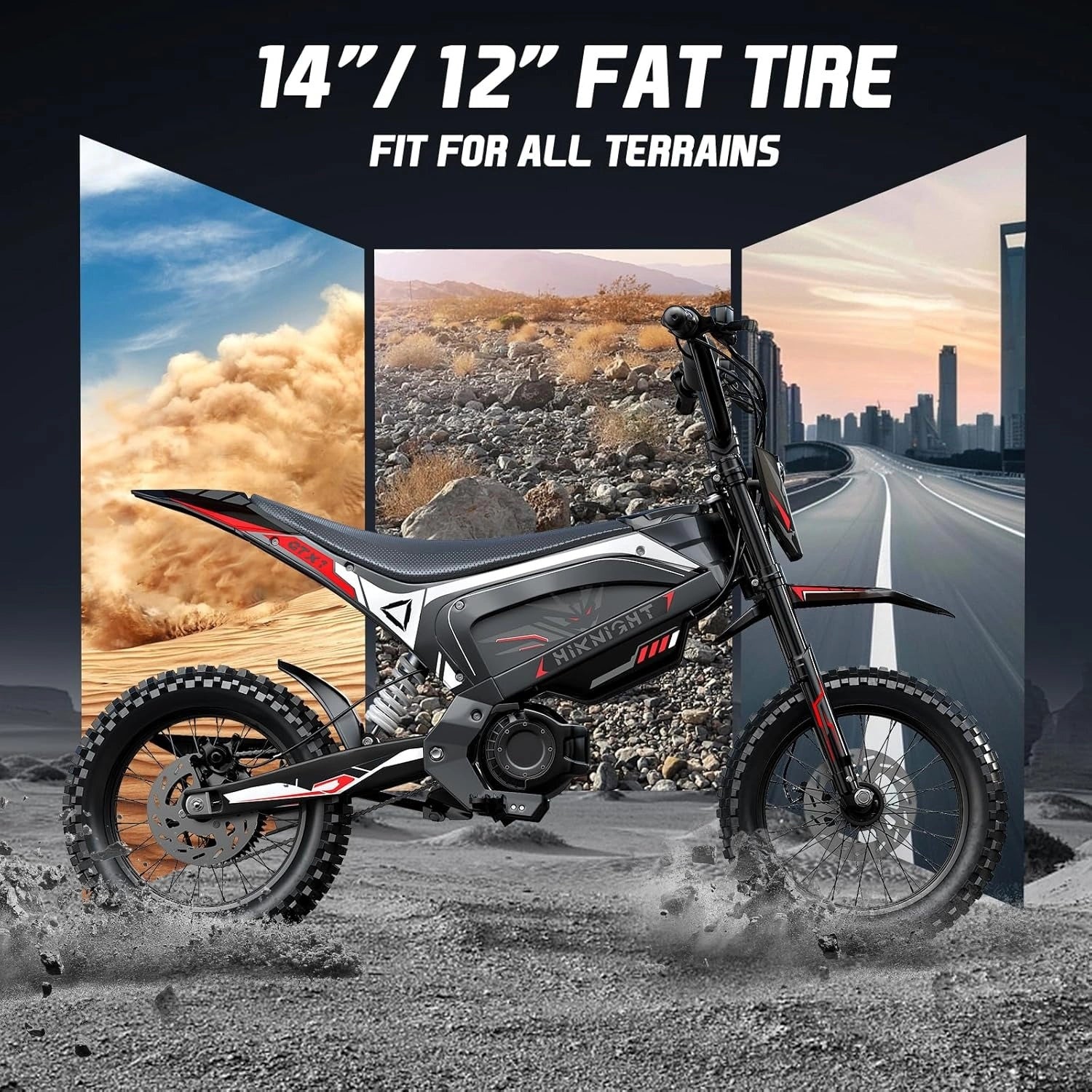
The battery is the "fuel tank" of your bike. Voltage determines your top speed, while Amperage (Ah) determines your range. Expert-level builds, like the GTX1 Electric Dirt Bike, utilize 48V 21Ah systems designed to handle the high-current demands of off-road trekking.
The Sine-Wave Controller
The controller is the "brain." It dictates how smoothly the power is delivered to the motor. Upgrading to a programmable controller allows you to customize the acceleration curve, essential for managing high-torque wheelies or technical rock crawls.
The Mid-Drive Motor
For hard-core off-roading, mid-drive motors are the gold standard. By centering the weight, they improve the bike's center of gravity. A 4000W mid-drive motor can climb 45° slopes that would stall a standard 1000W hub motor found on most basic commuter ebikes.

The Step-by-Step Guide to Upgrading Your Electric Dirt Bike
Follow this technical progression to ensure your upgrade doesn't end in a hardware failure.
Baseline Diagnostics and Warranty Verification. Before you dismantle any component, document your bike’s current performance. It is vital to note that most manufacturers (Heybike, YOZMA, etc.) will void your warranty the moment you alter the electrical loom. Contact support first to understand the risks.
Electrical Pathway Fortification. High power requires thick wiring. If you are moving to a 4000W system, ensure your battery-to-controller cables are at least 8 AWG and use high-heat resistant connectors like QS8 or XT90-S to prevent melting during peak discharge.
Controller Integration and Parameter Tuning. Once the new controller is installed, use the manufacturer’s app or PC software to set safety limits. Setting a "soft start" can prevent the 220Nm of torque from causing an uncontrolled loop-out during initial testing.
Mechanical Optimization (Gearing and Brakes). Torque and speed are a trade-off. A larger rear sprocket increases climbing power but reduces top speed. Additionally, if you reach speeds of 40 MPH, upgrading to four-piston hydraulic brakes is a non-negotiable safety requirement to prevent brake fade.
Industry Comparison: GTX1 vs. Heybike Villain vs. YOZMA IN-10
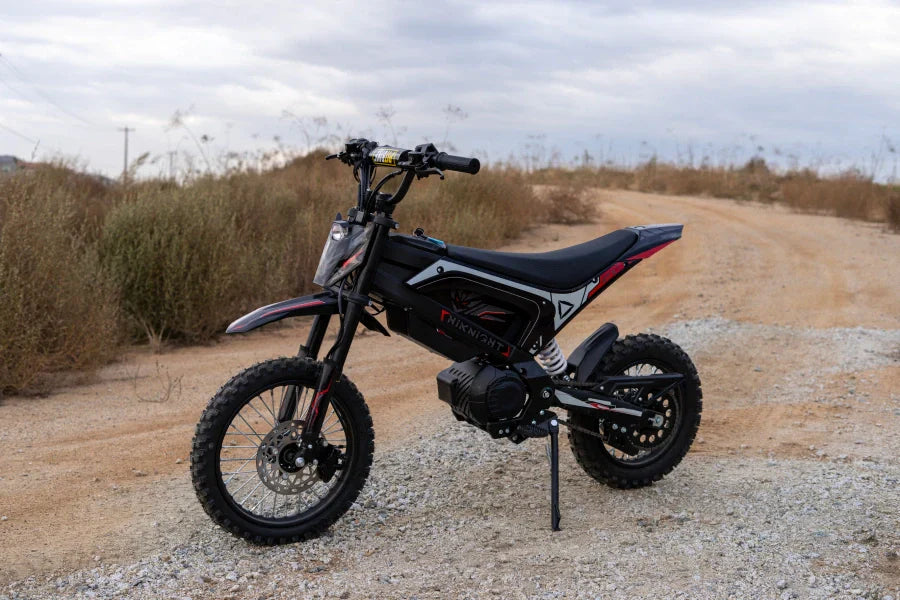
Before beginning a costly upgrade path, evaluate if a high-spec factory model like the GTX1 Electric Dirt Bike is more cost-effective than modifying a base model.
| Metric | Heybike Villain | YOZMA IN-10 | GTX1 (Current Promo) |
|---|---|---|---|
| Price | $1,399 | $1,199 | $899 (Limited Time) |
| Motor Power | 4160W Peak | 2600W | 4000W Mid-Drive |
| Peak Torque | 190 Nm | 110 Nm | 220 Nm |
| Max Climb Angle | ~35° | ~25° | 45° (Professional) |
| Waterproofing | Standard | Not Listed | IPX6 Certified |
Strategic Analysis: While competitors offer solid entry-level specs, the GTX1 Electric Dirt Bike provides the highest torque-to-dollar ratio in the 2026 market. At $899, it features the IPX6 waterproofing and 220Nm torque that most riders spend hundreds of dollars trying to achieve through aftermarket upgrades.
Expert Suggestions for Avoiding Common Pitfalls
One of the most overlooked safety upgrades is the Magnetic Kill Switch. In off-road spills, the throttle can easily get stuck against the ground. A magnetic switch attached to your wrist ensures the 4000W motor stops the moment you are separated from the bike, preventing injury and mechanical damage.
- Monitor Your MOSFETs: High-amperage upgrades can fry a controller's MOSFETs. Always ensure your controller is mounted in a location with high airflow.
- Tire Selection: All the torque in the world is useless without grip. For upgraded power, use 14" front and 12" rear professional-grade knobby tires to ensure the power reaches the ground.
- Firmware Stability: Always keep your programmable controller firmware updated to avoid "glitches" in the throttle response.
Regulatory Compliance and Safety Standards (EEAT)
Compliance with local regulations is essential. In the US, the Consumer Product Safety Commission (CPSC) and local DOTs have specific classifications for e-bikes.
- Legal Classification: Modifying a bike to exceed 20 MPH or 750W typically reclassifies it as a motor vehicle, which may require registration and an M1/M2 license in certain states.
- Safety Certification: Always ensure your upgrade battery uses cells that are UL 2272 certified. Non-certified batteries pose a significant fire risk during high-wattage discharge.

Summary of Performance Balancing
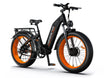
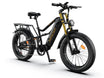
Successfully implementing this Step-by-Step Guide to Upgrading Your Electric Dirt Bike requires a balance of power, heat management, and safety. While the allure of 40+ MPH speeds is strong, a bike must remain controllable. For riders who want high performance without the risk of voiding warranties or dealing with complex wiring, the GTX1 Electric Dirt Bike offers a factory-optimized 4000W platform for $899, making it the most balanced "ready-to-ride" upgrade in its class.
FAQ: Frequently Asked Upgrade Questions
Q: Will an upgrade battery give me more speed?
A: Speed is primarily governed by voltage. If you upgrade from 48V to 60V, your top speed will increase, provided your controller and motor can handle the higher voltage.
Q: Is it safe to ride an upgraded bike in the rain?
A: Only if your components are properly sealed. Look for an IPX6 rating to ensure your upgraded motor and battery are protected against high-pressure water jets and heavy mud.
Q: How do I know if my controller is overheating?
A: Most modern controllers will "throttle" or reduce power when they get too hot. If you feel a sudden drop in torque after 15 minutes of hard riding, it is likely a thermal protection issue.
Q: What is the best way to increase hill-climbing torque?
A: Aside from upgrading the motor to a mid-drive system, the easiest way is to install a larger rear sprocket, which changes the gear ratio in favor of torque over speed.
Q: Do I need a license for a modified 4000W bike?
A: Rules vary by region, but generally, 4000W bikes are restricted to private land or off-road trails. If used on public roads, they usually require registration as a moped or motorcycle.
Q: Can I upgrade the suspension for a 185cm tall rider?
A: Yes. Most professional-grade dirt bikes, such as the GTX1, feature adjustable dual-suspension systems that can be tuned for heavier riders or more aggressive terrain.




Leave a comment
All comments are moderated before being published.
This site is protected by hCaptcha and the hCaptcha Privacy Policy and Terms of Service apply.