



Best Practices for Safe Off-Road E-Bike Riding: Essential Safety Guide for Control, Terrain Mastery, and Injury Prevention
Safe off-road e-bike riding requires proper protective gear, controlled speed, terrain awareness, and pre-ride inspection. Riders must adapt riding posture and power mode based on terrain conditions such as gravel, sand, or steep slopes to maintain stability and reduce accident risk.
Understanding Off-Road Risks
Off-road electric biking introduces significantly more risk compared to urban riding. Loose gravel, steep inclines, hidden obstacles, and sudden terrain changes all increase the chance of accidents. Riders must understand that electric motor torque can amplify instability if not properly controlled.
Safety Gear Essentials
Proper safety equipment is critical for reducing injury risk during off-road riding:
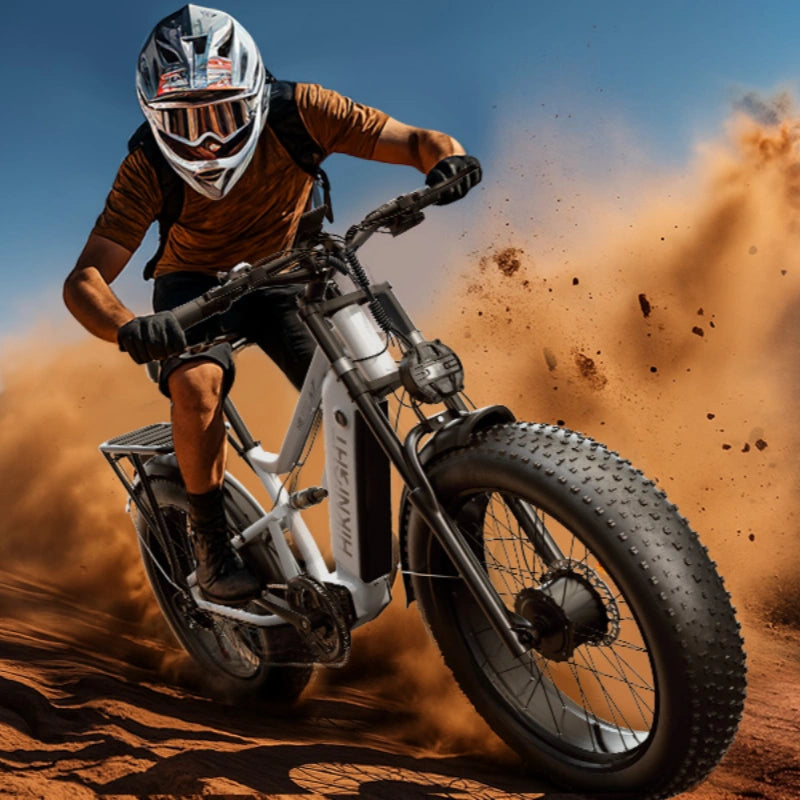
- Full-face helmet for high-speed protection
- Impact-resistant gloves for grip and control
- Knee and elbow protection pads
- High-ankle riding boots
- Dust and wind goggles
Pre-Ride Inspection
Before every ride, conduct a full inspection of your e-bike:
- Tire pressure (critical for traction)
- Brake responsiveness
- Battery level and range
- Chain lubrication and tension
- Motor response across riding modes
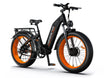
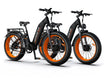
High-performance models like the H2PRO dual motor electric bike require extra attention due to their high torque output.

Riding Techniques for Off-Road Control
Proper riding posture is essential for maintaining stability on uneven terrain:
- Lean back during downhill riding
- Keep elbows and knees bent for shock absorption
- Stand on pedals over rough terrain
- Look ahead instead of directly in front
- Avoid sudden steering or braking
Speed & Power Control
Speed management is more important than raw power in off-road environments. Riders should start in low assist modes and gradually increase power only on stable terrain.
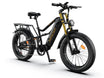
The H6PRO off-road e-bike provides strong torque for climbing but requires careful throttle control on loose surfaces like sand or gravel.

Terrain & Weather Adaptation
Different environments require different riding strategies:
- Wet terrain: Reduce speed and increase braking distance
- Sandy terrain: Lower tire pressure and maintain steady throttle
- Rocky terrain: Stand while riding for better shock absorption
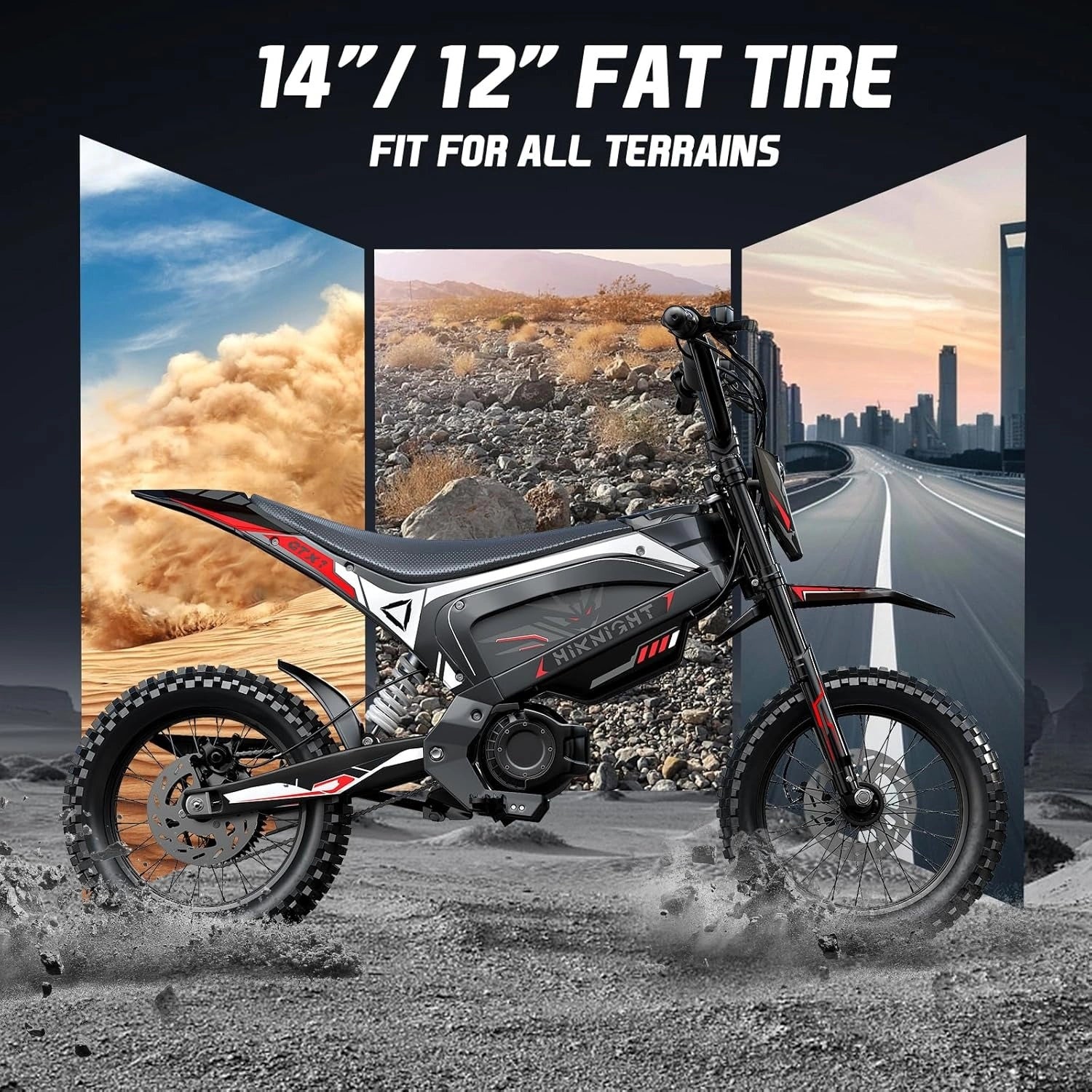
Advanced riders often choose dirt-style bikes like the GTX1 electric dirt bike for extreme terrain control.
Common Mistakes to Avoid
- Riding too fast on unfamiliar trails
- Ignoring protective gear
- Overusing throttle power
- Skipping pre-ride inspection
- Poor body balance on slopes
Recommended Off-Road E-Bike Types
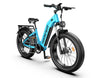
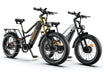
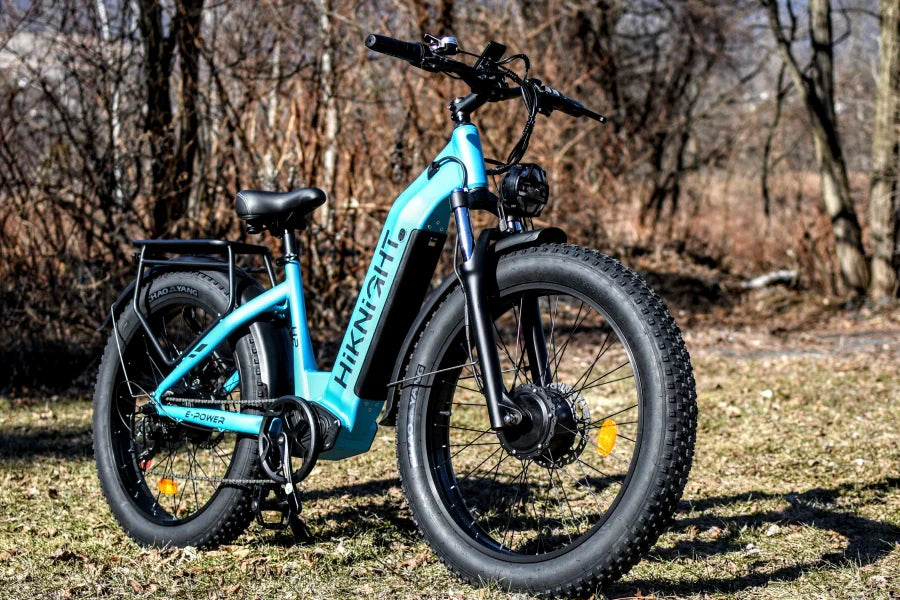
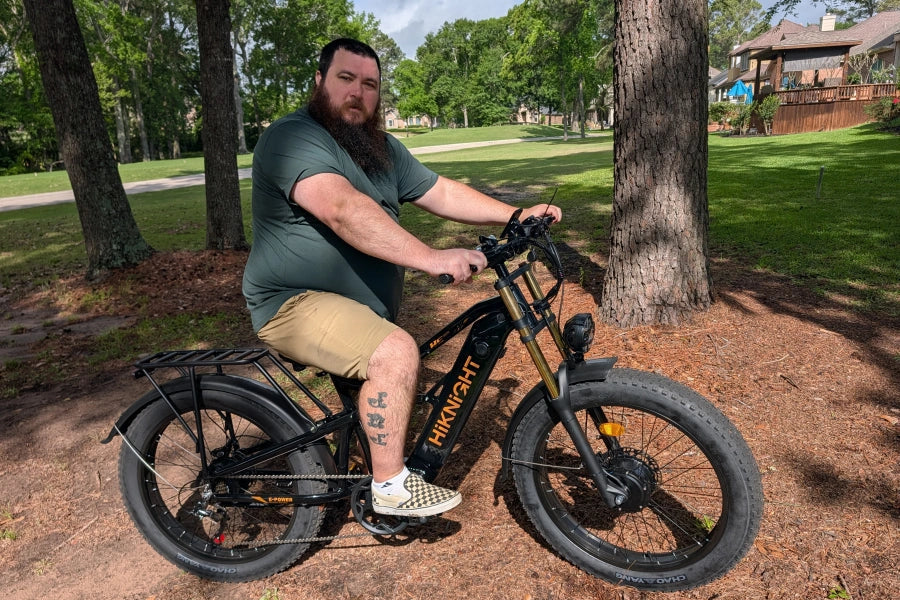
The best off-road e-bikes usually include fat tires, strong suspension systems, and high-torque motors. These features improve stability and traction in unpredictable terrain conditions.
9. FAQ
Q1: What is the safest speed for off-road riding?
There is no fixed speed; riders should prioritize control and terrain awareness over speed.
Q2: Do I need special tires for off-road riding?
Yes, fat or knobby tires significantly improve traction and stability.
Q3: Can I ride in all weather conditions?
No, avoid icy, flooded, or extremely muddy conditions.
Q4: Is dual motor necessary?
Not always; it helps on steep climbs but requires careful control on loose terrain.
Q5: What is the most important safety gear?
Helmet, gloves, and knee protection are essential.
Q6: How can I improve riding skills?
Start with easier terrain and gradually increase difficulty.





Leave a comment
All comments are moderated before being published.
This site is protected by hCaptcha and the hCaptcha Privacy Policy and Terms of Service apply.