

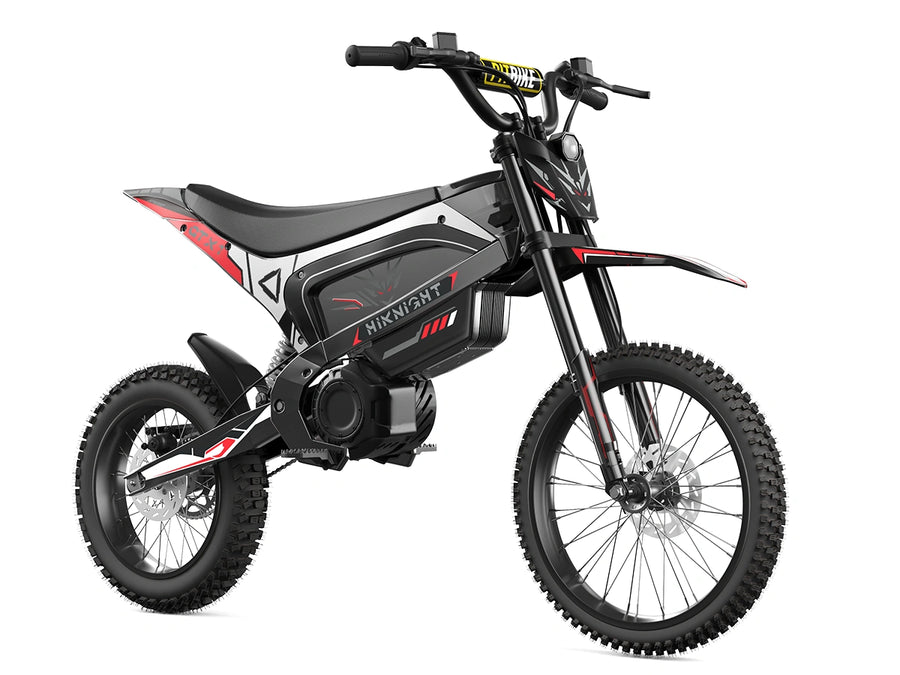

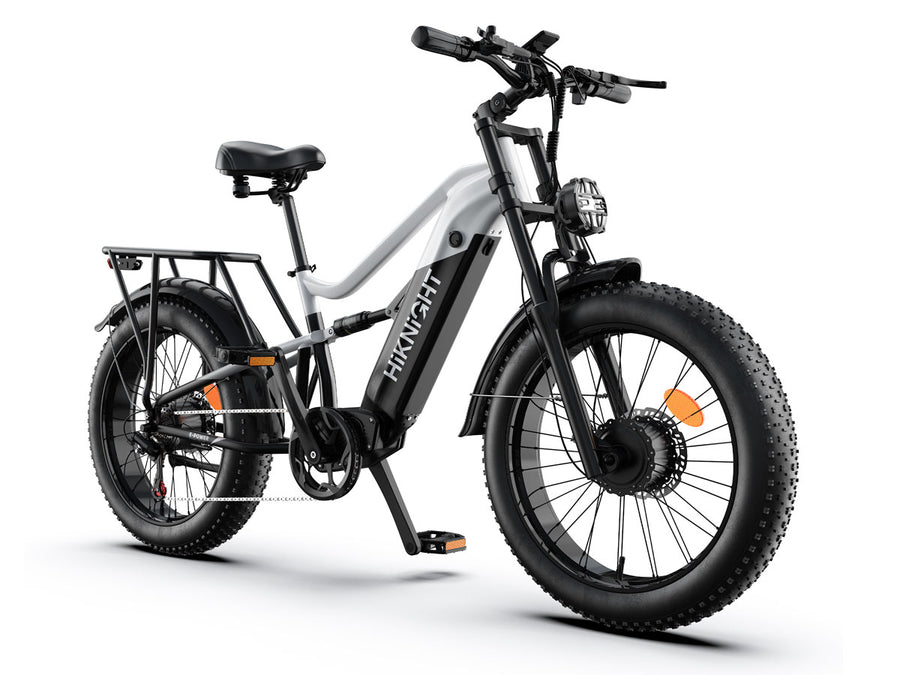
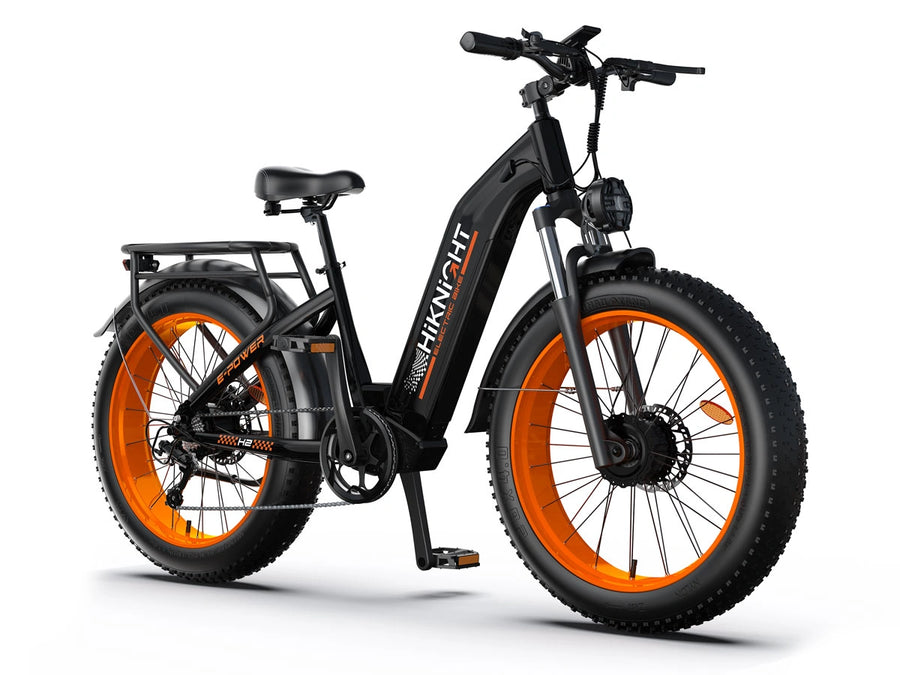

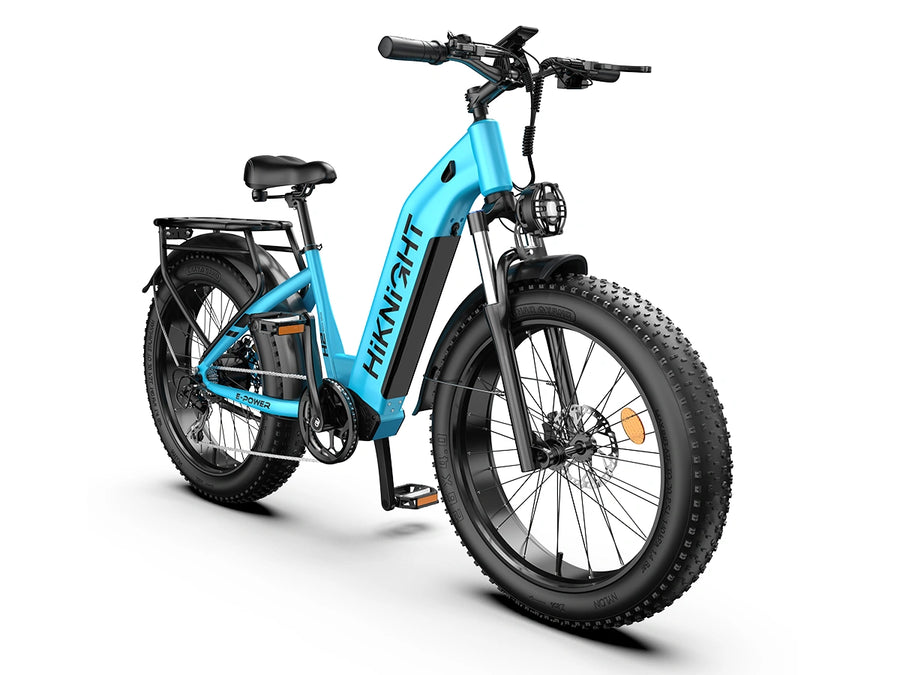

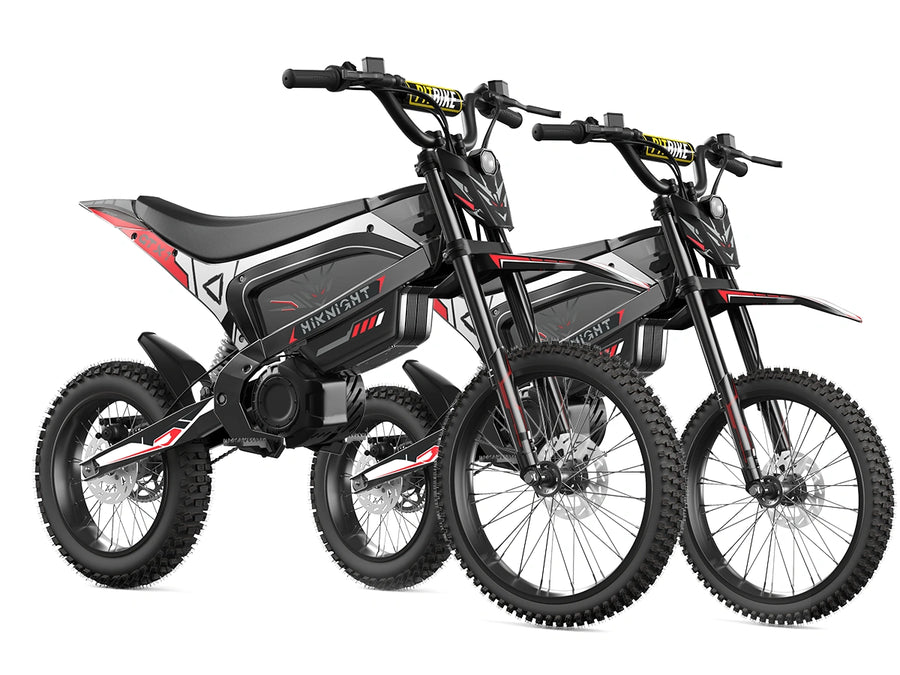

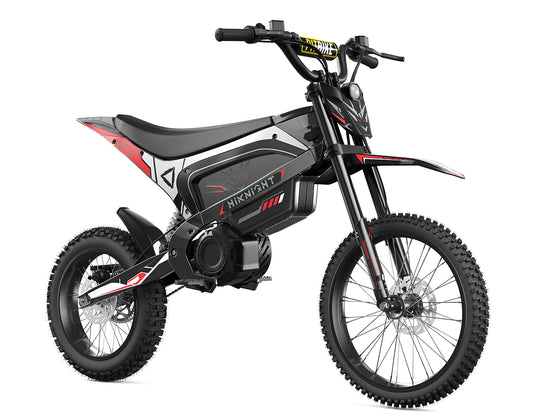
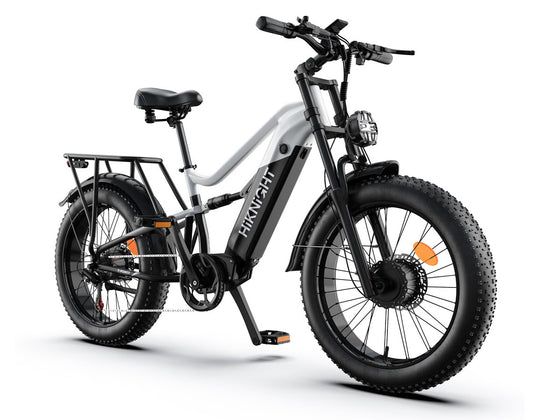
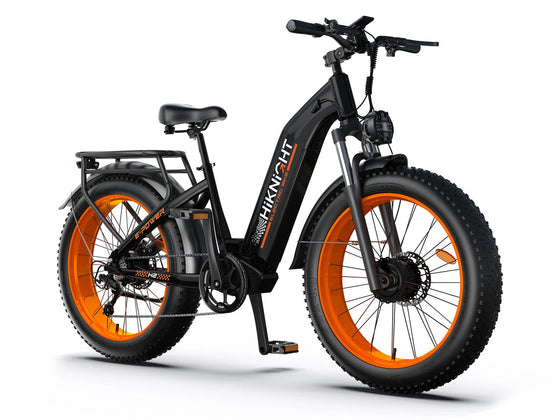
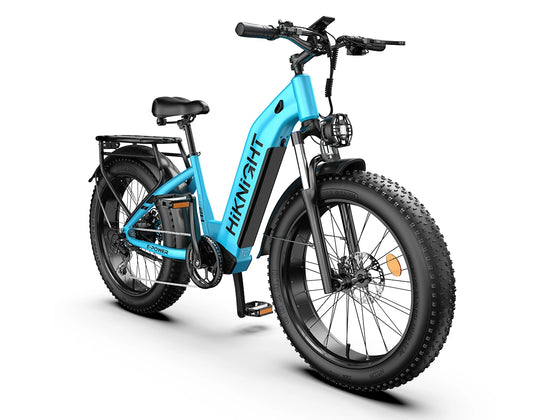
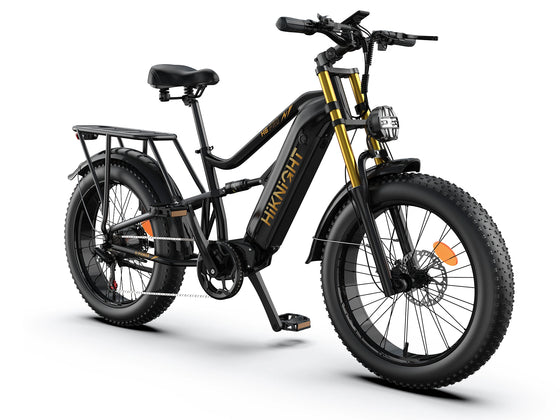
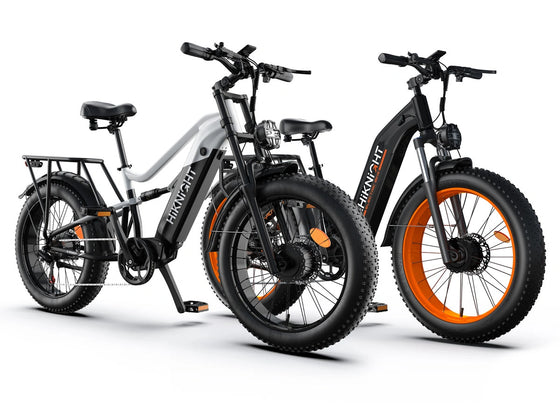
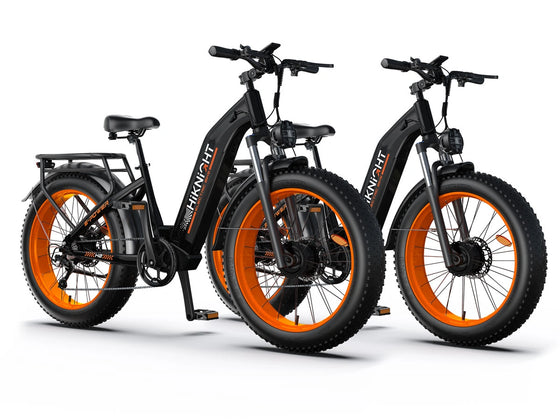
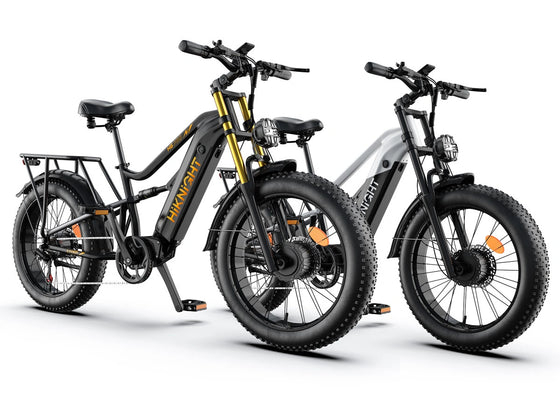
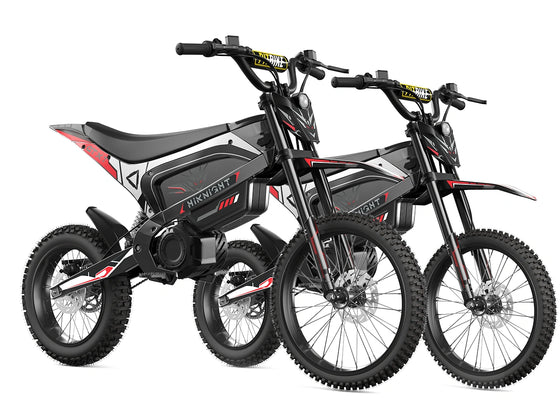

The term motorized bicycle covers a wide range of machines. For some riders, it refers to a modest pedal-assist commuter. For others, it means a high-powered dual-motor electric platform capable of climbing sand dunes and forest inclines.
If you are considering an adult off-road electric bike, understanding the legal classification is essential. Licensing rules, road access, and insurance requirements are determined not by marketing labels but by measurable specifications such as wattage and speed.
What Is a Motorized Bicycle?
A motorized bicycle is any bicycle equipped with a propulsion system. That system may be gas-powered or electric, single-motor or dual-motor, throttle-controlled or pedal-assist.
In North America, most electric bicycles fall into three regulatory categories:
- Class 1: Pedal-assist only, up to 20 mph
- Class 2: Throttle-equipped, up to 20 mph
- Class 3: Pedal-assist up to 28 mph
Once a bike exceeds these speed or power thresholds, it may no longer qualify as a standard e-bike under local law.
Do You Need a License?
For standard Class 1–3 electric bicycles, a driver’s license is generally not required in most U.S. states and Canadian provinces.
However, higher-powered machines—especially those exceeding 750W—may fall into a different legal category if operated on public roads. Some jurisdictions may treat them similarly to mopeds depending on speed capability.
Before riding, confirm:
- Maximum permitted wattage
- Local speed limits
- Helmet regulations
- Age restrictions
- Road and trail eligibility
Why Off-Road Riders Choose Higher Power ⚙️
Loose gravel, snow, mud, and steep gradients require torque rather than simple top speed. Dual-motor configurations distribute traction and reduce strain under load.
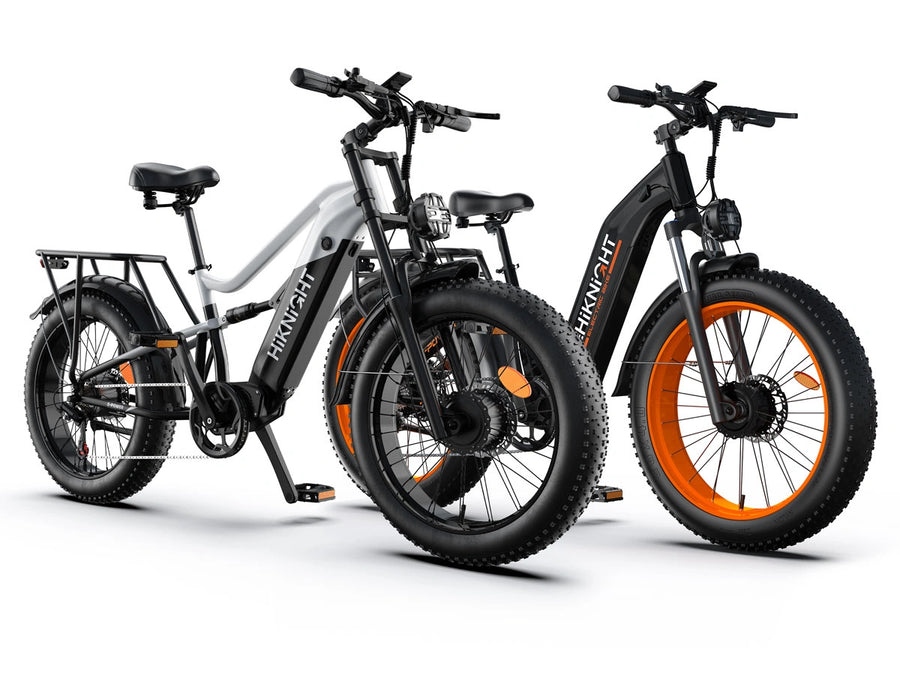
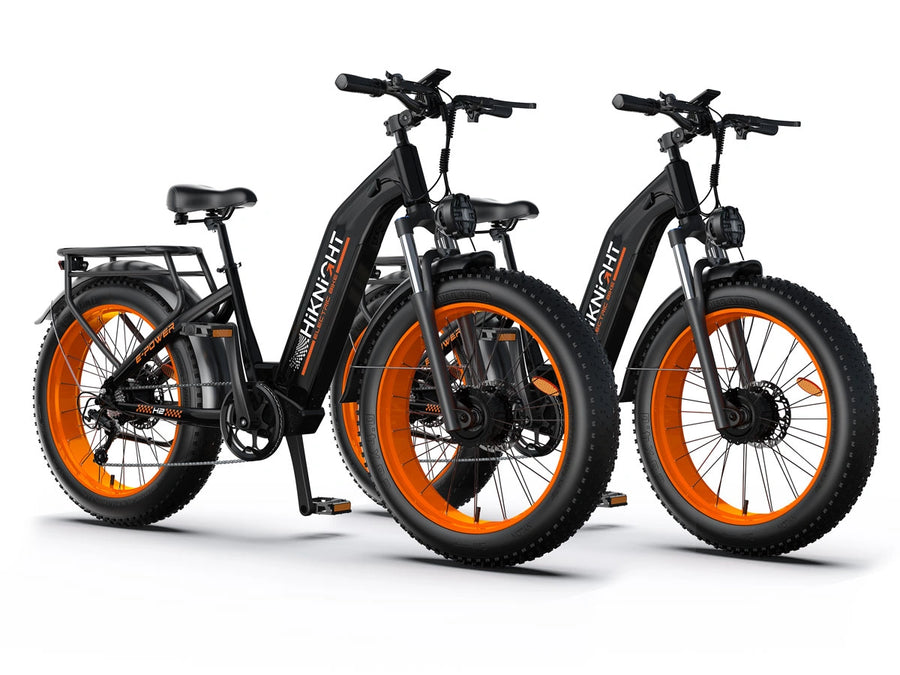
For example, the HiKNiGHT H2 Pro is designed for terrain versatility, offering dual-motor output and fat tires optimized for grip rather than city commuting efficiency.
Street vs. Trail Considerations
Bike lanes typically allow only Class 1–3 e-bikes. Higher-powered platforms may be restricted in municipal cycling infrastructure but acceptable on private land or designated off-highway vehicle trails.
Understanding where your motorized bicycle can legally operate prevents unnecessary complications.
Insurance and Liability
Even when not legally mandated, insurance coverage is worth evaluating for high-value electric bikes. Policies may include theft protection, collision damage, and third-party liability coverage.
Performance Beyond Wattage
Power alone does not determine capability. Experienced riders consider battery capacity, controller calibration, frame durability, and braking systems.
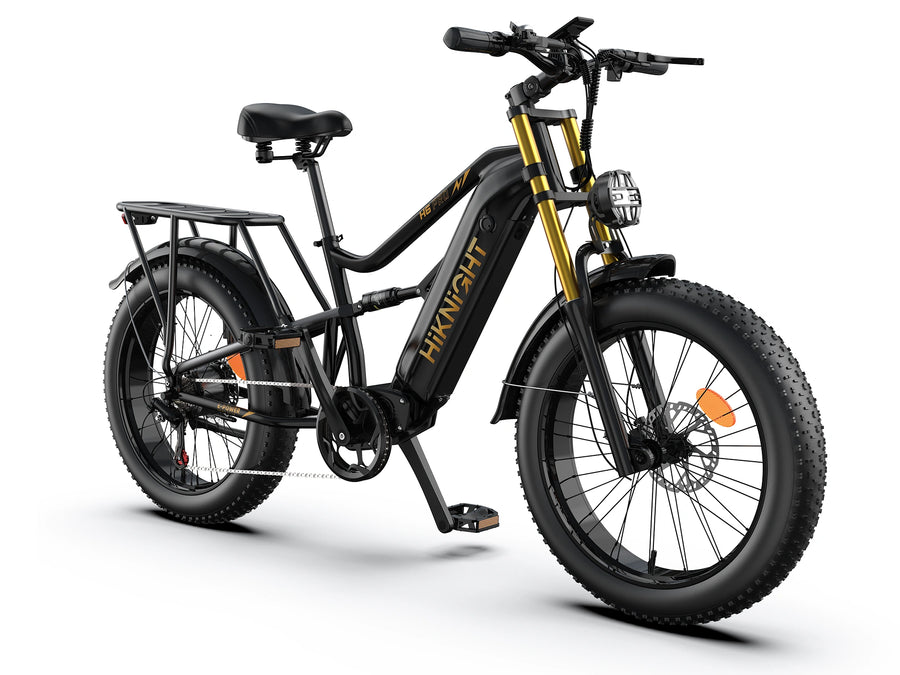
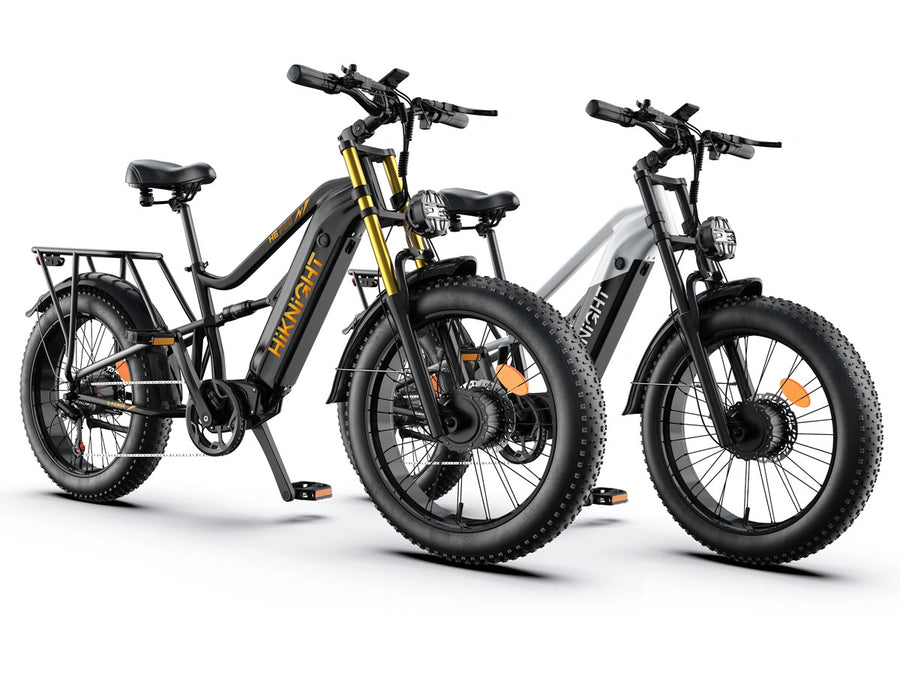
The HiKNiGHT H6 Pro emphasizes reinforced frame geometry, suspension travel, and hydraulic braking to support aggressive off-road riding.
Range Expectations for Off-Road Riding 🔋
Off-road conditions increase energy consumption. Sand, elevation gain, and repeated throttle bursts reduce achievable range compared to flat-road commuting.
Understanding realistic range expectations improves long-term battery health and ride planning.
Choosing the Right Motorized Bicycle
Before purchasing, define your primary terrain: forest trails, desert paths, snow routes, rural backroads, or mixed surfaces.
Evaluate torque requirements, suspension travel, tire width, and battery capacity accordingly.
Detailed specifications are available directly through the HiKNiGHT official website, allowing riders to compare geometry and drivetrain configurations objectively.
Compliance Strategy
- Verify local classifications
- Use proper protective gear
- Respect trail regulations
- Avoid unauthorized speed modifications
Conclusion
A motorized bicycle can range from a modest commuter to a high-output off-road machine. Whether a license is required depends on measurable specifications and riding context rather than product naming.
For adult off-road enthusiasts, durability, torque delivery, braking integrity, and responsible operation matter more than headline speed figures. When selected thoughtfully and ridden within appropriate environments, a high-powered electric motorized bicycle delivers terrain freedom unmatched by traditional bicycles.
Share:
Fat Tire Bikes: Real Advantages, Trade-Offs, and What Serious Off-Road Riders Should Know
Kids Electric Dirtbike: Choosing the Right Size, Power, and Safety Level for Growing Riders