



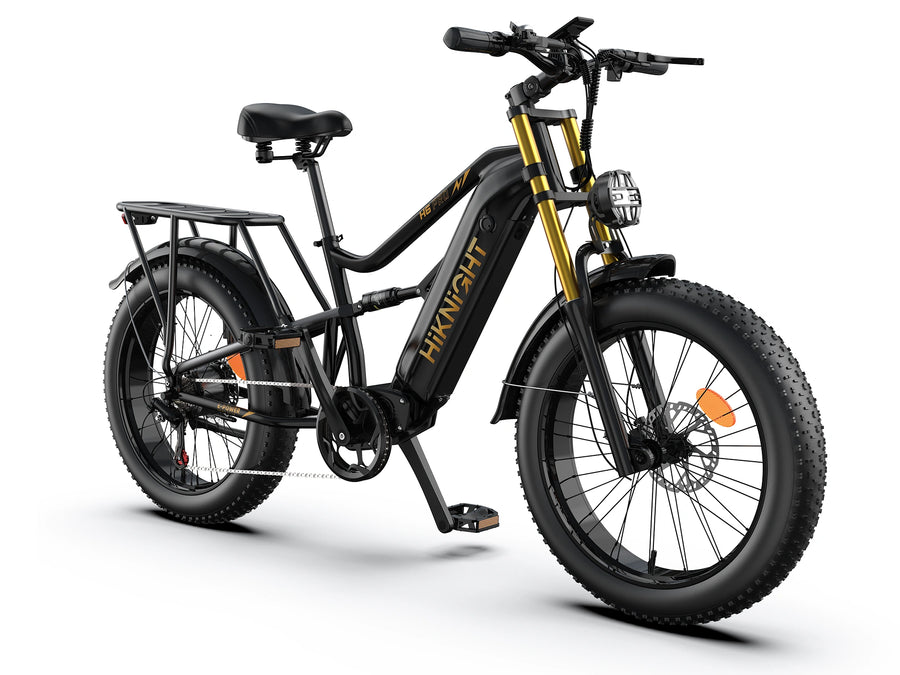

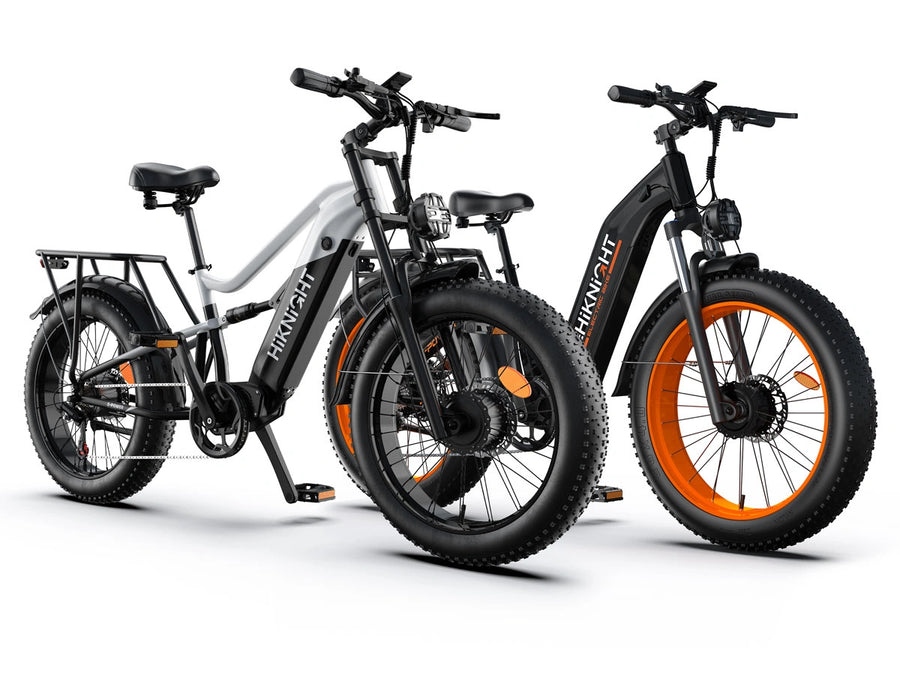
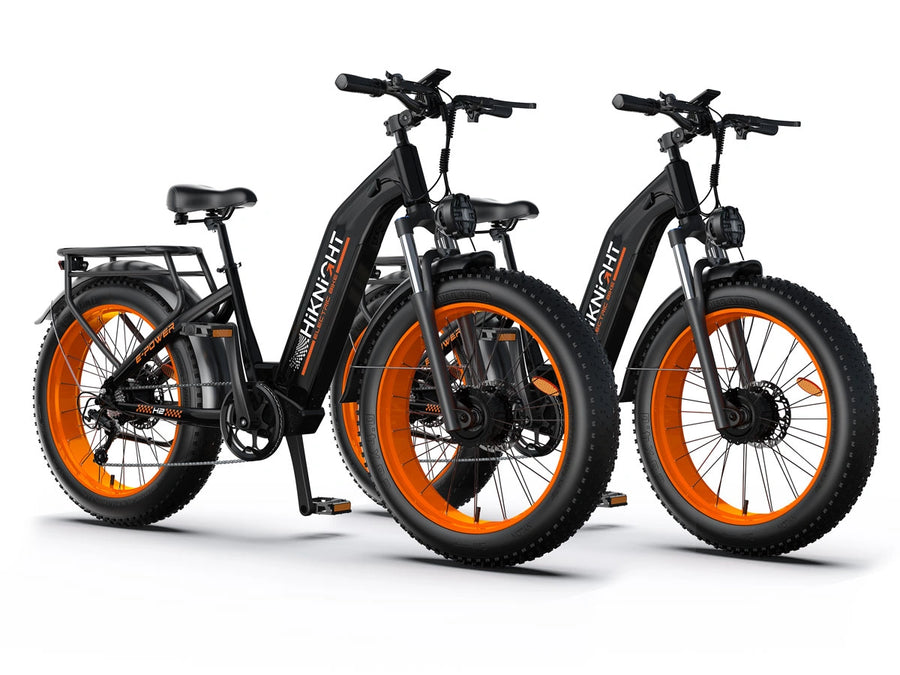
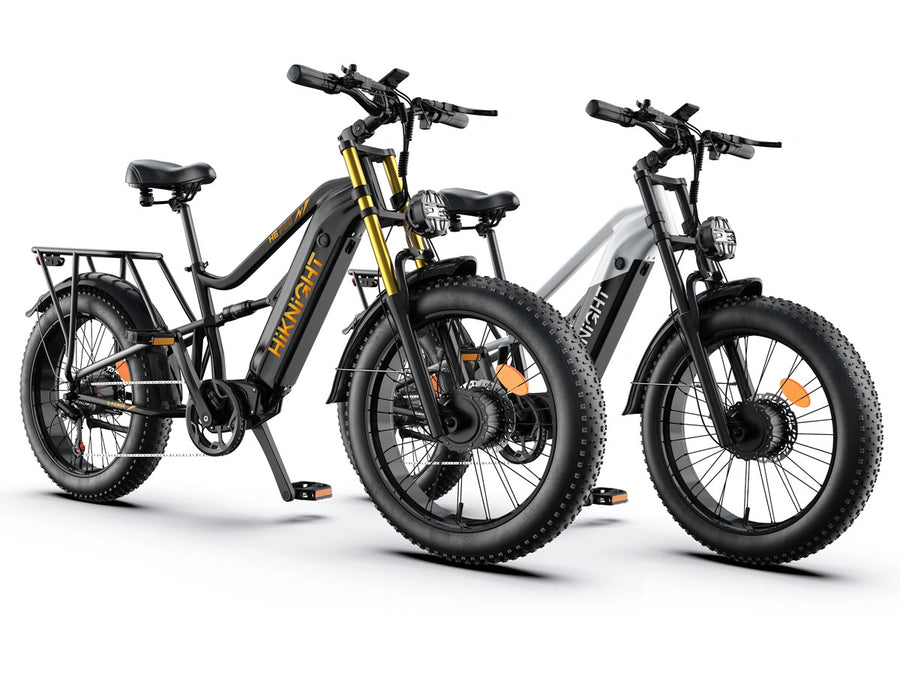

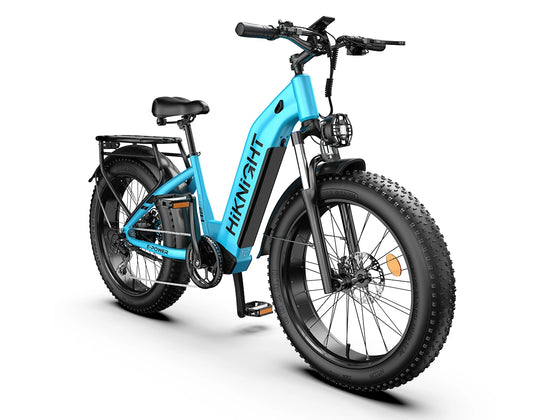
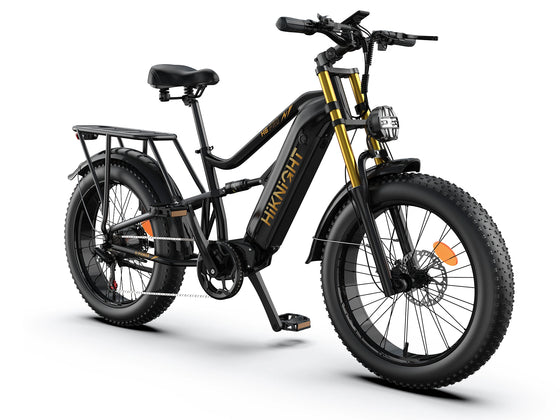
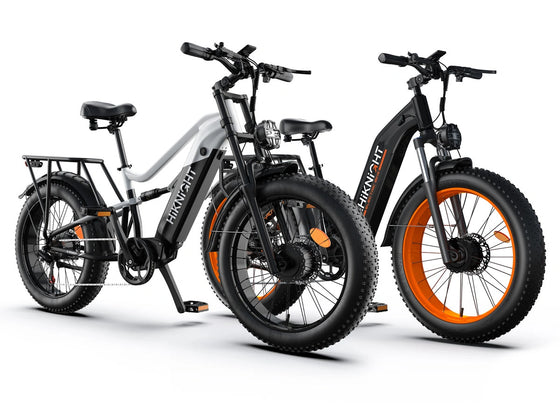
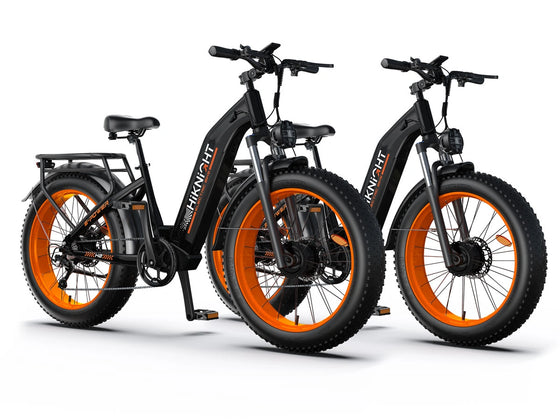
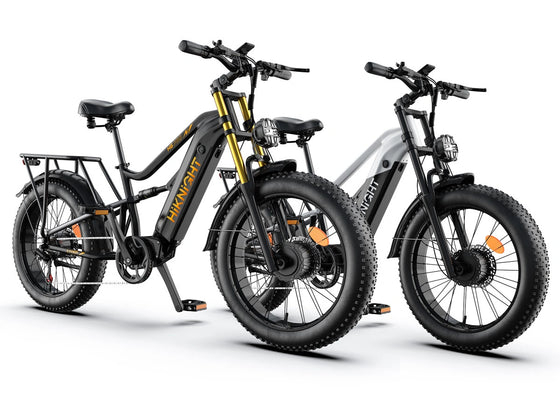

Fat tire bikes have evolved far beyond their original snow-riding niche. Today, they are used across sand, gravel, forest trails, and rugged backcountry routes. For adult riders considering a high-powered electric platform, understanding how tire width affects traction, comfort, and efficiency is essential.
What Defines a Fat Tire Bike?
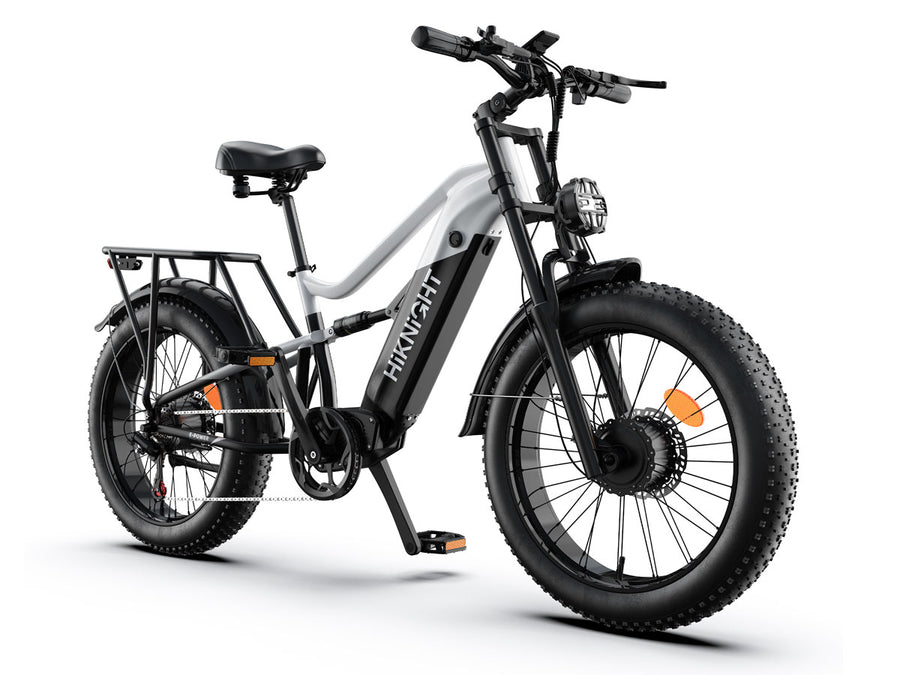
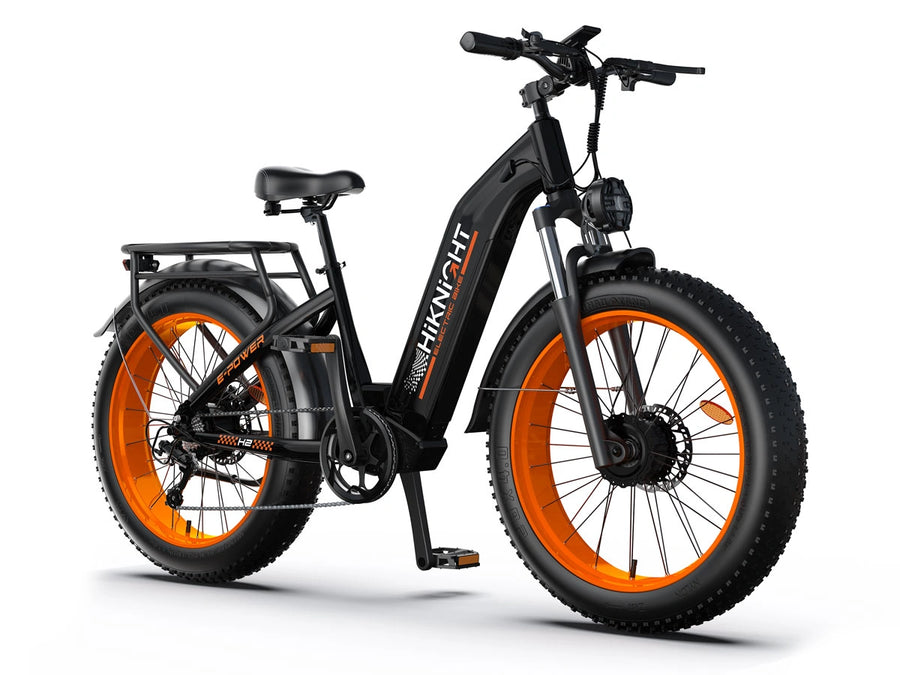
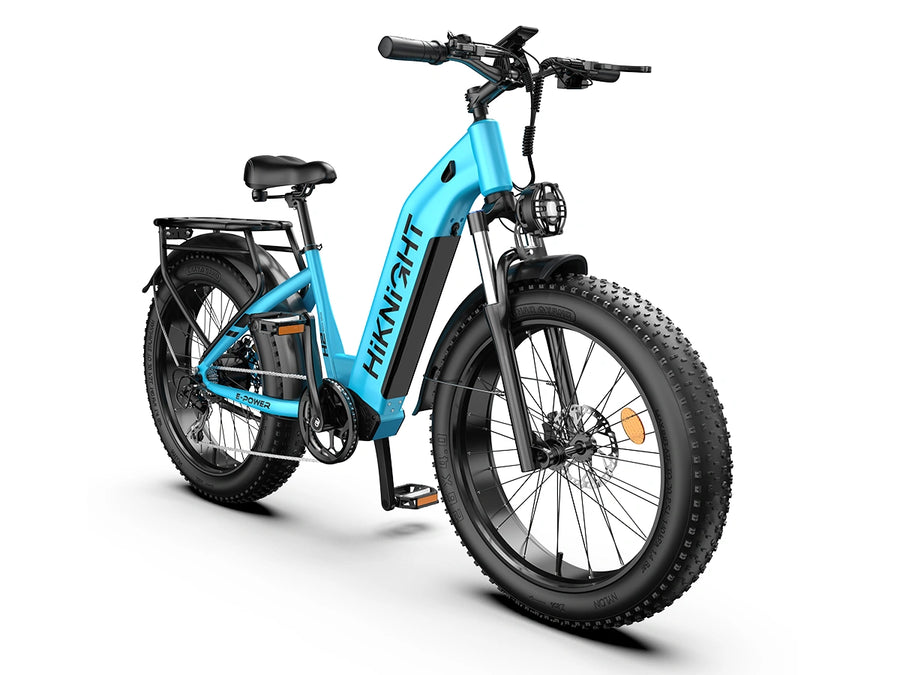
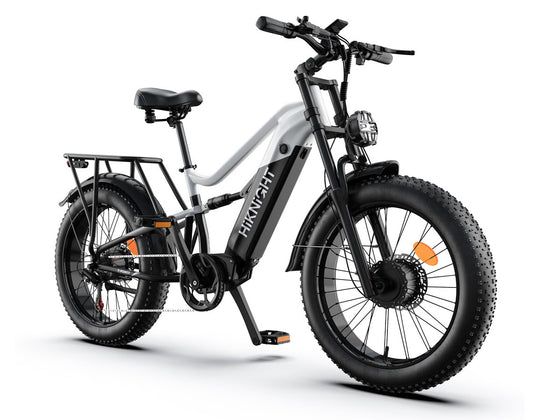
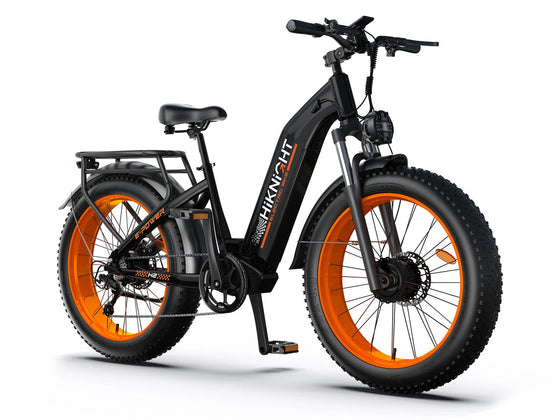
A fat tire bike typically features tires measuring 4 inches or wider. These tires operate at lower air pressure and create a larger contact patch with the ground compared to traditional mountain bike tires.
- 4.0”–5.0” tire width
- Low PSI capability
- Expanded ground contact
- Enhanced flotation on soft terrain
Traction and Terrain Adaptability
The primary advantage of fat tire bikes is surface adaptability. On sand, snow, mud, or loose gravel, narrow tires tend to dig in. Wider tires distribute weight more evenly, helping maintain forward momentum.
Lower tire pressure allows the rubber to conform to irregular terrain, increasing mechanical grip and improving control in unpredictable environments.
Stability at Speed
Stability is one of the most overlooked strengths of fat tire bikes. Wider tires absorb micro-vibrations before they transfer into the frame, reducing rider fatigue and enhancing steering predictability.
When paired with a high-output drivetrain like the HiKNiGHT H2 Pro, torque distribution across wide tires improves hill-climbing performance while maintaining directional stability.
Rolling Resistance: Understanding the Trade-Off
On smooth pavement, wider tires can increase rolling resistance due to greater surface contact. However, on loose terrain, narrow tires often waste energy through slippage.
Rolling resistance depends on multiple variables:
- Tire compound and tread
- Inflation pressure
- Surface type
- Total system weight
For off-road riders, traction efficiency often outweighs minor pavement speed differences.
Comfort and Shock Absorption
Fat tires function as passive suspension. Lower PSI absorbs small impacts before they reach the fork or rear shock.
On reinforced electric platforms such as the HiKNiGHT H6 Pro, wide tires complement upgraded suspension systems to manage impact loads effectively.
Electric Power Changes the Equation ⚙️
Electric motors significantly enhance fat tire capability. High-wattage systems deliver sustained torque for climbing, acceleration on sand, and reduced rider fatigue over long distances.
Dual-motor configurations improve traction by distributing power across both wheels, especially in unstable terrain.
Specifications and structural design details can be reviewed directly on the HiKNiGHT official website, where frame geometry, braking systems, and battery capacity reflect real off-road demands.
Seasonal Versatility ❄️
Fat tire bikes perform reliably in snow, sand, and damp forest trails. The flotation effect prevents deep sinkage, allowing access where traditional bikes struggle.
This adaptability makes them suitable for riders who experience variable seasonal terrain.
Who Should Consider Fat Tire Bikes?
- Adult riders exploring forest and mountain terrain
- Beach or desert riders
- Rural backroad commuters
- Electric bike users prioritizing traction and comfort
They are less suited for competitive road cycling or ultralight racing scenarios.
Buying Considerations
When choosing a fat tire bike, evaluate more than tire width. Consider motor output, battery range, braking performance, frame strength, and suspension design.
A balanced system ensures that tire capability aligns with drivetrain performance and structural durability.
Conclusion
Fat tire bikes offer meaningful advantages in traction, comfort, and terrain adaptability. Their trade-offs are manageable when matched to appropriate riding conditions.
For adult off-road riders, especially those considering electric dual-motor platforms, tire width becomes part of a broader engineering system. Selecting a well-balanced machine ensures long-term performance, stability, and real-world capability across diverse environments.
Share:
Off-Road Electric Dirt Bike: The Complete Guide for Young Riders and First Real Adventures
Motorized Bicycle: Laws, Power, and What Off-Road Riders Need to Know in 2026