



Electric bike laws in California — and across the United States — are designed to keep riders safe while opening up exciting new ways to explore city streets and off-road trails. Whether you're commuting on a Class 1 pedal-assist, unlocking backcountry freedom on a high-powered off-road e-bike, or looking for clear answers on riding rules in 2026, this guide breaks down everything you need to know: classifications, speed standards, helmet guidelines, and trail access. Clear, practical, and hassle-free.
Table of Contents
- What Counts as an E-Bike Under US Law?
- The 3-Class E-Bike System Explained
- Electric Bike Laws in California (2026 Updates)
- E-Bike Rules by State: What to Know
- Where Can You Ride Your E-Bike?
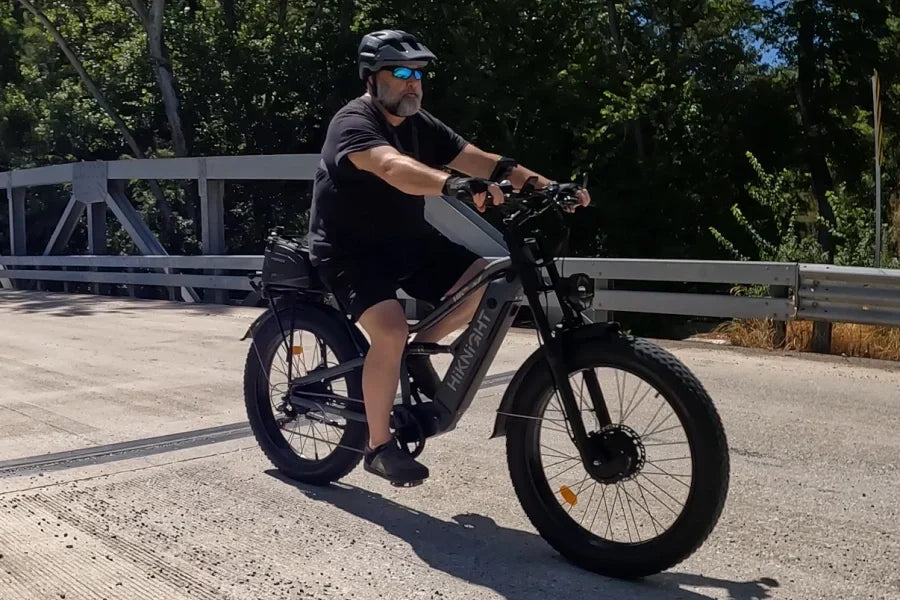
- Helmet Guidelines: Keeping Riders Safe
- High-Performance Off-Road E-Bikes: Unlocking Backcountry Power
- Registration, Insurance & Rider Freedom
- How E-Bike Guidelines Evolve in 2026
- FAQ
What Counts as an E-Bike Under US Law?
To help riders choose the right bike for their lifestyle, federal guidelines — including the Consumer Product Safety Improvement Act — define standard low-speed electric bicycles under three clear criteria:
- Fully operable pedals for human power
- An electric motor rated up to 750 watts (1 hp)
- A motor-assisted speed cap of 20 mph on flat ground
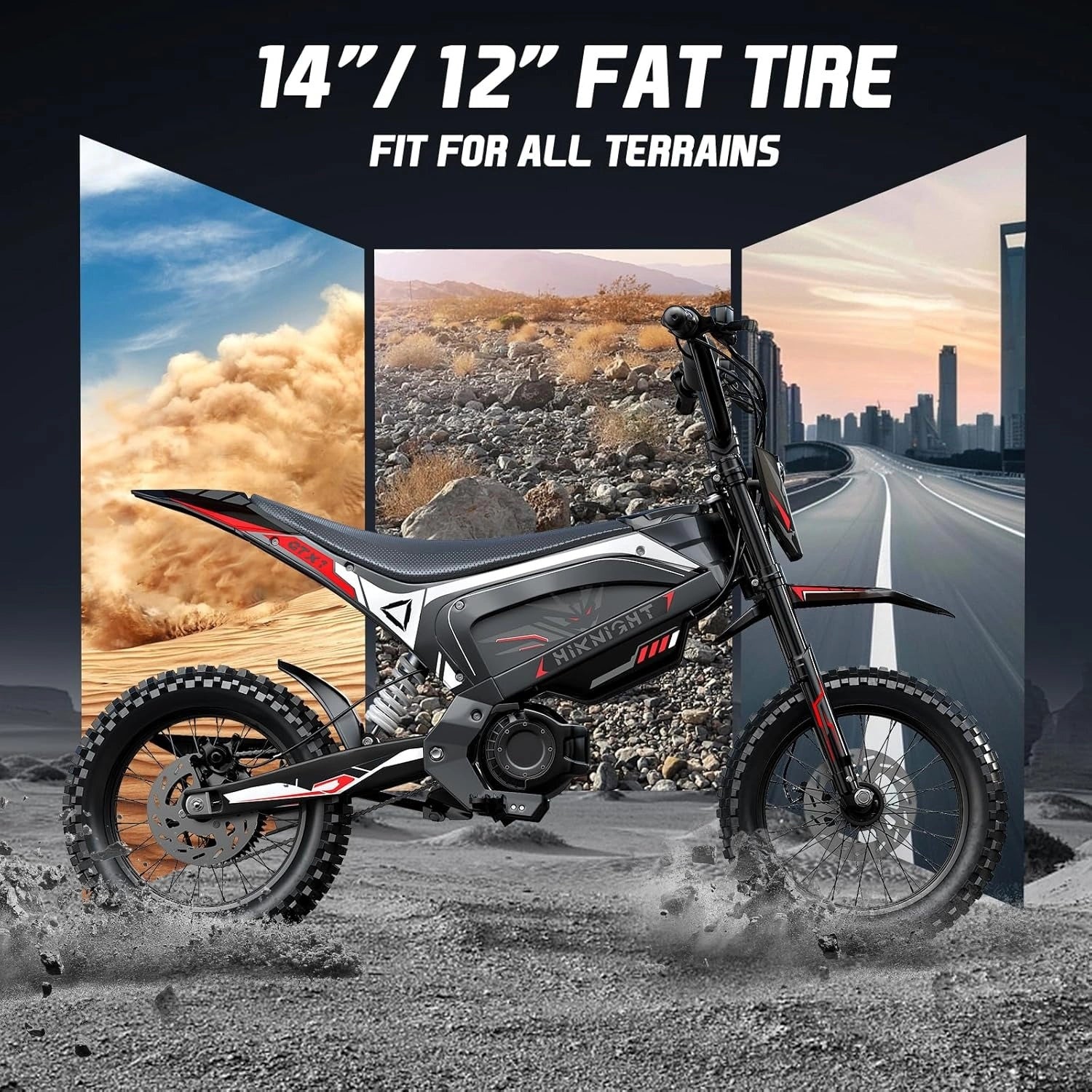
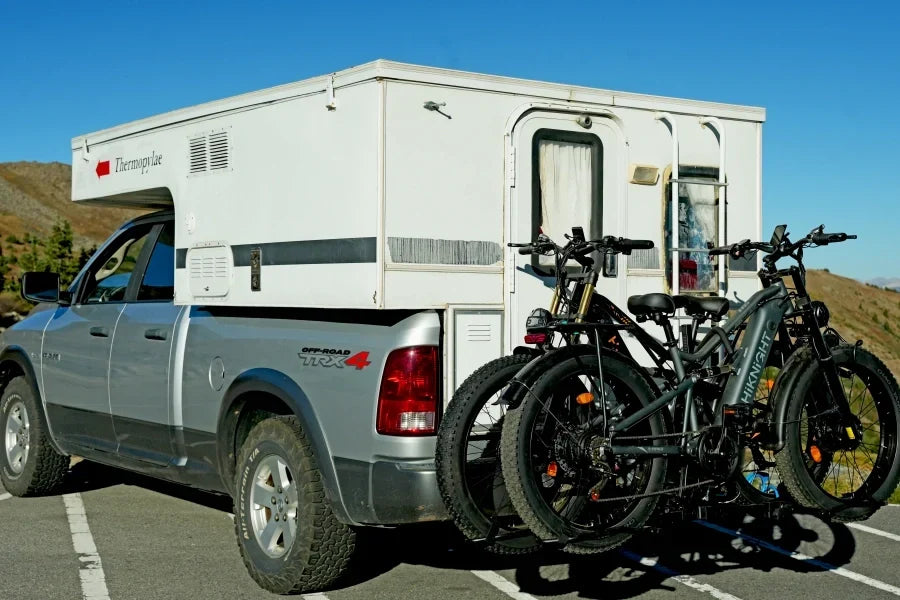
For daily commuting and urban paths, standard e-bikes fit right into traditional bicycle lanes. Meanwhile, high-performance electric bikes like the HiKNiGHT GTX1 offer elevated power and torque designed for off-road trails, private property, and designated OHV parks where high-wattage capability shines.
The 3-Class E-Bike System Explained
Most US states — including California — use a popular 3-Class system to categorize street-legal e-bikes. Here is a quick overview:
| Class | Assist Type | Max Motor-Assist Speed | Throttle Available? |
|---|---|---|---|
| Class 1 | Pedal-assist only | 20 mph | No |
| Class 2 | Pedal-assist + throttle | 20 mph | Yes |
| Class 3 | Pedal-assist only | 28 mph | No (varies by state) |
Class 1 and Class 2 e-bikes are widely welcomed on city bike paths and multi-use greenways, while Class 3 bikes excel on roadways and commuter lanes.
Electric Bike Laws in California (2026 Updates)

California continues to lead the nation in welcoming electric transportation while ensuring rider safety. Here are the key highlights for 2026:
Expanded Path Access (AB-1909)
Thanks to progressive legislation like AB-1909, California has broadened access for Class 1 and Class 2 e-bikes across regional bike paths and roadways, making daily commuting easier than ever.
2026 Battery Safety Standards (SB-1271)
California prioritizes battery safety. All quality electric bikes sold in California are encouraged to meet recognized UL certification standards (such as UL 2849 or UL 2271), ensuring peace of mind during charging and storage.
Age & Helmet Guidelines
- Class 1 & Class 2: Open to riders of all ages (riders under 18 must wear a helmet).
- Class 3: Designed for riders aged 16 and older (helmets required for all Class 3 riders).
E-Bike Rules by State: What to Know
Across North America, e-bike rules are rider-friendly and straightforward:
- Colorado & Texas: Treat e-bikes virtually identically to traditional bicycles, allowing easy access on paved paths and roadways without license or registration requirements.
- Florida: Broadly permits Class 1, 2, and 3 e-bikes on public roads and paths with no adult helmet mandates.
- Washington: Welcomes e-bikes on multi-use paths, maintaining standard safety guidelines for younger riders.
Where Can You Ride Your E-Bike?
City Streets & Bike Lanes
Standard e-bikes (Class 1–3) ride smoothly alongside traditional bicycles in dedicated bike lanes and public roads.
National Forests & BLM Lands
The USDA Forest Service and Bureau of Land Management (BLM) actively expand e-bike access. Non-motorized trails frequently welcome Class 1 and Class 2 e-bikes, while motorized OHV trails provide scenic space for higher-power models.
OHV Parks & Private Trails
Designated Off-Highway Vehicle (OHV) parks, backcountry dirt tracks, and private land offer unlimited riding freedom for high-power off-road electric bikes.
Helmet Guidelines: Keeping Riders Safe
Wearing a quality helmet is the smartest choice for any ride. Under California law:
- Helmets are mandatory for all riders under 18 across all bike types.
- Helmets are required for all Class 3 e-bike riders.
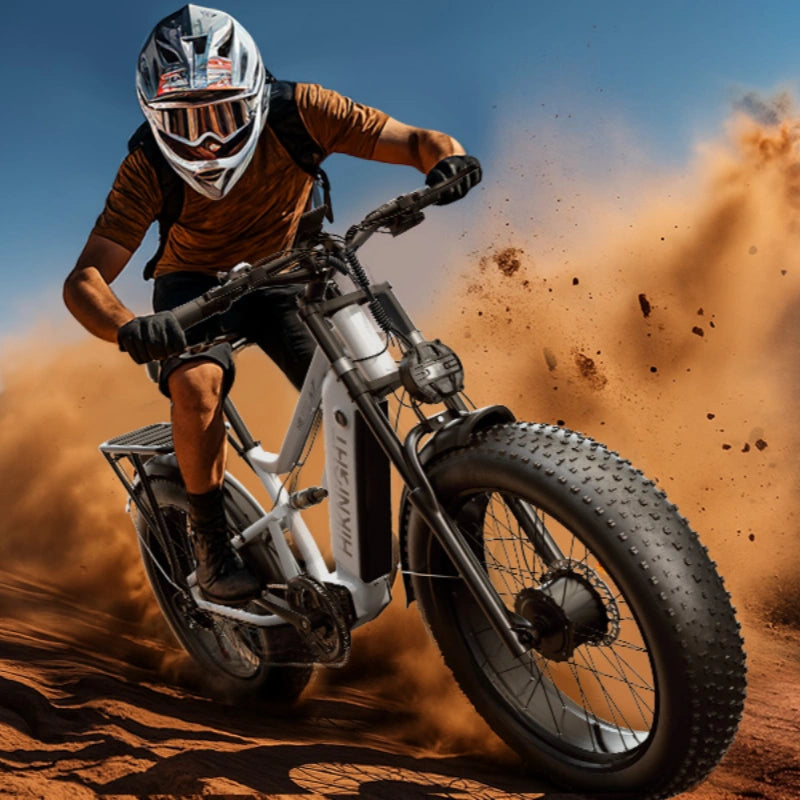
- For off-road trail riding at higher speeds, a full-face helmet and protective pads provide maximum confidence and comfort.
High-Performance Off-Road E-Bikes: Unlocking Backcountry Power
For riders who crave steep climbs, deep dirt trails, and pure adrenaline, traditional 750W commuter e-bikes might leave you wanting more. That is where high-performance off-road electric bikes step in.
Machines engineered for heavy-duty terrain — such as the HiKNiGHT GTX1 electric dirt bike — feature high-torque mid-drive systems and heavy-duty suspension built specifically for off-road excitement. Because they deliver massive power beyond typical city limits, these bikes belong to a specialized off-road category.

Riding Freedom for GTX1 Owners:
- Designated OHV Trails: Ride freely across thousands of miles of state and federal OHV recreation areas.
- Private Land & Off-Road Parks: Enjoy full torque, high speeds, and steep hill climbs with zero restrictions.
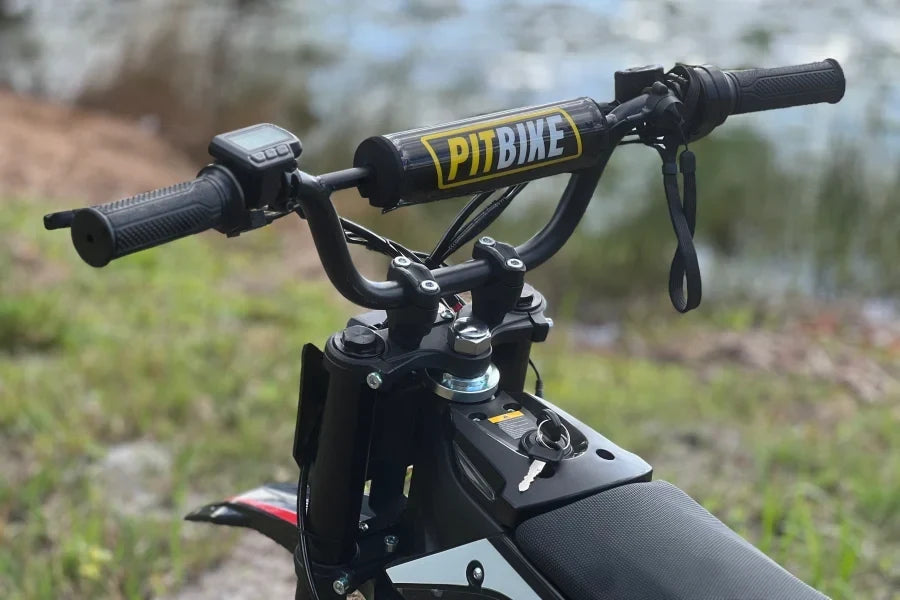
- Dual-Sport Versatility: Many enthusiasts enjoy using their GTX1 as an off-road pit bike, trail explorer, or dual-sport recreational vehicle.
Registration, Insurance & Rider Freedom
Standard Street E-Bikes (Class 1–3)
Enjoy hassle-free riding! Standard e-bikes require no driver’s license, no vehicle registration, and no mandatory insurance in California and most US states. Just hop on and ride.
High-Power Off-Road Bikes
If you own an off-road electric bike designed for private land or OHV parks, standard city bicycle rules don't restrict your fun. Depending on your state, you can ride in designated OHV areas or choose to register your bike as a moped/dual-sport for broader street flexibility.
How E-Bike Guidelines Evolve in 2026
Electric mobility is growing fast! To stay informed on local trail openings and park guidelines, check out resources like PeopleForBikes.org or your local park department website before planning your next weekend getaway.
FAQ
Do I need a driver's license to ride an e-bike in California?
No! California does not require a driver's license, vehicle registration, or state insurance for Class 1, Class 2, or Class 3 e-bikes.
How can I choose the best riding spots for my HiKNiGHT GTX1?
The HiKNiGHT GTX1 is built for high-performance off-road thrill. It shines brightest on designated OHV dirt trails, private off-road parks, mountain tracks, and open private land where its high torque and full suspension deliver unmatched performance.
What is the speed standard for city e-bikes in California?
Motor assistance is tuned to 20 mph for Class 1 and Class 2 e-bikes, and 28 mph for Class 3 models. You are always welcome to pedal faster under your own leg power!
Are high-power electric bikes safe and fun for off-road trails?
Absolutely! High-power electric dirt bikes provide instant torque for steep hill climbs and rocky trails. Equipped with proper safety gear (like a full-face helmet and pads), they offer one of the most exciting outdoor recreational experiences available today.
Do I need to wear a helmet on an e-bike?
In California, helmets are required for Class 3 riders and anyone under 18. For all off-road and high-speed trail riding, wearing a helmet is strongly recommended for safety and confidence.





Leave a comment
All comments are moderated before being published.
This site is protected by hCaptcha and the hCaptcha Privacy Policy and Terms of Service apply.