





Electric Bikes for Seniors: A Complete Guide to Choosing, Riding, and Staying Safe
Electric bikes for seniors are becoming one of the most popular transportation and recreation options for older adults. Whether you're looking to stay active, reduce joint strain, enjoy longer rides, or maintain independence, electric bikes for seniors can provide a safe and enjoyable solution. This guide explains what they are, why they help older riders, how to choose the right model, and what safety practices every senior should follow.

Quick Answer
Electric bikes for seniors are bicycles equipped with electric motors that assist pedaling, making riding easier and less physically demanding. Seniors typically benefit from step-through frames, upright riding positions, comfortable saddles, hydraulic brakes, and reliable battery range. A well-chosen eBike can help older adults stay active, improve mobility, and enjoy outdoor activities with less strain on knees and joints.
Table of Contents
- What Are Electric Bikes for Seniors?
- Why Seniors Choose Electric Bikes
- Important Features to Look For
- Comparison Table
- Pros and Cons
- How to Choose an Electric Bike
- Safety Tips for Senior Riders
- eBike Laws and Regulations
- Expert Tips
- FAQ
What Are Electric Bikes for Seniors?
Electric bikes for seniors are electric-assisted bicycles designed to provide easier riding experiences for older adults. Unlike traditional bicycles, eBikes use a battery-powered motor to help riders pedal, reducing physical effort while maintaining the health benefits of cycling.
Many senior riders prefer bikes with:
- Low-step or step-through frames
- Comfortable upright seating positions
- Wide saddles
- Easy-to-read displays
- Hydraulic braking systems
- Fat tires for added stability
- Long battery range
These features make riding more accessible for individuals who may experience reduced mobility, balance concerns, or joint discomfort.
Why Seniors Choose Electric Bikes
1. Reduced Joint Stress
Pedal assistance reduces strain on knees, hips, and ankles. Riders can continue cycling even when facing age-related mobility challenges.
2. Improved Cardiovascular Health
Research consistently shows that moderate cycling can support heart health, circulation, and overall fitness. Electric assistance allows seniors to maintain regular physical activity without excessive exertion.
3. Greater Independence
Many older adults use eBikes for local errands, recreational rides, and social activities. Electric assistance helps extend riding range and confidence.
4. Longer Riding Distance
With battery support, riders can travel farther than they typically would on a conventional bicycle while experiencing less fatigue.
5. Better Mental Well-Being
Outdoor exercise is associated with improved mood, reduced stress, and enhanced cognitive engagement.

Important Features to Look For
Step-Through Frame
A step-through design allows riders to mount and dismount more easily. This is often considered one of the most important features for seniors.
Comfortable Geometry
An upright riding posture reduces neck, shoulder, and back strain.
Hydraulic Brakes
Hydraulic disc brakes provide stronger and more predictable stopping performance compared with traditional rim brakes.
Wide Tires
Fat tires or wider tires increase stability and traction on different surfaces.
Battery Range
Many seniors prefer a range of 40 to 80+ miles, allowing for longer recreational rides without range anxiety.
Display Visibility
A large, high-contrast display makes it easier to monitor speed, battery level, and assistance settings.
Electric Bike Features Comparison
| Feature | Why It Matters for Seniors | Recommended |
|---|---|---|
| Frame Style | Easier mounting and dismounting | Step-Through |
| Brakes | Improved stopping power | Hydraulic Disc |
| Tires | Stability and traction | 3-4 inch width |
| Battery Range | Longer riding distance | 50+ Miles |
| Display | Easy information access | Large LCD |
| Seat | Comfort during long rides | Wide Cushion Saddle |
Pros and Cons of Electric Bikes for Seniors
Pros
- Less physical strain during rides
- Supports active lifestyles
- Allows longer distances
- Improves confidence on hills
- Can replace short car trips
- Encourages outdoor activity
Cons
- Heavier than traditional bicycles
- Requires battery charging
- Higher purchase cost
- May require storage space
- Learning curve for new riders
How to Choose the Right Electric Bike
Step 1: Evaluate Your Physical Needs
Consider flexibility, balance, riding experience, and mobility limitations.
Step 2: Choose the Correct Frame
Most seniors benefit from a step-through frame because it minimizes the need to lift a leg over a high top tube.
Step 3: Determine Riding Style
- Neighborhood riding
- Commuting
- Paved trails
- Outdoor adventures
- Mixed-terrain recreation
Step 4: Consider Motor and Battery Requirements
Riders who frequently encounter hills or heavier loads may benefit from higher-torque motors and larger batteries.
Step 5: Prioritize Comfort Features
Comfort often matters more than speed for senior riders. Adjustable handlebars, suspension systems, and ergonomic saddles can significantly improve the riding experience.
Example: Senior-Friendly Features in a Modern eBike
When evaluating electric bikes for seniors, practical comfort and accessibility features often matter more than raw power.
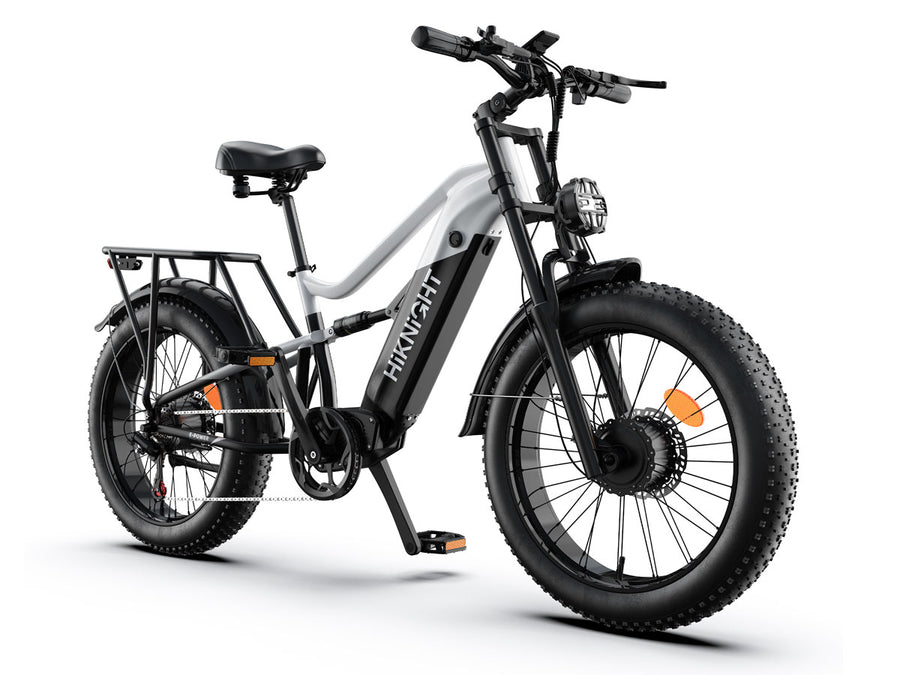
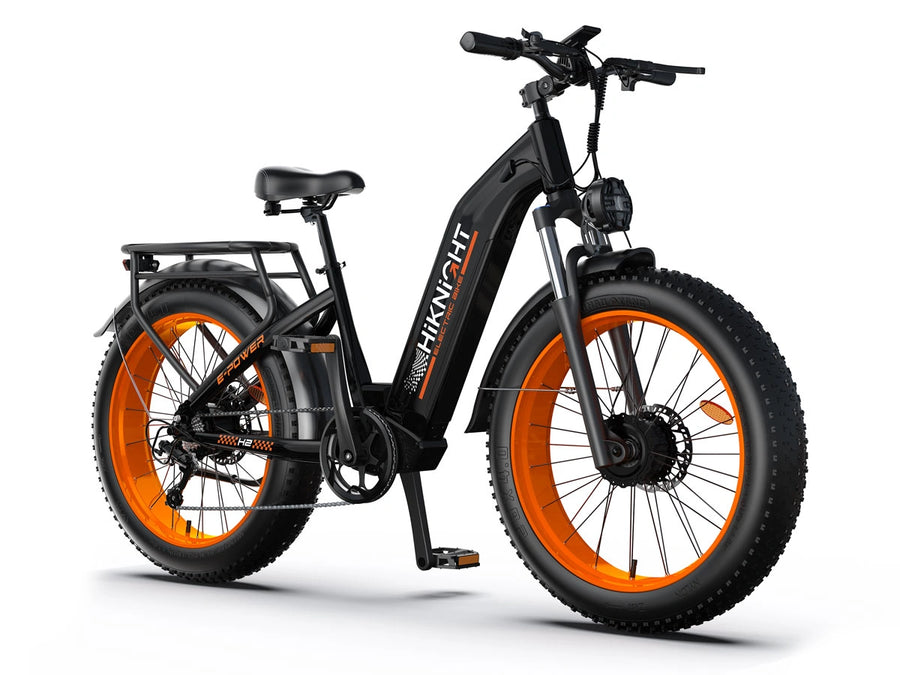
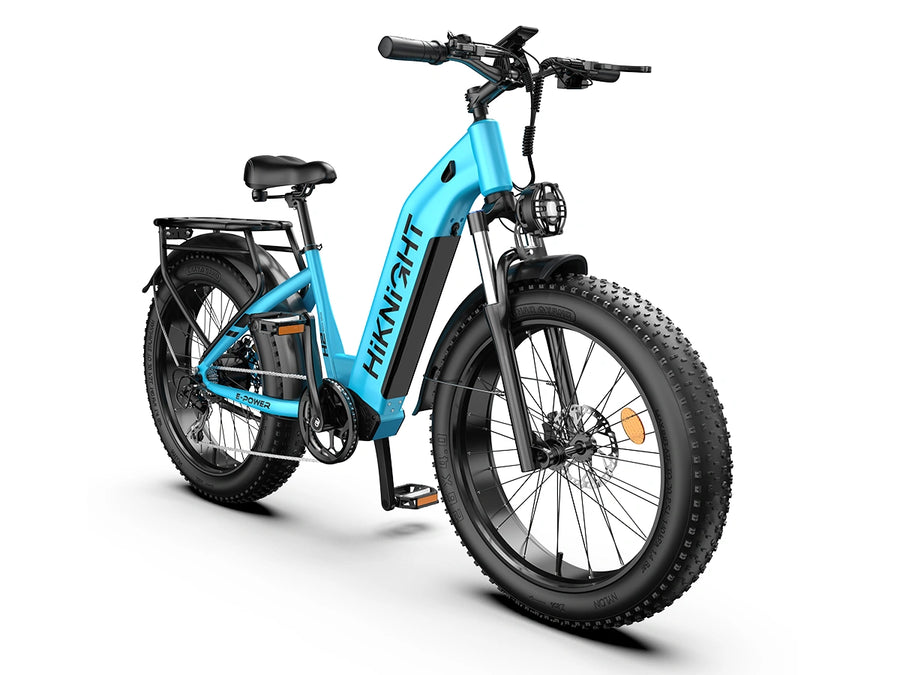
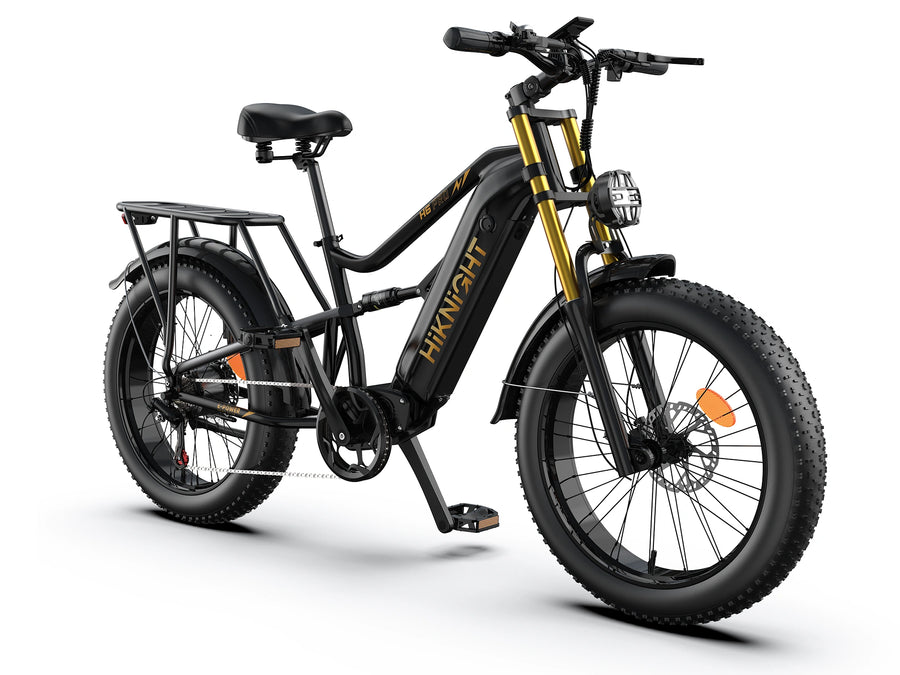
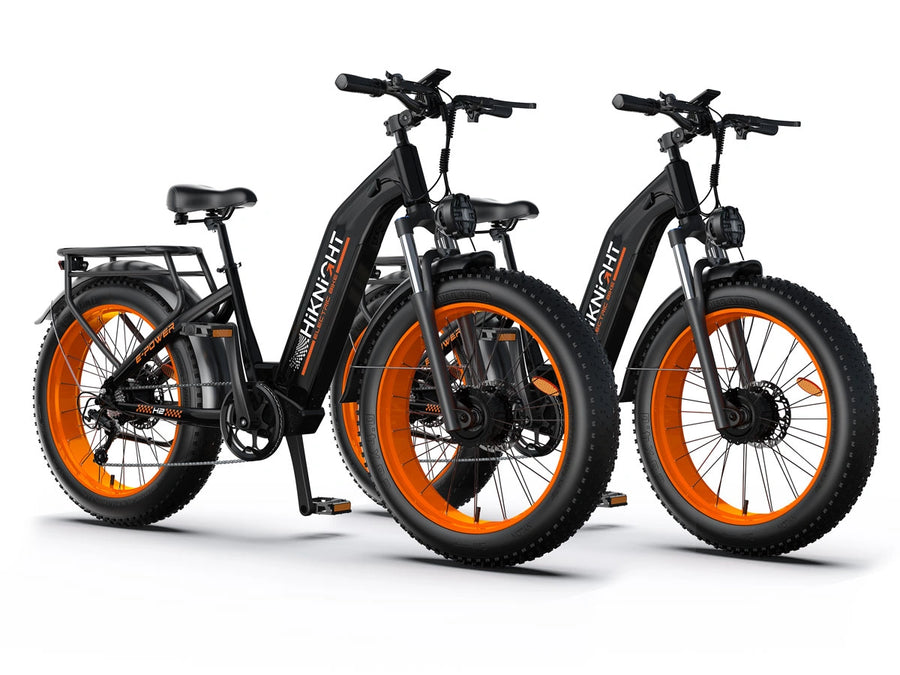
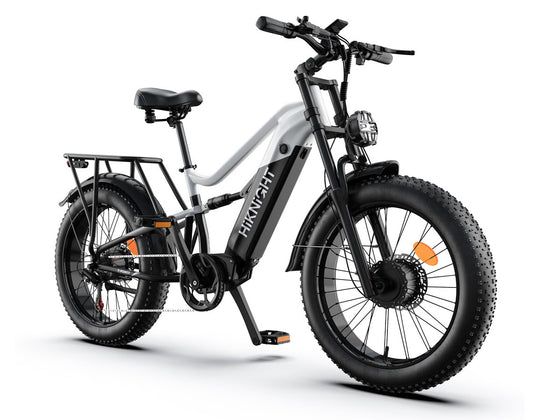
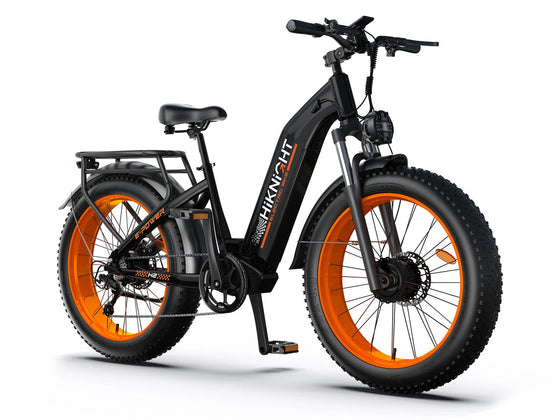
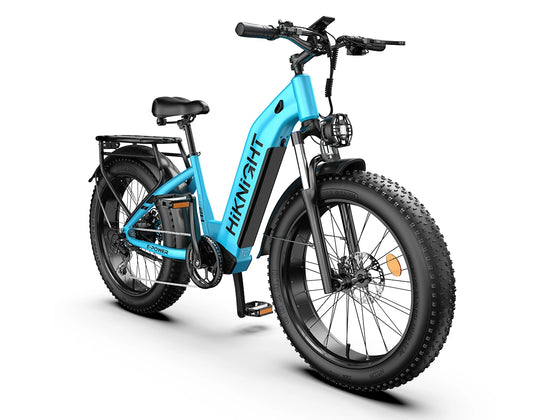
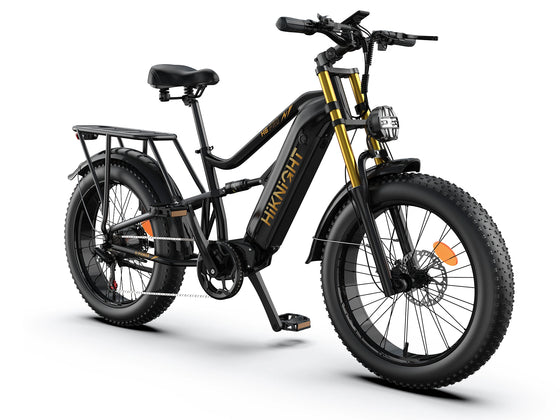
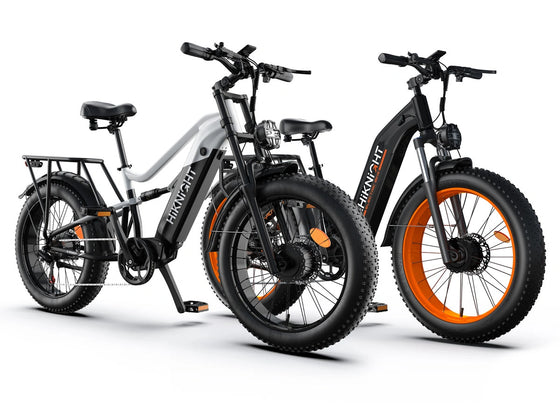
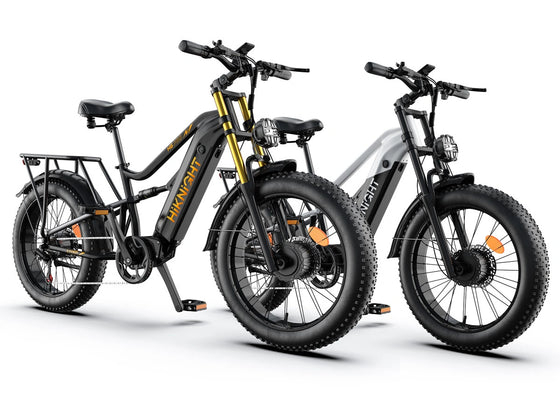
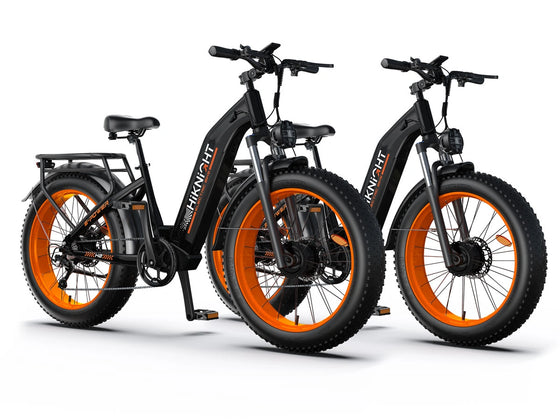
For example, the HiKNiGHT H2PRO includes a low-step frame design, adjustable suspension fork, hydraulic brakes, adjustable seat and handlebars, bright lighting system, and easy-to-use controls.
While its powerful dual-motor system is designed for riders who enjoy outdoor adventures, many older riders may appreciate the step-through access, stable 26x4-inch tires, comfortable geometry, and enhanced visibility features.
Safety Tips for Senior Riders
Wear a Proper Helmet
Always wear a bicycle helmet that meets current safety standards.
Start Slowly
New riders should begin with lower assistance settings and practice in quiet areas.
Check Tire Pressure
Proper tire inflation improves handling and stability.
Use Lights and Reflectors
Visibility is critical when riding near traffic or during low-light conditions.
Practice Emergency Braking
Become familiar with stopping distances and brake response before longer rides.
Understanding eBike Laws and Regulations
In the United States, many states recognize a three-class eBike system:
- Class 1: Pedal-assist only, up to 20 mph
- Class 2: Throttle-assisted, up to 20 mph
- Class 3: Pedal-assist up to 28 mph
Local regulations may vary. Riders should always check state and municipal laws regarding helmet requirements, trail access, and speed restrictions.
Before purchasing an electric bicycle, review applicable regulations in your area and verify where eBikes are permitted.
Expert Tips for Seniors
Choose Comfort Over Speed
A comfortable bike encourages regular riding and improves long-term enjoyment.
Ride Consistently
Frequent shorter rides often provide more benefits than occasional long rides.
Keep the Battery Charged
Following manufacturer charging recommendations helps maximize battery lifespan.
Schedule Maintenance
Regular inspections of brakes, tires, drivetrain components, and electrical systems improve safety and reliability.
Use Appropriate Assist Levels
Higher assist settings are useful on hills, while lower settings help extend battery range and encourage light exercise.
Key Facts About Electric Bikes for Seniors
- Electric assistance reduces pedaling effort.
- Step-through frames are often preferred by older riders.
- Hydraulic brakes improve stopping confidence.
- Fat tires can enhance stability.
- Regular cycling may support cardiovascular health.
- Modern eBikes can provide ranges exceeding 50 miles.
Conclusion
Electric bikes for seniors offer a practical way to remain active, independent, and engaged in outdoor activities. The best choice depends on comfort, safety, accessibility, and intended riding style. Features such as step-through frames, hydraulic brakes, stable tires, and ergonomic design often contribute more to rider satisfaction than maximum speed.
By focusing on safety, comfort, and proper fit, older adults can enjoy the physical and mental benefits of cycling while reducing strain and extending their riding capabilities.
Frequently Asked Questions
Are electric bikes safe for seniors?
Yes. When properly fitted and ridden responsibly, electric bikes can be a safe transportation and recreation option for older adults.
What is the best frame style for seniors?
Most seniors prefer step-through frames because they are easier to mount and dismount.
How far can seniors ride on an electric bike?
Range depends on battery size, terrain, rider weight, and assistance level, but many modern eBikes can travel 40-90 miles per charge.
Do seniors need a license to ride an eBike?
In many U.S. states, electric bicycles do not require a driver's license, although regulations vary by location.
Are fat tire electric bikes good for seniors?
Fat tire bikes can provide additional stability and comfort, especially on uneven surfaces.
Can electric bikes help older adults stay active?
Yes. Electric bikes encourage regular physical activity while reducing strain and making cycling accessible to a wider range of riders.
Share:
Personalized Father's Day Gifts: Meaningful Ideas Every Dad Will Appreciate in 2026
Warranty Service Explained: What It Is, How It Works, and Why It Matters