



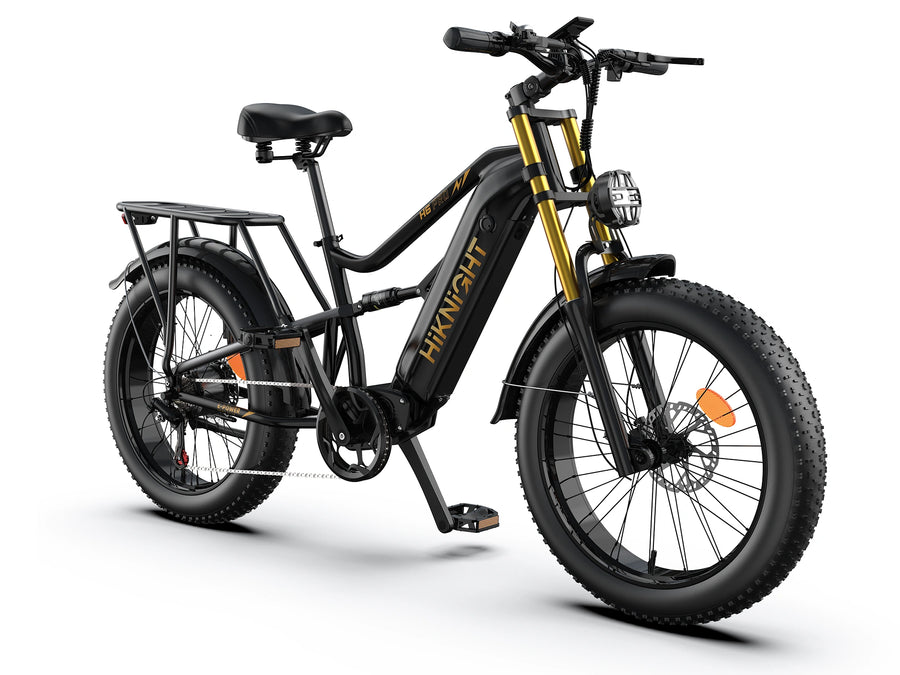

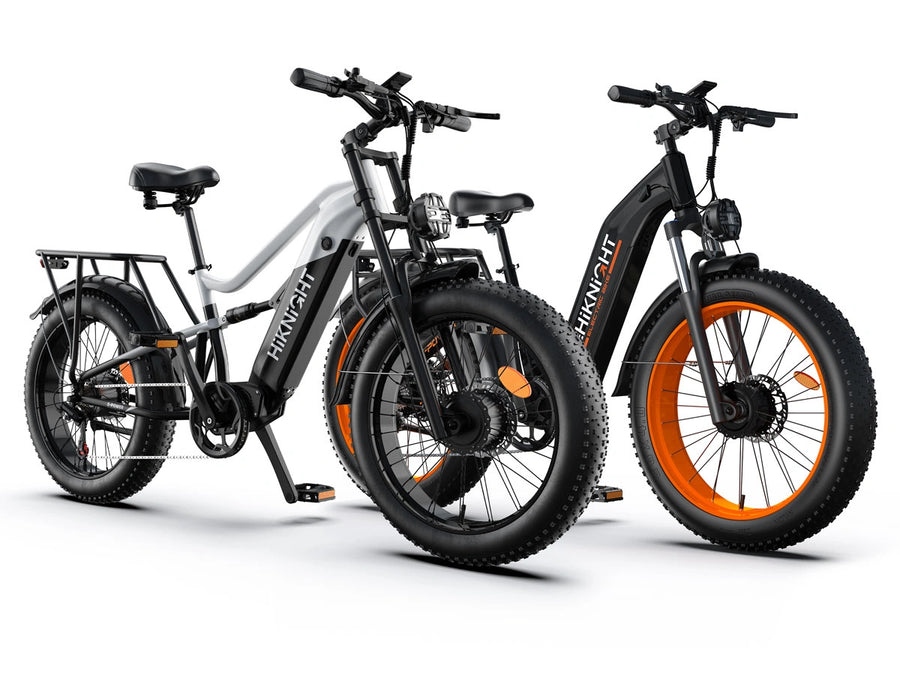
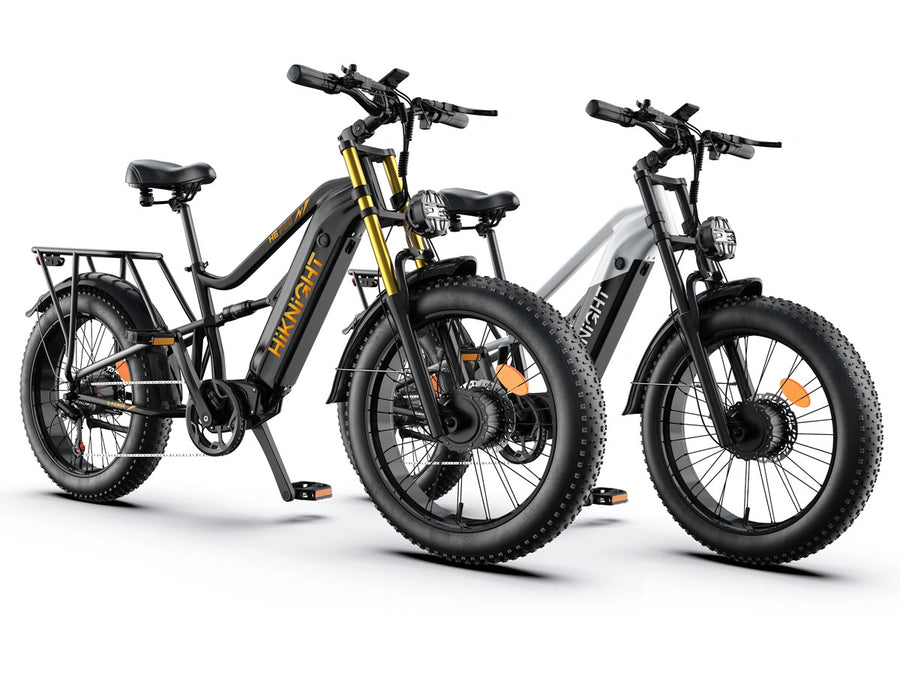
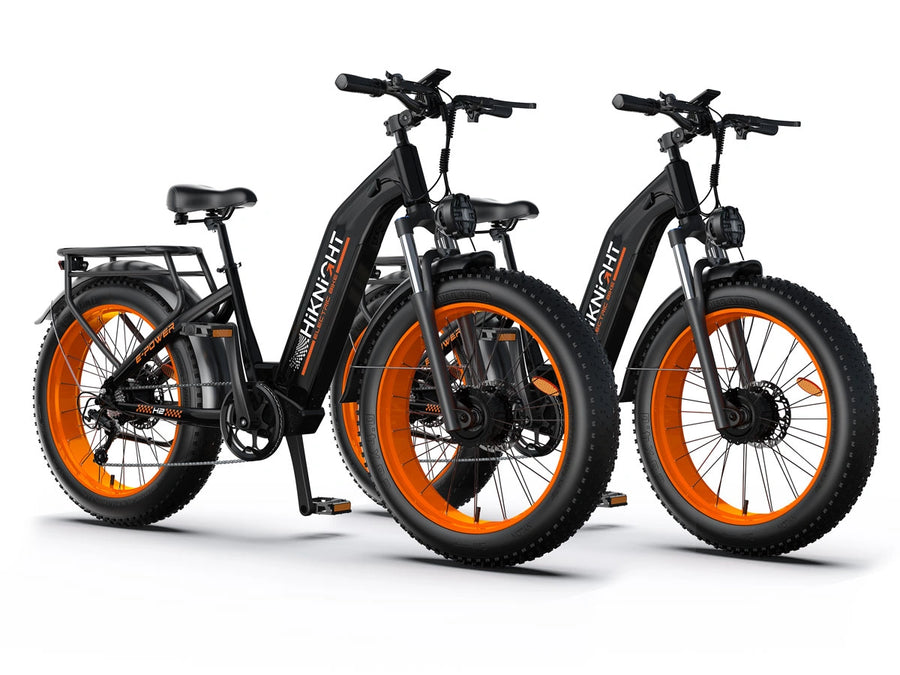

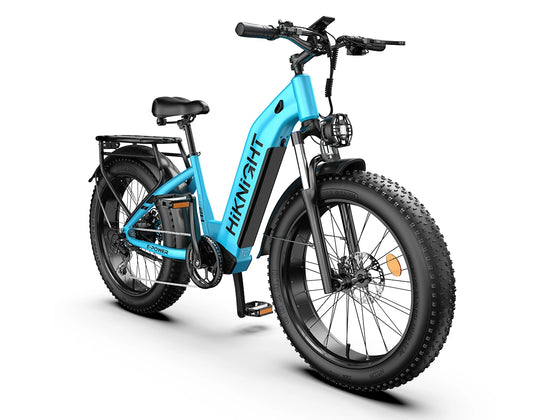
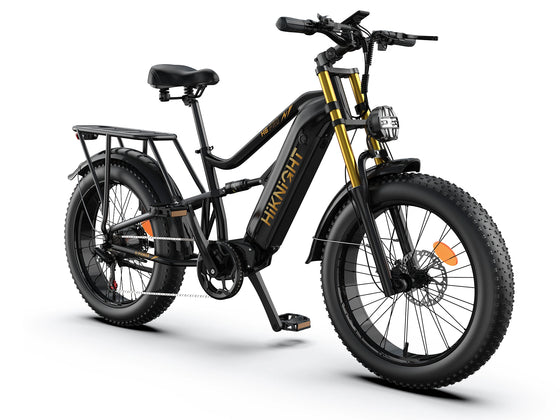
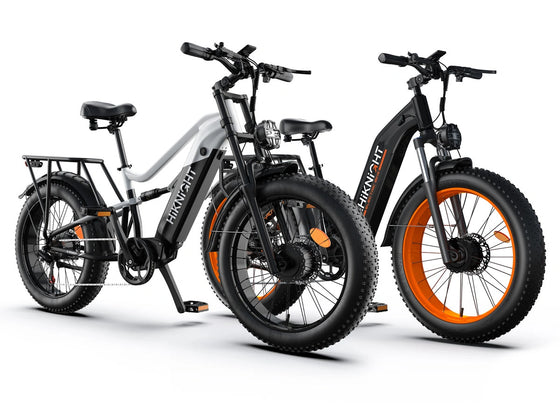
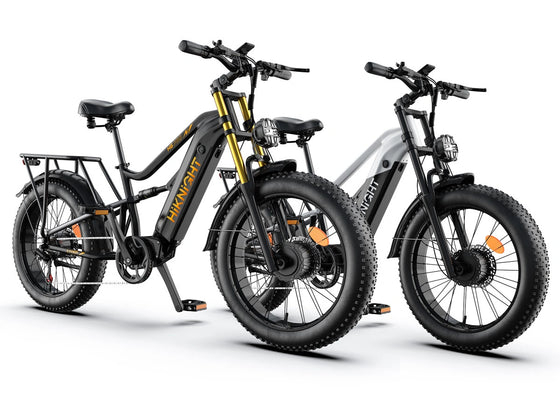
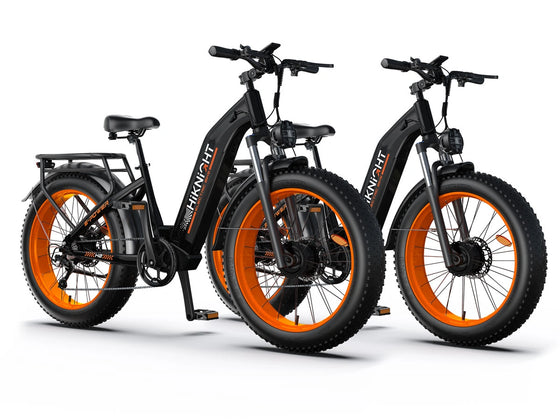
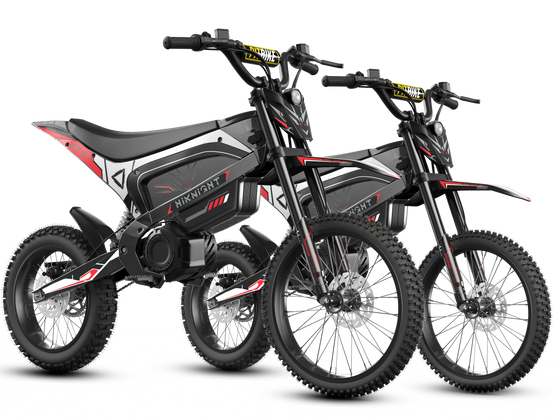
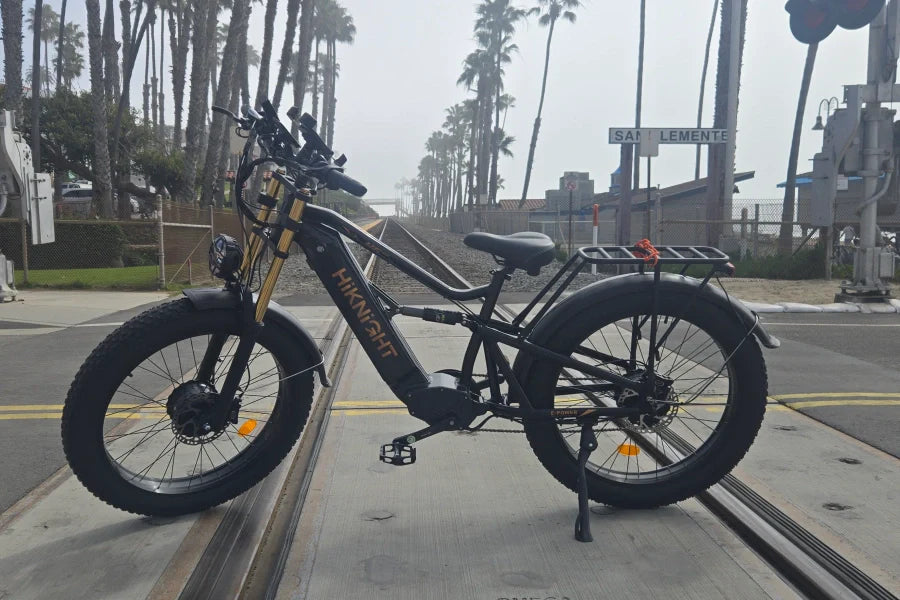
In the hierarchy of electric vehicle design, the transition from rigid frames to sophisticated full suspension electric bike architectures represents a pivotal shift in off-road dynamics. This analysis moves beyond surface-level aesthetics to examine the core mechanical principles—damping ratios, torque vectoring, and thermal management—that dictate performance in modern dual-drive systems.
1. Kinematics of Dual-Linkage Suspension
The primary function of a full suspension electric bike is to decouple the rider's mass from the unsprung weight of the wheels. This is achieved through a controlled compression-rebound cycle. In professional configurations, the front fork handles longitudinal impact absorption, while the rear suspension manages vertical displacement during high-torque acceleration.
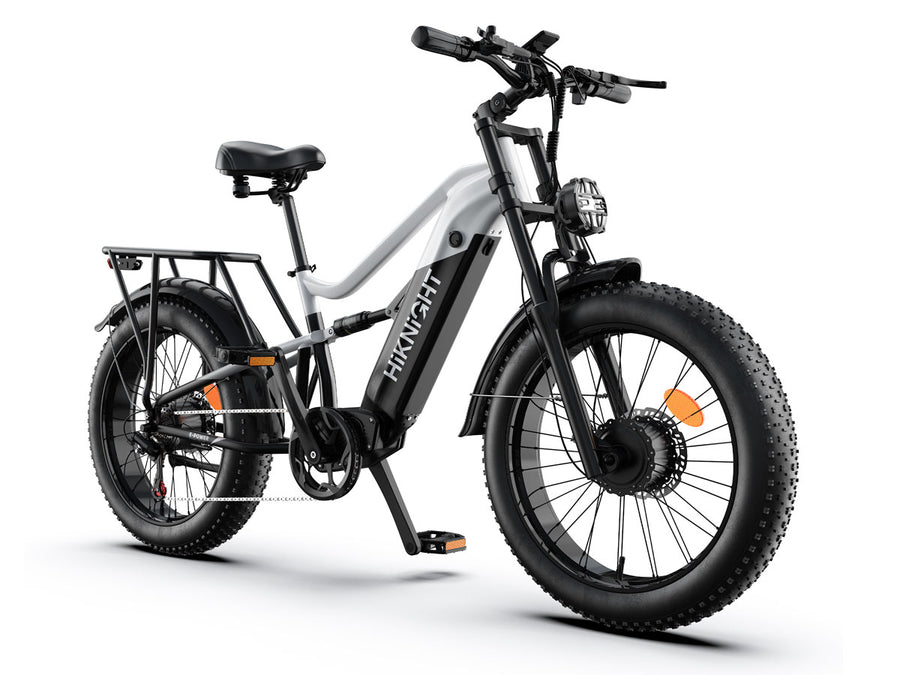
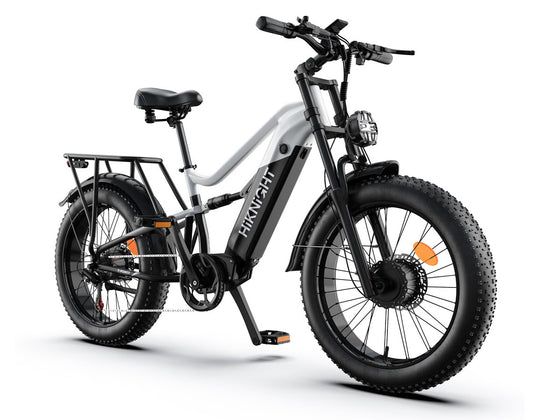
The H6 PRO technical frame utilizes a dual-shock system that is critical for maintaining traction on uneven surfaces. For advanced users, the rear shock can be upgraded to an adjustable damping unit. This allows the rider to modify the hydraulic resistance, preventing the "energy bob" effect during steep climbs—a common flaw in lower-tier suspension designs.

Figure 1.1: Rear-linkage geometry optimized for 180Nm torque throughput.
2. All-Wheel Drive: Torque Distribution Dynamics
Traction is a finite resource. In a traditional rear-drive e-bike, the rear tire must handle both the weight load and 100% of the motor’s propulsion, often leading to wheel slip in loose terrain. The AWD (All-Wheel Drive) system of the H6 PRO 3000W configuration mitigates this by distributing power across two 1500W motors.
Technically, this results in a combined 180Nm of torque. When climbing 45° inclines, the front motor "pulls" the bike over obstacles while the rear motor provides the foundational push. This synergy ensures that the 24*4 inch fat tires maintain a consistent contact patch, regardless of terrain saturation (mud, sand, or snow).
3. Electrical Architecture: 52V Efficiency Analysis
Engineering a long-range full suspension electric bike requires balancing voltage against thermal overhead. While 48V systems are ubiquitous, the H6 PRO’s 52V 20Ah battery architecture offers a 7-10% increase in power efficiency. This higher nominal voltage allows the dual motors to reach their 38MPH peak speed with less current draw, reducing the heat generated in the controllers.
From a technical longevity standpoint, this means the cells undergo fewer deep-discharge cycles, directly correlating to a sustained range of 65-90 miles. The integration of a dual-motor toggle switch further allows the rider to manage energy consumption based on real-time aerodynamic drag and incline data.
4. Structural Ergonomics and Load Distribution
The H6 PRO’s aluminum alloy frame is designed with a "relaxed-upright" geometry, catering to a broad rider demographic (165cm to 195cm). The adjustable handlebar and seat height are not merely comfort features; they are ergonomic necessities for maintaining a balanced center of gravity.
With a maximum load capacity of 380LBS, the frame stresses are distributed through reinforced pivot points. This ensures that even at maximum deflection, the full suspension electric bike maintains its structural alignment, preventing the "speed wobble" often associated with high-power off-road bikes.
5. IPX6 Sealing and Environmental Resilience
For a technical machine, moisture is the enemy of electronics. The H6 PRO’s IPX6 rating signifies that the system can withstand high-pressure water jets from any direction. This is achieved through industrial-grade gaskets at the battery interface and sealed connectors for the LCD smart display. This resilience is what separates hobbyist toys from professional-grade outdoor equipment.
Engineering FAQ
A: Using dual motors allows for better heat dissipation and All-Wheel Drive traction. It also provides redundancy; if one system encounters an issue, the other can still operate.
A: 52V systems provide higher torque and higher top speeds with less battery strain, improving overall energy efficiency and system life.
A: The H6 PRO features a standard high-performance rear shock, which can be upgraded to a fully adjustable version for riders who want to fine-tune their rebound and compression settings.
Share:
Best Electric Dirt Bike for 12-Year Old: Why GTX1 is the #1 Summer Gift
Personalized Father's Day Gifts: Meaningful Ideas Every Dad Will Appreciate in 2026