






Buying an electric bicycle is only the first step. Long-term performance depends on something many riders overlook: proper maintenance.
Electric bicycle maintenance isn’t complicated, but it is systematic. Batteries need thoughtful charging habits. Drivetrains require regular cleaning. Brakes demand inspection before they fail. Suspension components benefit from periodic care.
Whether you ride daily or only on weekends, learning how to maintain your e-bike correctly will extend its lifespan, preserve battery health, and protect your investment.
This guide explains everything adult riders need to know—from daily checks to seasonal servicing—so your electric bicycle continues to perform as intended.
What Does Electric Bicycle Maintenance Actually Include?
Electric bicycle maintenance combines traditional bicycle care with several electrical components.
- Battery storage and charging habits
- Motor and controller protection
- Drivetrain cleaning and lubrication
- Brake inspection and adjustment
- Tire pressure and wear monitoring
- Suspension performance checks
- Frame and fastener inspection
Neglecting any one area doesn’t usually cause immediate failure—but over time, small issues compound.
Daily and Pre-Ride Checks (2 Minutes That Matter)
Tire Pressure
Underinflated tires increase rolling resistance and strain motors. Overinflated tires reduce grip. Use a gauge and stay within the manufacturer’s recommended PSI range.
Brake Function
Squeeze both levers. If either feels soft or pulls too close to the handlebar, adjust before riding.
Battery Mount and Charge Level
Confirm the battery is secure and sufficiently charged for your planned distance.
Visual Inspection
Look for loose bolts, damaged cables, or unusual noises. Catching problems early prevents expensive repairs.
Weekly Maintenance: Clean, Inspect, Protect
Frame and Components Cleaning
Use mild soap and low-pressure water. Avoid direct spraying at bearings, electrical connectors, and displays. Wipe down afterward to prevent corrosion.
Drivetrain Care
Clean the chain, cassette, and chainring with a bike-specific degreaser. Reapply lubricant once dry. A clean drivetrain improves efficiency and reduces wear.
Tire Condition
Check for embedded debris, sidewall cracks, or uneven wear patterns.
Monthly Maintenance: Performance Preservation
Brake Adjustment
Inspect pad thickness and rotor alignment. Hydraulic brakes may require bleeding if lever feel changes.
Bolt Torque
Vibration loosens fasteners over time. Periodically check stem, handlebars, seatpost, and suspension pivots.
Software and Display Check
Some modern e-bikes allow firmware updates or system diagnostics. Verify that displays and control buttons function properly.
Battery Care: The Heart of Electric Bicycle Maintenance
- Avoid deep discharges whenever possible
- Store batteries between 20%–80% if unused for long periods
- Keep batteries at room temperature
- Never charge immediately after hard riding—let it cool first
Extreme heat and full-charge storage accelerate capacity loss. Riders who follow proper battery habits often double usable lifespan.
Motor and Electronics: Simple Protection Goes a Long Way
Electric motors require little direct servicing, but they do benefit from protection.
Avoid prolonged water exposure. After wet rides, wipe motor housings and connectors.
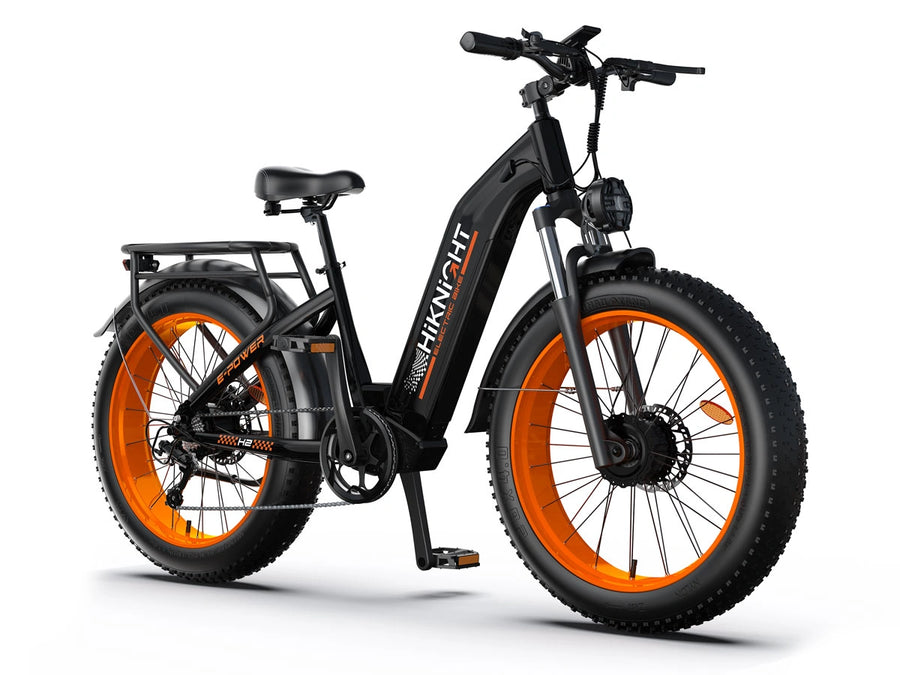
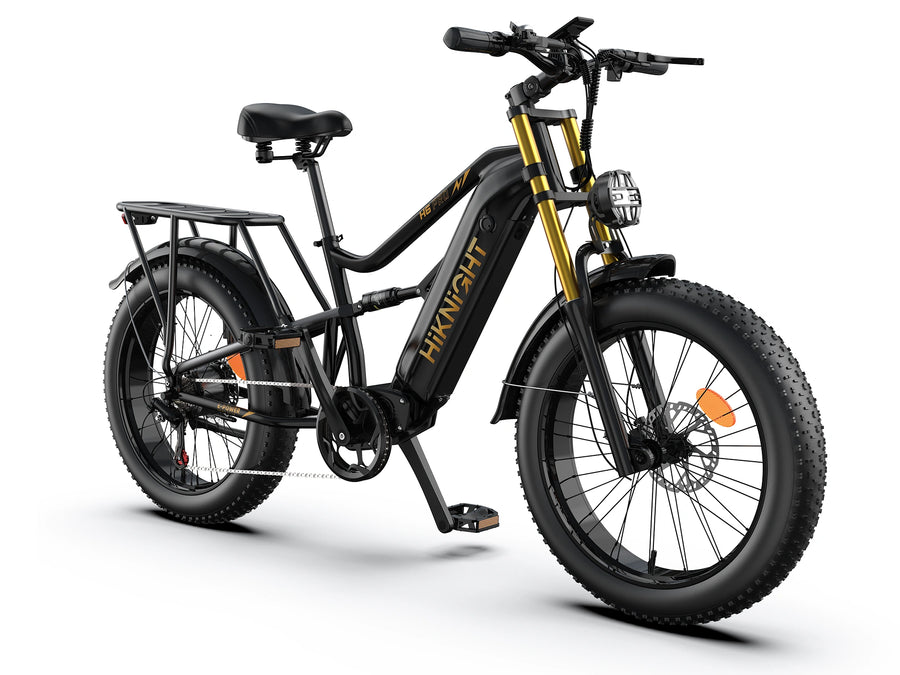
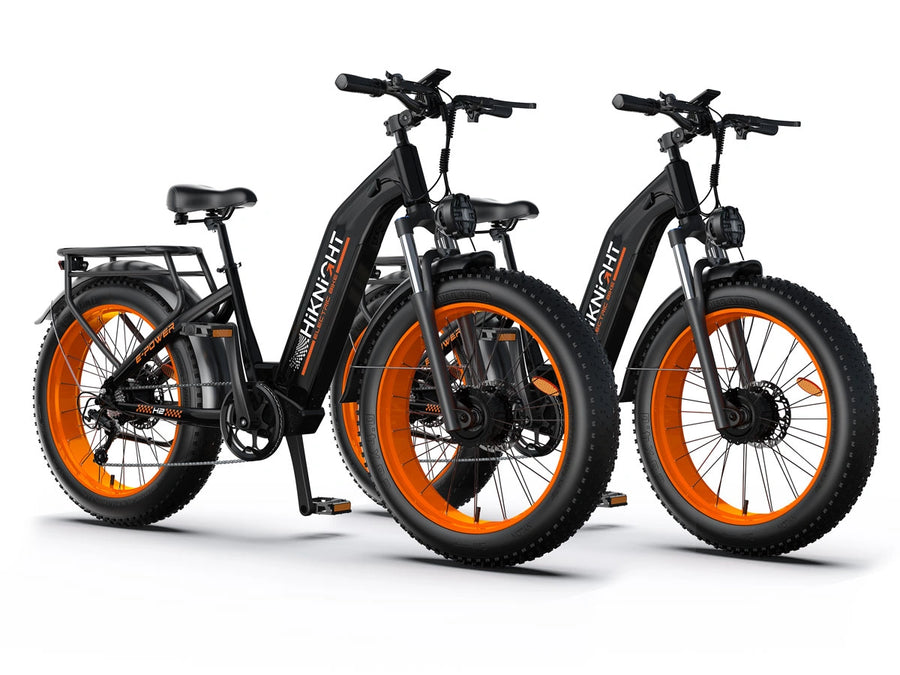
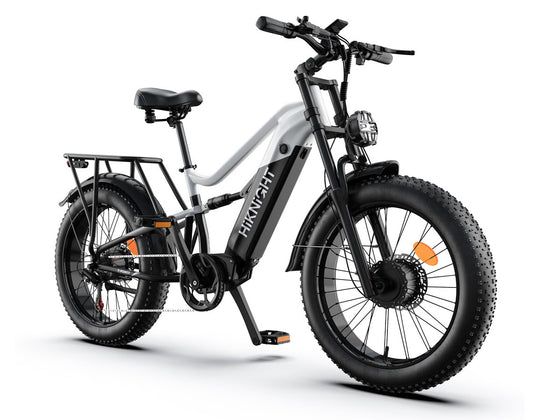
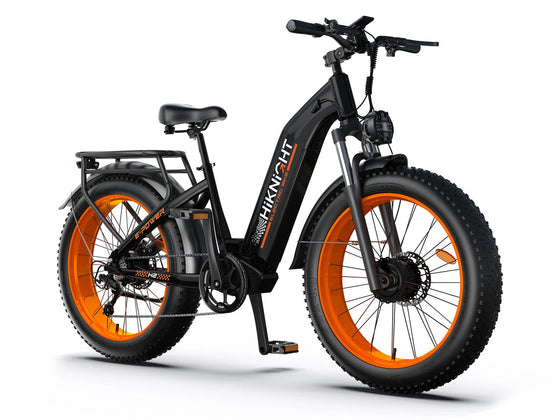
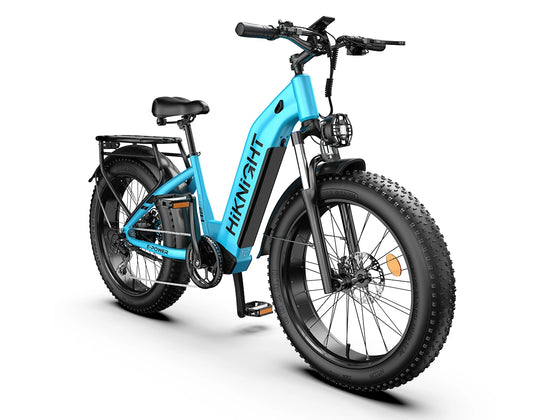
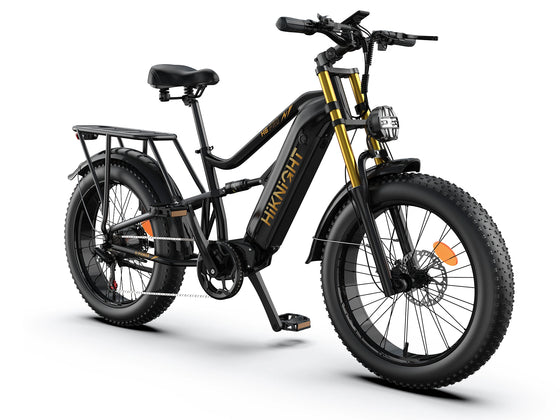
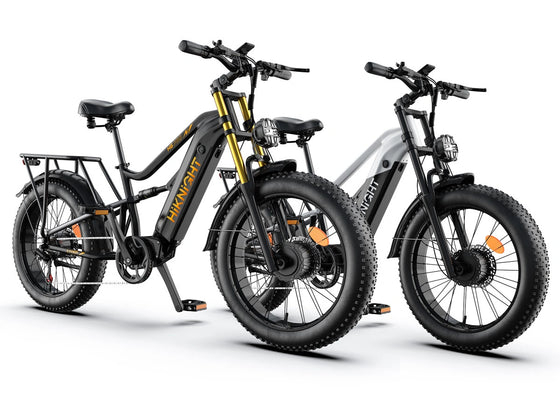
If your e-bike uses dual motors—as seen on performance models like the HiKNiGHT H2 Pro and H6 Pro—balanced tire pressure becomes even more important for consistent power delivery.
Suspension and Comfort Components
Fat-tire e-bikes often include hydraulic suspension. While internal servicing should be handled by professionals, riders can keep stanchions clean, check air pressure, and inspect for oil residue.
Common Maintenance Mistakes New Riders Make
- Storing batteries fully charged for months
- Never cleaning drivetrains
- Ignoring brake pad wear
- Using pressure washers
- Riding with chronically low tire pressure
Maintenance Costs vs Bike Quality: Why Your Initial Choice Matters
Cheaper e-bikes often require more frequent repairs due to lower-grade components.
Well-built models with reinforced frames, hydraulic brakes, and quality suspension reduce ownership costs over time.
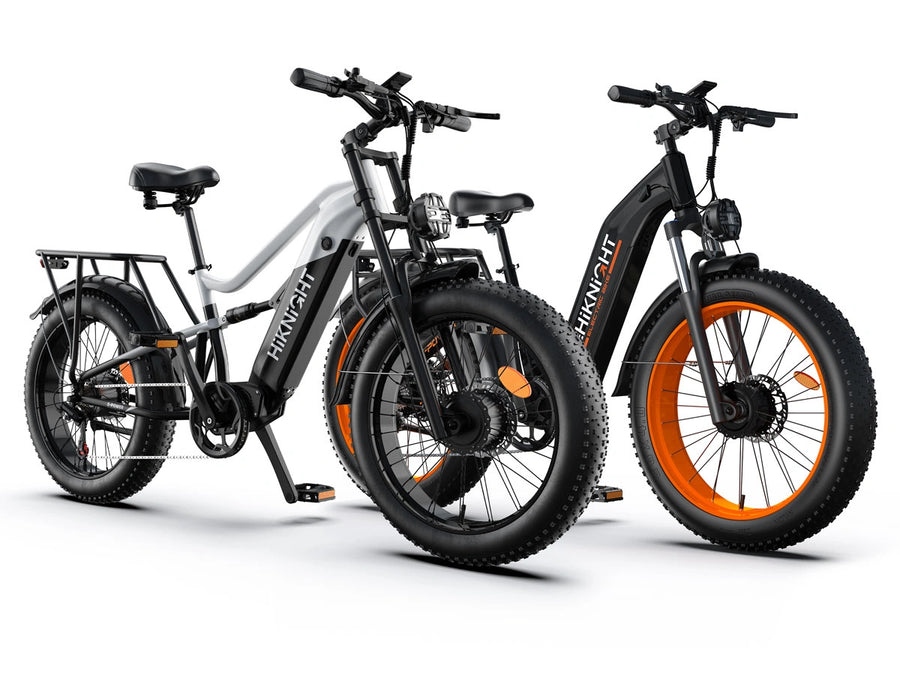
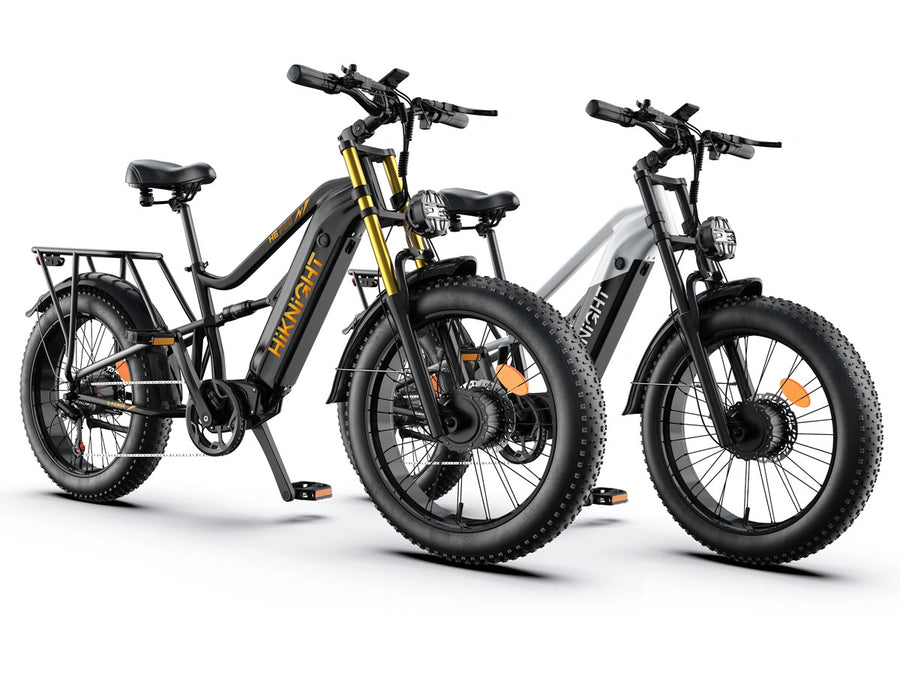
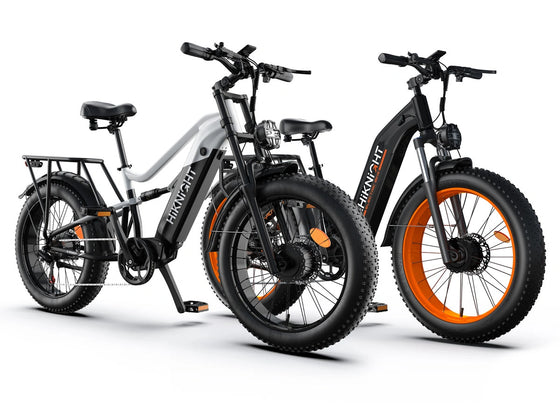
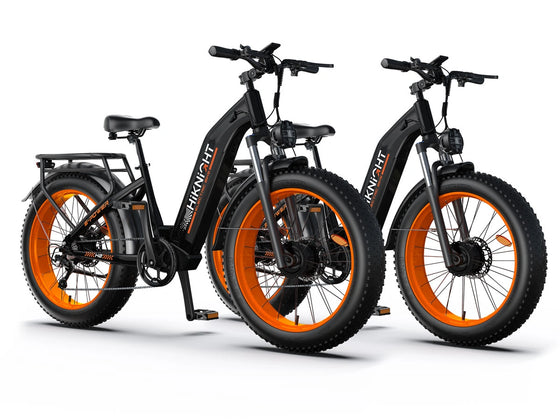
This is why many riders gravitate toward performance-focused brands such as HiKNiGHT.
Models like the HiKNiGHT H2 Pro balance dual-motor capability with everyday usability, while the HiKNiGHT H6 Pro leans toward more aggressive off-road riding.
Seasonal Maintenance Checklist
Spring
- Full drivetrain cleaning
- Battery health check
- Brake inspection
Summer
- Monitor tire pressure more frequently
- Avoid charging in hot environments
Fall
- Inspect suspension
- Prepare battery for cooler temperatures
Winter
- Reduce exposure to road salt
- Dry bike thoroughly after wet rides
- Store battery partially charged indoors
When to Visit a Professional Shop
- Brake bleeding
- Suspension rebuilding
- Motor diagnostics
- Controller replacement
Annual professional inspections often prevent larger failures.
Final Thoughts
Electric bicycle maintenance isn’t about perfection—it’s about consistency.
Simple routines protect your battery, preserve performance, and ensure every ride feels as good as the first.
Whether you’re commuting daily or exploring trails on weekends, proper care transforms an electric bicycle from a purchase into a long-term companion.
Share:
Electric Motor Bike Guide for Teens: Laws, Safety, and How to Choose the Right Ride
Ebike Transportation: A Practical Guide for Adult Riders Who Want Freedom Without Compromise