

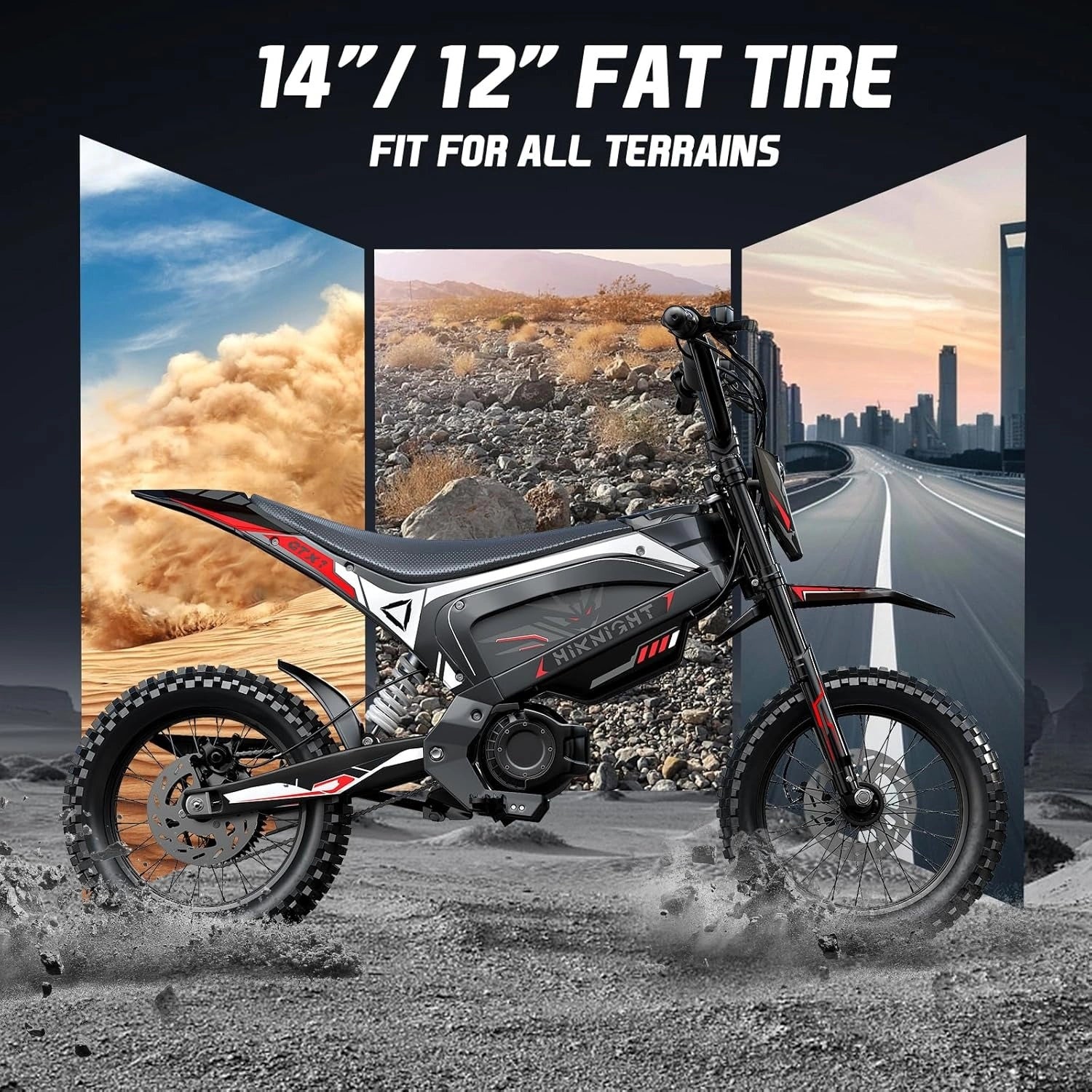
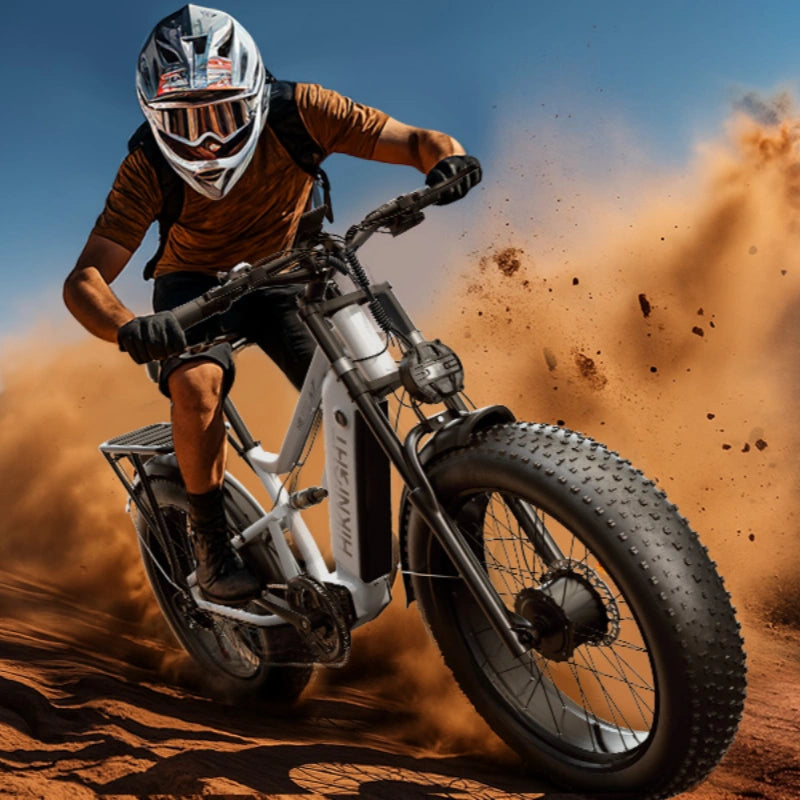

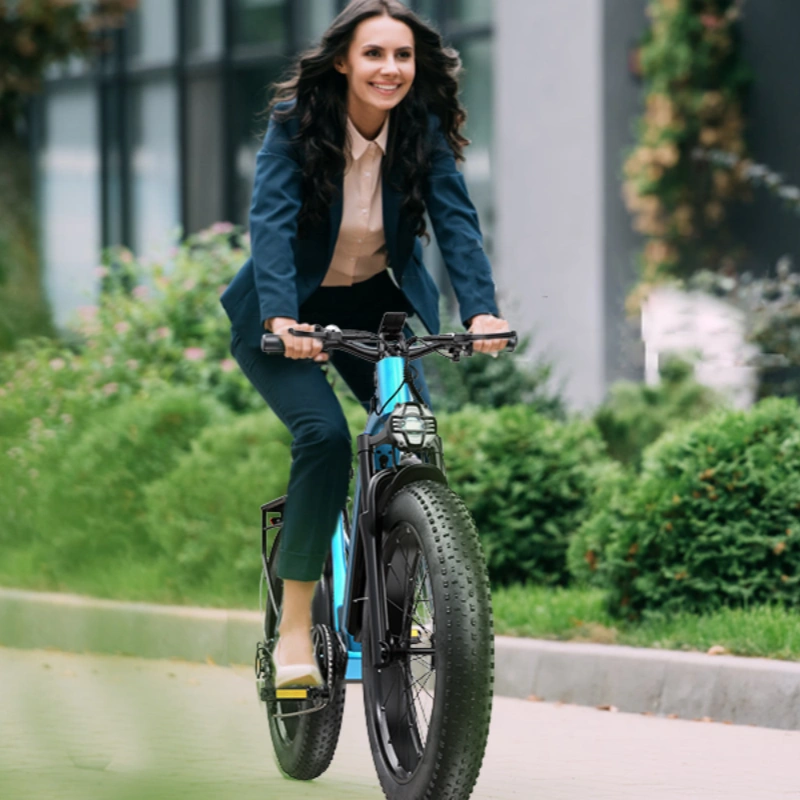


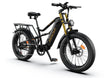
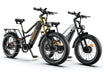

Search “fat tires bicycle,” and the first thing you’ll notice is how different they look. Oversized, aggressive, and almost exaggerated compared to standard bikes.
But fat tires aren’t about aesthetics—they exist for a reason. And once you understand that reason, it becomes clear why more riders are choosing them for real-world riding.
This guide breaks down what fat tire bicycles actually do, where they perform best, and whether they’re the right choice for your riding style.
1. What Is a Fat Tires Bicycle?
A fat tires bicycle is defined by its extra-wide tires, typically measuring 3.8 inches or more in width.
Compared to standard bike tires, which are much narrower, fat tires create a completely different riding experience in terms of stability, traction, and comfort.
2. Why Fat Tires Exist
Fat tires were originally designed for extreme environments like snow and sand, where traditional tires struggle to maintain grip.
By increasing surface contact with the ground, fat tires distribute weight more evenly and reduce the chance of sinking or slipping.
The result is simple: more control in difficult conditions.
3. How Fat Tires Change Your Ride
Improved Stability
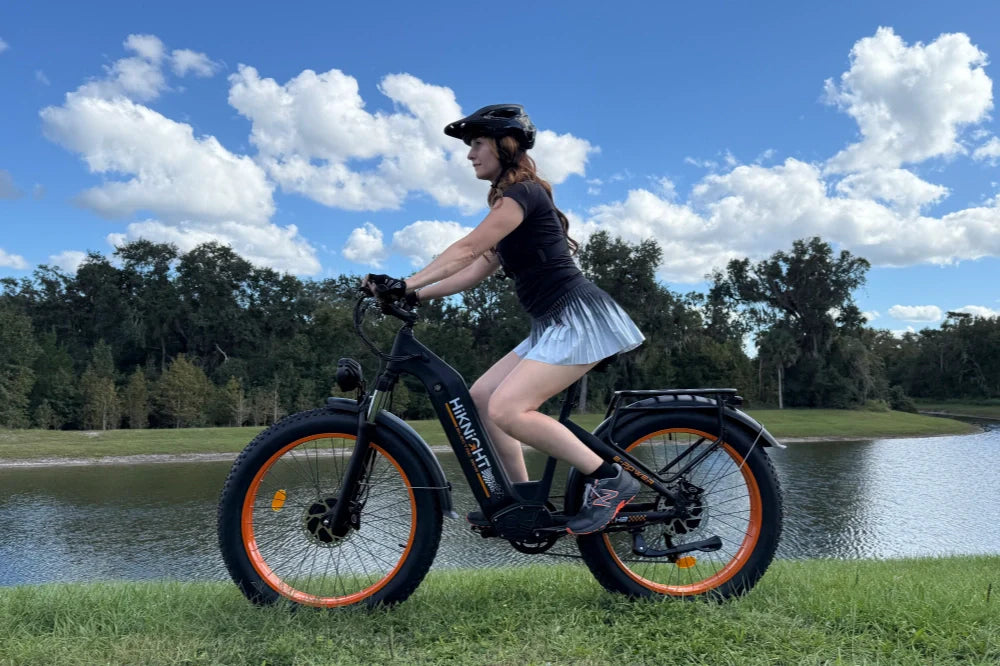
Wider tires create a larger contact patch, which improves balance and makes the bike feel more stable—especially on uneven terrain.
Natural Shock Absorption
Fat tires run at lower pressure, allowing them to absorb bumps and vibrations. In many cases, they reduce the need for complex suspension systems.
Better Traction
Whether you’re riding on dirt, gravel, or loose surfaces, fat tires provide significantly more grip than standard tires.
4. The Trade-Offs You Should Know
Heavier Build
Fat tires add weight, which can affect acceleration and handling.
Higher Rolling Resistance
On smooth pavement, fat tires require more effort to maintain speed.
Less Efficient for Road Riding
If your rides are entirely on paved roads, the benefits of fat tires may not fully apply.
5. Fat Tires vs Standard Tires
- Standard Tires: Faster on roads, lighter, more efficient
- Fat Tires: More stable, better traction, more versatile
The choice comes down to your priorities: speed or adaptability.
6. Why Fat Tire eBikes Make More Sense
Fat tires naturally increase resistance, but electric assistance changes the equation.
With an eBike, the motor offsets the extra weight and effort required, allowing you to enjoy the benefits of fat tires without sacrificing rideability.
This is why fat tire designs are especially popular in high-performance electric bikes.
7. Real-World Riding Scenarios
Fat tire bicycles perform best in conditions where standard bikes struggle:
- Off-road trails
- Gravel paths
- Sand or snow
- Uneven urban terrain
They’re not just for extreme conditions—they’re built for unpredictable ones.
8. Choosing the Right Setup
If you’re considering a fat tire bike, look at:
- Tire width (around 4.0” for versatility)
- Frame durability
- Motor power (for eBikes)
- Suspension system
For example, models like the HiKNiGHT H2 Pro and HiKNiGHT H6 Pro are built specifically around fat tire performance, making them suitable for more demanding terrain.
9. Who Should Consider a Fat Tires Bicycle?
A fat tire bike is a good fit if you:
- Ride on mixed terrain
- Want more stability and control
- Value comfort over speed
It may not be ideal if you only ride on smooth pavement and prioritize lightweight efficiency.
10. Are Fat Tire Bikes Worth It?
The answer depends entirely on where you ride.
If your routes include rough, uneven, or changing terrain, fat tires can significantly improve your experience.
If not, you may not fully benefit from their design.
11. Final Thoughts
Fat tires aren’t about standing out—they’re about adapting to real riding conditions.
They provide more grip, more comfort, and more confidence across a wider range of environments.
If you’re exploring different riding styles or want a bike that handles more than just smooth roads, browsing the HiKNiGHT official website can give you a clearer understanding of how modern fat tire bikes are built for real-world use 🚵♂️.
In the end, the best bike is the one that lets you ride without limitations.




Leave a comment
All comments are moderated before being published.
This site is protected by hCaptcha and the hCaptcha Privacy Policy and Terms of Service apply.