





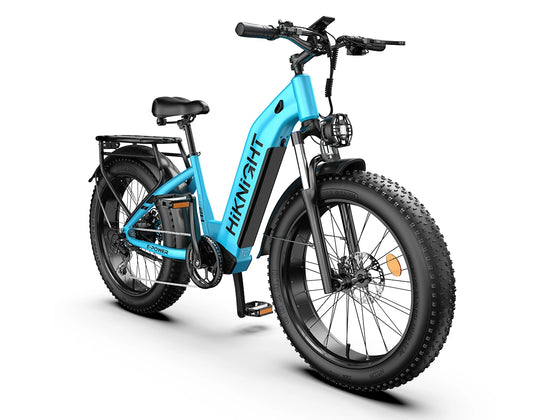
When riders search for a long range electric bike, they are rarely just shopping for a larger battery. They are looking for freedom—the ability to explore farther, commute longer, and ride with confidence without constantly watching battery levels.
However, “long range” is often misunderstood. Real distance depends on far more than a single number on a product page.
What Does Long Range Really Mean?
Battery capacity is measured in watt-hours, but range is shaped by terrain, rider weight, speed, motor output, tire resistance, and suspension behavior. Aggressive throttle use, steep hills, and loose surfaces drain power much faster than casual riding on flat pavement.
In most real-world conditions, riders achieve about 60–70% of advertised range. That is not misleading—it is physics.
Why Real-World Engineering Matters
A true long range electric bike focuses on usable performance, not laboratory figures. That includes efficient controllers, balanced geometry, fatigue-reducing suspension, and components designed for sustained loads.
Comfort also plays a critical role. Full suspension absorbs trail impact, protects joints, and improves traction, helping riders maintain control over longer distances.
Single Motor vs Dual Motor for Distance Riding
Single motor setups are efficient on flat ground, but dual motor systems shine in hills and technical terrain. By distributing workload, dual motors maintain momentum without overworking a single drive unit—often resulting in more consistent range off-road.
Who Benefits Most from a Long Range Electric Bike?
- Riders exploring remote trails
- Commuters with extended daily routes
- Weekend adventurers covering mixed terrain
- Heavier riders needing reserve capacity
- Anyone who prefers fewer charging sessions
If your rides regularly exceed 20–30 miles, real battery capacity becomes a practical necessity.
A Practical Look at HiKNiGHT Platforms ⚡
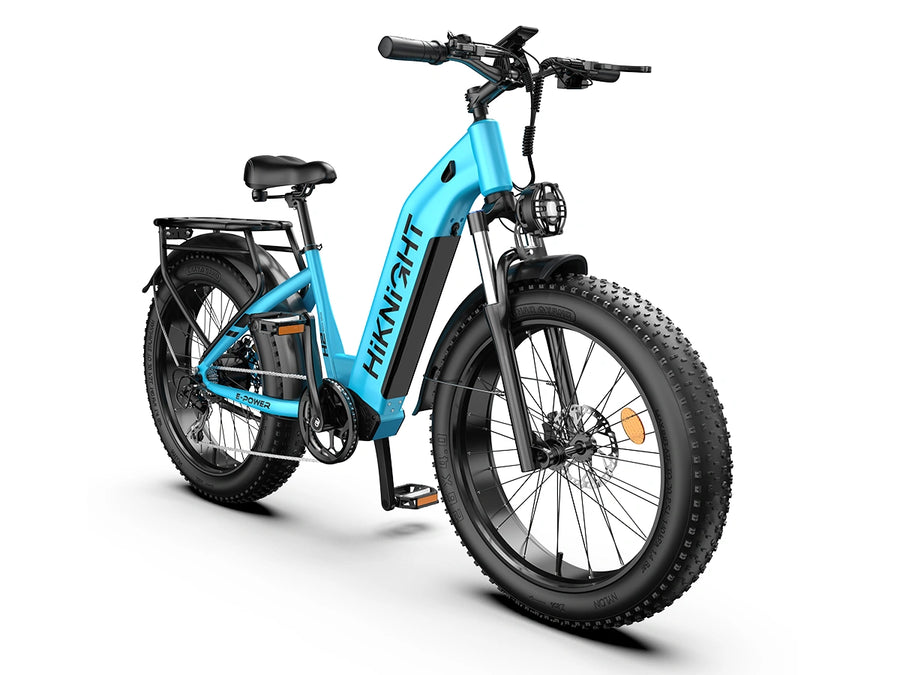
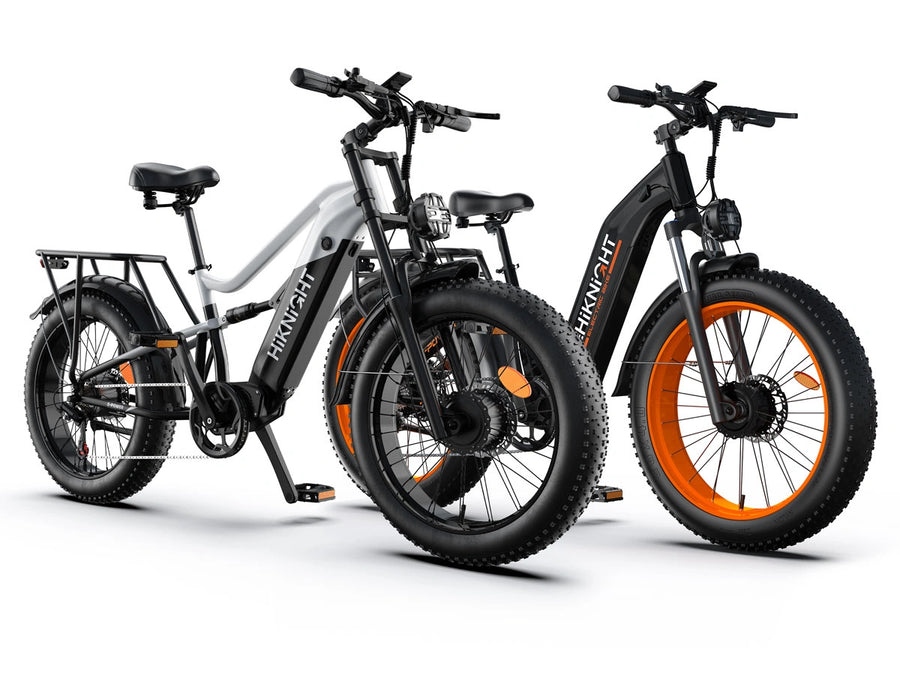
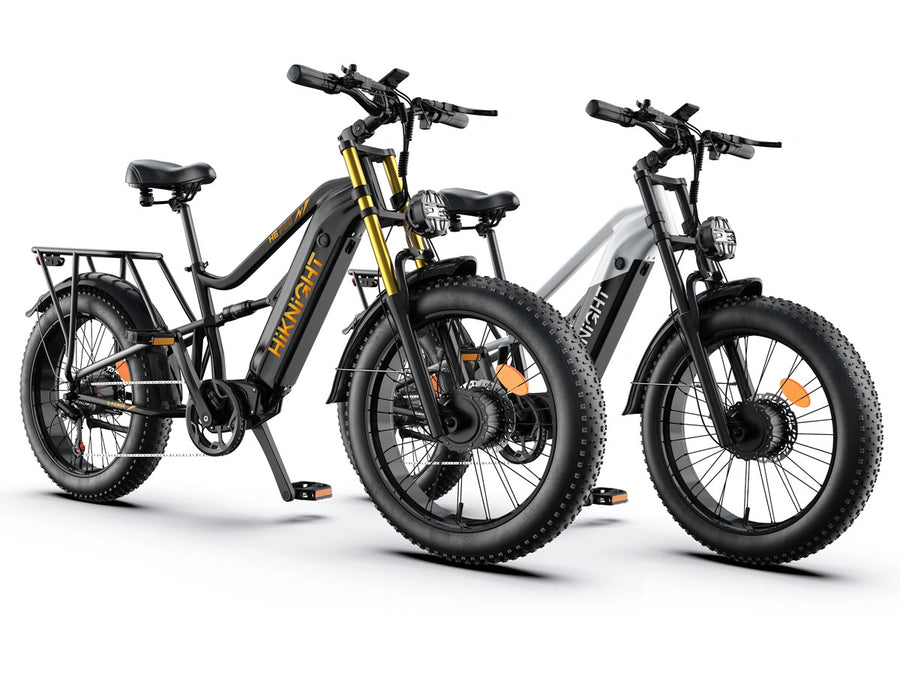
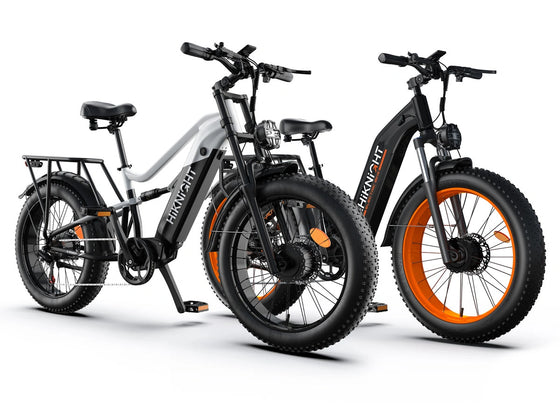
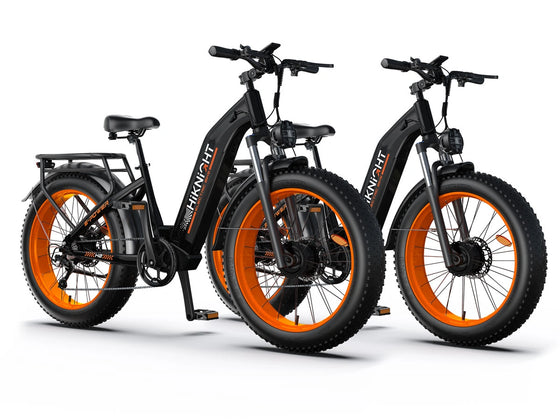
Brands such as HiKNiGHT design long range platforms around real riding scenarios rather than ideal test conditions.
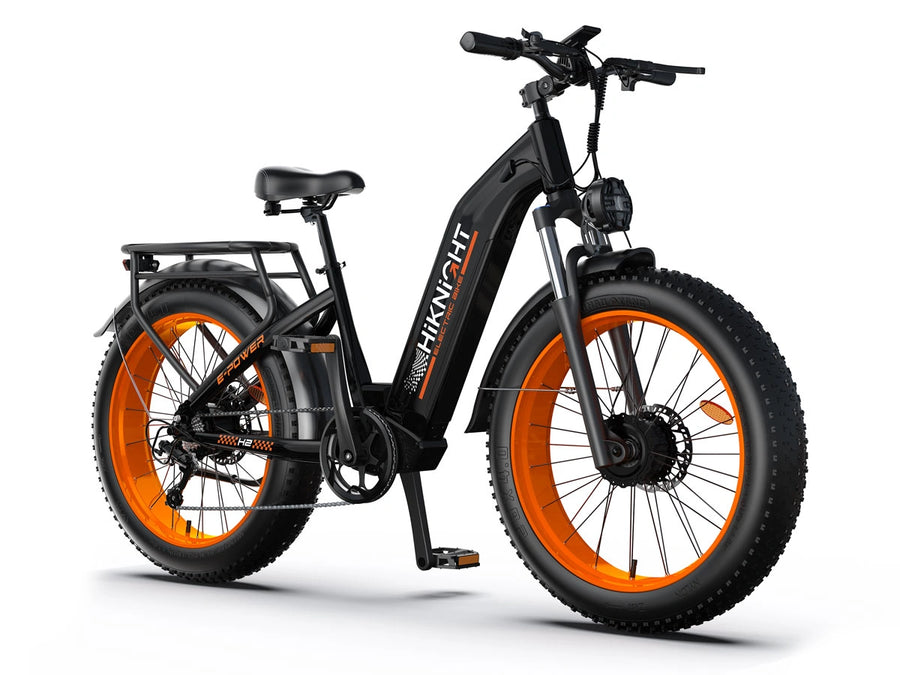
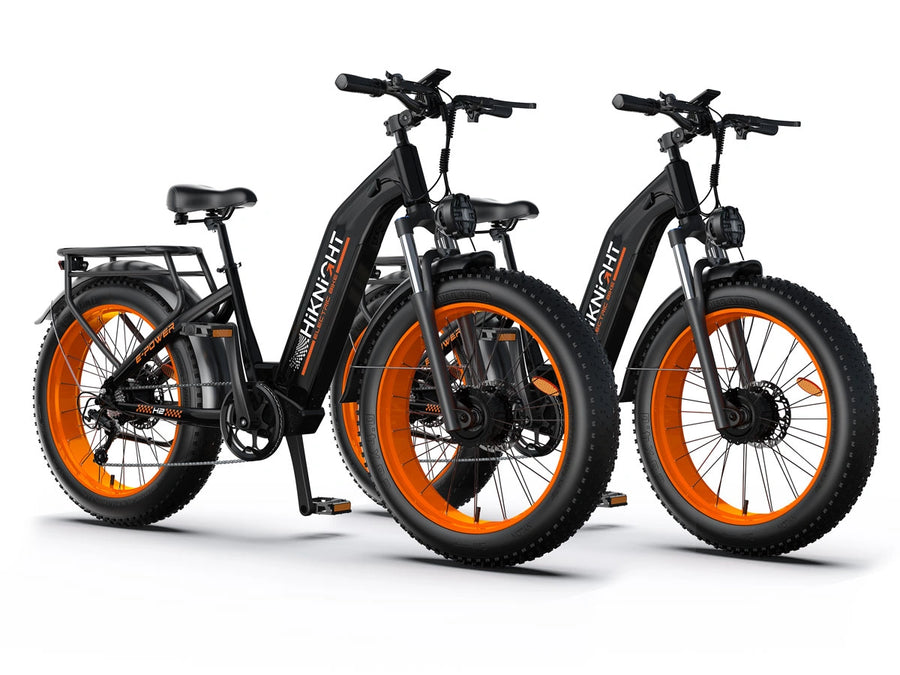
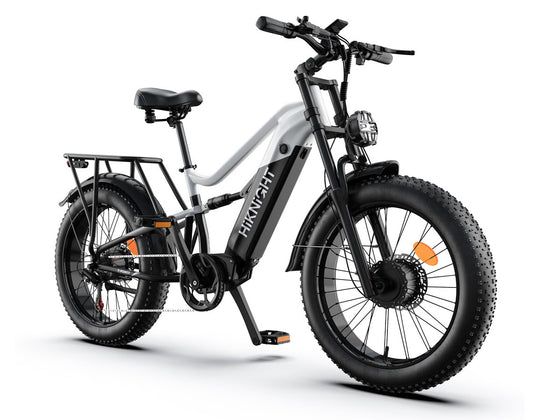
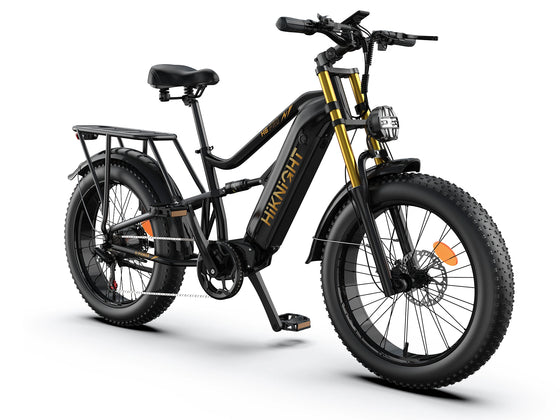
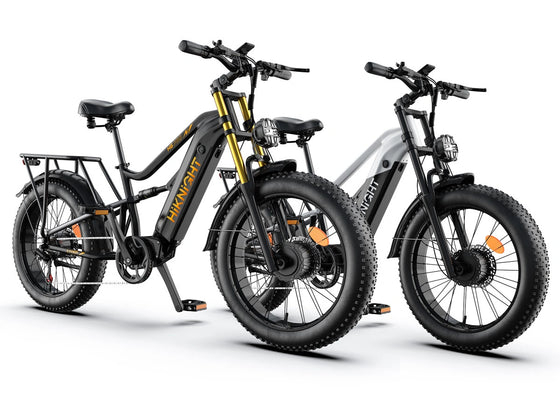
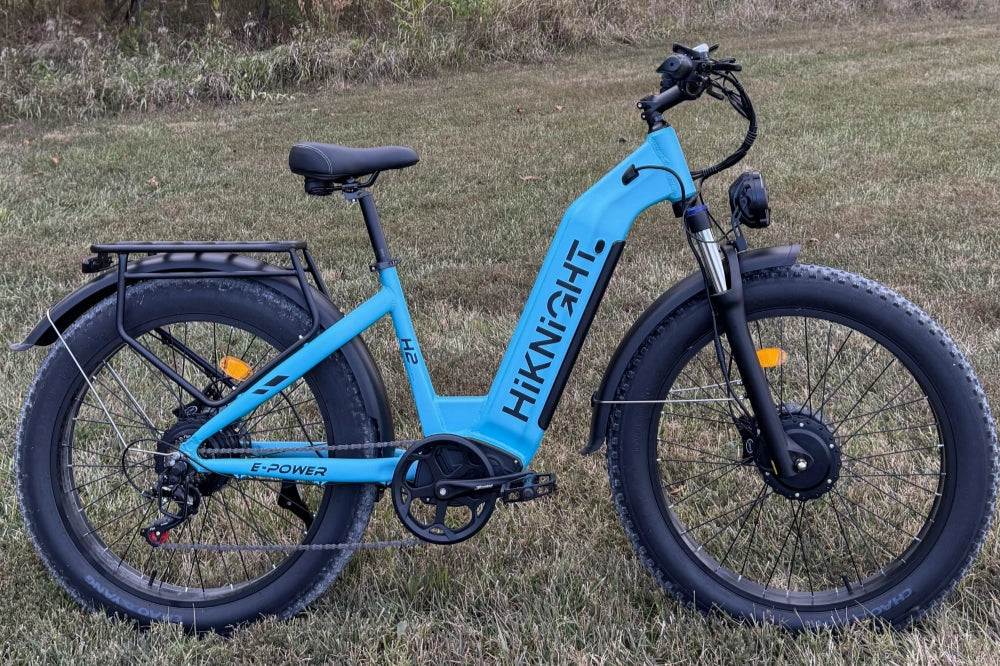
The H2 Pro balances dual-motor power with fat tires and full suspension, making it suitable for riders who combine trail exploration with urban travel.
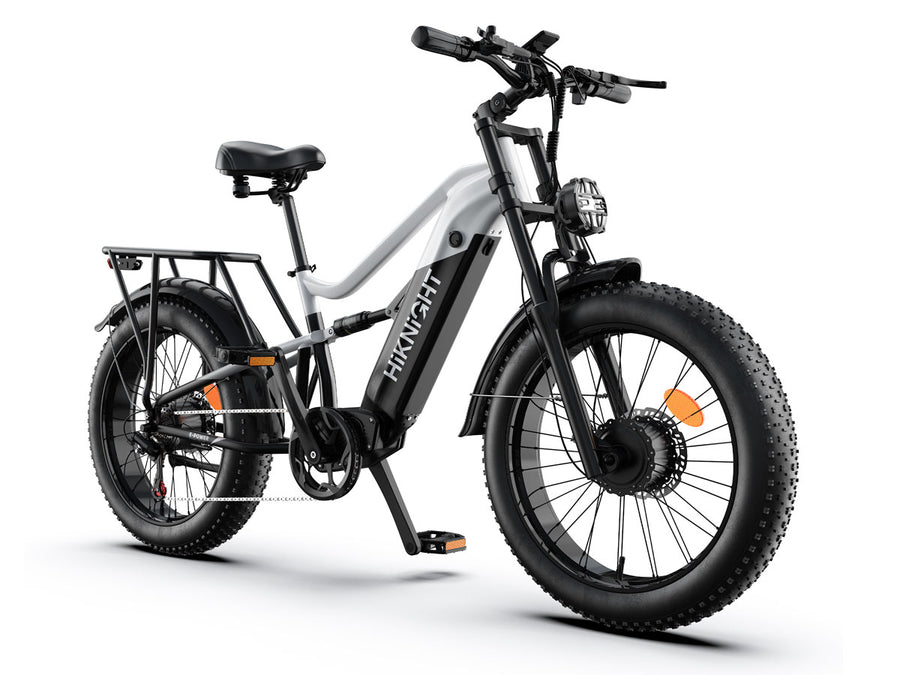
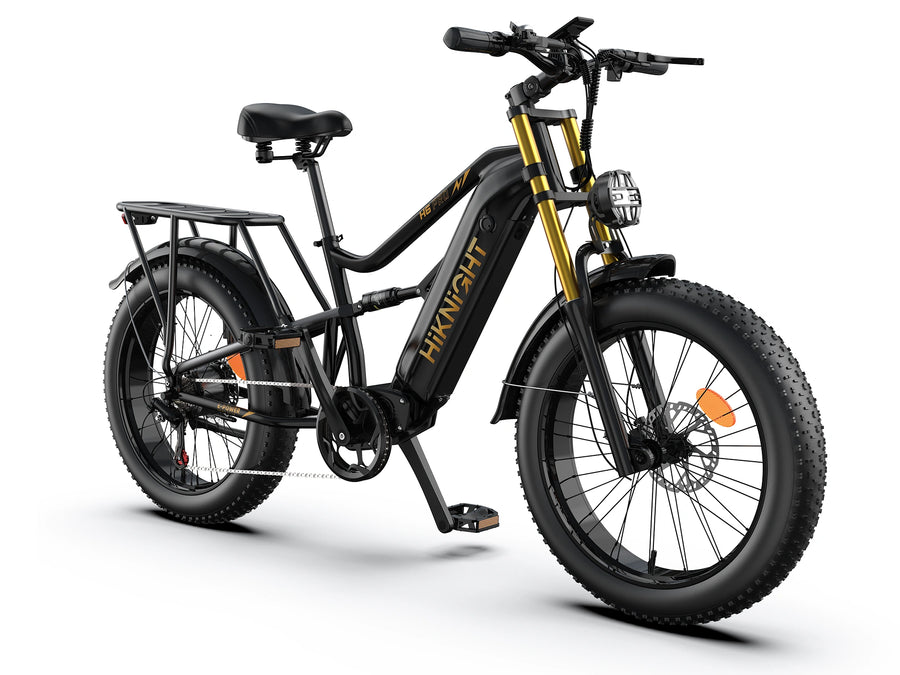
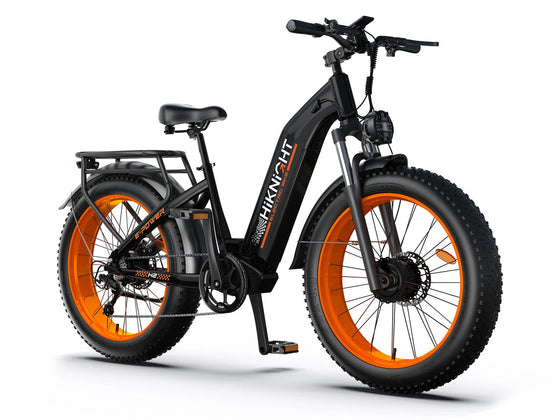
The H6 Pro leans further toward off-road performance, featuring geometry and suspension tuned for rough terrain while maintaining high-capacity battery support.
Rather than chasing extreme mileage claims, both models prioritize stability, comfort, and predictable power delivery—qualities experienced riders value over time.
How to Choose the Right Long Range Electric Bike
Before purchasing, consider:
- Your primary riding terrain
- Typical trip distance
- Torque versus efficiency preferences
- Gear or cargo requirements
- Suspension comfort importance
Matching these needs with battery size, motor configuration, and frame design leads to better long-term satisfaction than comparing spec sheets alone.
Final Thoughts
A long range electric bike is not only about distance—it is about confidence over time. When battery capacity, motors, suspension, and ergonomics work together, riding farther becomes natural.
Choose based on how you ride, not how numbers are advertised, and every mile will feel smoother and more rewarding.
Share:
Full Suspension eBike: A Practical Guide for Adult Off-Road Riders
Bike and Health: How Riding Transforms Your Body, Mind, and Daily Life