



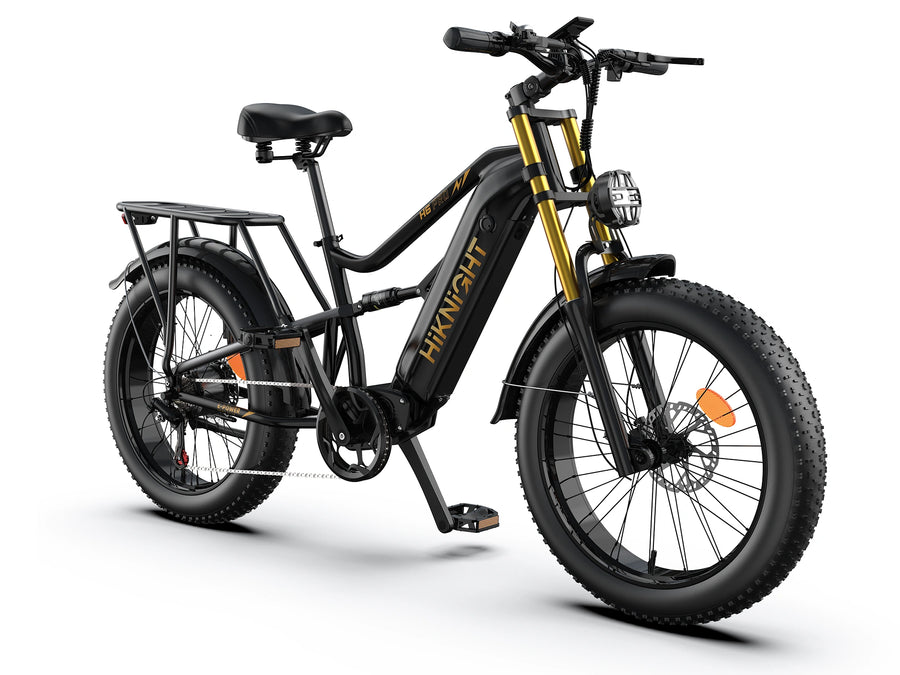

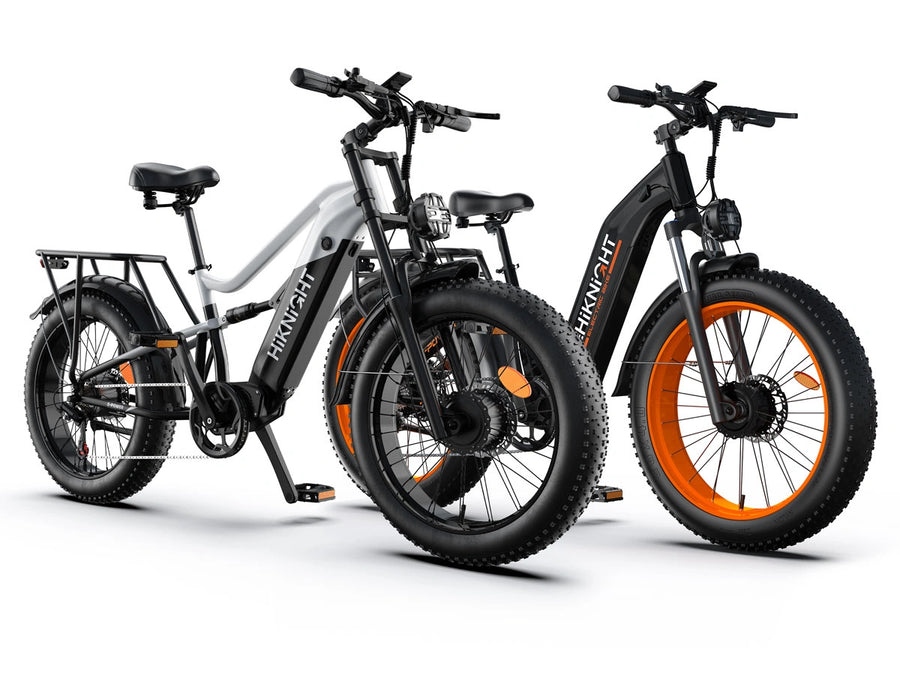
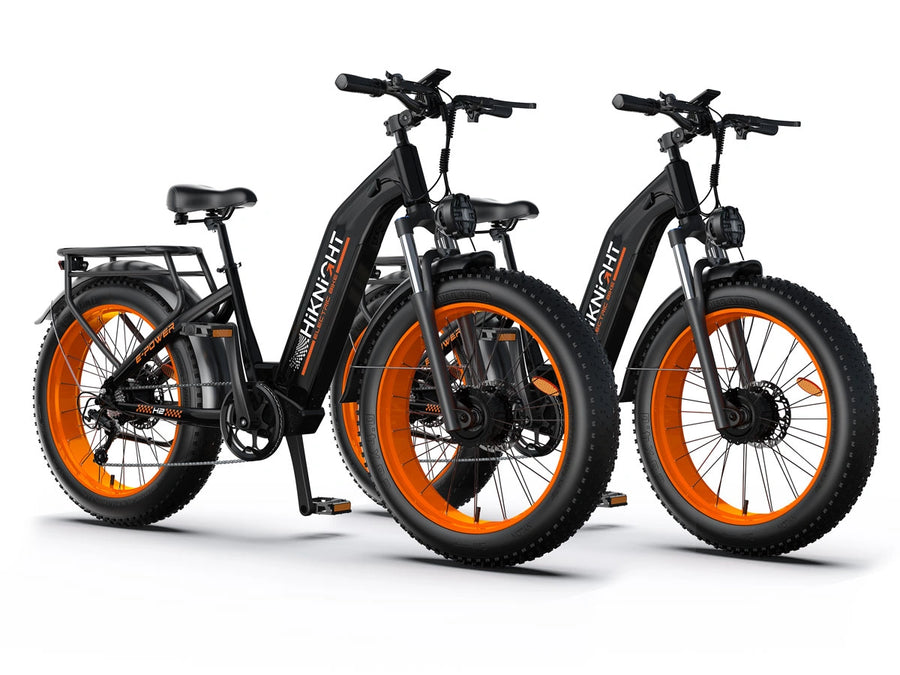
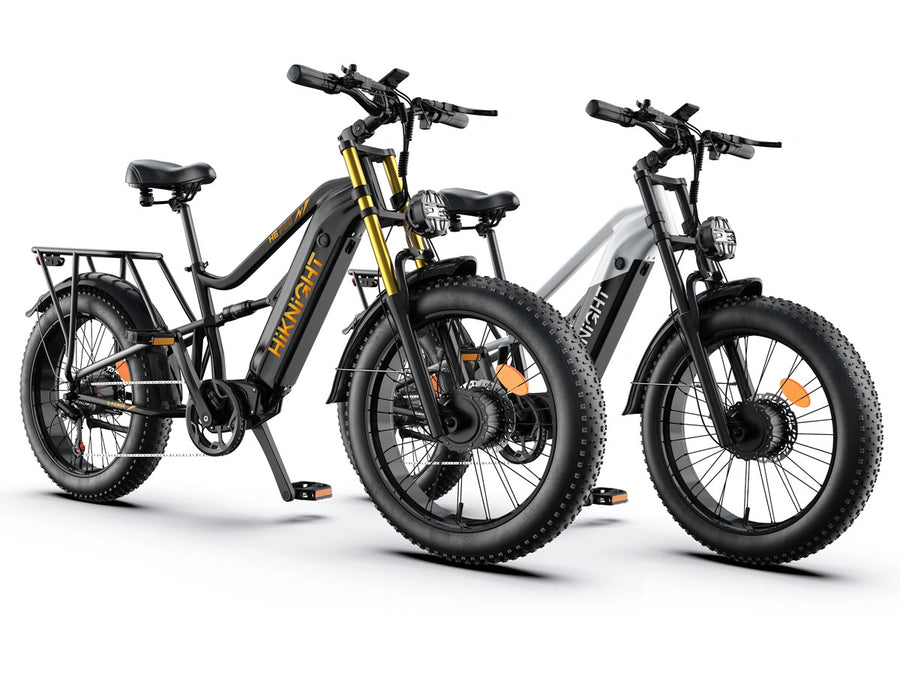

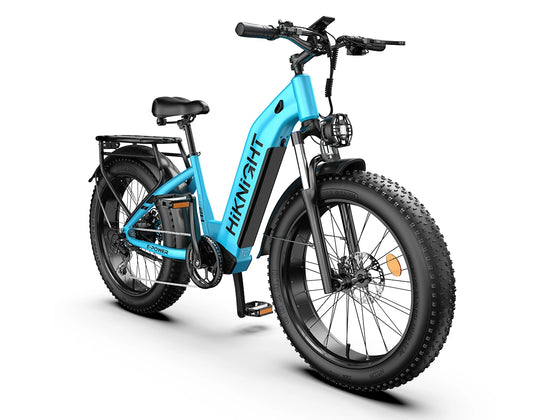
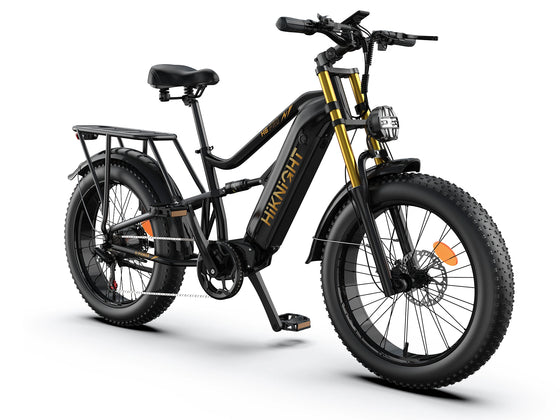
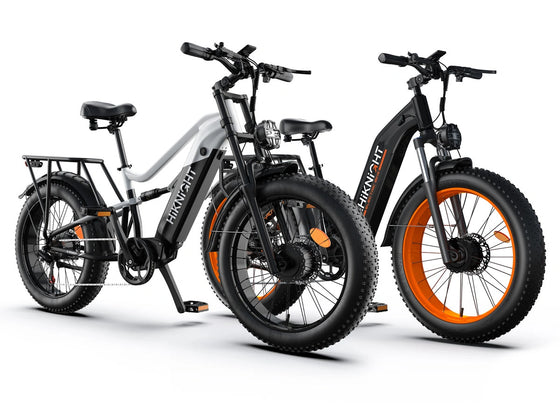
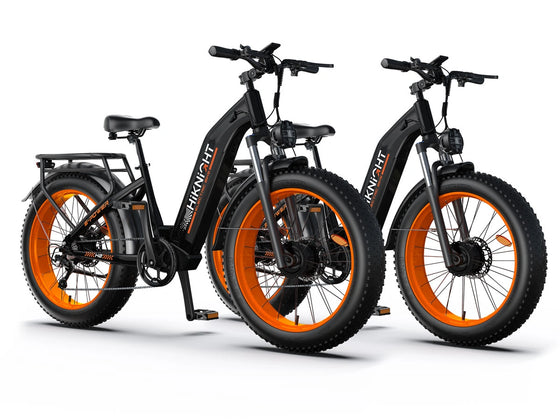
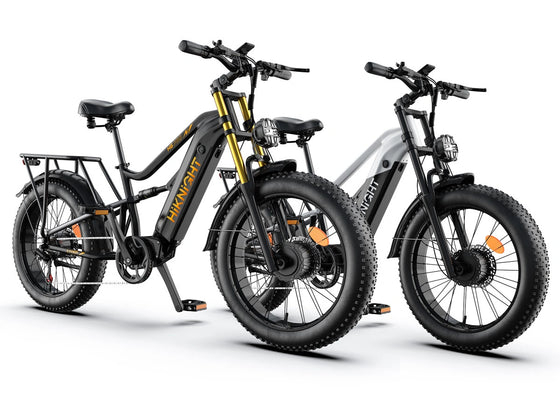
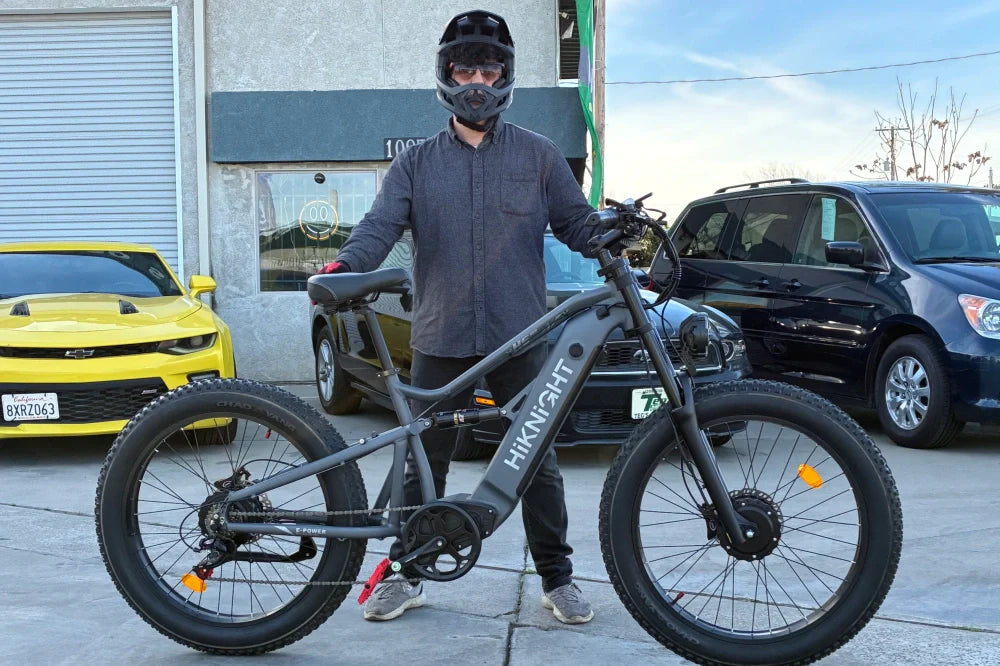
If you’ve been researching off-road bikes or electric rides, chances are you’ve come across the term fat tire bike. It may sound simple, but it represents a completely different riding experience.
So why are fat tire bikes becoming so popular? And more importantly, do you actually need one?
Let’s take a closer look.
What Is a Fat Tire Bike?
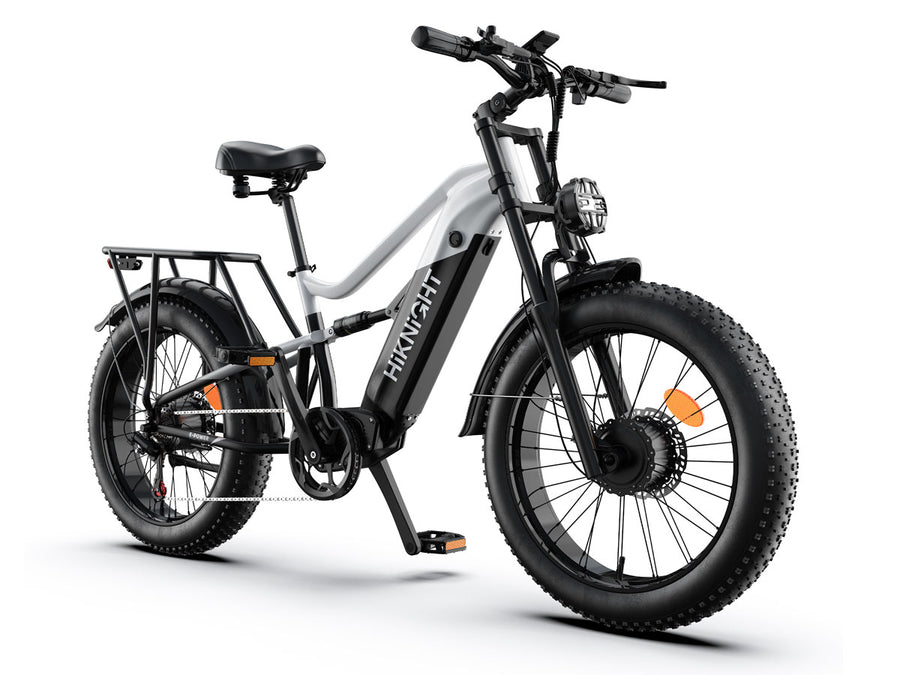
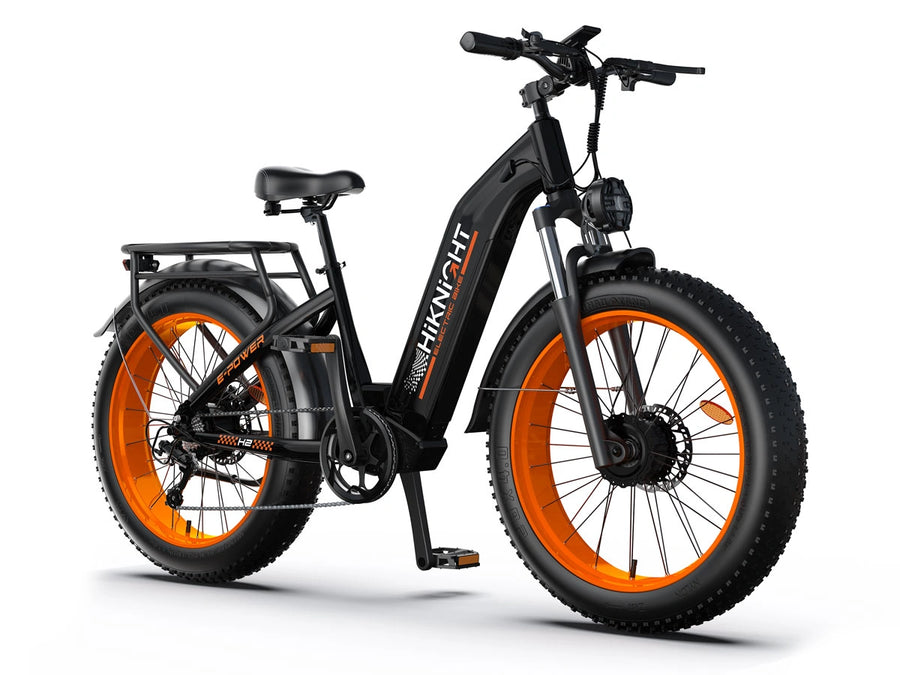
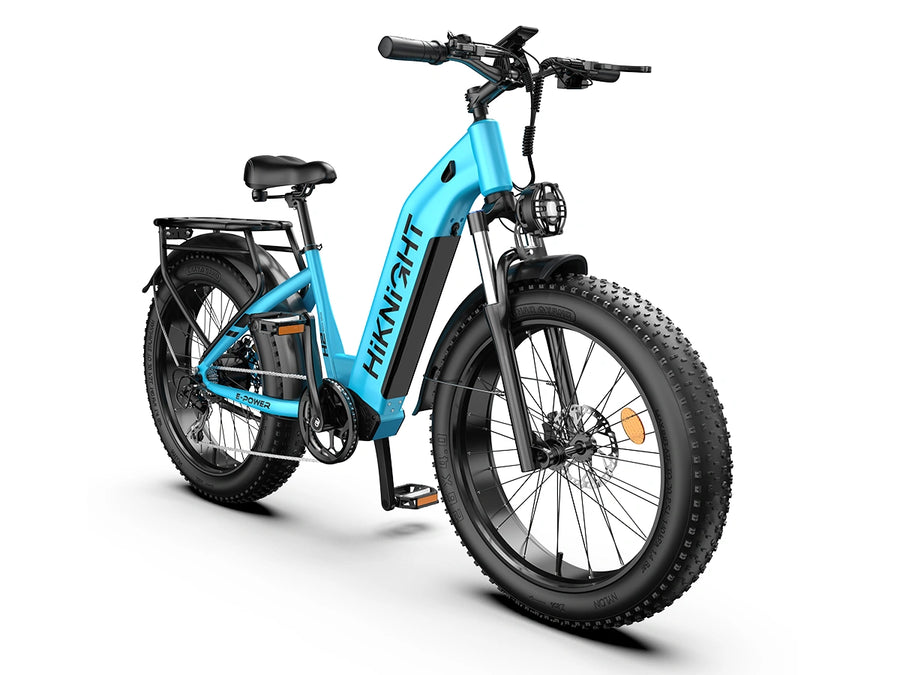
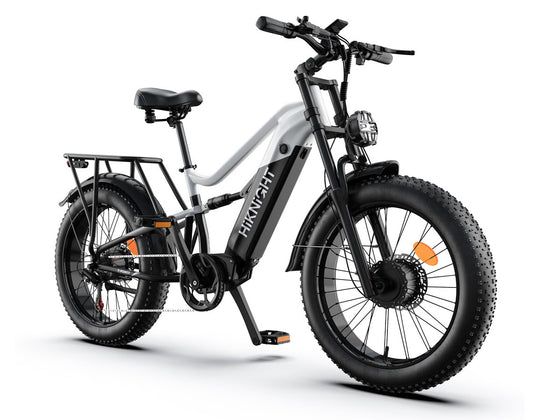
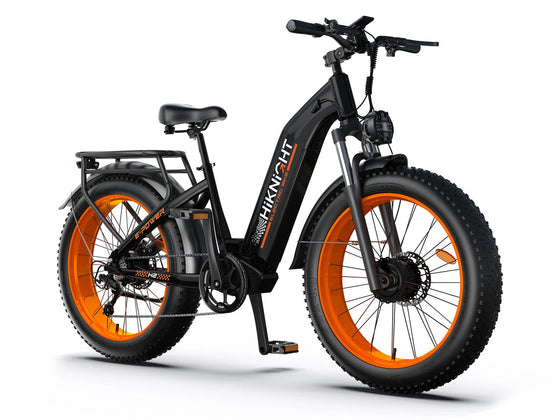
A fat tire bike is defined by its oversized tires—typically 4 inches or wider. These bikes are designed to handle terrain that standard bikes struggle with, including sand, snow, gravel, and rough trails.
The key difference lies in how the tires interact with the ground. Lower air pressure allows the tire to spread out, increasing traction and absorbing impact naturally.
This results in better stability, improved comfort, and more control.
Why Fat Tire Bikes Feel So Different
1. Superior Traction
Fat tires provide a larger contact patch with the ground, giving you better grip on loose or uneven surfaces.
2. Natural Shock Absorption
Even without advanced suspension systems, fat tires act as built-in shock absorbers, smoothing out bumps and rough terrain.
3. Beginner-Friendly Stability
The added balance makes fat tire bikes easier to control, especially for newer riders.
Where Fat Tire Bikes Perform Best
Off-Road Trails
Perfect for dirt paths, forest routes, and rugged terrain.
Sand and Snow
Unlike regular bikes that sink, fat tire bikes distribute weight more effectively, allowing you to ride across soft surfaces.
Urban Riding
They also handle potholes, curbs, and uneven city roads surprisingly well.
Are There Any Downsides?
- Heavier than standard bikes
- More rolling resistance on pavement
- Not optimized for high-speed road cycling
That said, most riders choose fat tire bikes for versatility and comfort rather than speed.
Electric Fat Tire Bikes: A Practical Upgrade
Adding electric power transforms the riding experience. With motor assistance, you can overcome the extra weight and ride longer distances with less effort.
This is where options from HiKNiGHT come into play, offering powerful electric fat tire bikes built for real-world terrain.
How to Choose the Right Fat Tire Bike
Motor Power
For off-road riding, higher wattage motors—especially dual motor setups—provide better torque and climbing ability.
Suspension
Combining fat tires with full suspension significantly improves ride comfort.
Build Quality
Durability is essential for handling rough environments.
Real-World Options Worth Considering
For riders seeking strong off-road performance, the HiKNiGHT H2 Pro offers dual motor power and aggressive terrain capability.
If you prefer a more balanced ride with added comfort for longer distances, the HiKNiGHT H6 Pro provides a refined experience without sacrificing performance.
Ultimately, the right choice depends on your riding style and environment.
Is a Fat Tire Bike Worth It?
If you ride on mixed terrain, value comfort, and want a more stable riding experience, a fat tire bike is a strong option.
However, if your riding is limited to smooth roads and efficiency is your priority, a traditional bike may be more suitable.
Final Thoughts
Fat tire bikes are not just a trend—they reflect how people actually ride today. From off-road exploration to everyday commuting, they offer a unique combination of comfort, control, and versatility.
And once you experience it, it’s hard to go back 🙂
Share:
Electric Motorcycle for Teens: What Actually Matters Before You Buy (2026 Guide)
How Does an eBike Work? A Clear, Real-World Guide for Off-Road Riders