





If you’ve ever ridden a regular bike and thought, “I wish climbs felt this easy all the time,” you’re already halfway to understanding how an eBike works.
An electric bike isn’t a motorcycle, and it’s not just a bicycle with a battery attached. It’s a coordinated system that combines motor assistance with your own pedaling effort—making rides smoother, longer, and far more capable.
1. The Core Idea: Assistance, Not Replacement
An eBike works by adding controlled electric assistance when you pedal. Instead of replacing your effort, it amplifies it—like riding with a constant tailwind or stronger legs on demand.
2. The Key Components of an eBike
Battery: The Energy Source
The battery stores energy that powers the motor. Most eBikes use lithium-ion batteries, and capacity (measured in watt-hours) determines how far you can ride.
Motor: The Force Multiplier
The motor converts stored energy into motion. Off-road riders benefit most from high-torque systems, which provide better climbing power and traction on uneven terrain.
Controller: The Brain
The controller regulates how much power flows from the battery to the motor based on your riding input, ensuring smooth and responsive performance.
Sensors: The Decision Makers
Sensors detect how and when you ride. Torque sensors adjust assistance based on how hard you pedal, while cadence sensors activate assistance when pedaling starts.
3. Pedal Assist vs Throttle
Pedal Assist (PAS)
This mode provides power only when you pedal. It’s efficient, natural, and ideal for longer rides.
Throttle Mode
Throttle allows you to ride without pedaling. It’s useful for quick acceleration or starting from a stop, though it consumes more battery.
4. What Happens When You Ride
When you pedal, sensors detect movement, the controller calculates the needed assistance, and the motor delivers extra power instantly. This seamless interaction is what makes eBikes feel intuitive rather than mechanical.
5. Why eBikes Excel Off-Road
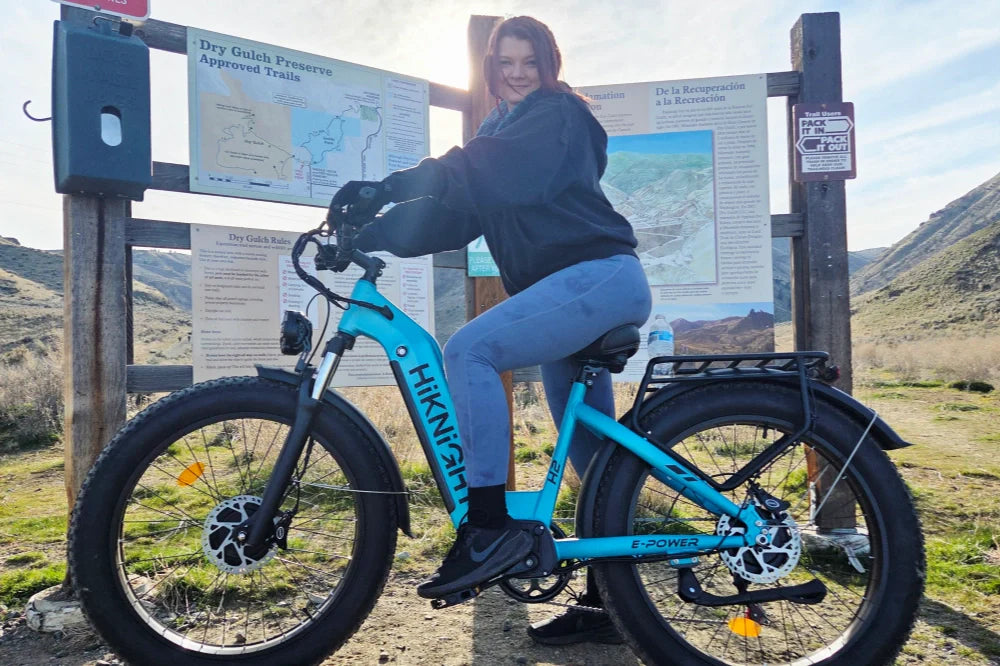
Off-road riding demands torque, control, and endurance. A powerful eBike helps you climb steep trails, maintain traction, and ride longer distances without fatigue.
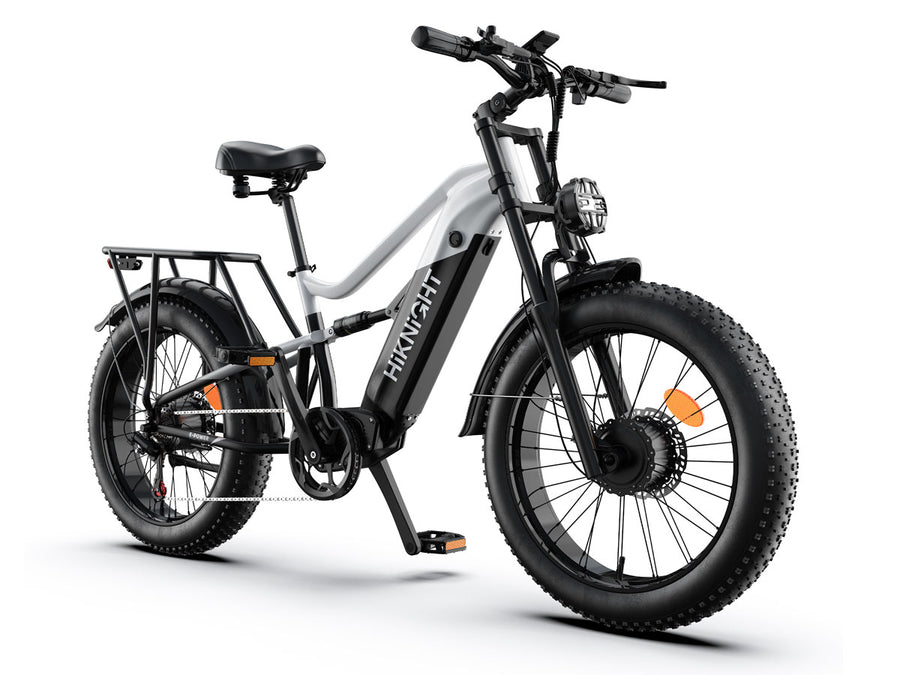
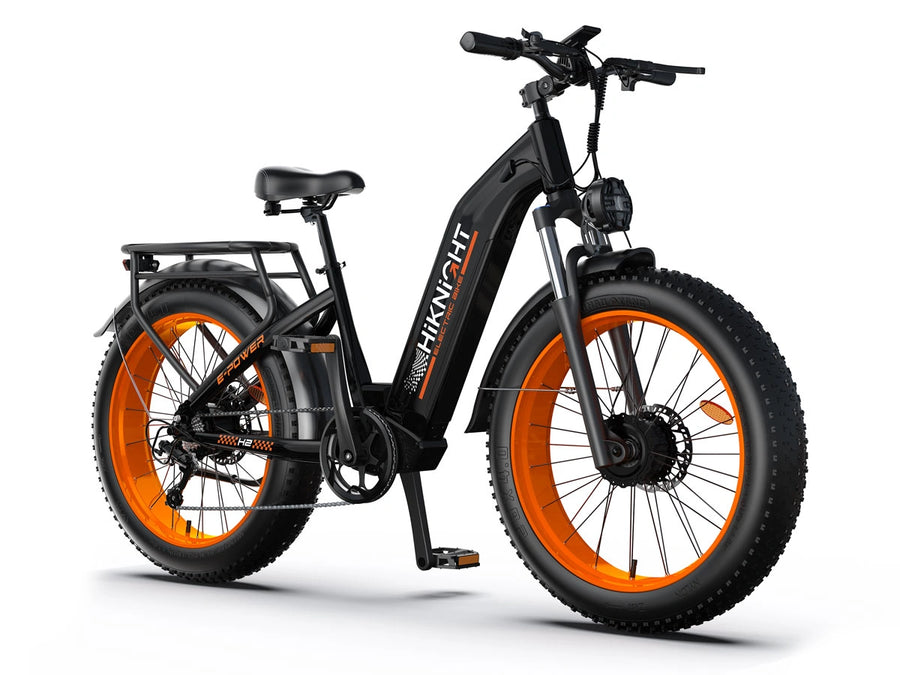
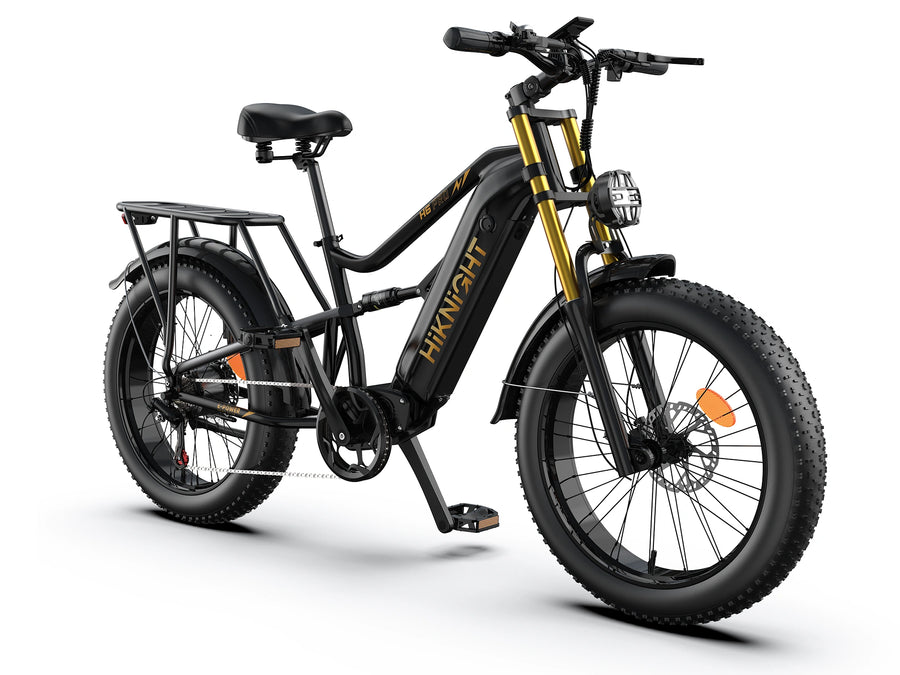
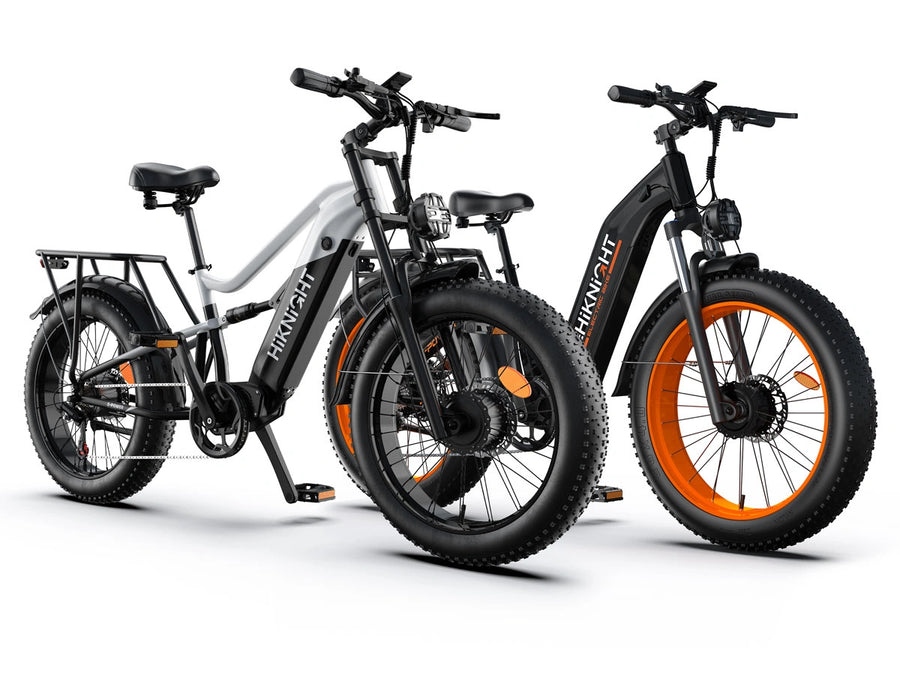
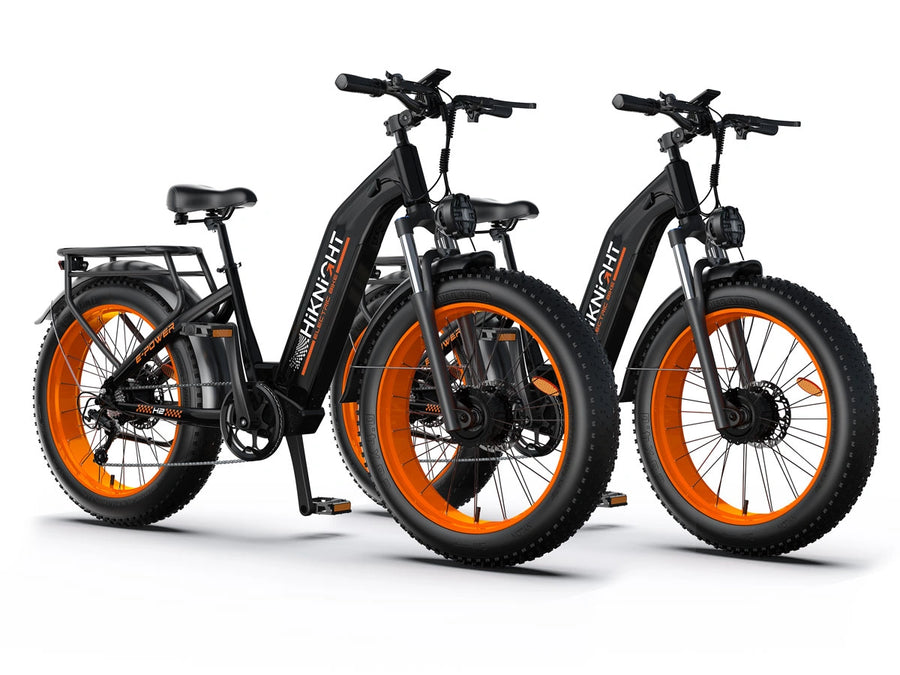
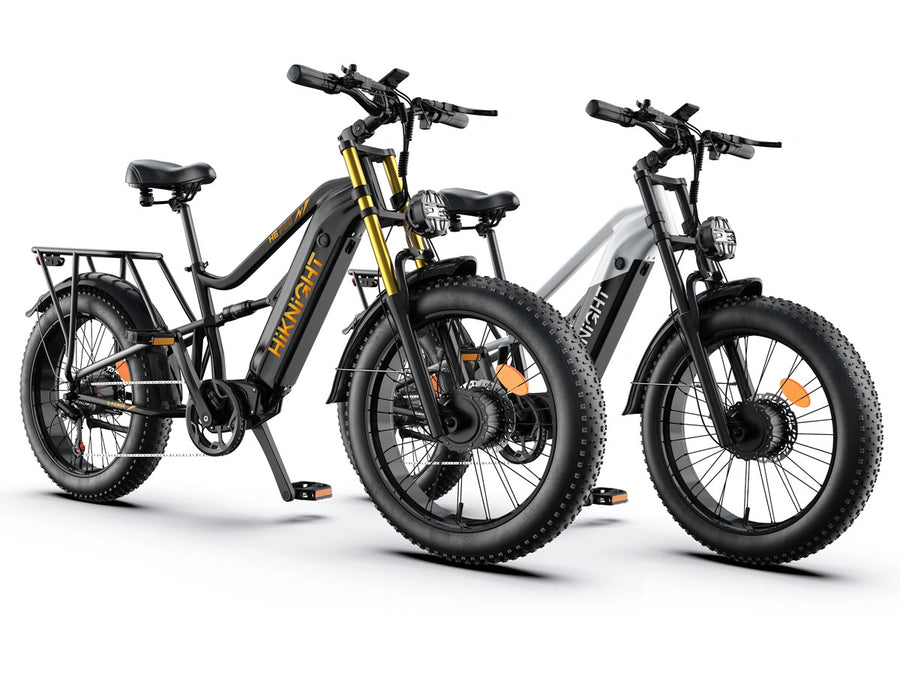
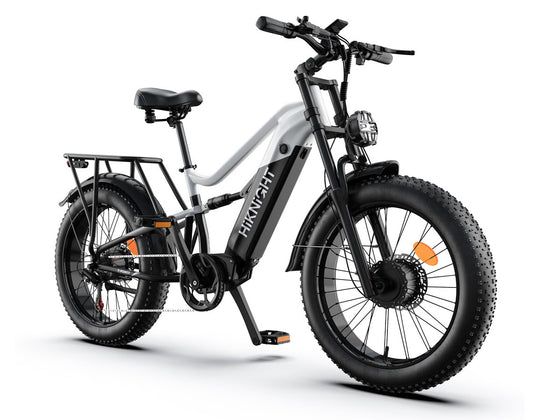
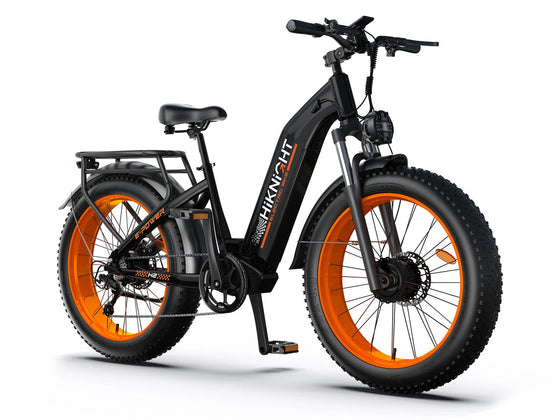
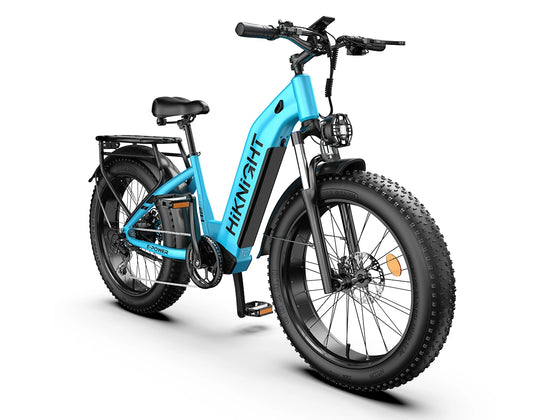
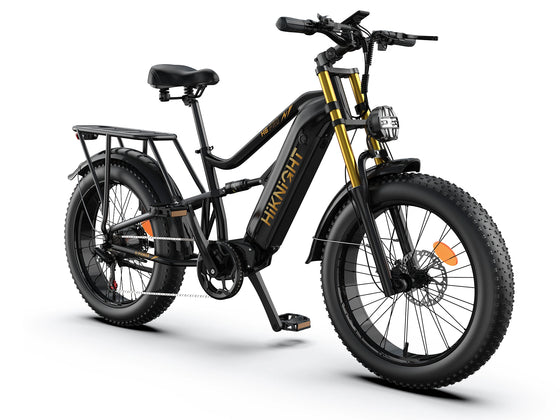
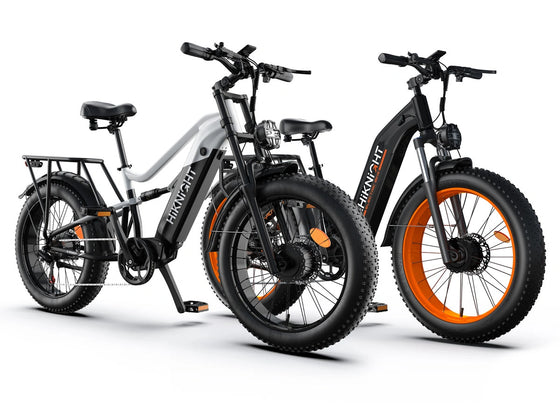
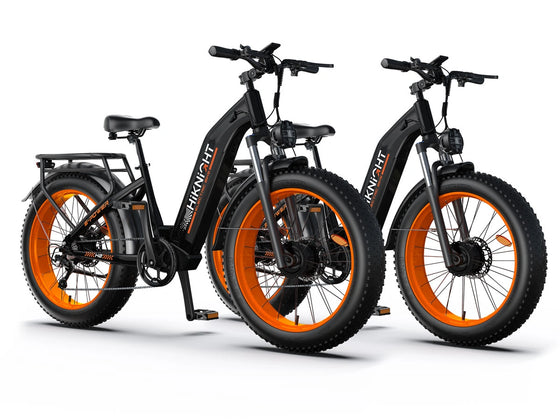
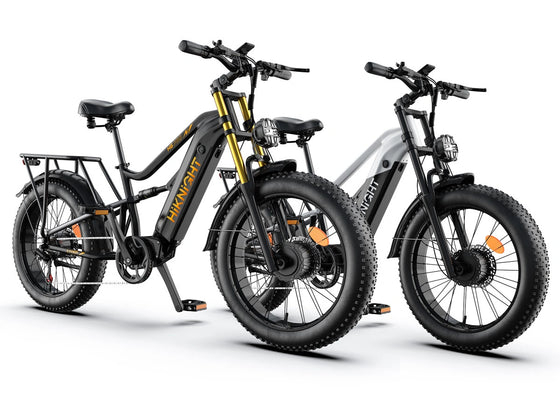
For example, models like the HiKNiGHT H2 Pro and HiKNiGHT H6 Pro are built for demanding terrain, combining dual motors and fat tires for enhanced performance.
6. Battery Range in Real Conditions
Actual range depends on rider weight, terrain, assist level, and riding habits. Off-road riding typically reduces range but significantly increases riding capability.
7. Maintenance Basics
Maintaining an eBike is straightforward. Keep the drivetrain clean, check brakes regularly, and charge the battery properly. Most electrical systems are sealed and require minimal upkeep.
8. Is an eBike Right for You?
An eBike is ideal if you want to ride farther, tackle hills with ease, or explore off-road terrain without excessive fatigue.
9. Final Thoughts
An eBike doesn’t replace your effort—it enhances it. You control the ride, and the system amplifies your input.
If you're exploring capable off-road options, browsing the HiKNiGHT official website can help you better understand how different configurations translate into real-world performance 🚵♂️.
Share:
Fat Tire Bike: What It Is, Why It Matters, and Whether It’s Right for You
Can You Ride an Electric Motor Bike? Laws, Locations, and What Riders Really Need to Know