





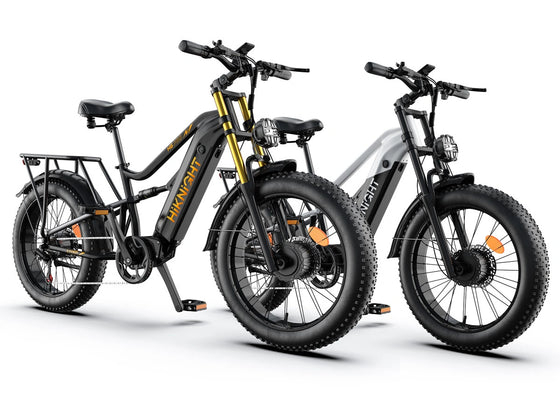
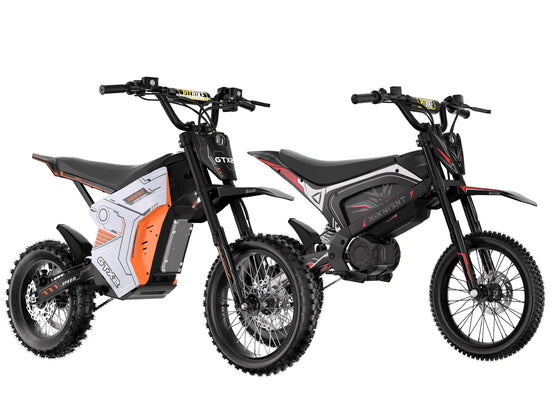

When people talk about electric bikes, the focus usually lands on motors, batteries, and top speed. Brakes rarely get the same attention—until something goes wrong.
For adult riders considering high-performance electric bikes, bike brakes are not a secondary feature. They are a core safety system that directly affects control, confidence, and real-world ride quality.
This guide goes beyond surface-level explanations to explore how different braking systems behave under speed, weight, and demanding riding conditions.
Why Bike Brakes Matter More on Electric Bikes
Electric bikes introduce more weight, higher cruising speeds, and faster acceleration than traditional bicycles. These factors dramatically increase stopping distances and heat buildup during braking.
On a powerful e-bike, brakes are not just about slowing down—they are about managing momentum safely.
The Main Types of Bike Brakes
Rim Brakes
Rim brakes apply pressure directly to the wheel rim. While lightweight and affordable, they struggle under wet conditions, wear rims faster, and are less effective on heavier electric bikes.
For modern high-performance e-bikes, rim brakes are largely outdated.
Mechanical Disc Brakes
Mechanical disc brakes use a cable to engage brake pads against a rotor. They offer stronger stopping power than rim brakes and perform better in poor weather.
However, cable stretch and frequent adjustment can reduce consistency under sustained high-speed riding.
Hydraulic Disc Brakes
Hydraulic disc brakes use fluid pressure instead of cables, delivering more consistent force and better modulation.
Benefits include stronger braking power, smoother control, reduced hand fatigue, and reliable performance under load. For most adult riders on powerful electric bikes, hydraulic disc brakes are the practical baseline.
Regenerative Braking
Some electric bikes feature regenerative braking, which converts deceleration into battery charge. While useful for efficiency, it should only supplement—not replace—mechanical braking systems.
Speed, Weight, and Real-World Demands
Braking systems that feel adequate on low-power commuter bikes often fall short on dual-motor or fat-tire electric bikes.
Higher speeds increase stopping distance exponentially, especially when combined with heavier frames and rider weight. This is why high-performance e-bikes prioritize larger rotors and hydraulic systems.
Brake Modulation vs Stopping Power
Effective bike brakes are not only about maximum stopping force. Modulation—the ability to control braking smoothly—is equally critical.
Poor modulation can cause wheel lockup or loss of control, particularly on loose terrain or uneven pavement.
Real-World Riding Scenarios
- Urban riding with unpredictable traffic
- Off-road trails with loose dirt and descents
- High-speed cruising where heat buildup matters
- Wet or muddy conditions requiring consistent grip
Choosing bike brakes should always reflect where and how you actually ride.
How HiKNiGHT Approaches Braking Performance
HiKNiGHT designs electric bikes with the expectation that adult riders will use their full performance responsibly.
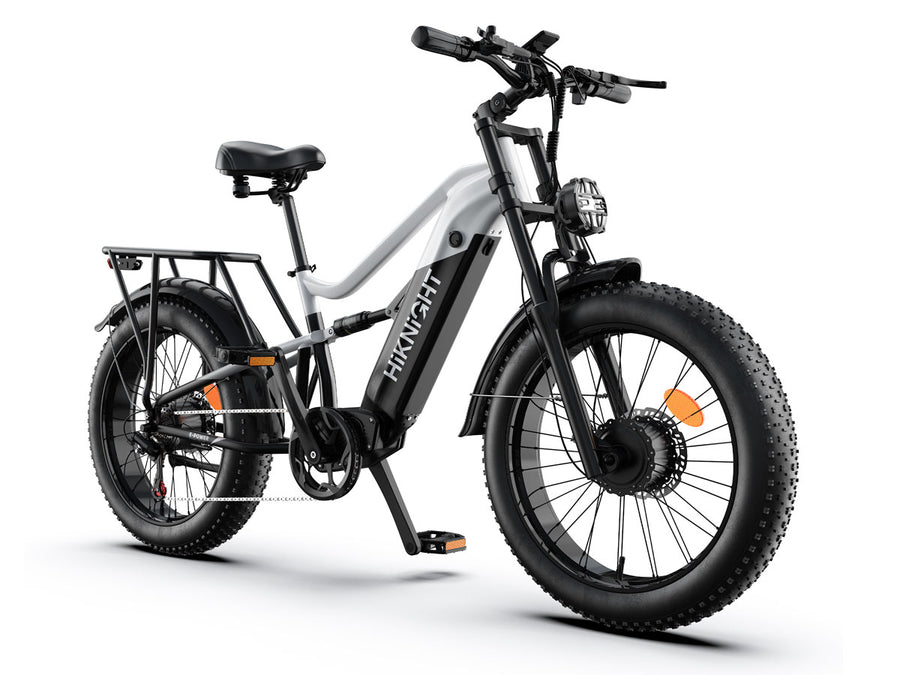
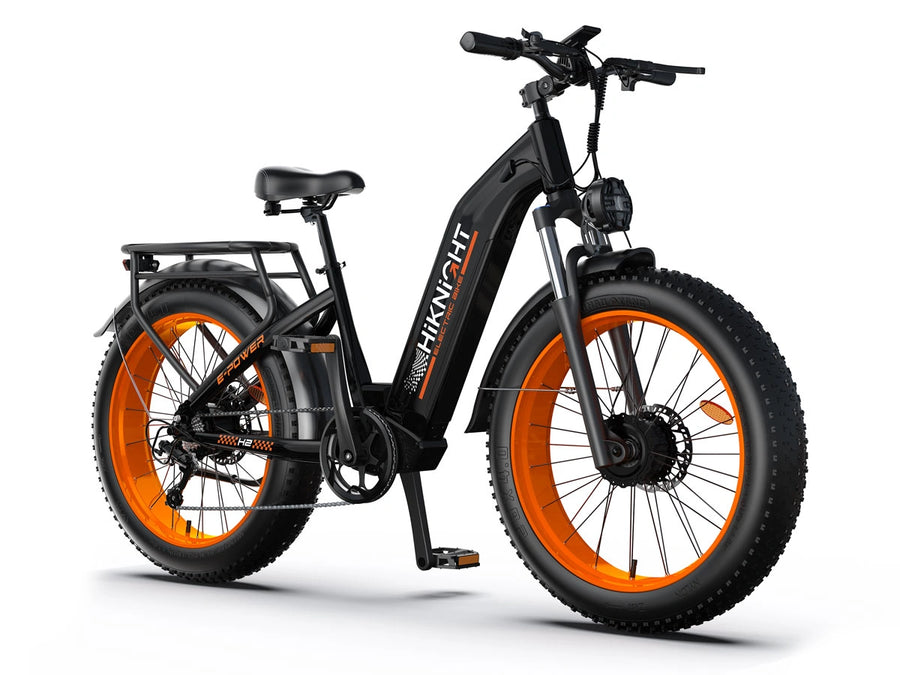
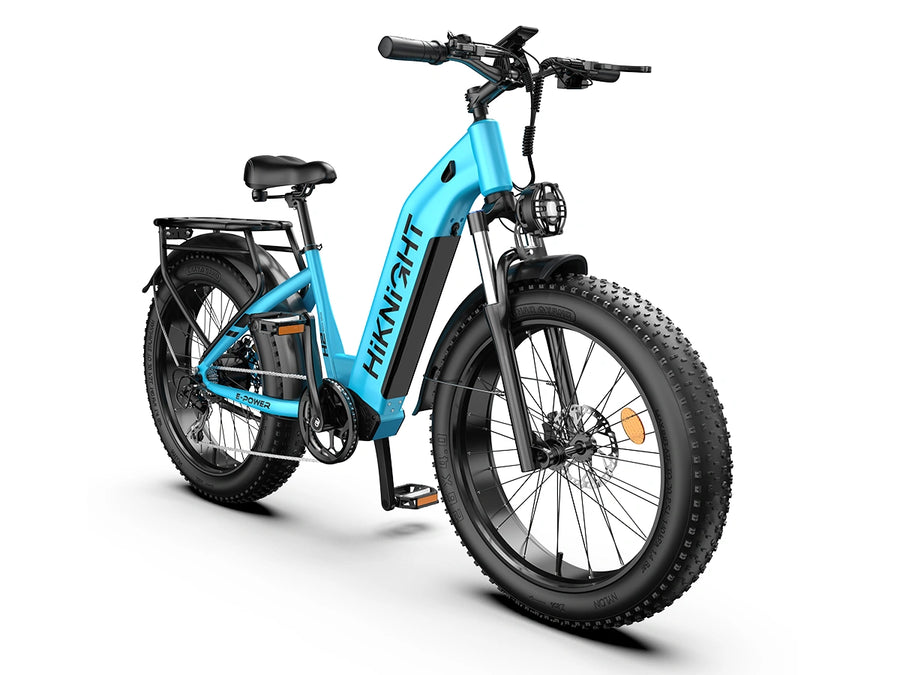
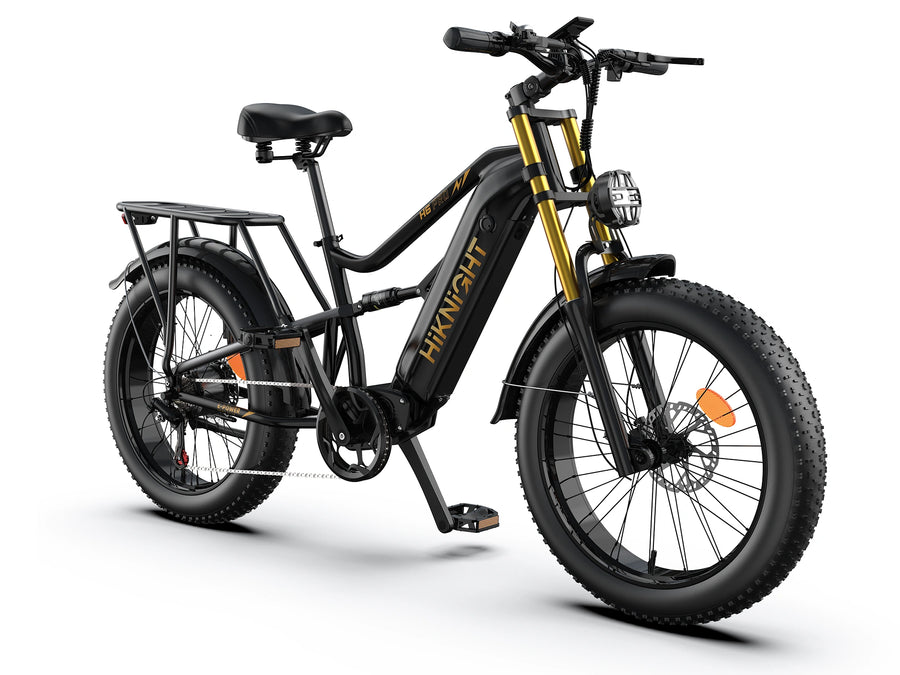
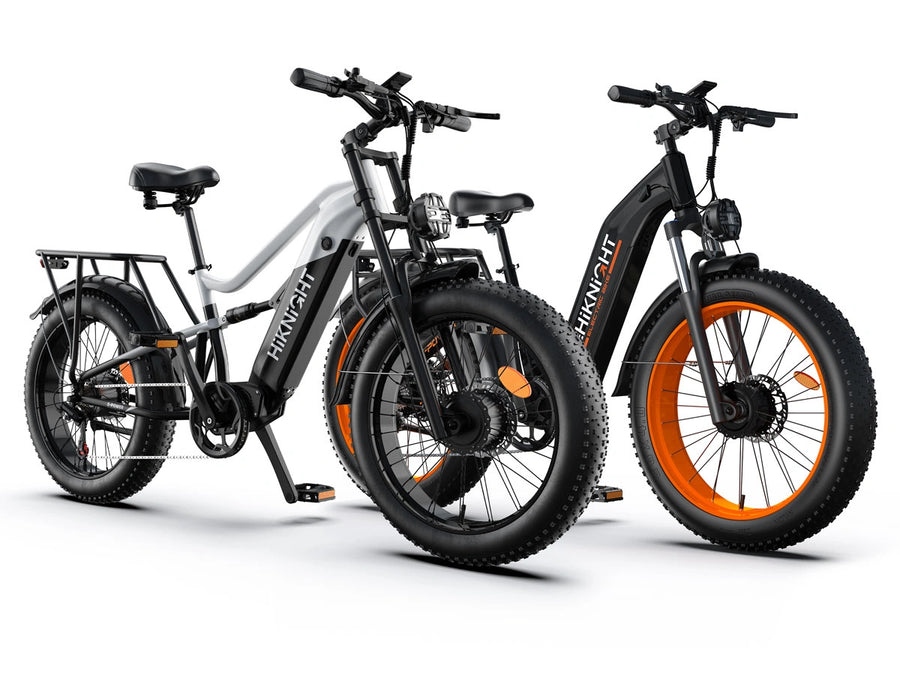
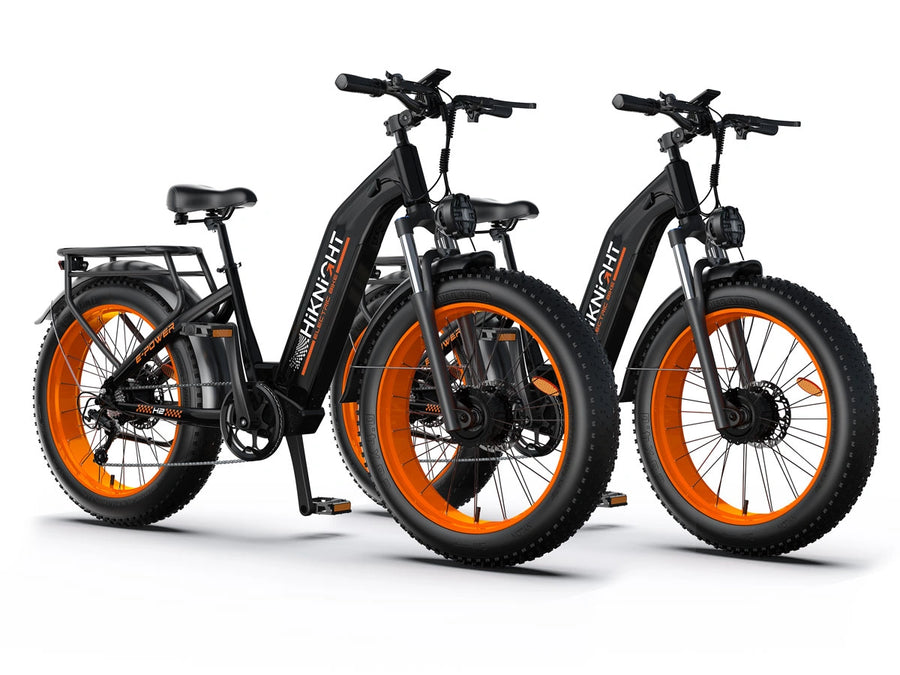
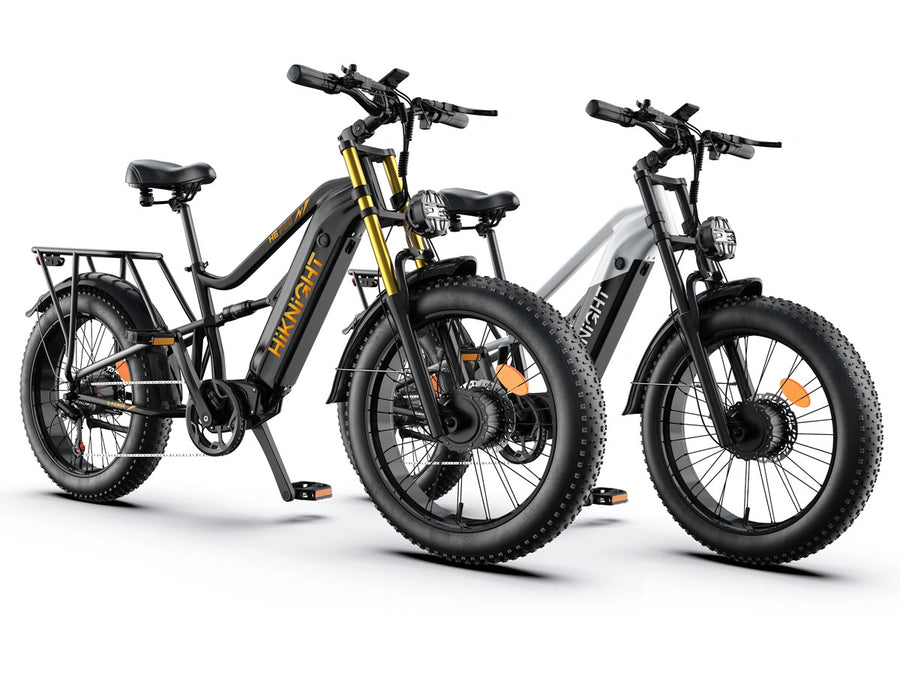
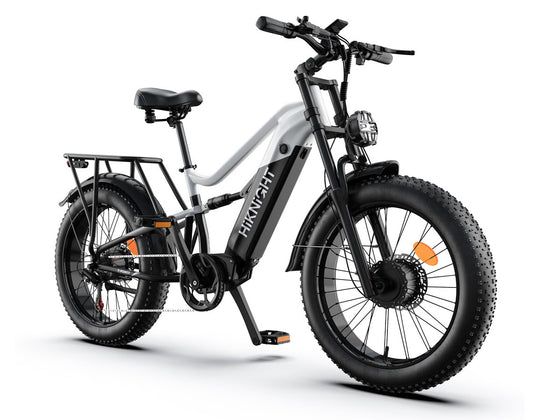
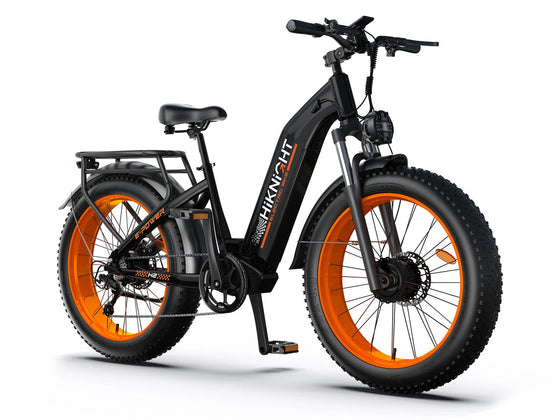
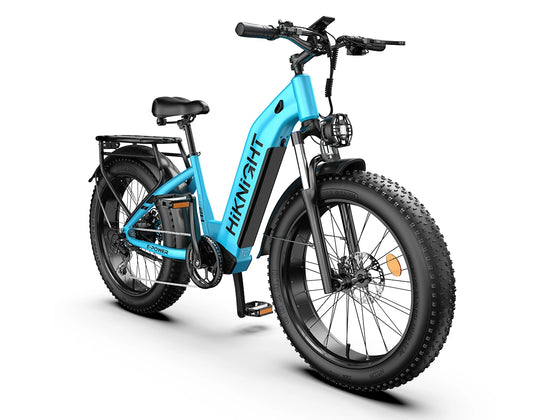
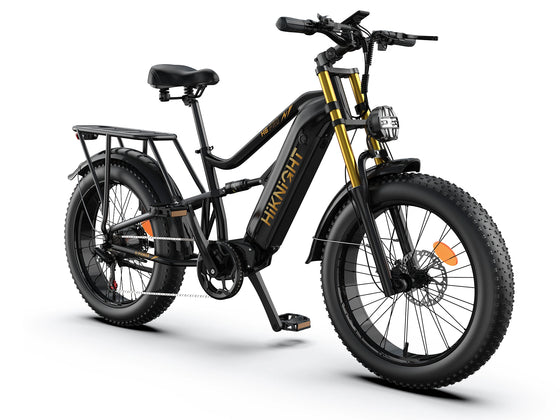
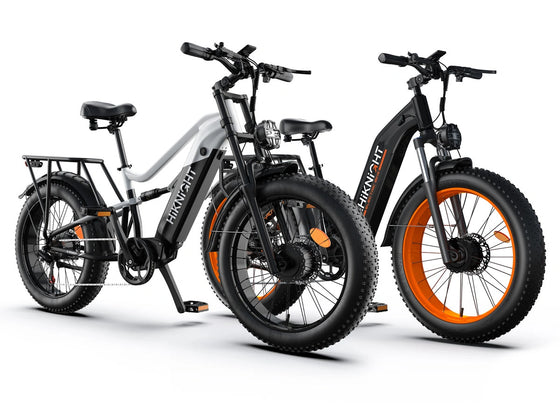
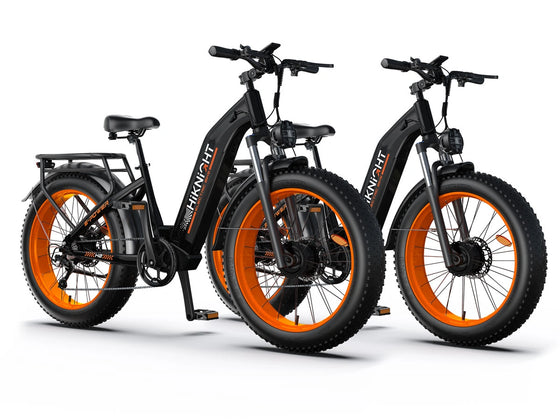
Models such as the H2 Pro and H6 Pro pair high-output motors with braking systems capable of handling increased speed, weight, and mixed terrain.
Rather than treating brakes as an afterthought, HiKNiGHT integrates them as part of the overall performance system. More about this approach can be found on the official HiKNiGHT website.
Common Brake Mistakes Riders Make
Even experienced riders often underestimate braking requirements on electric bikes. Common mistakes include assuming all disc brakes perform the same, ignoring rotor size, and delaying maintenance.
On high-performance e-bikes, small brake issues can quickly become safety risks.
Maintenance Is Not Optional
To keep bike brakes performing consistently, riders should inspect pads regularly, ensure rotors remain aligned, and service hydraulic systems as needed.
Well-maintained brakes deliver predictable control—something no amount of motor power can replace.
Final Thoughts
Motors sell speed. Batteries sell range. But brakes sell trust.
Understanding bike brakes helps adult riders choose systems that match real-world conditions, allowing them to ride confidently and safely—even on powerful electric bikes 🚴♂️
Share:
Are Electric Dirt Bikes Street Legal? What Adult Riders Really Need to Know
Ebike Helmet Guide: How to Choose the Right Helmet for Speed, Power, and Real-World Riding