

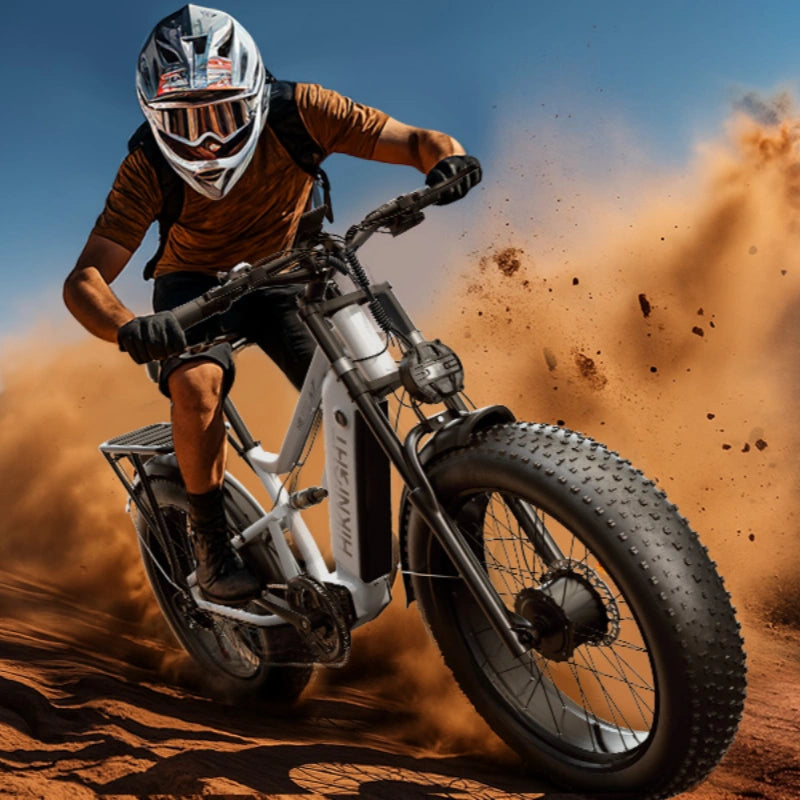

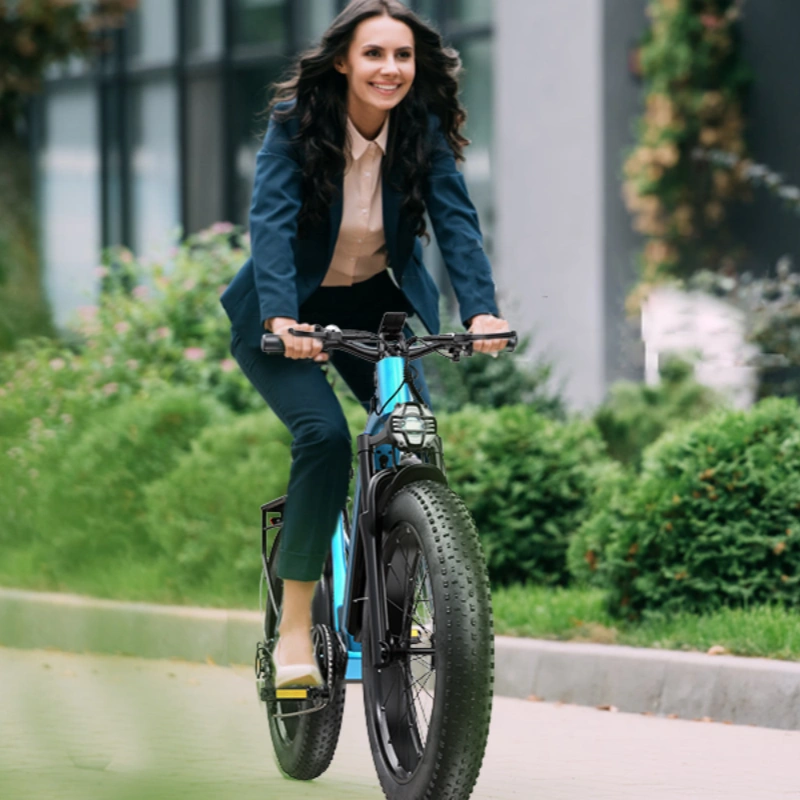
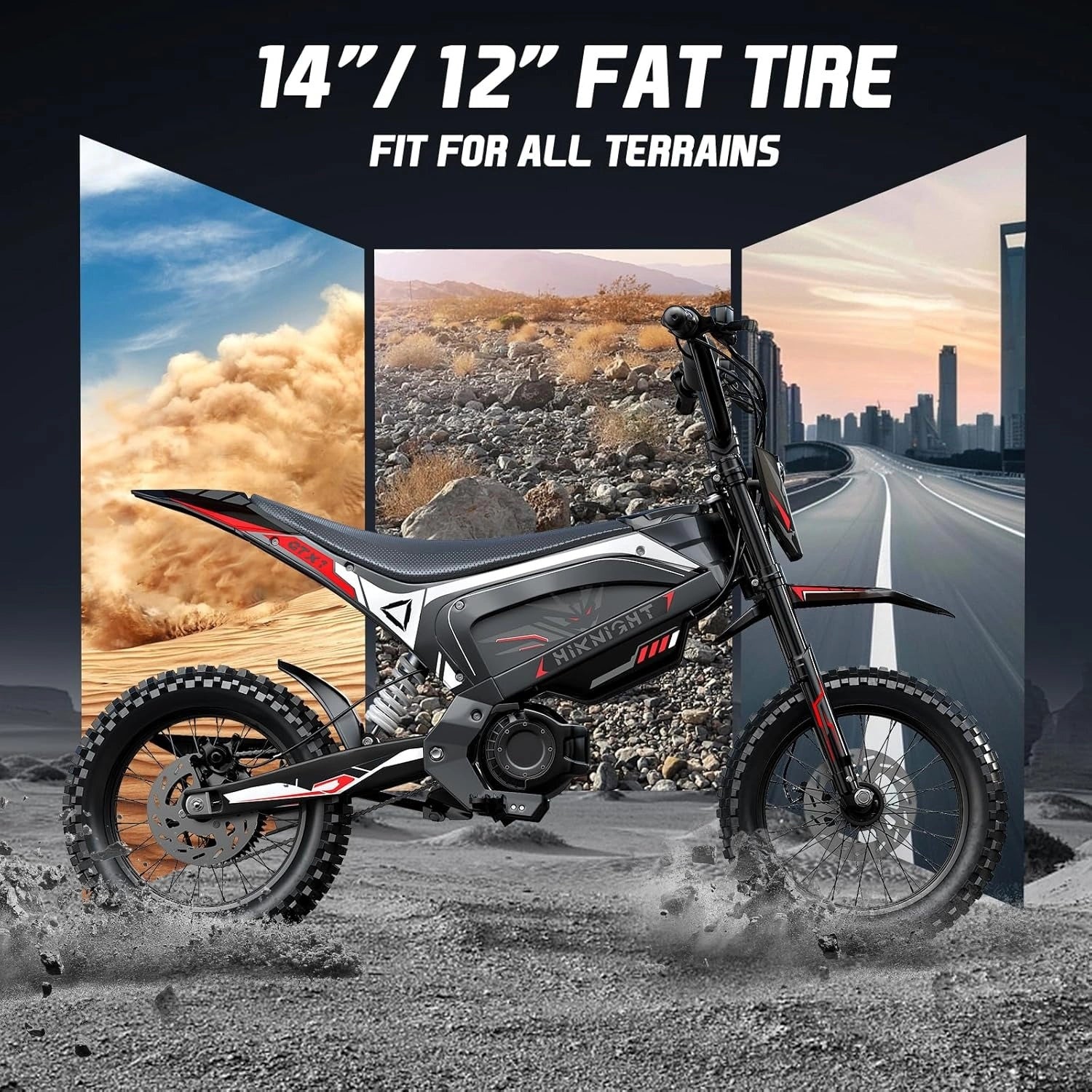

No matter whether you ride a commuter bike, a mountain bike, or a high-performance electric bicycle, bike tire pressure plays a critical role in how your bike feels, handles, and performs. Tire pressure is not a one-time setting—it is a dynamic variable influenced by rider weight, terrain, tire type, and riding style.
Many riders experience reduced range, unstable handling, or excessive tire wear without realizing that improper tire pressure is often the root cause. This is especially true for powerful electric bikes, where weight and torque magnify the effects of incorrect PSI.
This guide explains how bicycle tire pressure works, what common PSI ranges really mean, and how to dial in the right pressure for your riding conditions—so you can ride with confidence and control.
What Is Bike Tire Pressure and Why Does It Matter?
Bike tire pressure refers to the amount of air inside the tire, typically measured in PSI (pounds per square inch). It determines how the tire contacts the ground and directly affects rolling resistance, traction, comfort, and stability.
With the right tire pressure, you benefit from:
- More predictable handling
- Improved riding efficiency
- Better shock absorption
- Lower risk of punctures and premature tire wear
Incorrect pressure, on the other hand, can compromise safety and make even a well-built bike feel difficult to control.
Bicycle Tire Pressure vs. Traditional Bikes: What Changes?
On conventional bicycles, tire pressure mainly affects comfort and rolling efficiency. On electric bikes—especially high-powered models—the impact is far greater.
Electric bicycles introduce additional variables:
- Higher overall weight
- Stronger torque output
- More frequent acceleration and braking
As a result, bicycle tire pressure becomes a key factor not just for comfort, but for stability and control at speed.
Bicycle Tyre PSI: Common Ranges and What They Really Mean
Most riders first notice PSI numbers printed on the sidewall of their tires. These values indicate safe operating limits—not optimal riding pressure.
Typical PSI ranges by tire type include:
- Road bikes: 80–120 PSI
- Hybrid bikes: 50–70 PSI
- Mountain bikes: 30–50 PSI
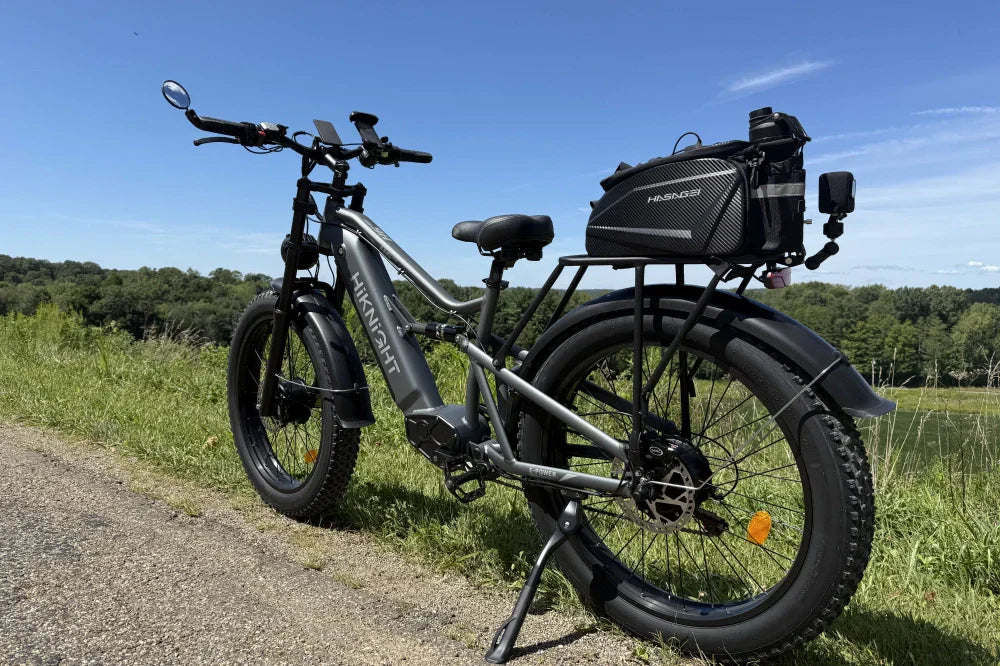
- Fat tire electric bikes: 15–30 PSI
These figures are starting points. Real-world conditions almost always require adjustment.
PSI for Cycle Tyres: How Rider Weight Affects Pressure
Rider weight is one of the most important variables when setting tire pressure.
A simple guideline:
- Lighter riders can generally run lower PSI
- Heavier riders need higher PSI to prevent excessive tire deformation
For electric bikes, consider total load—not just body weight. This includes the bike itself, accessories, and any cargo.
Bike Tire Pressure Recommendations by Terrain
Urban Roads and Commuting
On paved surfaces, slightly higher tire pressure reduces rolling resistance and improves efficiency.
This setup works well for long commutes and steady cruising speeds.
Off-Road and Mixed Terrain
Lower pressure increases traction and allows the tire to conform to uneven surfaces such as gravel, dirt, or trails.
This improves control and comfort while reducing rider fatigue.
Cold Weather and Winter Riding ❄️
Cold temperatures naturally reduce tire pressure. Always check PSI before riding in winter conditions.
A quick adjustment can prevent sluggish handling and uneven wear.
Tire Pressure Considerations for High-Performance Electric Bikes
On powerful electric bikes, tire pressure tolerance is narrower. Small changes can significantly affect handling.
For example:
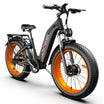
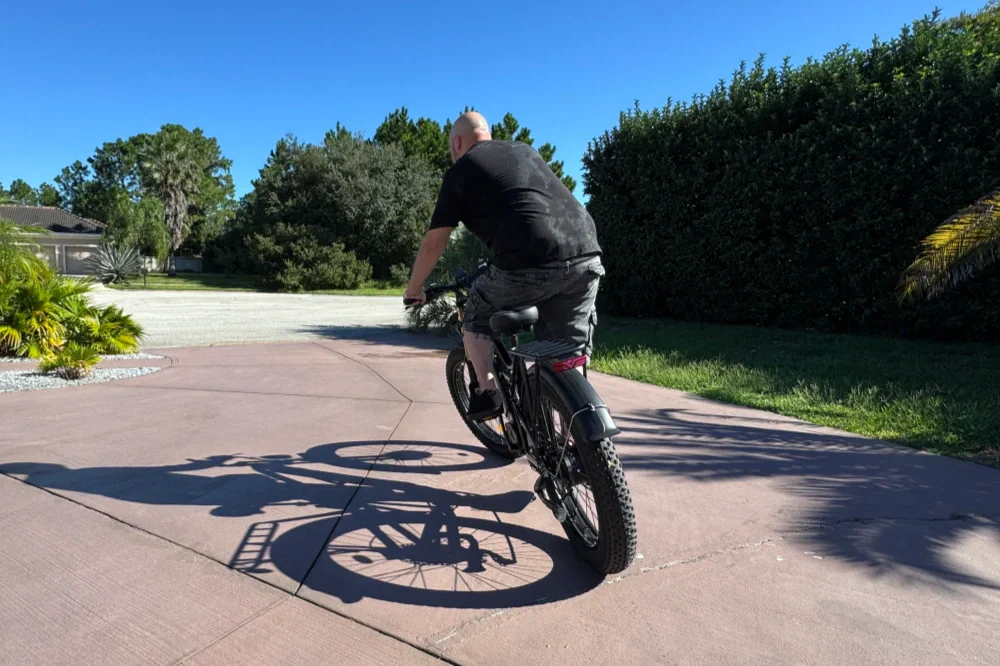
The HiKNiGHT H2 Pro is designed for urban and mixed-terrain riding. Its tire pressure should balance comfort, efficiency, and stability.
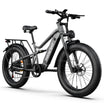
The HiKNiGHT H6 Pro focuses on off-road performance, where slightly lower PSI unlocks better traction and control.
You can explore design philosophy and riding use cases on the HiKNiGHT official website.
Common Tire Pressure Mistakes
Mistake 1: Higher PSI is always faster
Excessive pressure reduces grip and can increase fatigue on real-world surfaces.
Mistake 2: Using sidewall PSI as the ideal value
Sidewall numbers indicate safety limits, not optimal performance.
Mistake 3: Running the same PSI front and rear
Rear tires typically need slightly higher pressure to support more load.
A Practical Method to Dial in the Right PSI
- Start at the middle of the recommended range
- Adjust in 2–3 PSI increments
- Pay attention to comfort, traction, and control
- Fine-tune based on real riding feedback
After a few rides, you will naturally find the pressure “sweet spot” that matches your style.
When Should You Recheck Bicycle Tire Pressure?
- After long periods without riding
- When temperatures change significantly
- When switching terrain or riding style
- If handling suddenly feels different
Tire pressure is not a set-and-forget adjustment—it evolves with your riding habits.
Winter Is a Smart Time to Optimize Your Setup 🎿
The off-season is ideal for refining tire pressure and reassessing your riding setup.
HiKNiGHT is currently offering a Winter Sale with discounts of up to 30% off, making it a practical moment to upgrade or invest in a high-performance electric bike.
👉 View the HiKNiGHT Winter Sale
Final Thoughts
Great riding performance is not defined by power alone. Often, the most impactful improvements come from details that riders overlook. Bike tire pressure is one of those details.
By understanding how pressure interacts with terrain, weight, and riding goals, you can unlock a smoother, more controlled, and more enjoyable ride—without changing a single component.





Leave a comment
All comments are moderated before being published.
This site is protected by hCaptcha and the hCaptcha Privacy Policy and Terms of Service apply.