





If you search for “cycling for weight loss,” you’ll find the same advice everywhere: ride more, sweat more, burn more calories.
But if it were that simple, every cyclist would be lean.
The truth is, cycling works—but only when you understand how to use it properly. This guide breaks down what actually makes a difference, especially if you're riding off-road or considering a high-performance eBike.
1. The Real Foundation of Weight Loss
Before focusing on cycling, you need to understand one principle:
Weight loss comes down to energy balance.
You lose weight when you burn more calories than you consume. Cycling helps increase that output, but it won’t work if your eating habits cancel it out.
2. Why Cycling Is Effective for Fat Loss
Low Impact, Easy to Sustain
Cycling is gentle on joints, which means you can ride longer and more often compared to high-impact activities like running.
High Calorie Burn
Cycling engages large muscle groups like the quads and glutes, making it highly effective for burning calories.
Flexible Intensity
You can adjust your effort level—from relaxed rides to high-intensity sessions—depending on your goals.
3. Why Many Riders Don’t Lose Weight
Riding Too Comfortably
If your ride feels effortless, it’s likely not creating enough stimulus for fat loss.
Eating More After Riding
Cycling increases appetite. Without awareness, many riders consume more calories than they burn.
Inconsistent Routine
Occasional rides won’t lead to results. Consistency is what drives change.
4. The Most Effective Cycling Strategies
Mix Different Intensities
Combine steady rides with short bursts of high effort. This improves efficiency and calorie burn.
Increase Ride Duration
Longer sessions help build endurance and increase total energy expenditure.
Ride Frequently
Even shorter rides, done regularly, are more effective than occasional long sessions.
Keep Diet Simple
You don’t need strict dieting—just avoid overeating and stay consistent with balanced meals.
5. Is Cycling Alone Enough?
Yes, cycling can support weight loss on its own. However, combining it with strength training and proper rest can improve results.
6. Why Off-Road Cycling Burns More
Off-road riding demands more from your body. Uneven terrain, climbs, and resistance require greater effort, leading to higher calorie burn.
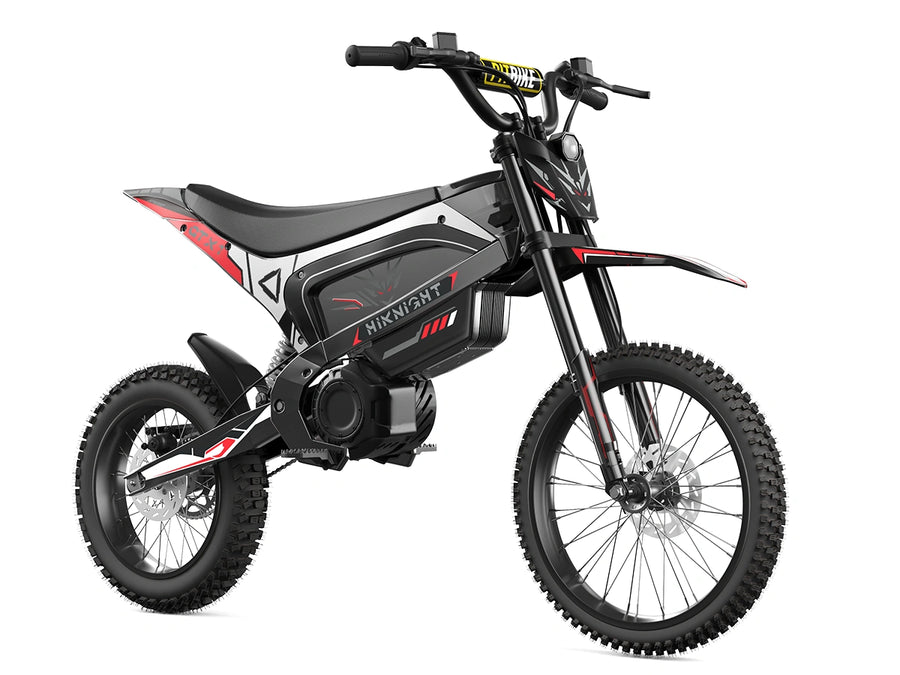
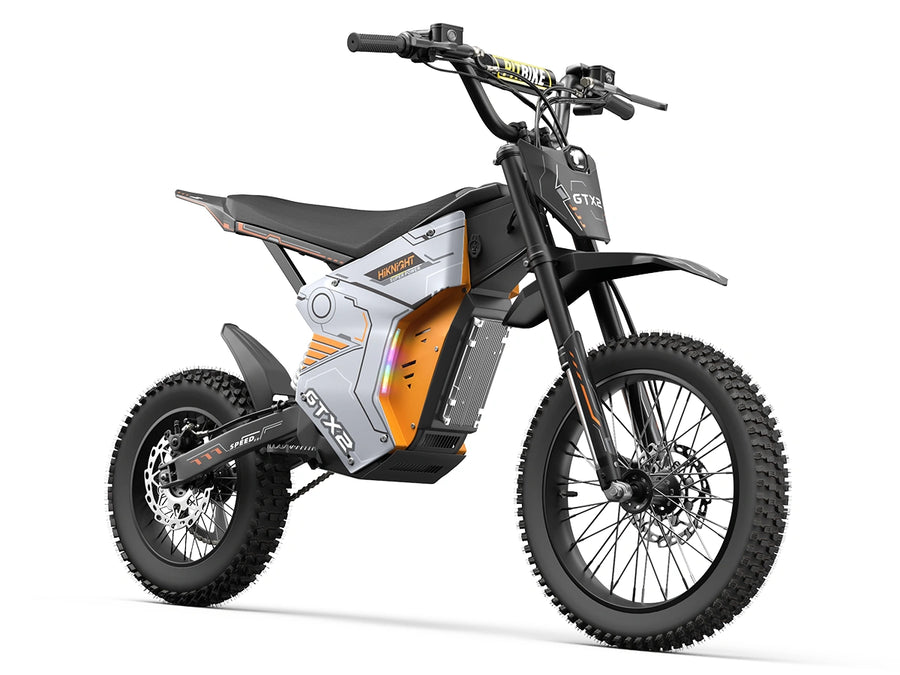
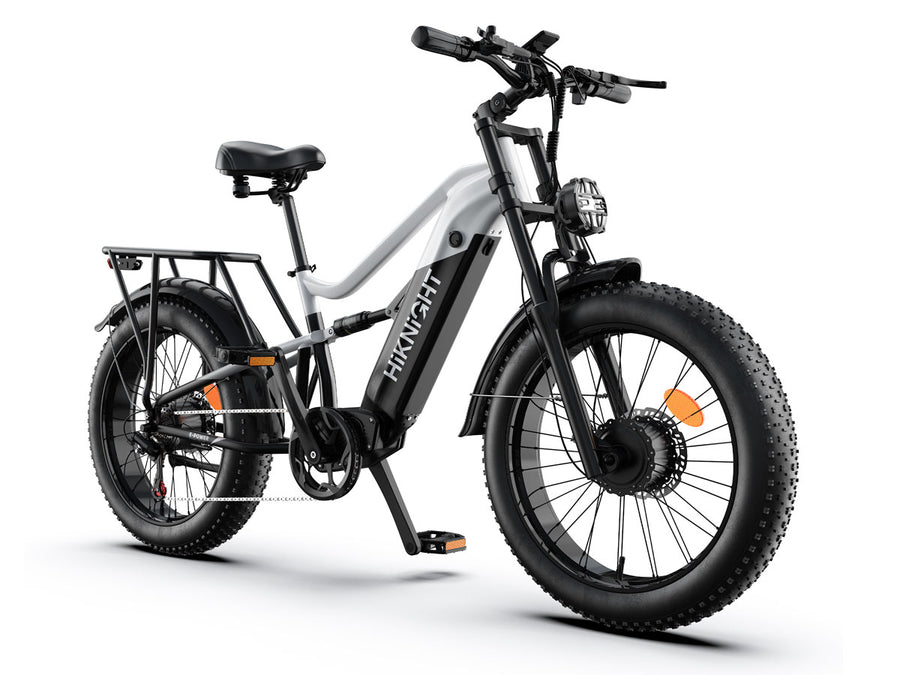
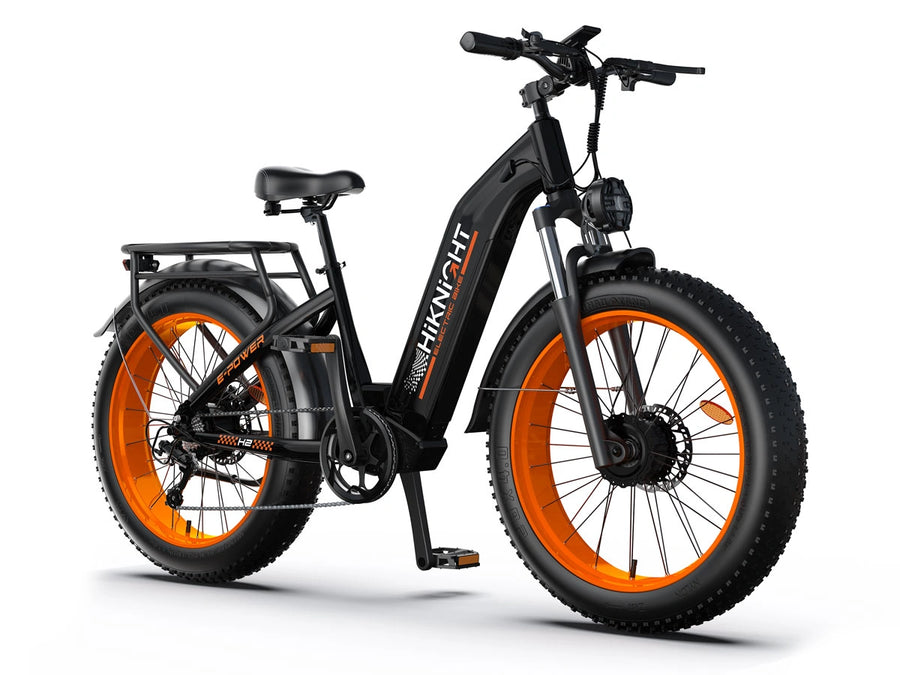
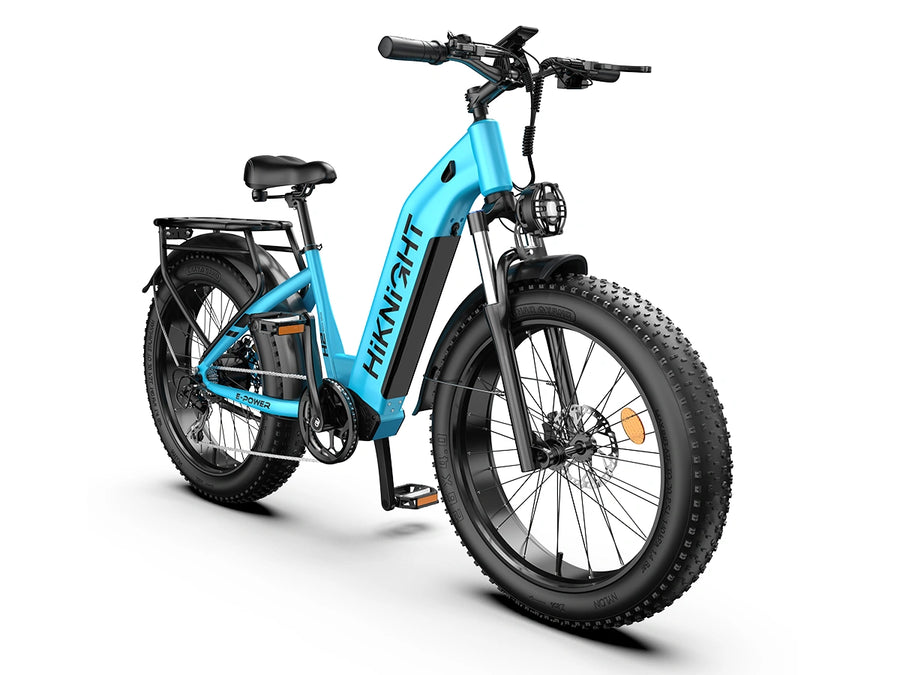
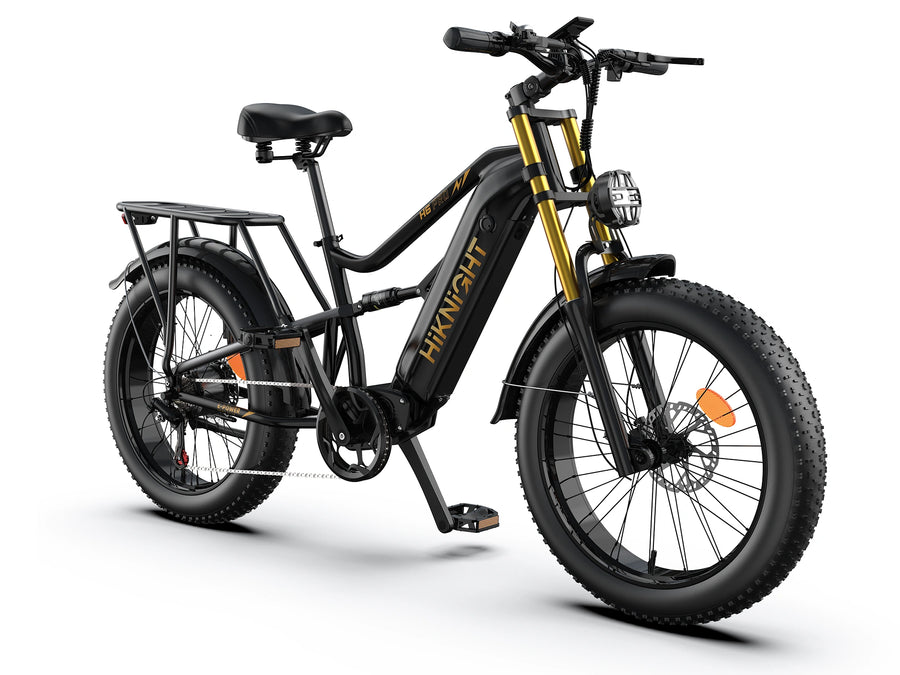
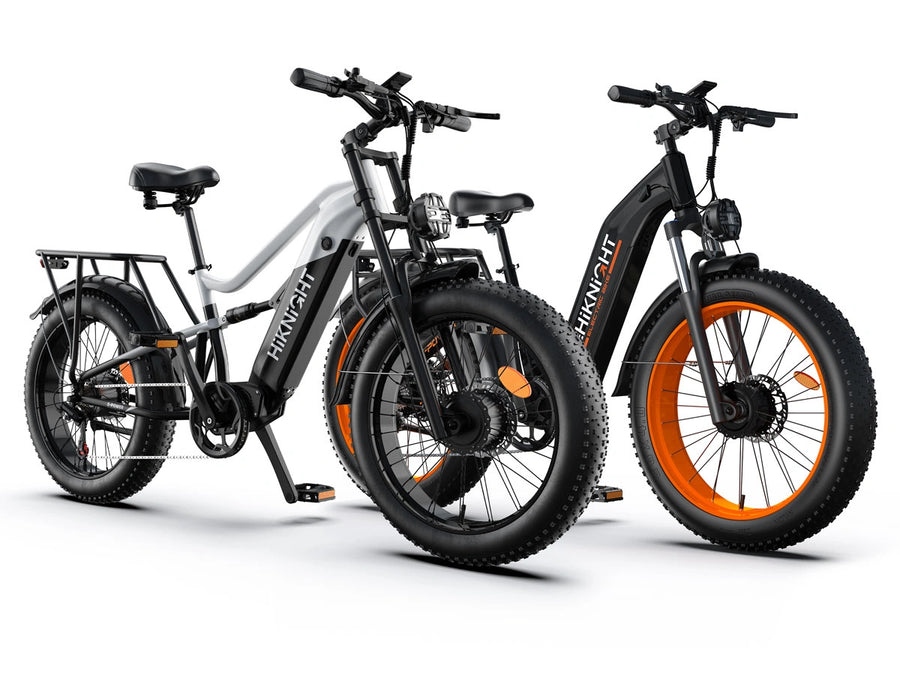
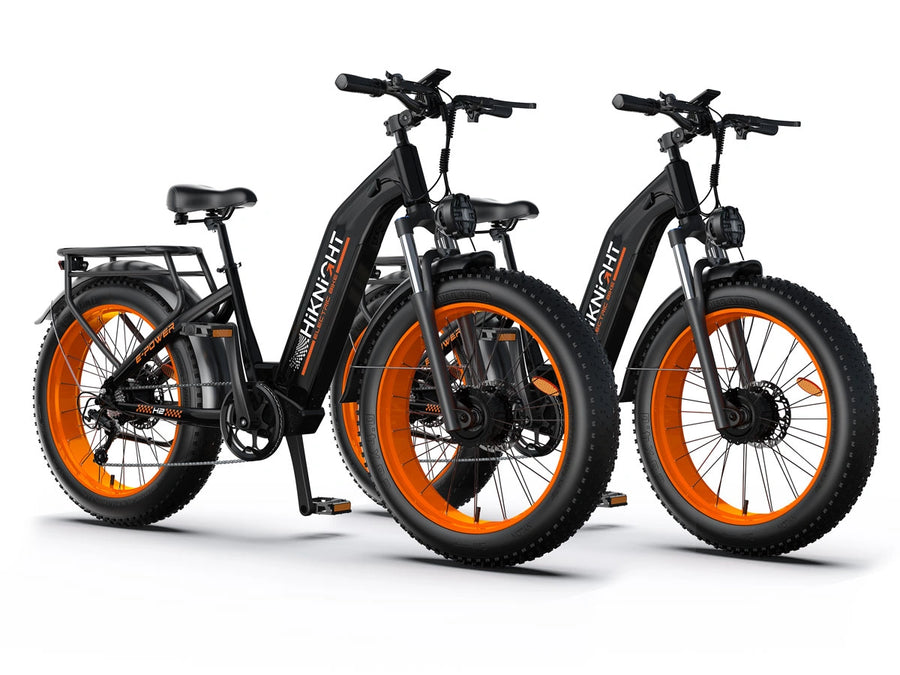
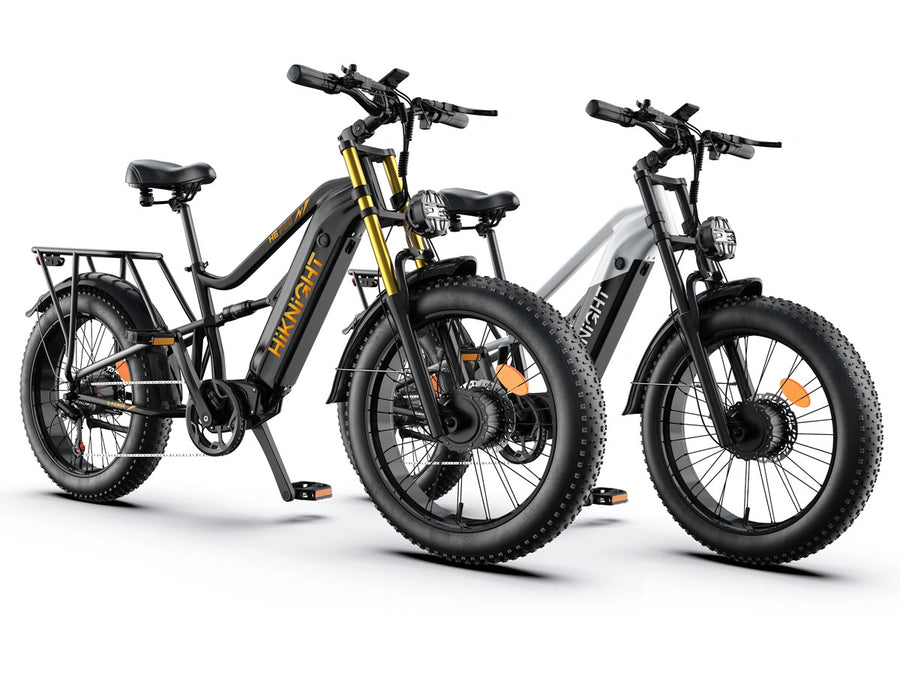
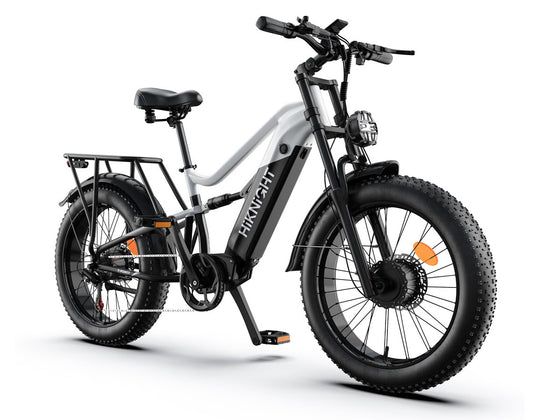
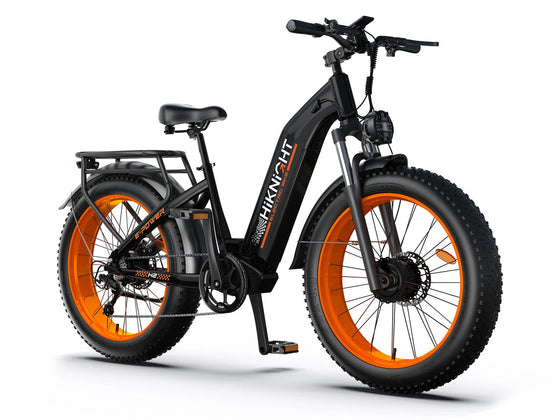
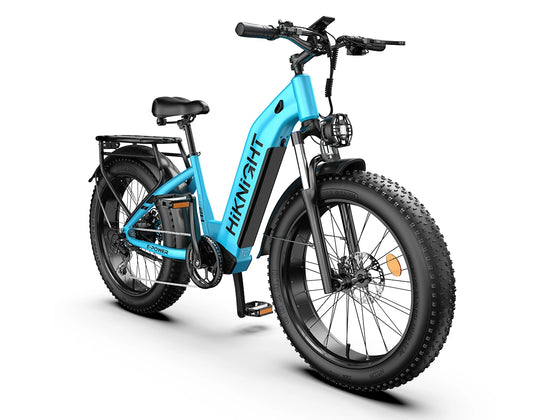
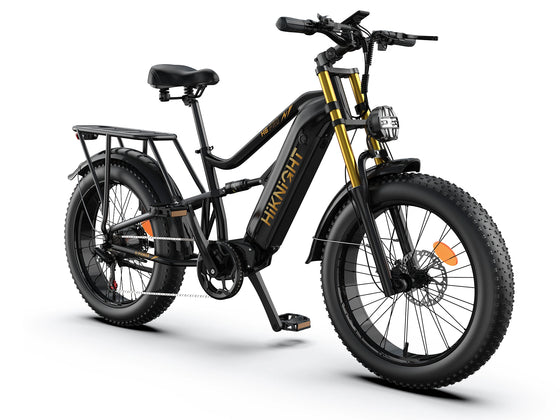
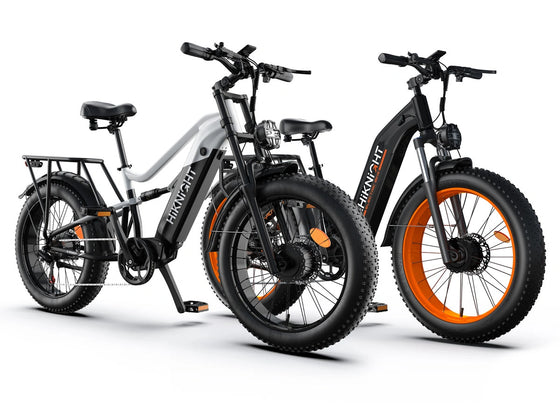
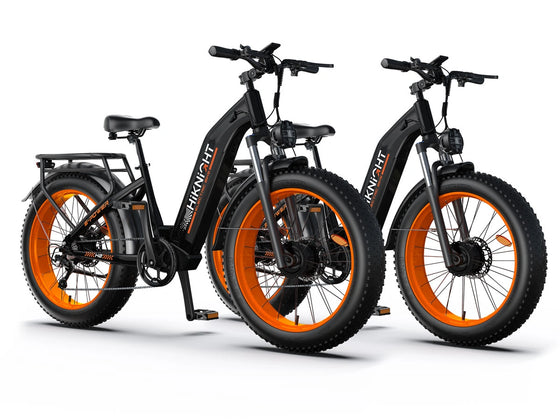
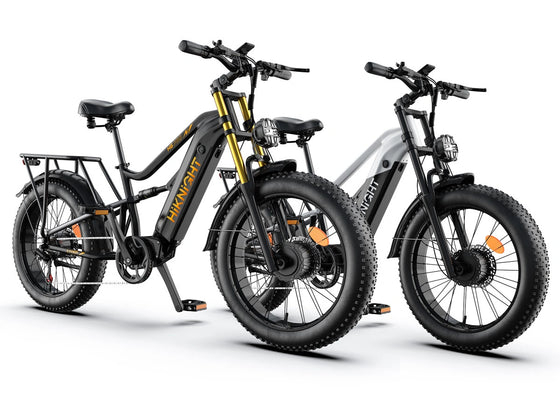
This is where performance-oriented bikes make a difference. For example, models like the HiKNiGHT H2 Pro and HiKNiGHT H6 Pro are designed for challenging terrain, allowing longer and more engaging rides.
7. Can eBikes Help with Weight Loss?
Contrary to common belief, eBikes don’t eliminate effort—they extend it.
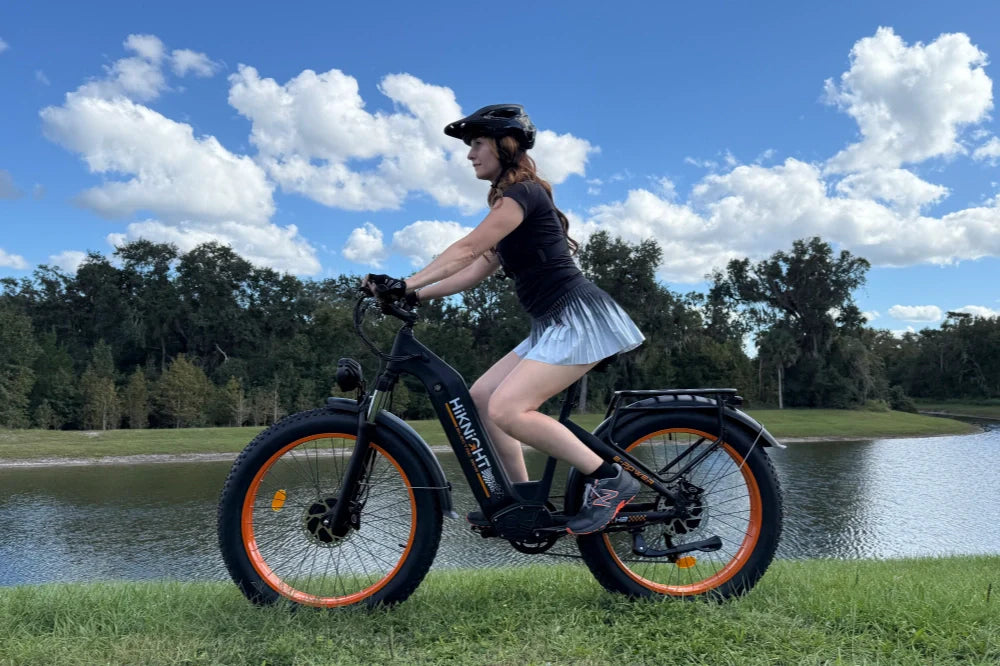
With pedal assist, riders often go farther and ride longer, increasing total calorie burn over time.
8. A Simple Weekly Plan
- 2 moderate rides (30–60 minutes)
- 1 longer ride (60–90 minutes)
- 1 higher-intensity session
This structure is enough to build consistency and see progress.
9. When Will You See Results?
Most riders notice improved stamina within a few weeks, while visible fat loss typically appears after consistent effort over one to two months.
10. Final Thoughts
Cycling for weight loss works—but not because of the bike alone.
It works because it’s sustainable, adaptable, and easier to stick with compared to many other forms of exercise.
If you’re exploring ways to make your rides more engaging or want to tackle more challenging terrain, browsing the HiKNiGHT official website can help you understand how different setups influence real-world riding experience 🚵♂️.
In the end, the most effective routine is the one you can maintain.
Share:
Can You Ride an Electric Motor Bike? Laws, Locations, and What Riders Really Need to Know
Fat Tires Bicycle: What It Is, Why It Matters, and Whether It’s Right for You