

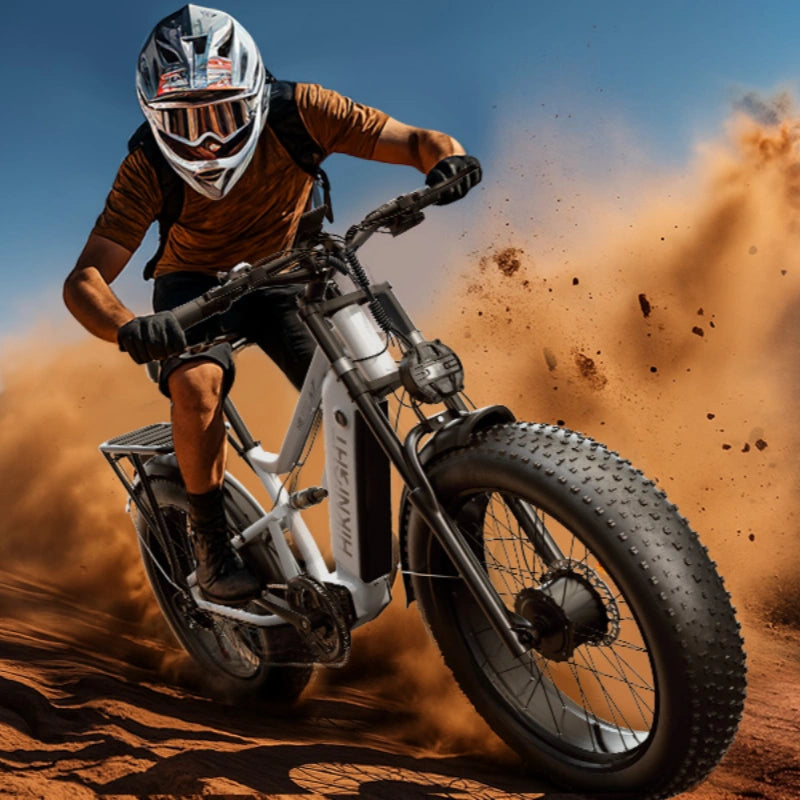
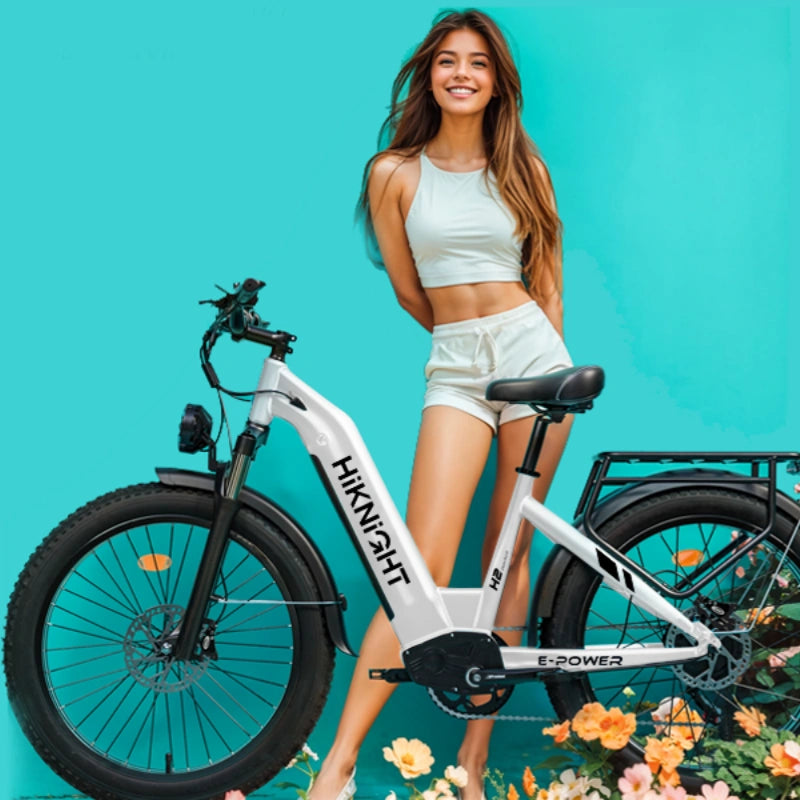
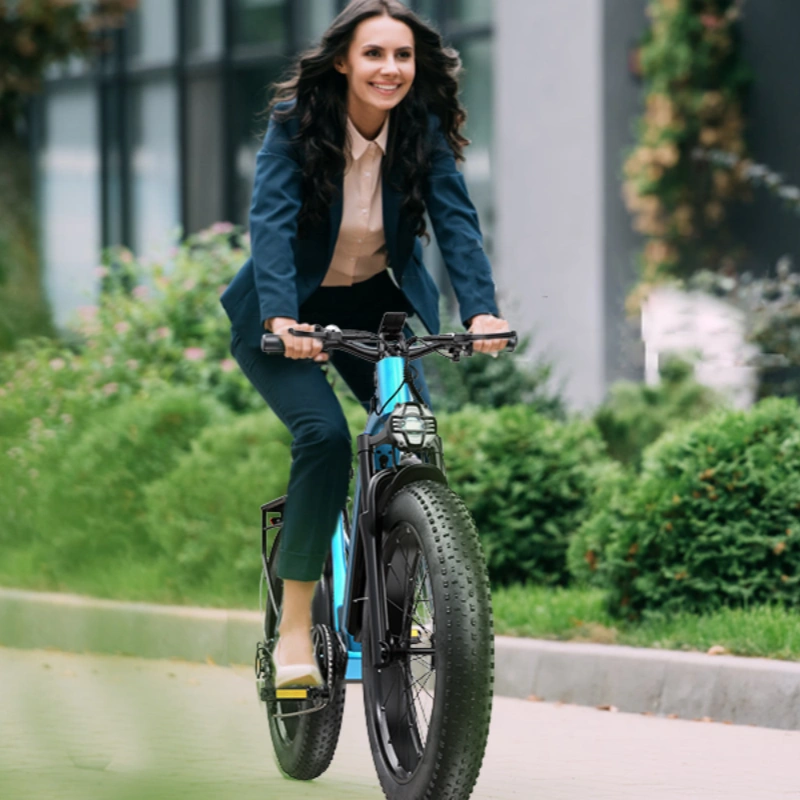
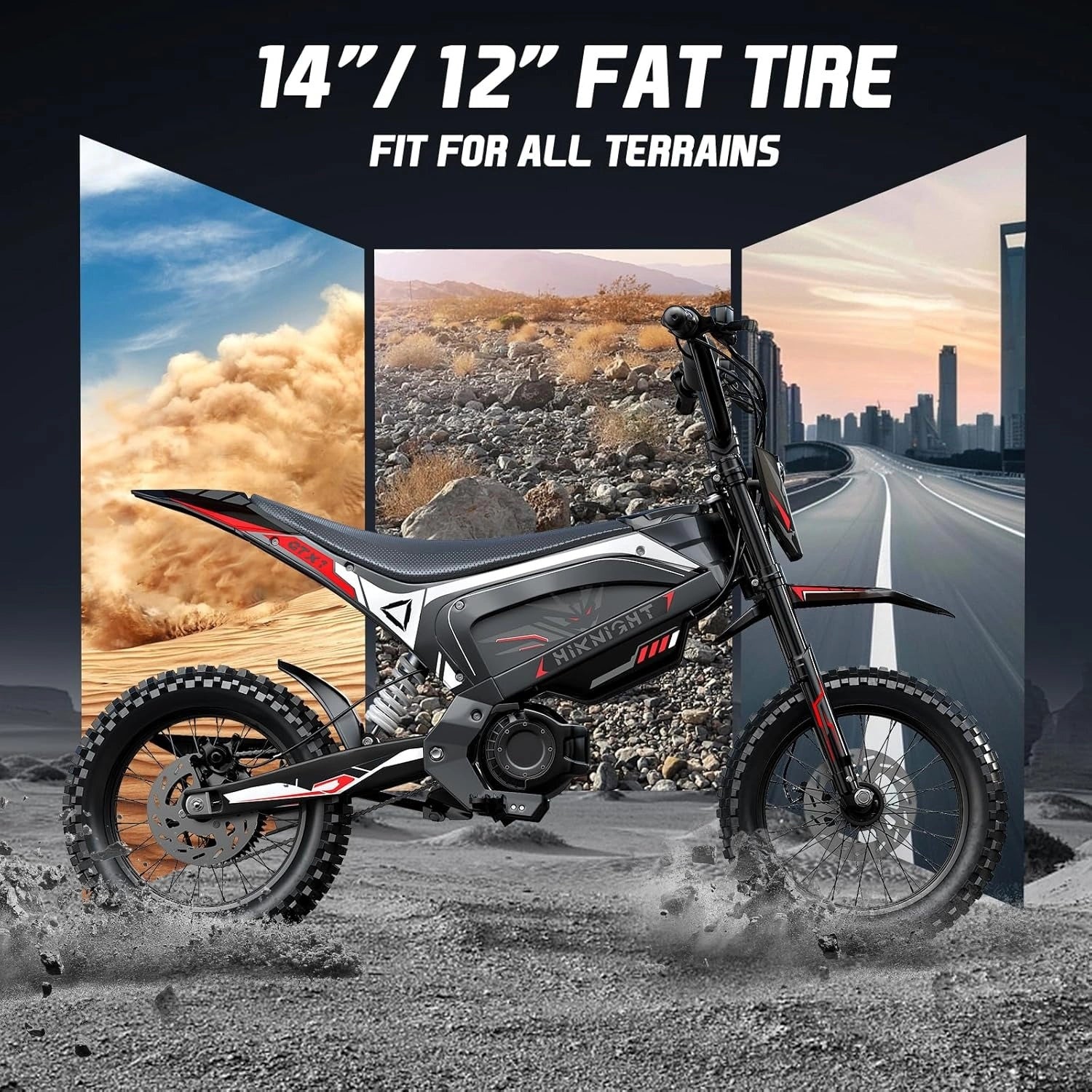

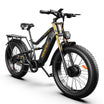
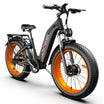
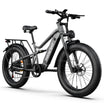
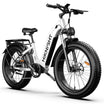
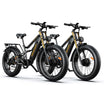
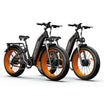
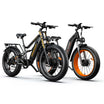
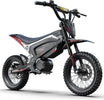

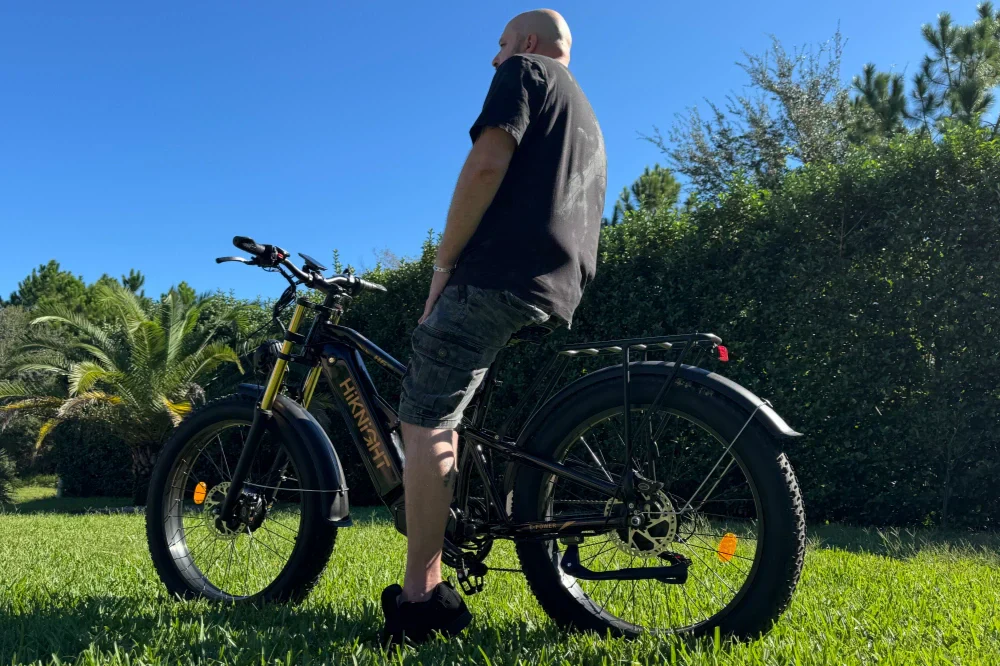
Riding an electric bike offers the perfect blend of exercise and efficiency. Whether you are commuting on a HiKNiGHT GTX1, tackling off-road trails with the H6PRO, or cruising the neighborhood on the H2PRO, the freedom is unmatched.
But as e-bikes surge in popularity across the United States, confusion regarding the law has grown. A common question we receive at HiKNiGHT is: "Do I need a license to ride my e-bike?"
The short answer is: Generally, no. Most states treat electric bicycles like traditional bicycles. However, exceptions exist depending on your state and the "Class" of your bike.
In this 2026 guide, we’ll break down federal guidelines, the 3-Class system, and specific state regulations so you can ride your HiKNiGHT with confidence.
US Federal Guidelines: The Baseline
Before diving into state laws, it is important to understand the federal stance. Under the Consumer Product Safety Commission (CPSC), electric bicycles are defined as consumer products, not motor vehicles, provided they meet specific criteria:
- They must have fully operable pedals.
- The electric motor is less than 750 watts (1 horsepower).
- The maximum assisted speed is 20 mph (on level ground) when powered solely by the motor.
Because they are consumer products, no federal license or registration is required to own or operate compliant e-bikes. However, individual states have the right to enforce their own traffic and licensing laws.
Understanding E-bike Classifications in 2026
To determine if you need a license, you first need to know what kind of e-bike you are riding. Most states—and premium manufacturers like HiKNiGHT—adhere to the three-class system.
Class 1: Pedal-Assist Only
- Operation: The motor provides assistance only when the rider is pedaling.
- Speed Limit: Cuts off at 20 mph.
- License: Rarely required.
- Best For: Casual riders and strict trail compliance.
Class 2: Throttle-Assisted (Most Popular)
- Operation: Features a throttle (like a motorbike) that propels the bike without pedaling, but can also use pedal assist.
- Speed Limit: Throttle cuts off at 20 mph.
- License: Rarely required.
- HiKNiGHT Advantage: Many riders prefer models like the HiKNiGHT H2PRO for this versatility—giving you power when your legs get tired.
Class 3: Speed Pedal-Assist
- Operation: Pedal-assist only (usually), but with a higher speed threshold.
- Speed Limit: Assistance continues up to 28 mph.
- License: Some states may have age restrictions or require helmets, but usually no license is needed.
- Best For: Commuters who need speed, perfect for the HiKNiGHT GTX1.
Note on California’s 2026 Updates: California remains a trendsetter for e-bike safety. Recent updates focus on preventing illegal modifications. For example, modifying a Class 2 bike to exceed 20 mph via throttle or 750W power is strictly prohibited. HiKNiGHT bikes are engineered to comply with safety standards, ensuring you stay legal on the road.
Do You Need a License? State-by-State Breakdown
States Where No License is Required (The Majority)
In most US states, Class 1 and Class 2 e-bikes are treated exactly like standard bicycles. You do not need a driver's license, insurance, or registration.
- Florida: No license or registration needed. You can ride anywhere a traditional bike is allowed. (Note: Local rules in places like Sanibel Island may differ).
- California: No license required currently, though safety certifications for batteries are becoming stricter.
- Kentucky: No license, insurance, or helmet requirements (though we always recommend a helmet when riding your H6PRO!).
- New York: No license required if you are 16 years or older.
- Arizona: No license or registration. However, you must carry a government-issued ID. If you modify a bike to go faster than 25 mph, you may need a Class M license.
- Idaho: No license required, but riders must be at least 15 years old.
States With Specific Requirements
Some states define high-speed e-bikes (Class 3) or moped-style e-bikes differently, which may trigger licensing requirements.
- Alaska: Maintains stricter laws. E-bikes are defined as "motor-driven cycles" and a Class M license is required, though registration is exempt.
- Massachusetts & New Jersey: Class 1 and 2 are license-free. However, Class 3 e-bikes may require an operator's license.
- New Mexico: Riding without a license is prohibited, and the minimum age is 15.
- Hawaii: All e-bikes must be registered (a unique requirement compared to the mainland).
- North Dakota & West Virginia: Depending on power output, some high-performance e-bikes might be classified as mopeds, requiring a license.
How to Get a License (If Your State Requires One)
If you reside in a state like Alaska or New Mexico, or if you are riding a high-speed vehicle that exceeds Class 3 limitations, the process is similar to obtaining a standard driver’s license:
- Visit the DMV: Go to your local Department of Motor Vehicles.
- Documentation: Bring identification (Passport/ID) and any required training certificates.
- Testing: Pass the written and/or road skills test.
- Fee: Pay the licensing fee.
Fortunately, for the vast majority of HiKNiGHT riders using our standard configurations, this process is unnecessary.
Frequently Asked Questions
Is there an age limit for riding a HiKNiGHT e-bike?
While there is no federal age limit, many states (like New York and Idaho) set the minimum age at 15 or 16 for e-bike operation on public roads. Always check your local municipality's rules.
Do electric bikes need insurance?
Generally, no. E-bikes are not motor vehicles like cars. However, check with your homeowners or renters insurance provider to see if your e-bike is covered against theft or damage.
Can I ride my electric bike on bike paths?
Yes! Class 1 and Class 2 bikes (like the H2PRO) are usually permitted on shared-use paths and bike lanes. Class 3 bikes are sometimes restricted to the road due to their higher speeds.
Conclusion: Ride Legal, Ride Free
So, do you need a license for an electric bike in 2026? In most cases, the answer is no. As long as you are riding a compliant Class 1, 2, or 3 e-bike, you can enjoy the road without the hassle of the DMV.
At HiKNiGHT, we design our bikes—the powerful GTX1, the versatile H2PRO, and the rugged H6PRO—to deliver maximum performance while keeping you compliant with standard regulations.
Ready to hit the road? Explore the full HiKNiGHT collection today and find the perfect ride for your lifestyle.
Disclaimer: Laws are subject to change. This guide provides an overview of 2026 regulations but does not constitute legal advice. Always check your local state and city ordinances before riding.






Leave a comment
All comments are moderated before being published.
This site is protected by hCaptcha and the hCaptcha Privacy Policy and Terms of Service apply.