

The term dual motor eBike is often misunderstood. Some riders assume it means excessive power, unnecessary complexity, or higher cost without real benefit. Others see it as the ultimate solution for off-road riding. The reality is more nuanced.
A dual motor eBike is not automatically better than a single motor bike. However, under the right conditions—and for the right type of rider—it delivers capabilities that a single motor system simply cannot match. This guide explains how dual motor eBikes actually work, what changes in real-world riding, and who should seriously consider one.
What Is a Dual Motor eBike?
A dual motor eBike uses two hub motors, typically one mounted in the front wheel and one in the rear. Instead of relying on a single point of propulsion, power is distributed across both wheels.
This configuration fundamentally changes how the bike behaves under load. Rather than pushing or pulling from one end, the bike moves forward as a balanced system. The result is improved traction, more predictable handling, and greater control in challenging environments.
Dual motor systems are not designed to increase top speed. Their primary purpose is to maintain momentum and stability when conditions are less than ideal.
Why Single Motor eBikes Reach Their Limits
Single motor eBikes perform well in controlled environments such as paved roads and light trails. Problems arise when traction becomes inconsistent or when sustained torque is required.
Common limitations include rear-wheel spin on loose surfaces, reduced climbing ability on steep grades, and noticeable strain under heavier rider weight or cargo loads.
Once a single motor reaches its traction limit, additional power becomes ineffective. This is where dual motor systems offer a practical advantage.
How Dual Motor Systems Improve Traction and Control
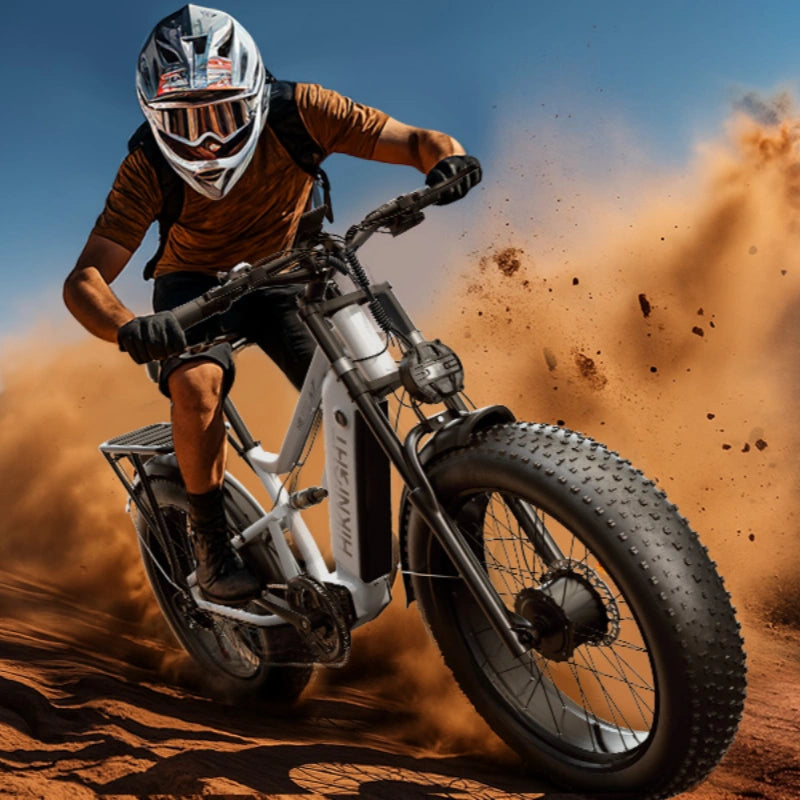
With both wheels contributing to propulsion, a dual motor eBike distributes torque more evenly. Front-wheel assistance stabilizes the bike during acceleration and climbing, especially on gravel, sand, snow, or muddy terrain.
This dual-point drive significantly reduces wheel slip and helps the bike maintain forward progress where single motor bikes struggle. For off-road riders, this translates into smoother starts, more confident hill climbs, and fewer moments of lost control.
Dual Motor vs Single Motor: What Riders Actually Feel
Hill Climbing Performance
On steep inclines, dual motor eBikes climb more smoothly and predictably. Instead of forcing one wheel to do all the work, the system shares the load, reducing stress on individual components.
Stability on Loose Terrain
Sand, snow, and gravel expose the weaknesses of single motor setups. Dual motor bikes maintain grip by actively engaging both wheels, improving balance and rider confidence.
Low-Speed Control
Contrary to common belief, well-tuned dual motor systems are not harder to control. In fact, they often feel more composed at low speeds because power delivery is smoother and more evenly distributed.
When a Dual Motor eBike Is the Right Choice
A dual motor eBike is most beneficial when riding conditions exceed the comfort zone of single motor designs.
You should strongly consider a dual motor setup if you regularly:
- Ride off-road trails or forest roads
- Climb steep or sustained hills
- Ride on snow, sand, or loose gravel
- Carry heavier rider weight or gear
In these scenarios, dual motors are not a luxury—they are a functional upgrade.
When a Dual Motor eBike May Be Unnecessary
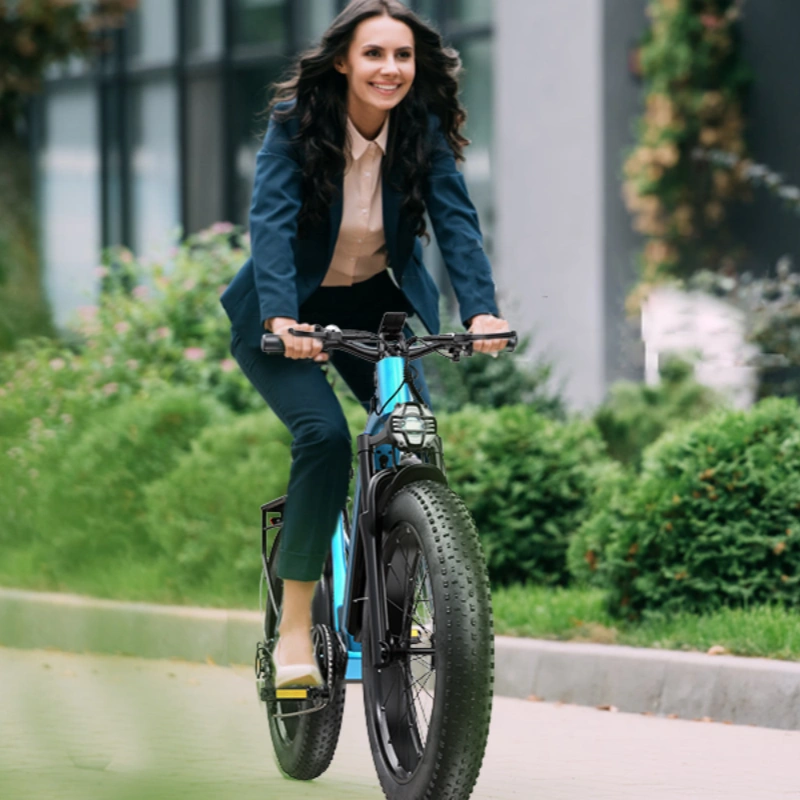
Dual motor systems are not ideal for every rider. If your riding is limited to flat city commuting or short recreational trips on pavement, a quality single motor eBike may be more efficient and cost-effective.
The key is choosing a bike that matches real-world use rather than selecting features based on specifications alone.
Power Is Only Useful If It’s Usable
More motors do not automatically mean better performance. Poorly implemented dual motor systems can feel abrupt, inefficient, or difficult to manage.
Effective designs focus on smooth controller tuning, balanced geometry, and reliable component integration. This is where brand philosophy plays a critical role.
HiKNiGHT’s Dual Motor Design Philosophy
Rather than treating dual motors as a marketing feature, HiKNiGHT designs its eBikes around real off-road riding conditions.
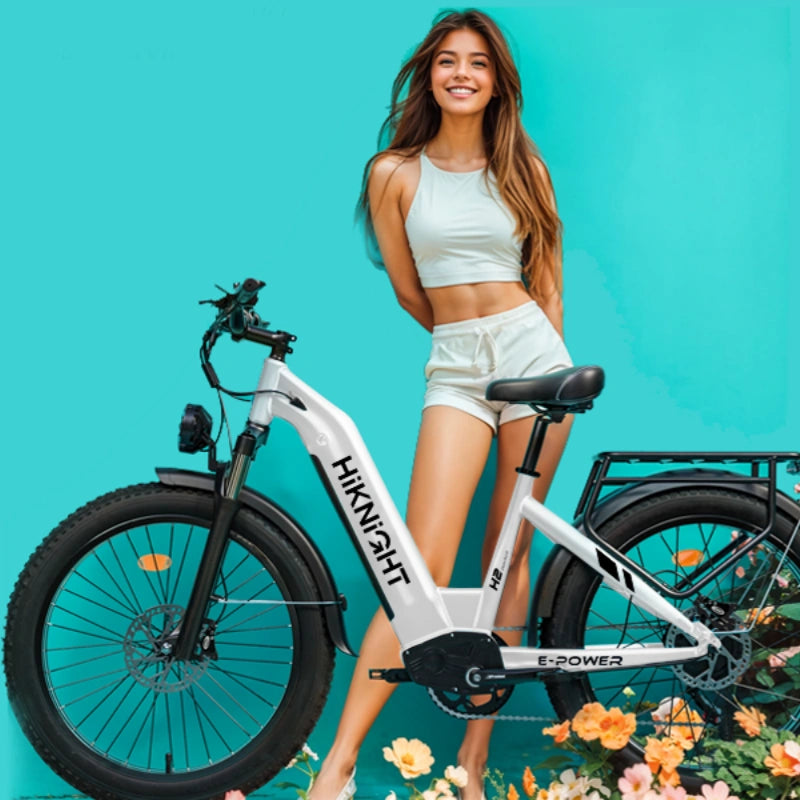
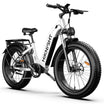
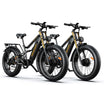
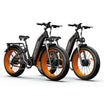
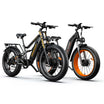
The HiKNiGHT H2 Pro is built for riders who prioritize torque, climbing ability, and traction on unpredictable terrain. Its dual motor system works in harmony with fat tires and a reinforced frame to deliver stable, controlled power.
For riders seeking similar performance with a more refined ride feel, the HiKNiGHT H6 Pro balances strength with handling precision, making it suitable for longer rides and varied conditions.
Battery Use, Efficiency, and Real-World Range
Many riders worry that dual motor eBikes drain batteries faster. In practice, efficiency depends on how the system is used.
Dual motor bikes often operate with lower strain per motor, reducing energy loss from wheel spin. Riders can also adjust motor usage depending on terrain, making real-world range differences smaller than expected.
Who Benefits Most From a Dual Motor eBike?
Based on real riding conditions, dual motor eBikes are best suited for adult riders who prioritize capability and reliability over minimal weight.
They are particularly effective for off-road enthusiasts, riders in challenging climates, and those who demand consistent performance under load.
Final Thoughts: Dual Motor Is About Capability, Not Excess
A dual motor eBike is not about having more than necessary—it’s about having enough when conditions become difficult.
When designed correctly, dual motor systems enhance control, confidence, and versatility without overpowering the ride. For the right rider, that difference is immediately noticeable 🚴♂️




Leave a comment
All comments are moderated before being published.
This site is protected by hCaptcha and the hCaptcha Privacy Policy and Terms of Service apply.