








How to Tell If Your Bike Inner Tube or Tire Is Damaged: A Complete Inspection Guide
How to tell if your bike inner tube or tire is damaged is one of the most important skills every cyclist and eBike rider should learn. A damaged tire or inner tube can affect handling, reduce efficiency, increase the risk of accidents, and leave you stranded miles from home.

Table of Contents
- How to Quickly Tell If Your Tire or Tube Is Damaged
- Signs Your Bike Tire Is Damaged
- Signs Your Bike Inner Tube Is Damaged
- How to Inspect Your Bike Tire and Tube
- Repair or Replace?
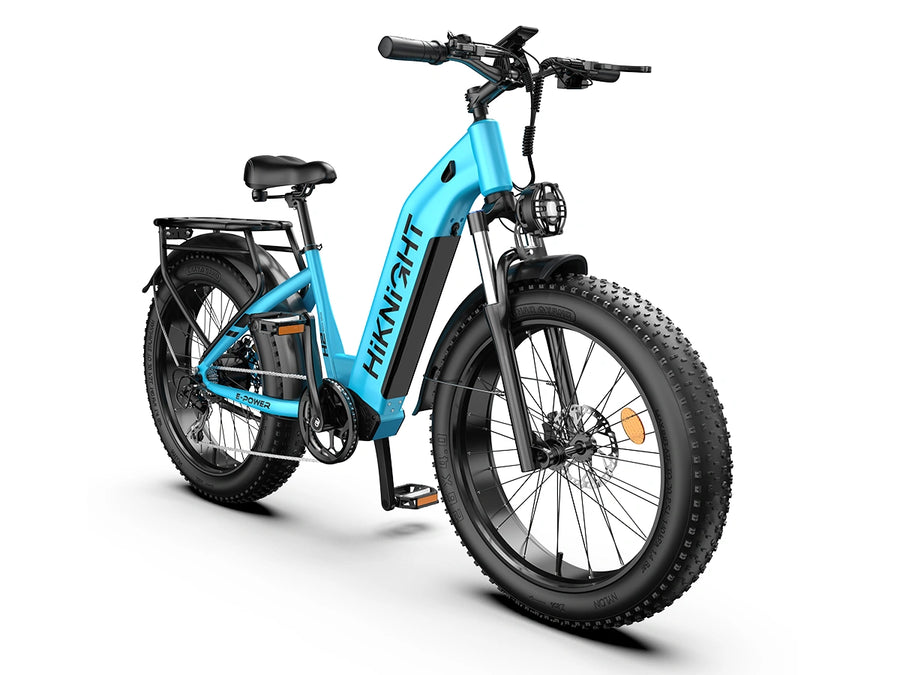
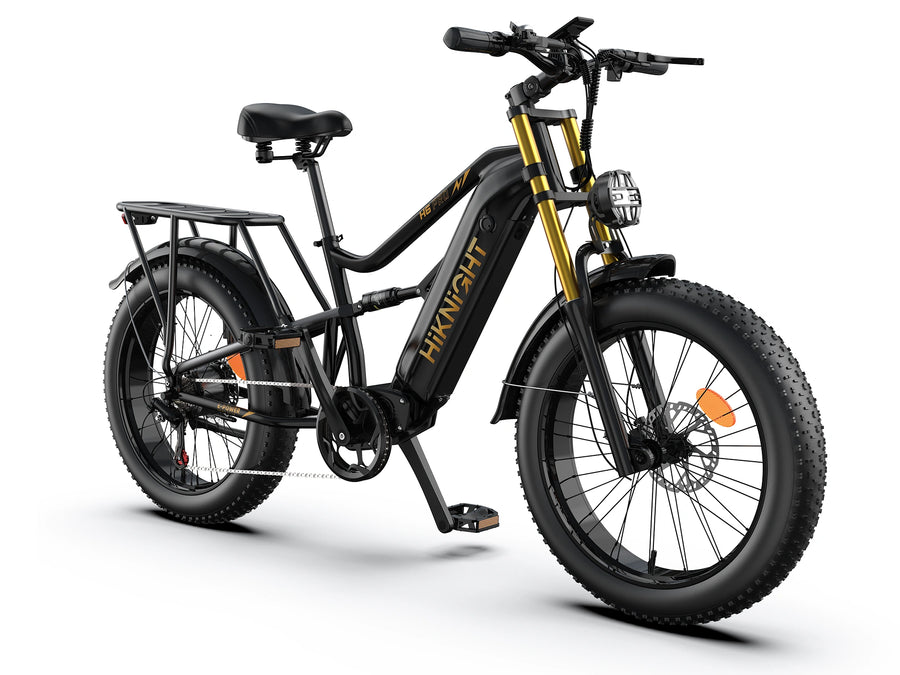
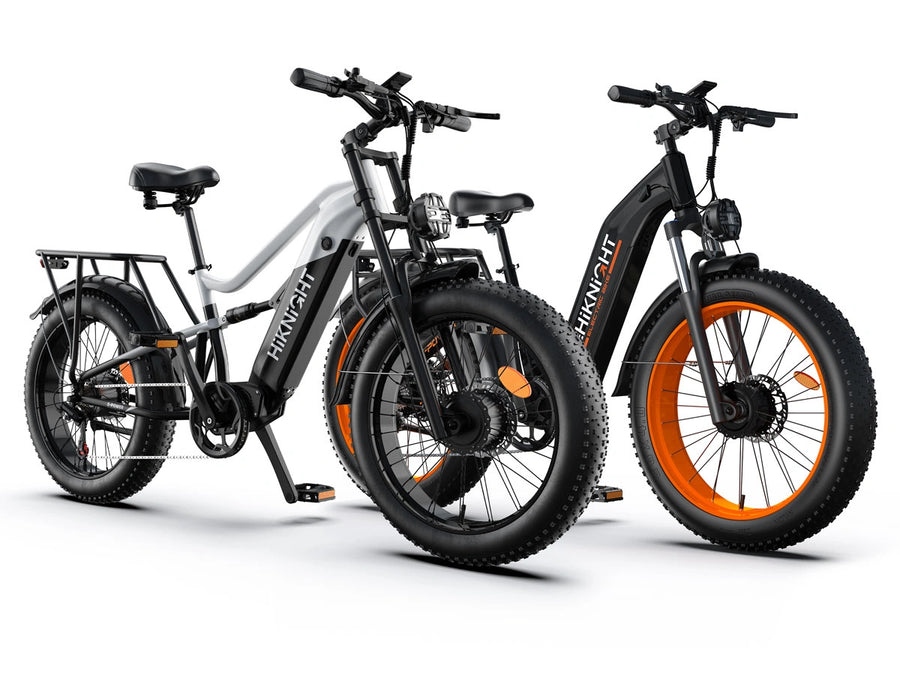
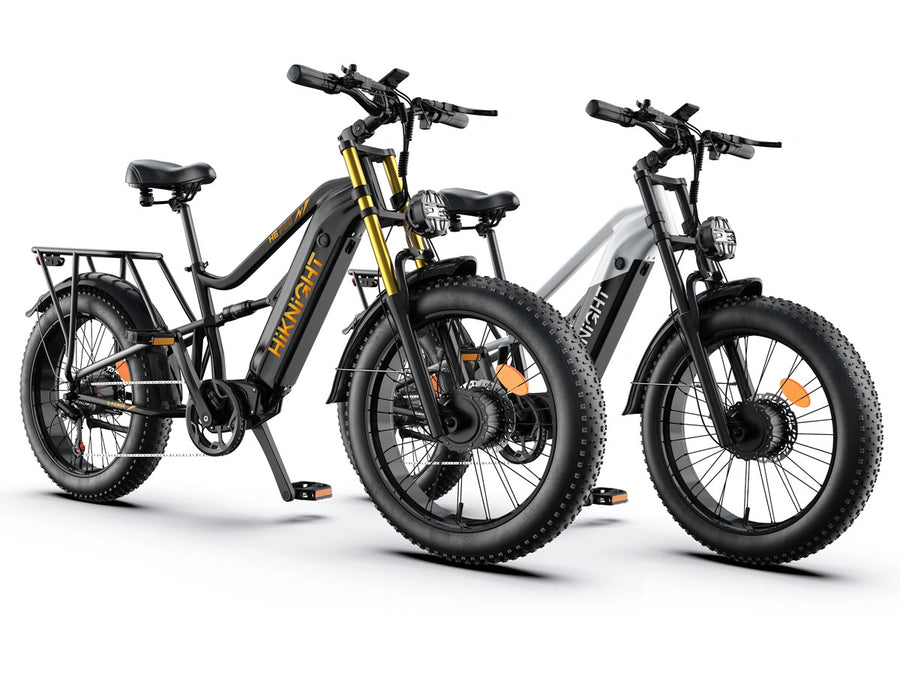
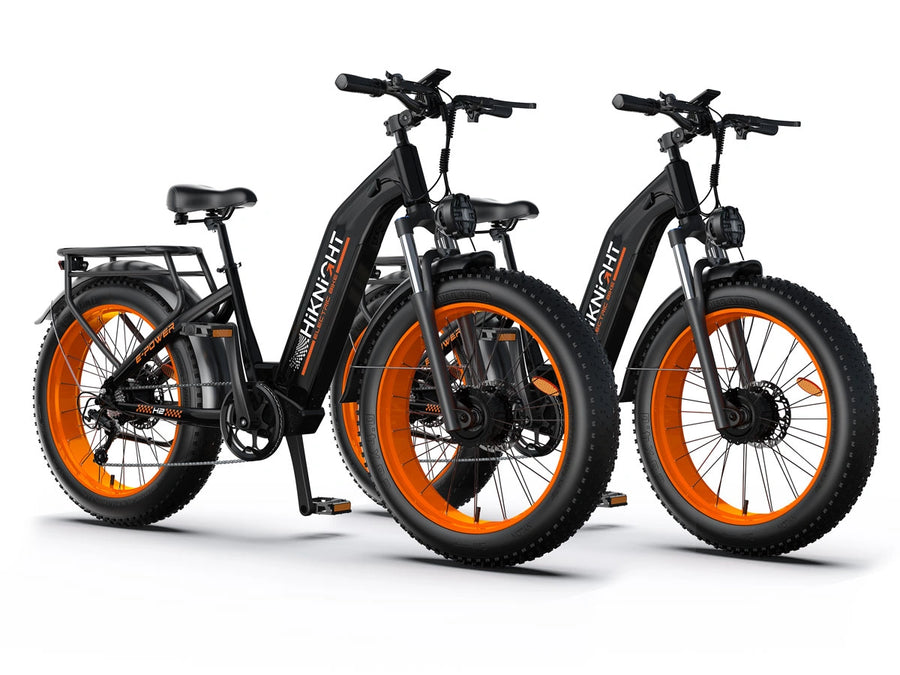
- HiKNiGHT eBikes Built for Tough Terrain
- FAQ
How to Quickly Tell If Your Tire or Tube Is Damaged
You can tell if your bike tire or inner tube is damaged by checking for visible cracks, cuts, punctures, bulges, exposed casing threads, or persistent air leaks. If your tire frequently loses pressure or develops sidewall damage, replacement is usually recommended.
Signs Your Bike Tire Is Damaged
Cracked Sidewalls
Sidewall cracks indicate aging rubber and can eventually lead to blowouts.
Cuts and Gashes
Sharp debris such as glass, metal, and rocks can cut into the tire and weaken its structure.
Bulges or Uneven Shape
A bulging tire often indicates internal cord damage and should be replaced immediately.
Excessive Tread Wear
Worn tread reduces traction and increases braking distance.
Exposed Tire Casing
If fabric layers become visible beneath the rubber, the tire has reached the end of its service life.
Signs Your Bike Inner Tube Is Damaged
Slow Air Loss
If your tire gradually loses pressure over a few days, the inner tube likely has a small puncture.
Sudden Flat Tire
Rapid pressure loss usually points to a larger puncture or valve failure.
Valve Stem Damage
Cracks around the valve stem often require full tube replacement.
How to Inspect Your Bike Tire and Tube
- Clean the tire thoroughly.
- Inspect tread and sidewalls.
- Inflate to the recommended PSI.
- Listen for escaping air.
- Remove the tube if necessary.
- Use a water test to locate leaks.
- Inspect the valve stem carefully.
Repair or Replace?
| Damage Type | Repair | Replace |
|---|---|---|
| Small Tube Puncture | ✓ | |
| Valve Leak | ✓ | |
| Large Tube Tear | ✓ | |
| Bulging Tire | ✓ | |
| Sidewall Crack | ✓ |
HiKNiGHT eBikes Built for Tough Terrain
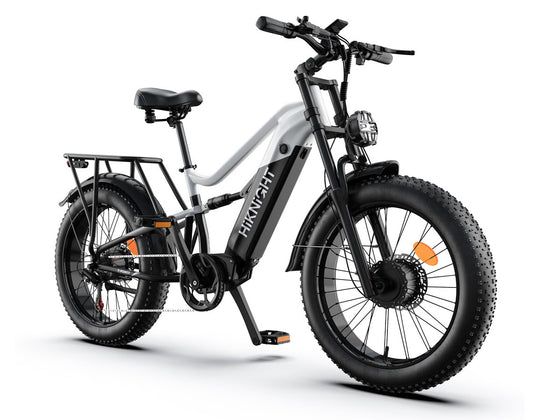
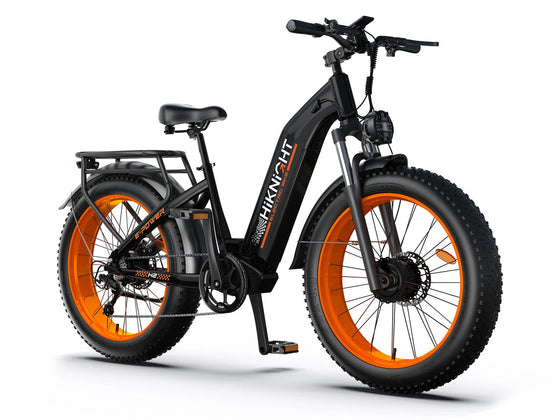
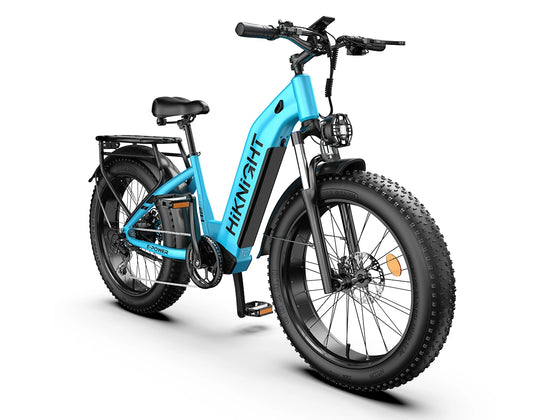
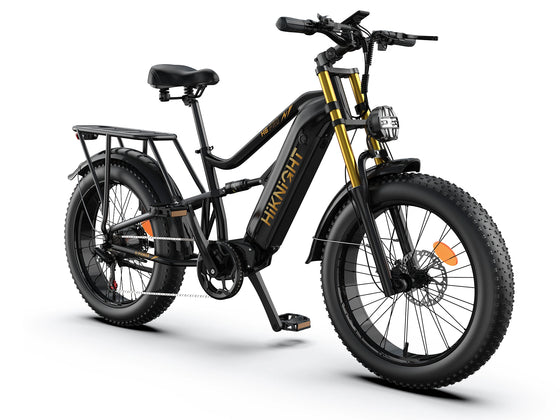
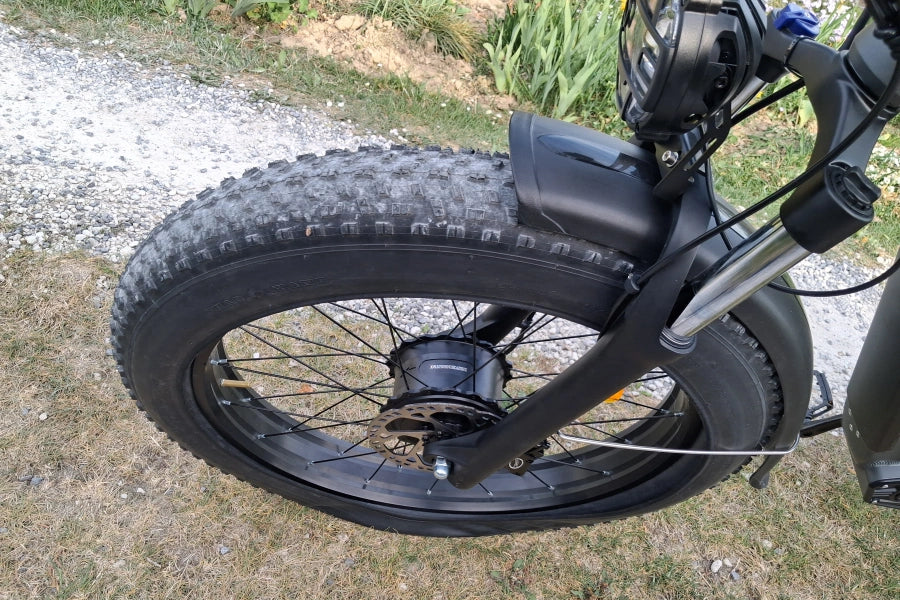
Powerful eBikes place more stress on tires due to their higher speed, weight, and torque output. Regular tire inspections are especially important for riders who frequently travel off-road or at higher speeds.
| Model | Motor | Battery | Top Speed | Range | Payload |
|---|---|---|---|---|---|
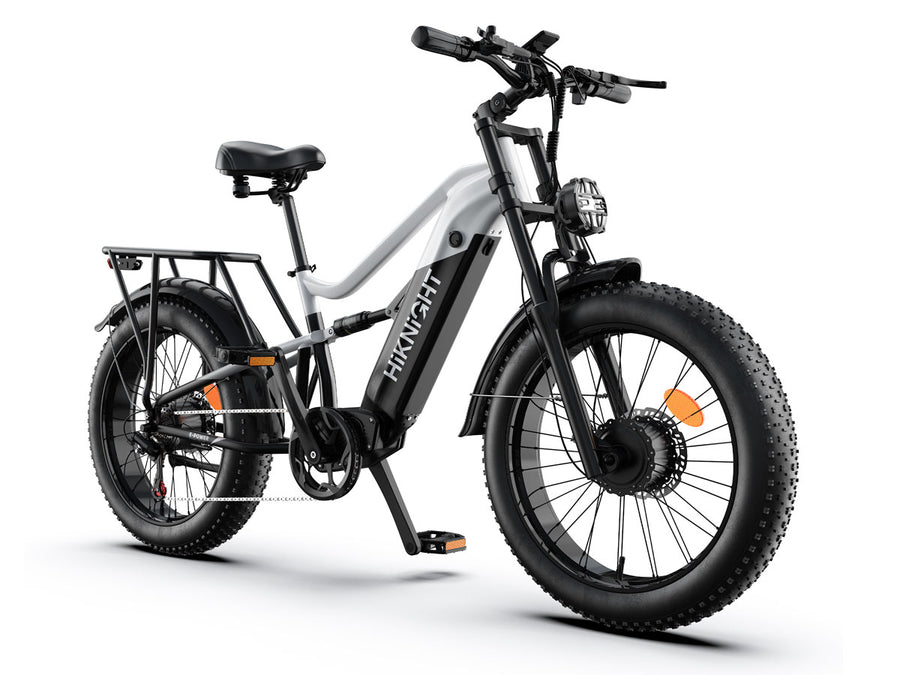
| H6PRO | 3000W Dual Motor | 52V 20Ah | 38 MPH | 65-90 Miles | 380 lbs |
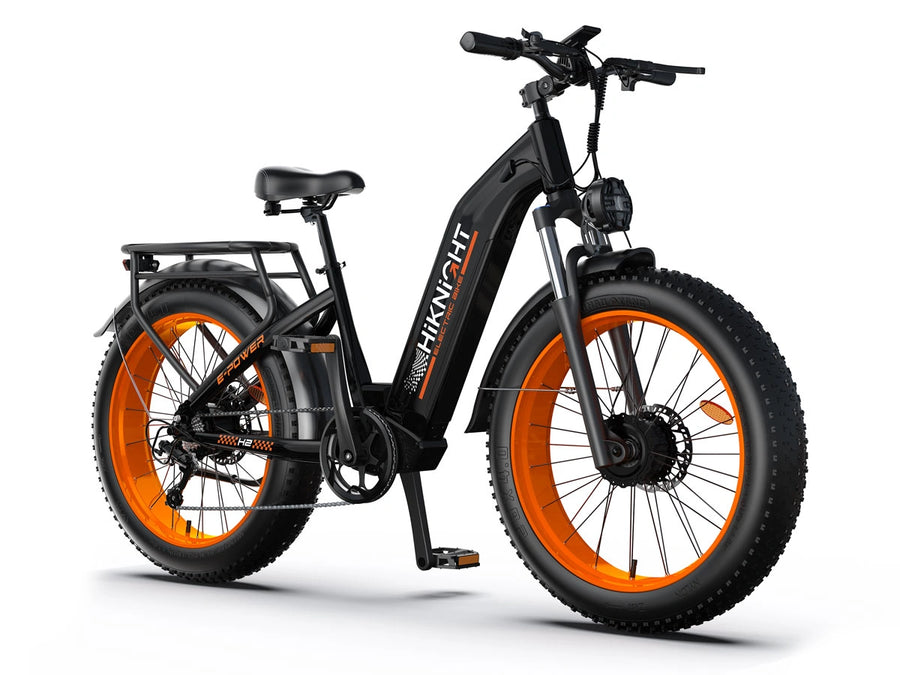
| H2PRO | 3000W Dual Motor | 52V 20Ah | 38 MPH | 65-90 Miles | 380 lbs |
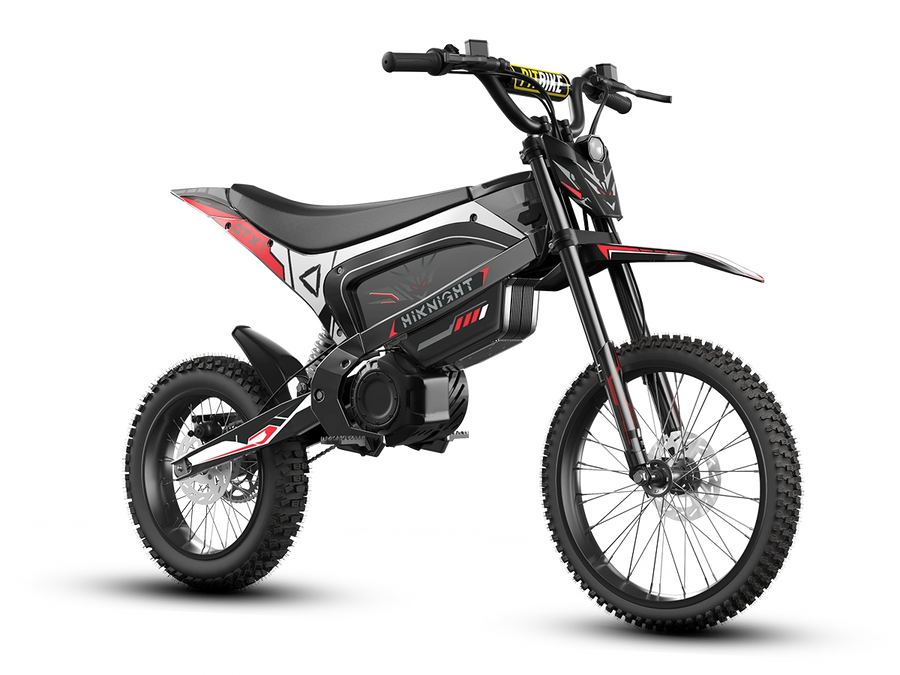
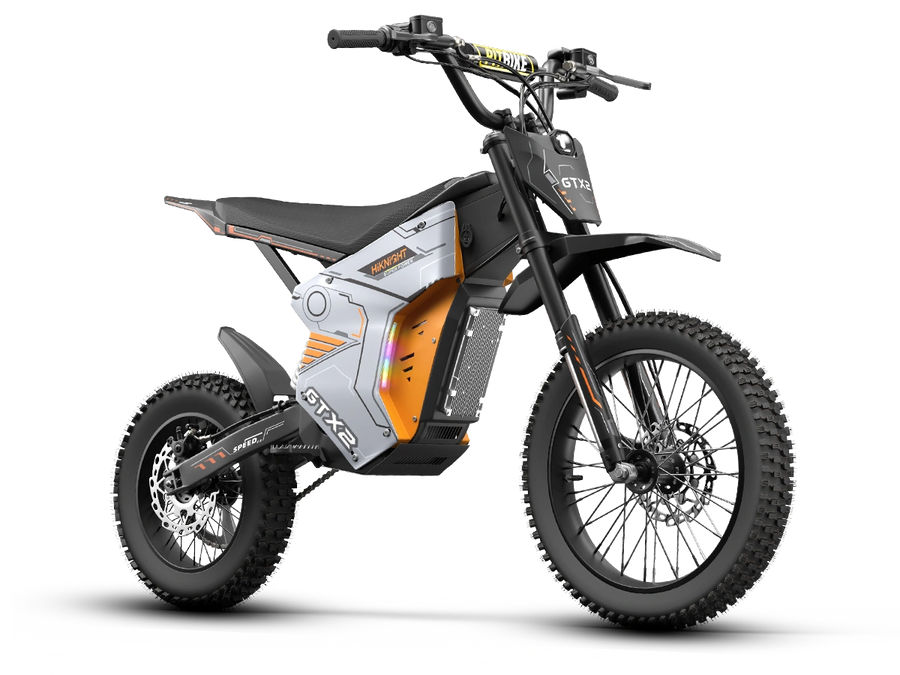
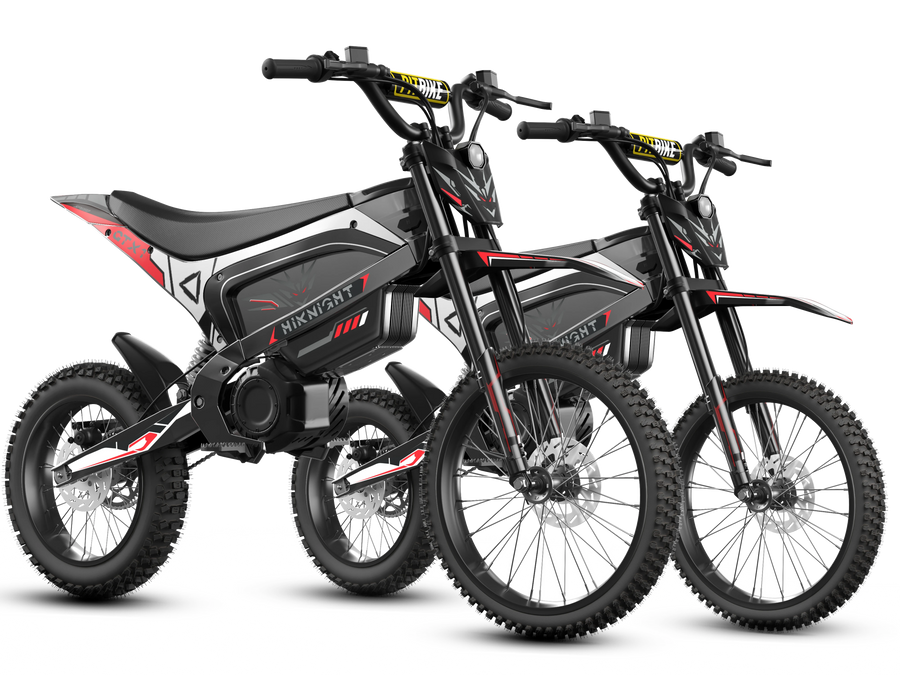
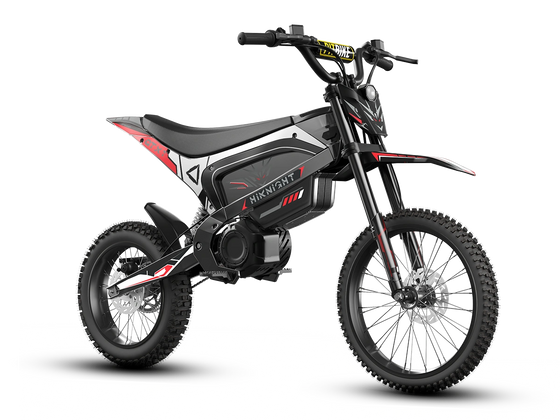
| GTX1 | 4000W Peak Motor | 48V 21Ah | 40 MPH | Long Off-Road Riding | 330 lbs |
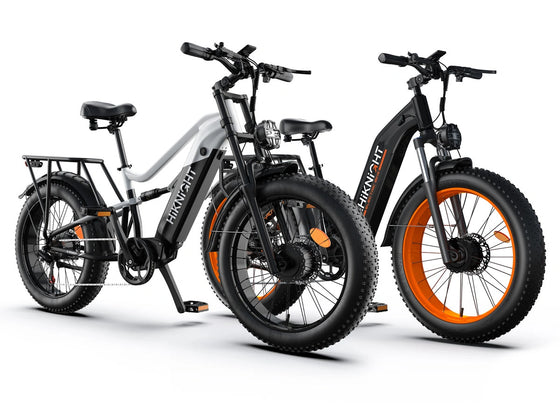
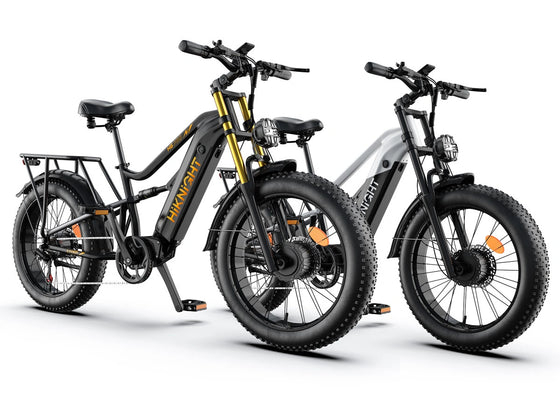
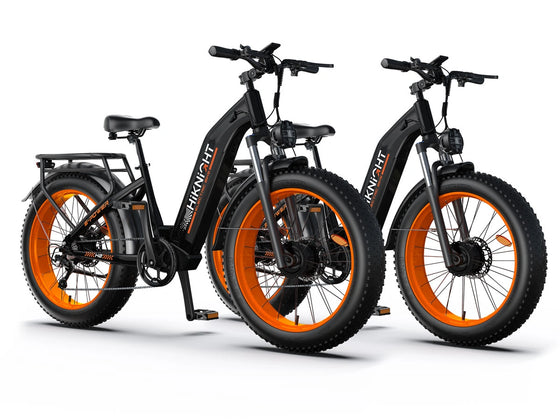
The H2PRO and H6PRO both feature powerful dual-motor systems and fat tires designed for stability on rough terrain. Riders seeking dirt-bike-inspired performance can choose the GTX1, which delivers a 4000W peak motor and speeds up to 40 MPH.
Frequently Asked Questions
How long do bike tires typically last?
Most bicycle tires last between 2,000 and 5,000 miles depending on riding conditions and maintenance.
Can a damaged bike tire be repaired?
Minor cuts can sometimes be repaired, but sidewall damage and exposed casing usually require replacement.
How do I know if my inner tube has a slow leak?
If your tire gradually loses pressure over several days, a slow leak is likely present.
Should I replace both the tire and tube together?
Not always. However, if a worn tire contributed to the puncture, replacing both components can improve reliability.
How often should eBike riders inspect their tires?
A quick inspection before every ride and a thorough inspection once a month is recommended.
Final Thoughts
Knowing how to tell if your bike inner tube or tire is damaged helps prevent flats, improves safety, and maximizes riding performance. Regular inspections take only a few minutes and can save you from costly repairs and unexpected breakdowns.
Share:
HiKNiGHT GTX1: A Compact High-Power Electric Dirt Bike Beast
World Cup Match Day Commuting With an eBike: Smart Travel Guide