



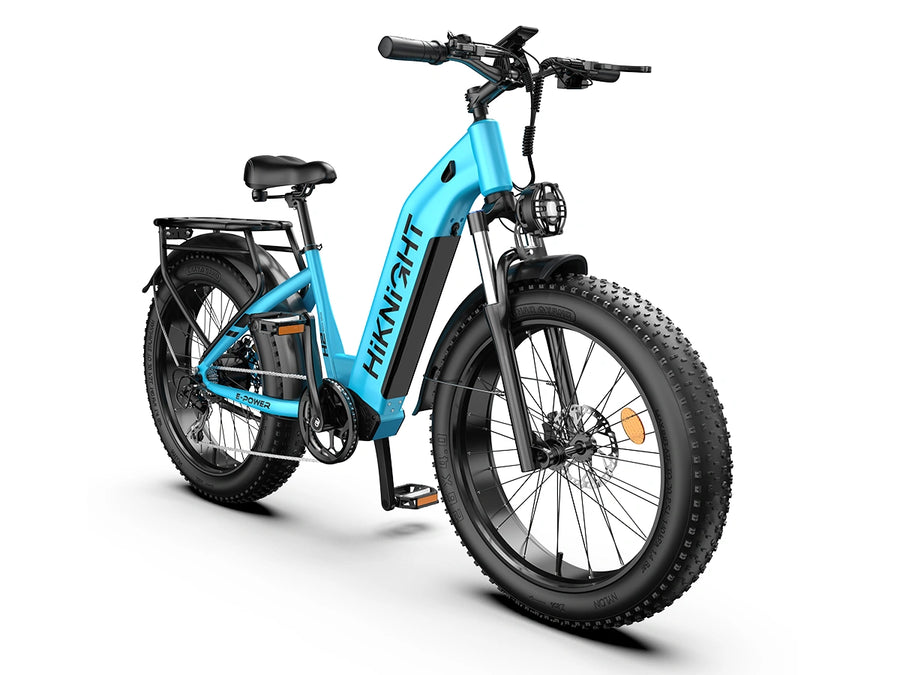
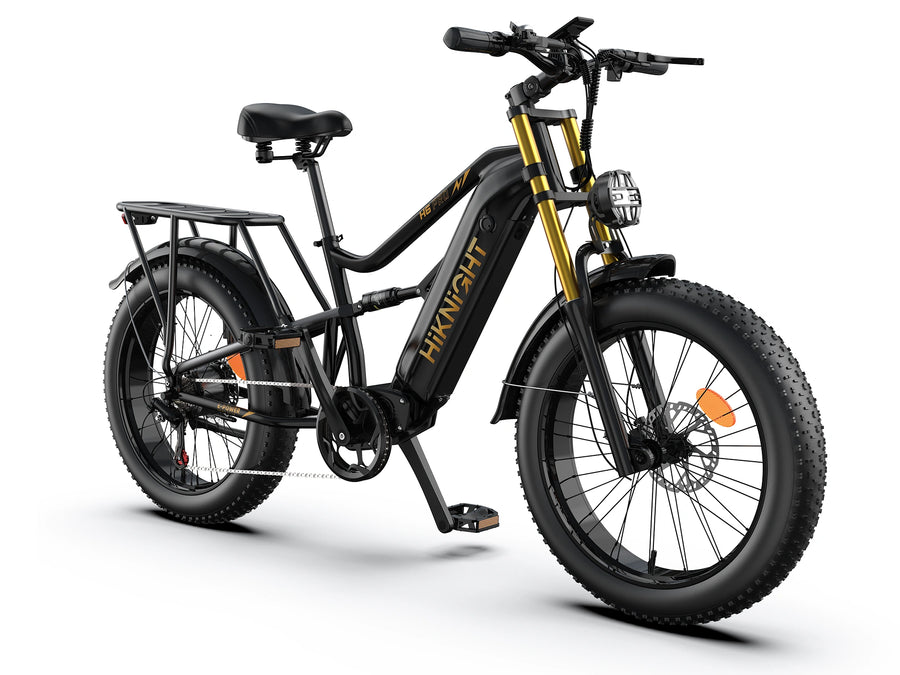

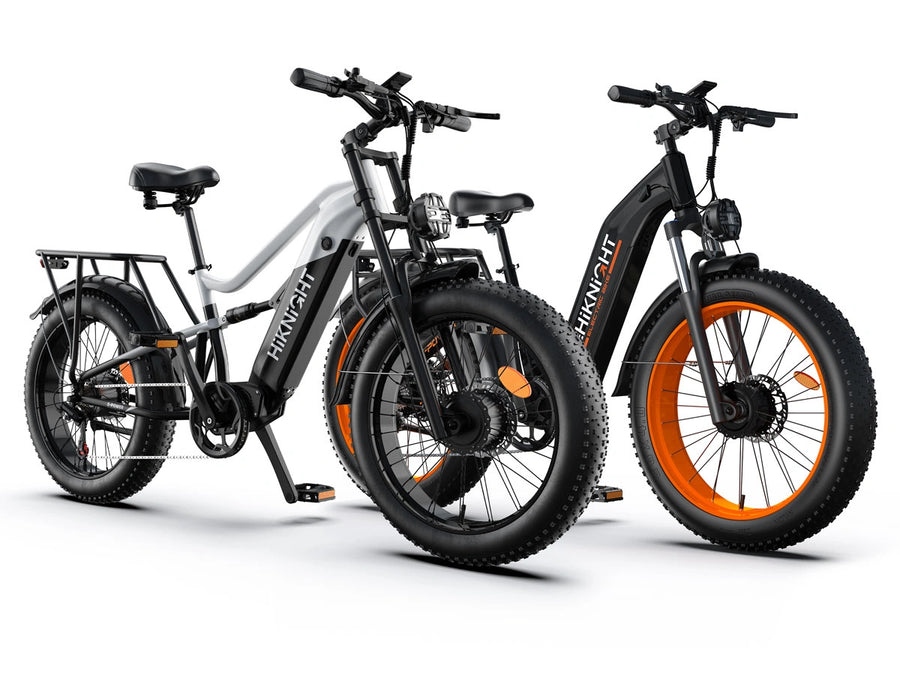
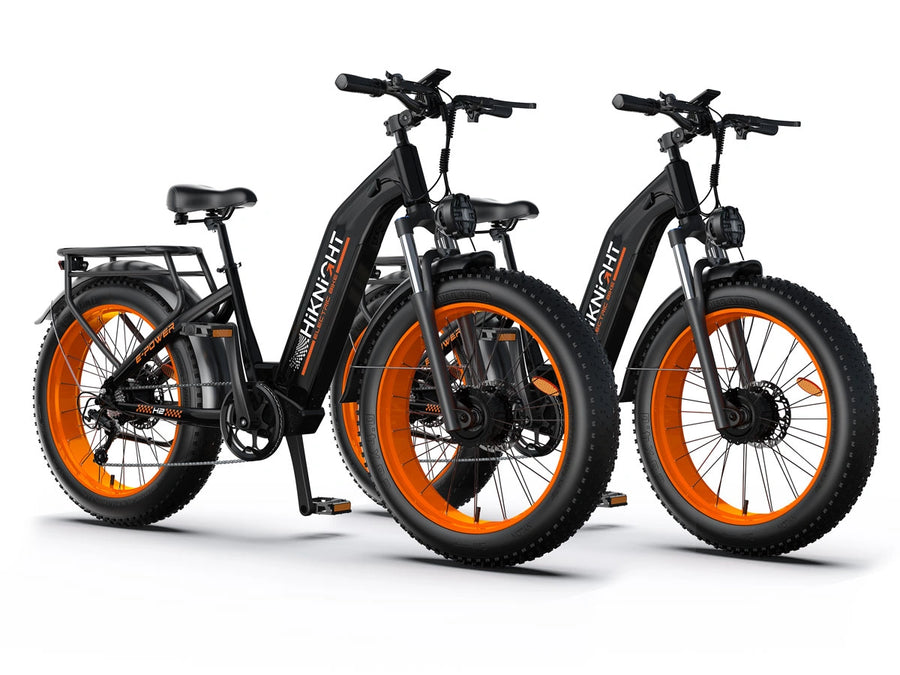
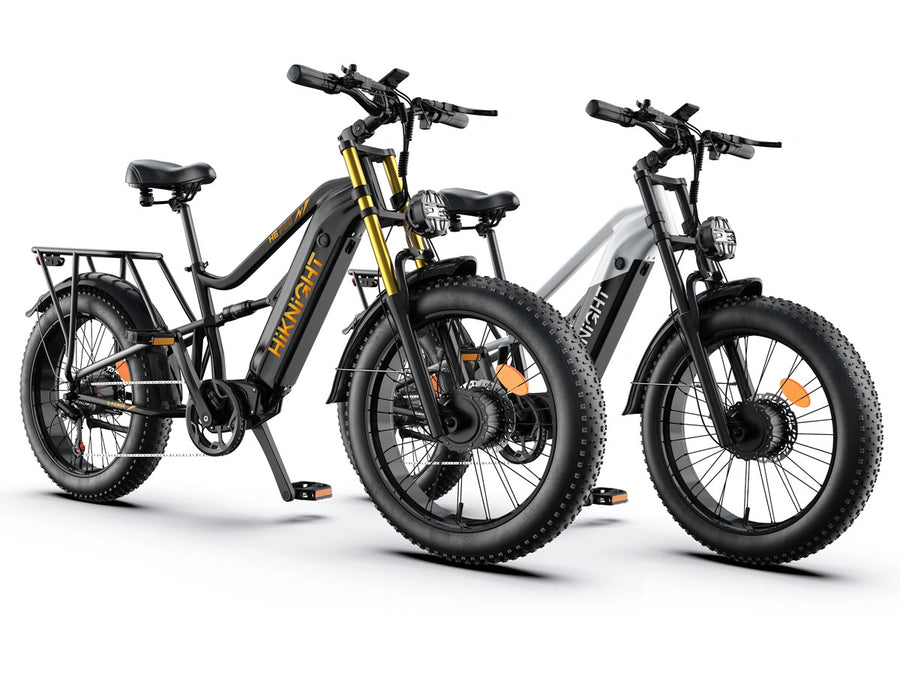
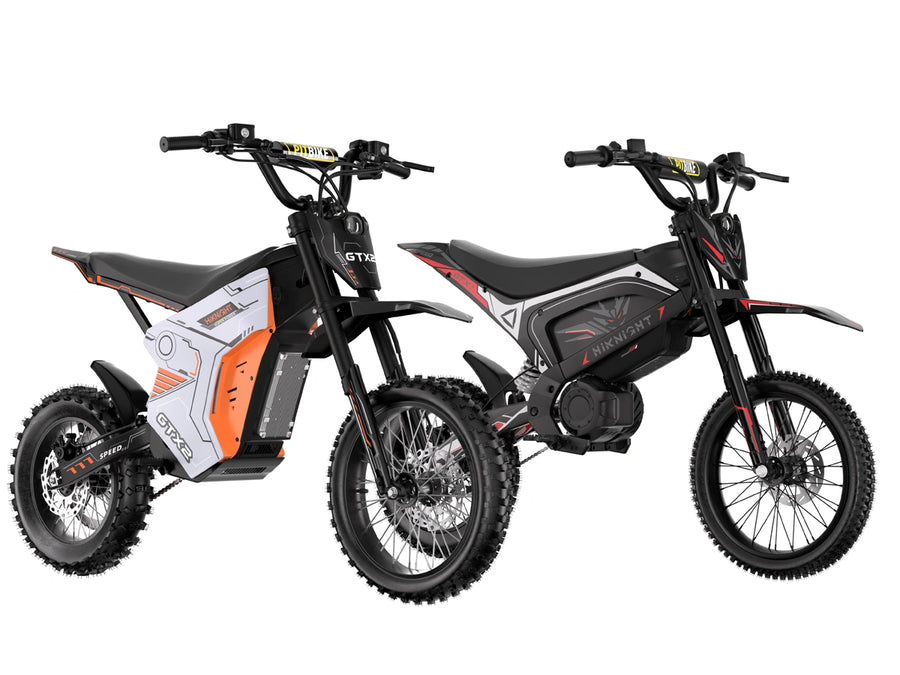
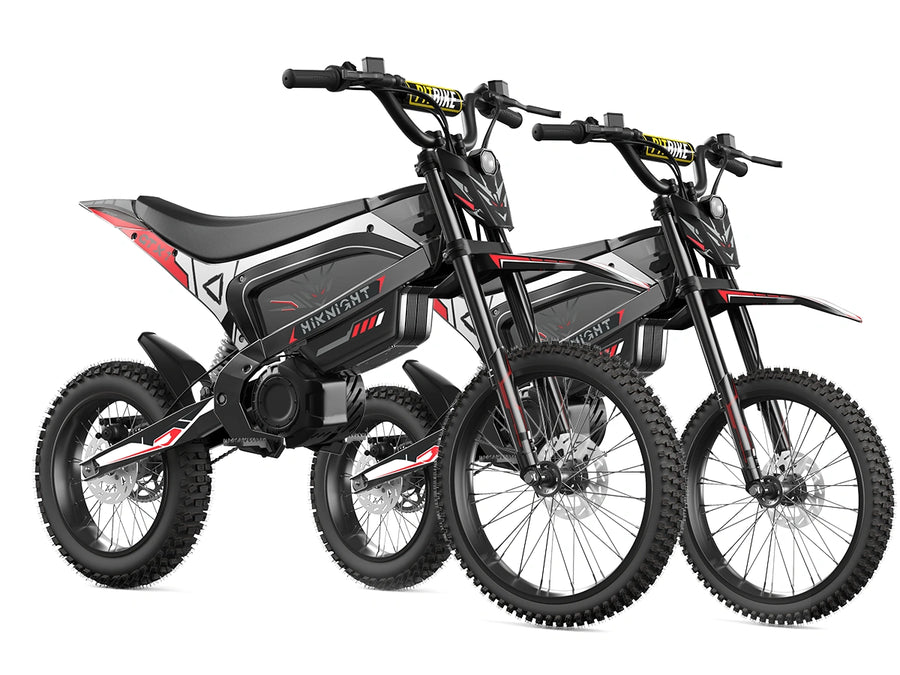
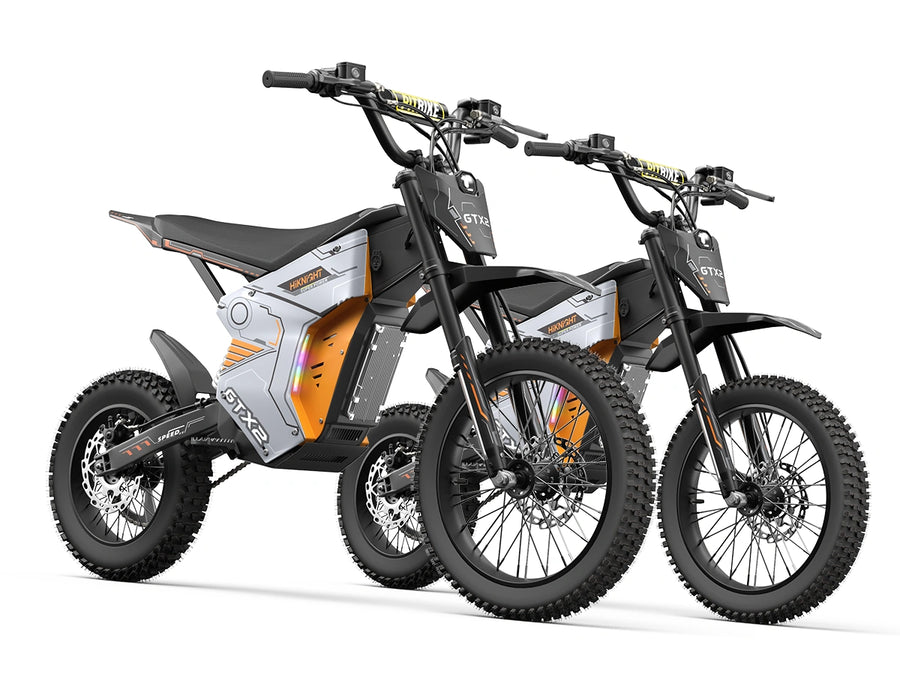

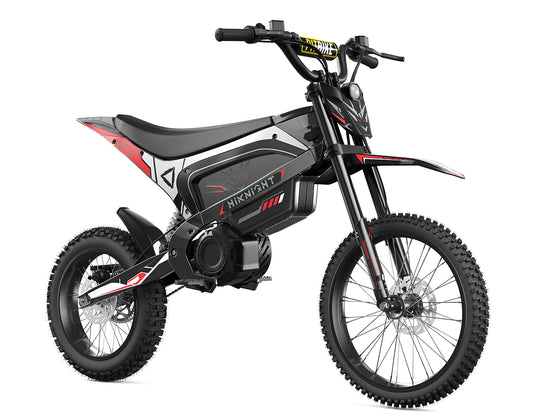
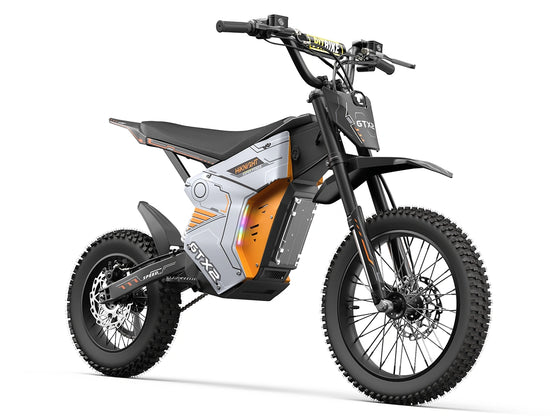
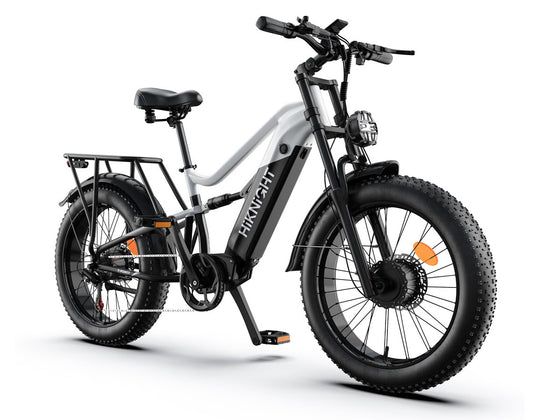
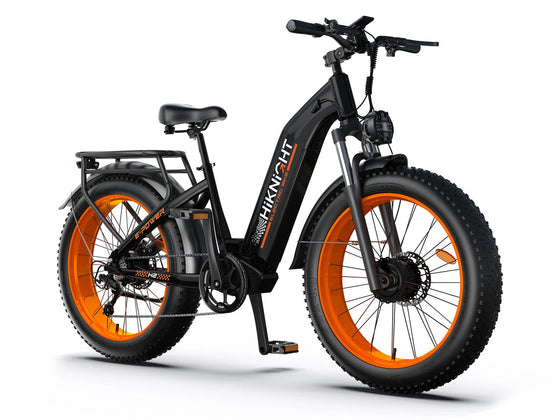
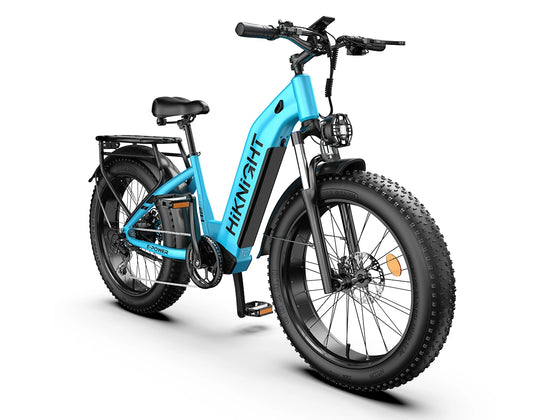
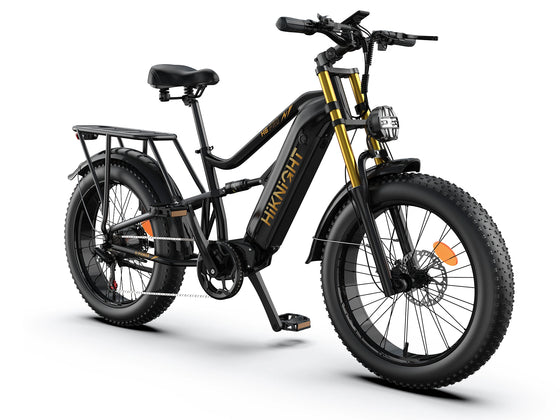
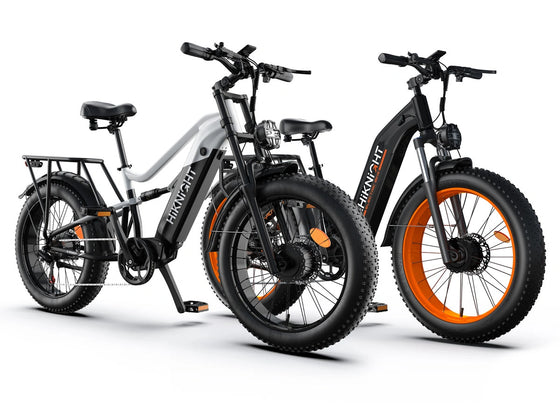
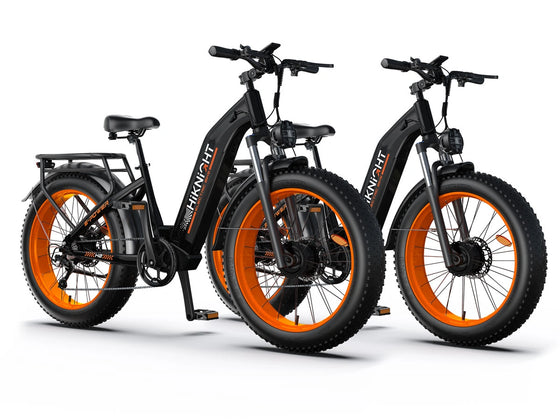
Off-road riding has always been about freedom—leaving pavement behind, choosing your own lines, and dealing with terrain that doesn’t forgive mistakes. In recent years, the off road electric bike has changed how more adults access that freedom.
But not every electric bike labeled “off-road” is built for real trail use. Many are simply reinforced city bikes with aggressive-looking tires. For riders who genuinely plan to leave asphalt behind, understanding what separates a true off road electric bike from a marketing term matters more than ever.
This guide explains what truly defines an off road electric bike, who benefits from one, and how to choose a model that performs when conditions stop being predictable.
What Makes an Electric Bike Truly Off Road
An off road electric bike is defined less by where it can go and more by how it behaves when terrain becomes inconsistent.
Real off-road riding introduces loose gravel, mud, roots, sand, snow, and sudden elevation changes. A bike designed for these environments must solve three problems at the same time: traction, power delivery, and control.
Fat tires provide a larger contact patch and help prevent sinking or sliding on unstable surfaces. However, tires alone are not enough. Without sufficient torque and balanced power, wide tires simply spin in place.
This is why motor configuration, frame geometry, and weight distribution matter far more than top-speed numbers.
Power Isn’t About Speed—It’s About Momentum
A common misconception is that off road electric bikes exist to go faster. In reality, power is about staying moving.
Climbing steep dirt hills, crossing loose gravel, or riding through sand requires strong low-speed torque. Single-motor setups often lose traction at the rear wheel when conditions deteriorate. Once momentum is gone, restarting becomes difficult.
Dual motor systems distribute torque between both wheels, allowing the bike to maintain forward motion even when surface conditions change unexpectedly.
Who Actually Needs an Off Road Electric Bike
Not every rider benefits equally from an off road electric bike. You are likely a good candidate if:
- You ride dirt trails, forest roads, or mixed terrain regularly
- You face steep or extended climbs
- You ride in snow, sand, or seasonal mud
- You carry gear or have a heavier riding load
Riders who stay mostly on flat pavement may find off-road setups unnecessary due to extra weight and power demands.
Fat Tires and Stability: Confidence Matters More Than Skill
Many adult riders underestimate how much stability affects enjoyment.
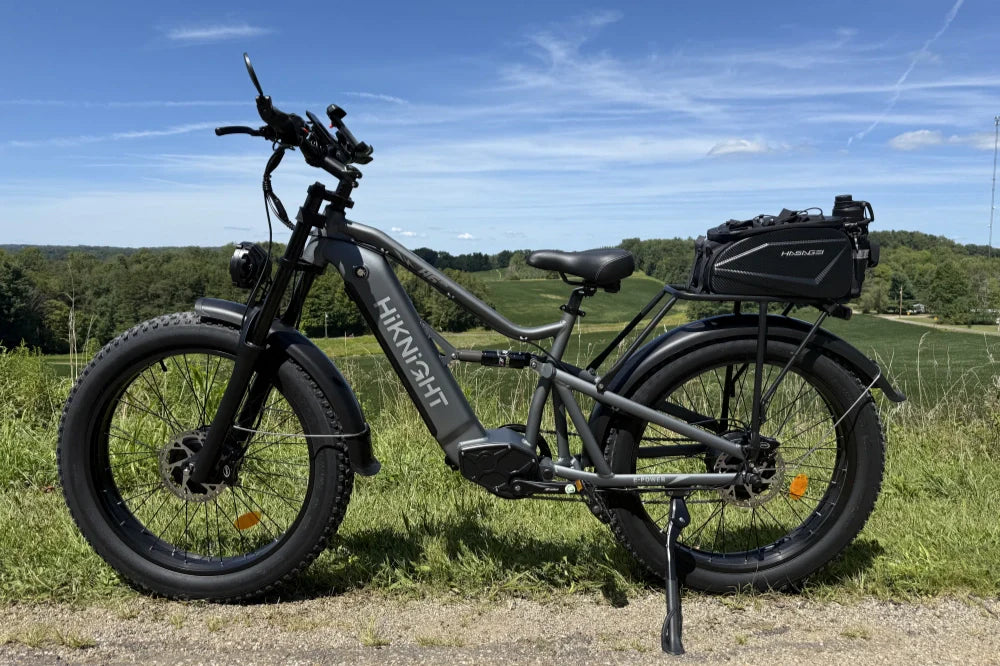
Fat tire off road electric bikes absorb surface irregularities and reduce sudden balance shifts. This allows riders to focus less on staying upright and more on the experience itself.
For riders new to trail riding, this forgiveness translates directly into confidence and longer rides.
Single Motor vs Dual Motor for Off Road Use
Single motor eBikes can handle light off-road use, but limitations appear quickly under load.
When traction drops or hills steepen, rear-wheel-only power often reaches its limit. Dual motor setups reduce this bottleneck by engaging the front wheel, improving traction and stability.
Instead of aggressive bursts, acceleration feels balanced and controlled—especially important on uneven ground.
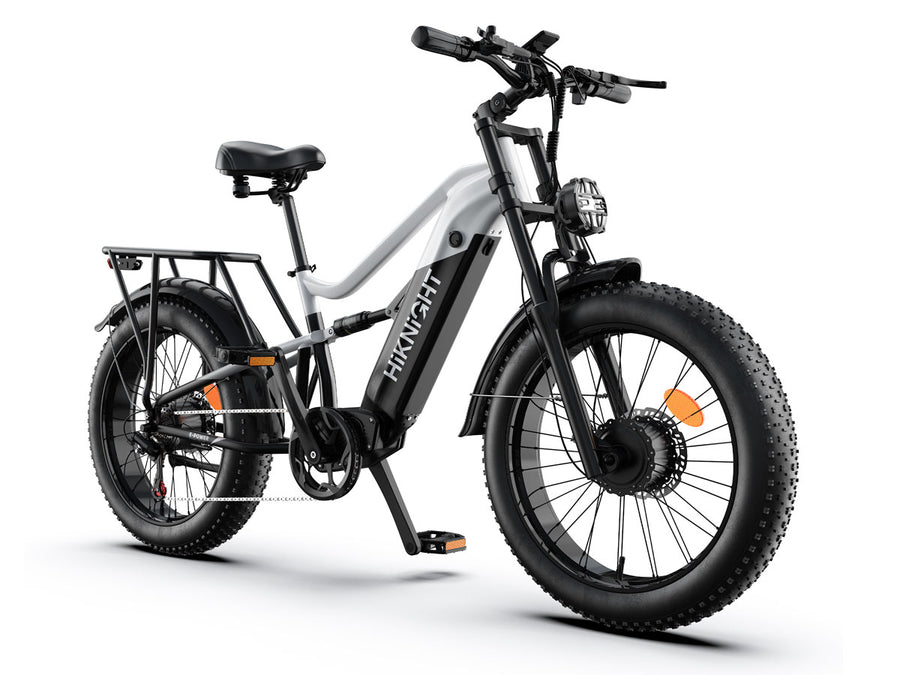
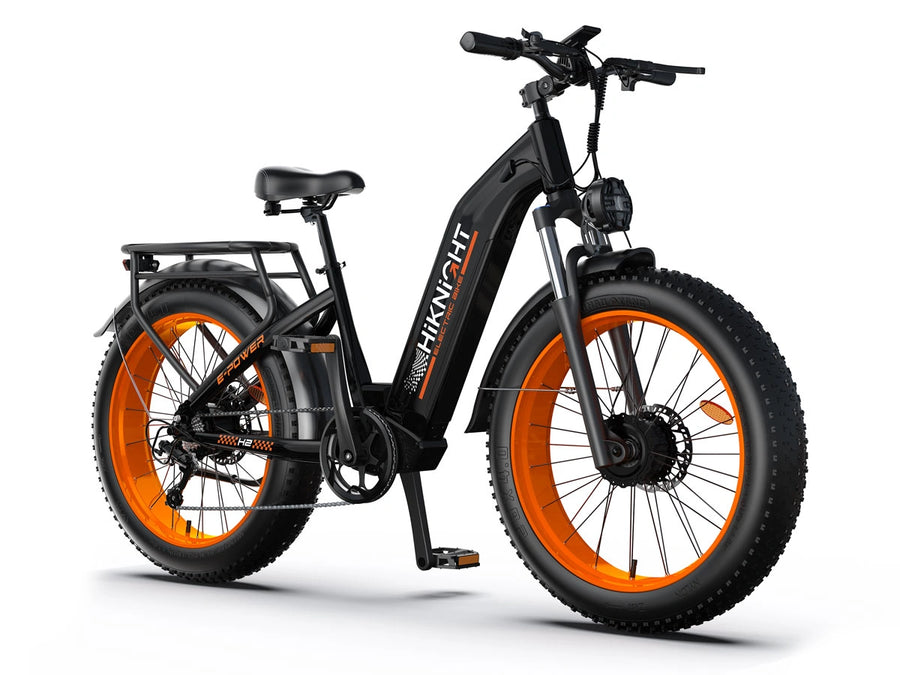
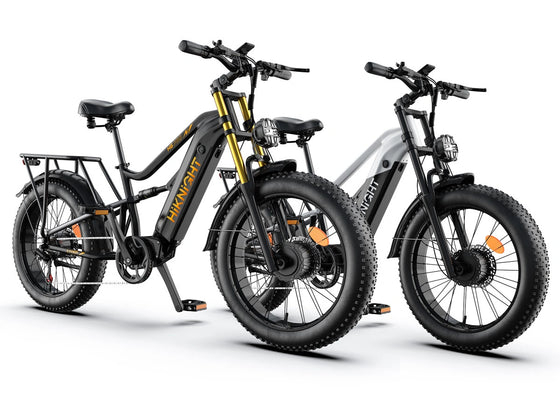
Models like the HiKNiGHT H2 Pro and H6 Pro focus on usable power rather than exaggerated speed figures.
Range, Weight, and Realistic Expectations
Off road electric bikes trade efficiency for capability. Fat tires, reinforced frames, and dual motors all increase energy consumption.
However, most off-road riding involves shorter sessions with varied terrain rather than long, steady-distance travel. In these conditions, battery capacity combined with intelligent power management matters more than maximum advertised range.
Why Frame Geometry Matters Off Road
Off-road riding constantly shifts rider weight. Frame geometry determines how stable the bike feels on climbs, descents, and uneven ground.
Balanced weight distribution prevents front-wheel lift on climbs, while longer wheelbases improve stability at speed. These factors rarely appear in marketing headlines, but they define real-world performance.
Brands such as HiKNiGHT prioritize these fundamentals over cosmetic aggression.
Choosing Between H2 Pro and H6 Pro
Both the H2 Pro and H6 Pro are designed for off-road use, but they serve different rider preferences.
The H2 Pro emphasizes traction and climbing confidence, making it suitable for riders who regularly face steep or loose terrain.
The H6 Pro focuses on balance and refined control, appealing to riders who want off-road capability without feeling overwhelmed by constant power.
Off Road Riding Is About Access, Not Extremes
The real value of an off road electric bike isn’t about riding harder—it’s about riding more often.
Electric assistance removes barriers like physical strain and fear of hills, making trail riding accessible to more adults 🚵♂️.
Final Thoughts
An off road electric bike should be chosen based on terrain, environment, and realistic use—not trends or labels.
When traction, power, and control align with how you ride, the bike disappears beneath you—and the ride begins.
Share:
Fat Tire eBikes Explained: Why Serious Riders Are Quietly Switching
Fat Tire eBikes vs Regular eBikes: Which One Actually Makes Sense for Adult Riders?