





When people search for the first bike, they’re often imagining the moment when human transportation changed forever. Long before powerful electric bicycles and modern suspension systems, the earliest bicycles were simple machines designed to solve a basic problem: how to move faster without relying on horses.
The story of the first bike is fascinating because it reveals how innovation evolves over time. What started as a wooden frame with two wheels eventually led to the bicycles—and electric bikes—we ride today. For riders exploring trails or off-road terrain, understanding this history offers a deeper appreciation for how far cycling technology has come.
When Was the First Bike Invented?
The earliest recognizable bicycle was invented in 1817 by German inventor Karl von Drais. His creation, often called the “Draisine” or “running machine,” had two inline wheels and a steerable front wheel. Riders pushed themselves forward by walking or running along the ground.
Although the Draisine lacked pedals, it introduced the key concept that still defines bicycles today: balancing on two wheels while steering. This design marked the true beginning of modern cycling.
Over the following decades, engineers experimented with new mechanisms to improve efficiency and comfort. By the 1860s, pedals were added directly to the front wheel, creating what became known as the velocipede. These early pedal bikes were often nicknamed “bone-shakers” because of their rigid frames and rough ride.
The Evolution From Early Bikes to Modern Cycling
The late 19th century brought major breakthroughs in bicycle engineering. The invention of the chain drive allowed power to transfer from pedals to the rear wheel. This design led to the “safety bicycle,” which closely resembles the shape of modern bikes today.
Features such as pneumatic tires, improved frames, and reliable braking systems quickly transformed bicycles into practical transportation tools. By the early 1900s, bikes had become one of the most popular personal mobility devices in the world.
Even though today’s bicycles look very different from the first bike created in 1817, the core principles remain the same: balance, efficiency, and mechanical simplicity.
Why the First Bike Still Matters Today
The invention of the first bike did more than create a new form of transportation. It introduced the idea that individuals could travel independently using human power.
That idea continues to shape mobility today. In cities, bicycles offer efficient commuting. In rural areas, they provide freedom and exploration. On mountain trails, they deliver adventure.
Modern electric bikes extend that same philosophy even further by combining human effort with electric assistance.
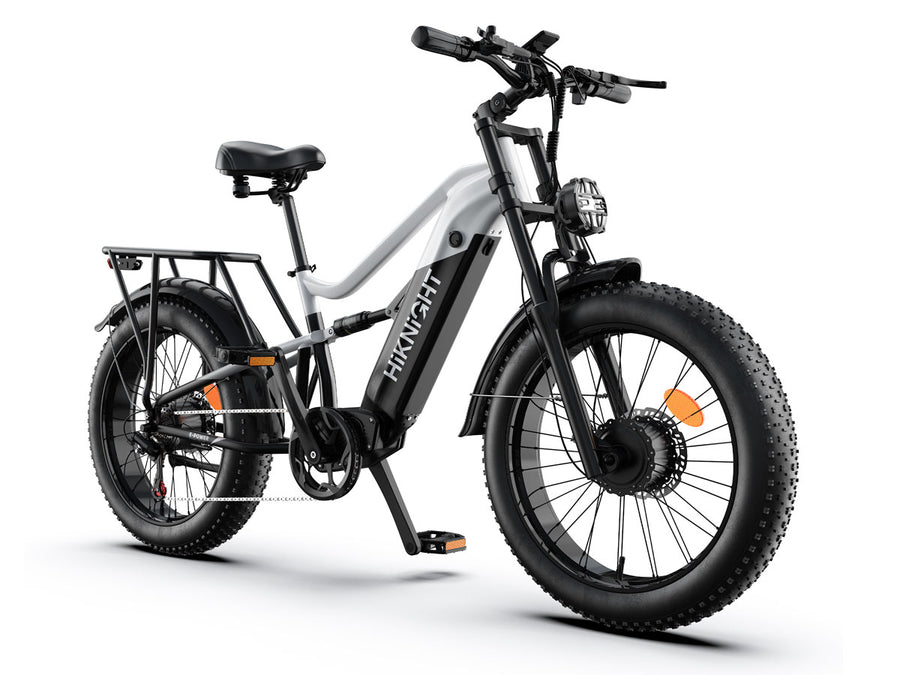
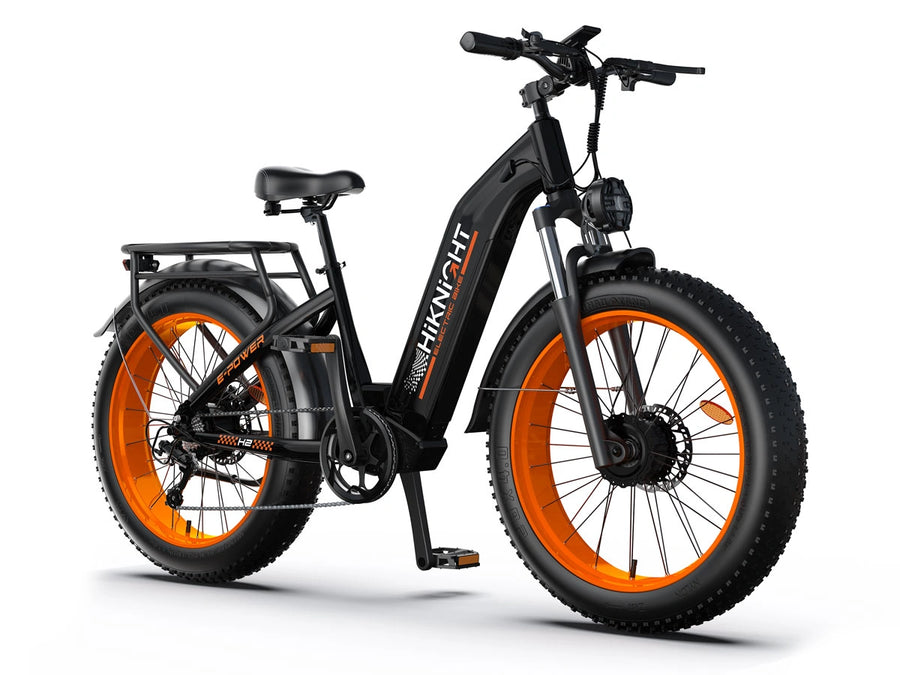
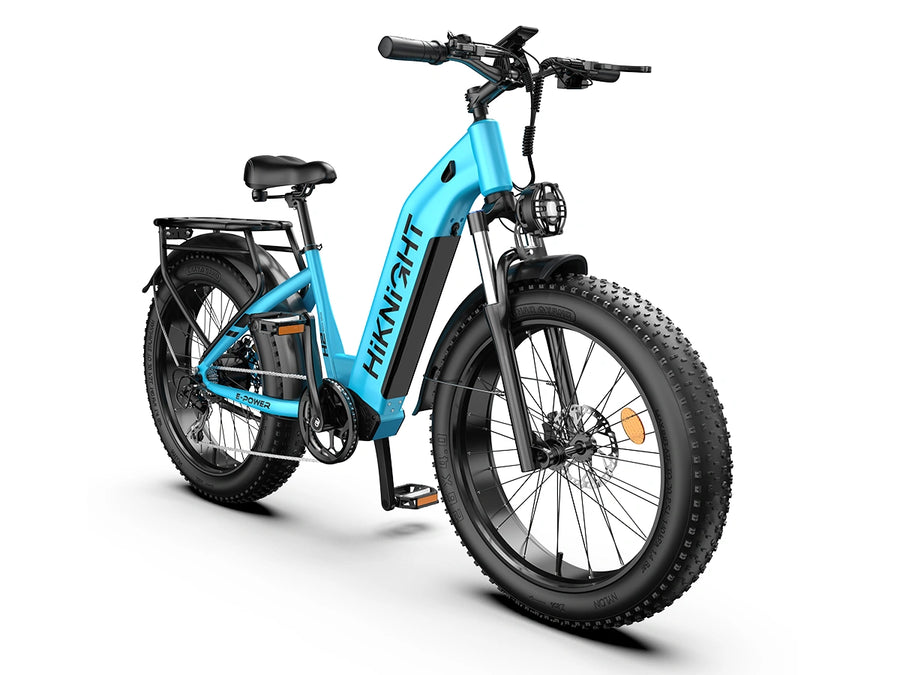
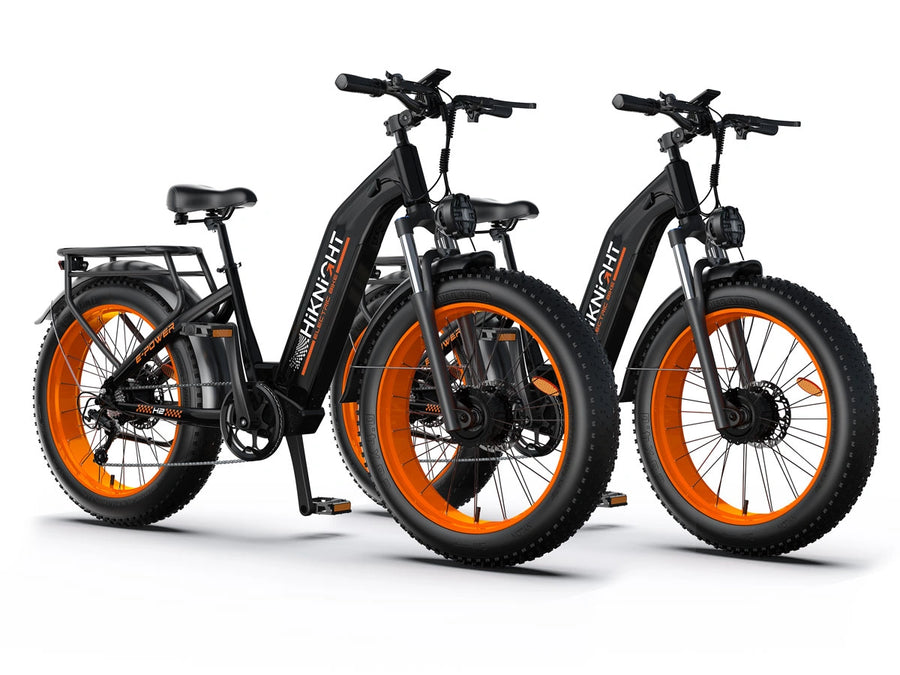
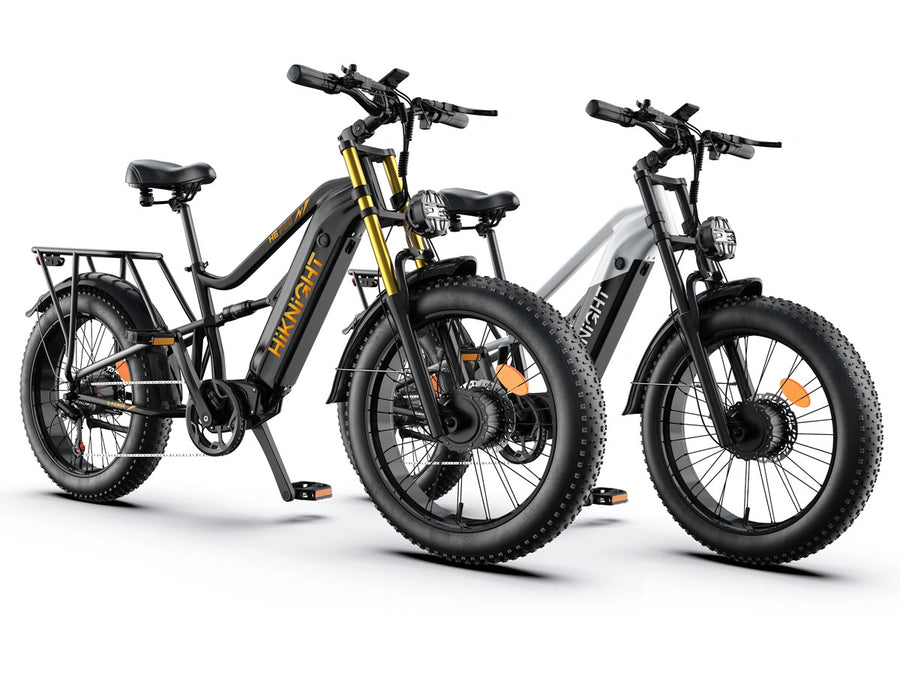
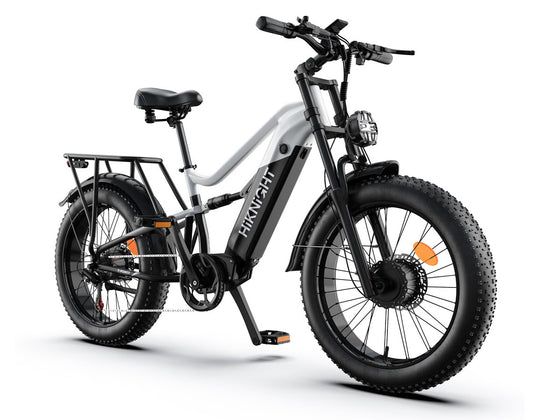
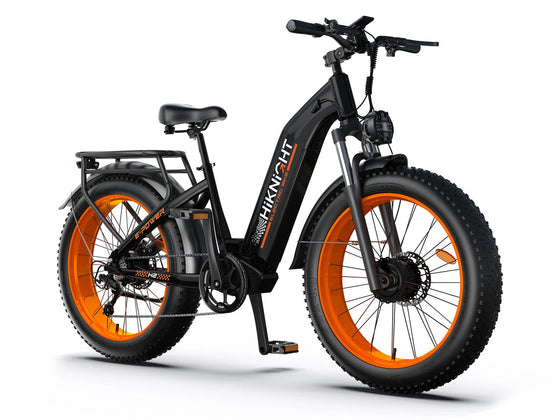
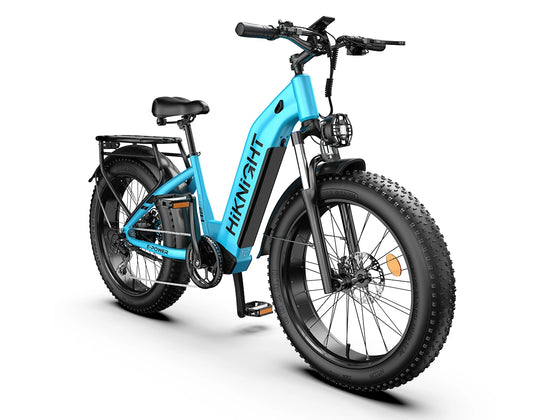
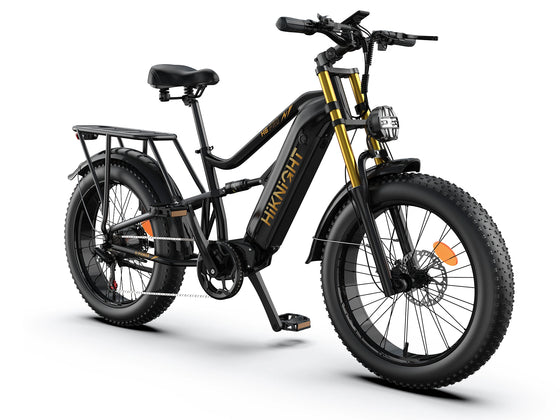
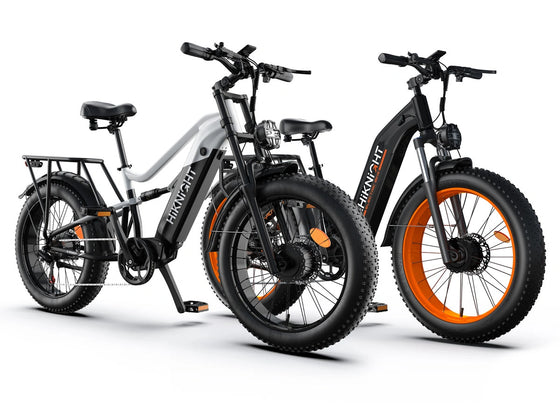
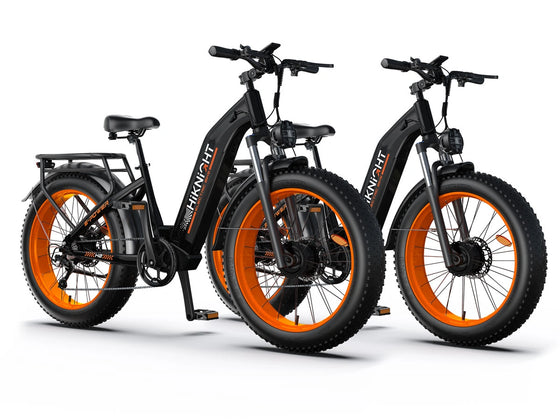
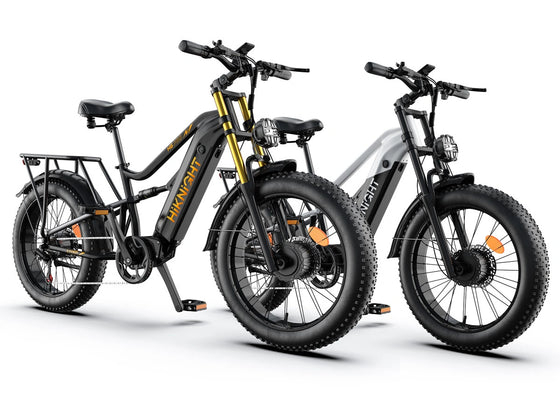
For example, advanced electric bikes such as the HiKNiGHT H2 Pro demonstrate how far bicycle technology has progressed. Dual-motor systems, fat tires, and modern suspension allow riders to tackle terrain that would have been unimaginable for early cyclists.
The Rise of Electric Bikes
Electric bikes represent one of the most significant innovations in cycling since the invention of the chain drive. Instead of replacing human effort, e-bikes amplify it.
This technology allows riders to travel farther, climb steep hills, and explore rough trails without exhausting themselves.
As outdoor adventure riding grows in popularity, off-road electric bikes have become especially appealing. Powerful motors and durable frames make them ideal for dirt paths, forest trails, and mountain terrain.
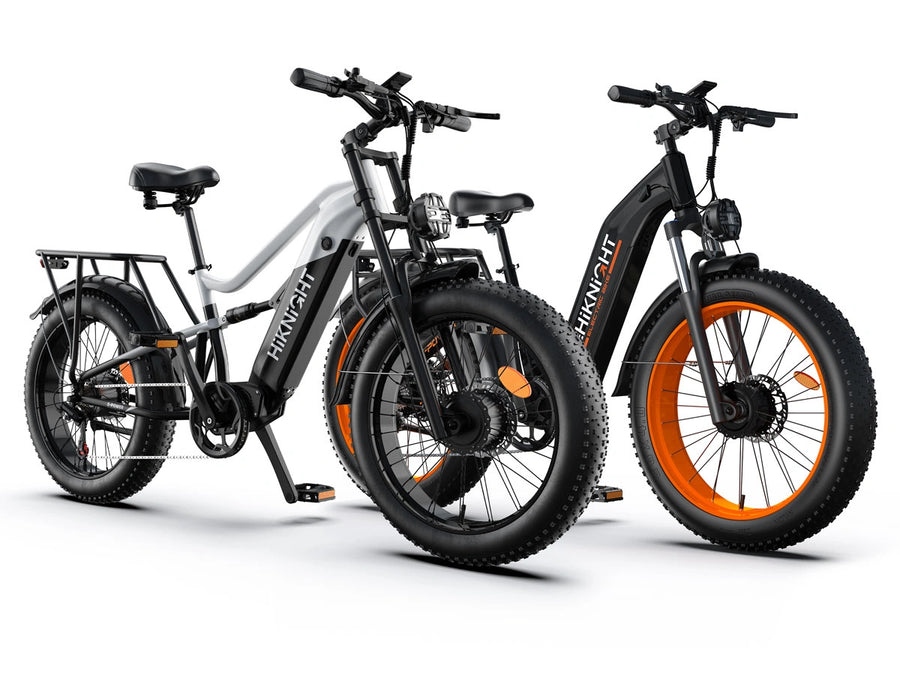
Some riders exploring electric options often start their research through brands such as HiKNiGHT, which focuses on high-performance off-road electric bikes designed for adventure riding.
From Wooden Frames to Dual Motors
If the inventor of the first bike could see today’s electric bicycles, the technology might seem almost unbelievable.
Early bicycles were made from wood and had no suspension. Riders felt every bump in the road. Steering required constant balance and control.
Today’s electric off-road bikes feature:
- High-power dual motors
- Fat tires designed for loose terrain
- Advanced suspension systems
- Long-range lithium batteries
- Durable frames built for off-road riding
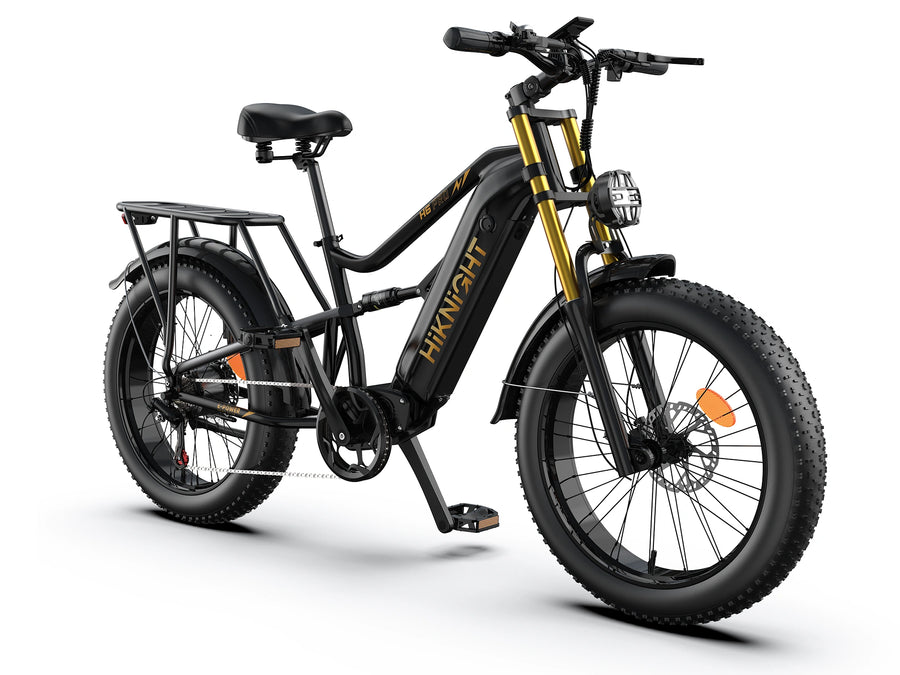
For example, the HiKNiGHT H6 Pro integrates modern engineering with rugged off-road performance. Riders can tackle sand, snow, or mountain trails—conditions that would have been impossible for early bicycles.
Choosing Your First Bike Today
Interestingly, the phrase “first bike” now carries two meanings. It can refer to the historical invention of bicycles, but it also describes someone purchasing their first bicycle.
For adults entering the cycling world, choosing a first bike often depends on riding goals. Some riders prefer city commuting bikes. Others look for trail-capable mountain bikes.
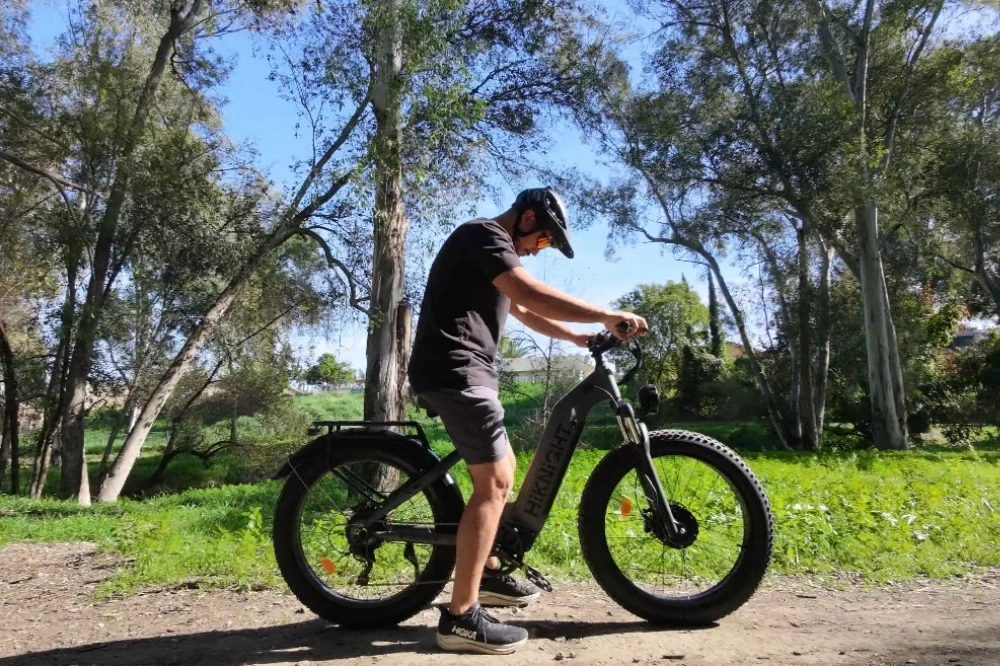
Recently, electric fat-tire bikes have become a popular choice for beginners who want versatility. Their wide tires provide stability, and electric assistance makes longer rides easier.
Compared to traditional bikes, electric models allow riders to explore more terrain with less physical strain. That’s why many outdoor enthusiasts now choose e-bikes as their entry point into cycling.
The Future of Cycling
The invention of the first bike more than two centuries ago sparked a transportation revolution. What began as a simple wooden machine eventually led to an entire culture of cycling, adventure riding, and outdoor exploration.
Today, modern electric bicycles continue that tradition by expanding what riders can do. They make cycling accessible to more people while opening new possibilities for exploration.
From the wooden Draisine to powerful dual-motor e-bikes, the bicycle’s evolution reflects humanity’s constant drive to move farther, faster, and more freely.
And in many ways, the journey that began with the first bike is still continuing today.
Share:
Electric Dirt Bike Guide: Speed, Performance, and How to Choose the Right Model
Best Electric Motorcycle for Beginners: A Practical Guide to Choosing Your First Ride