






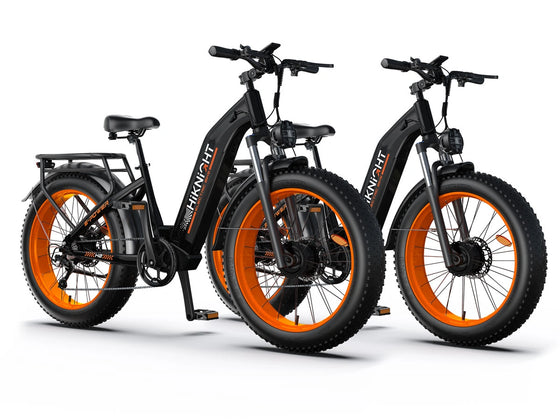
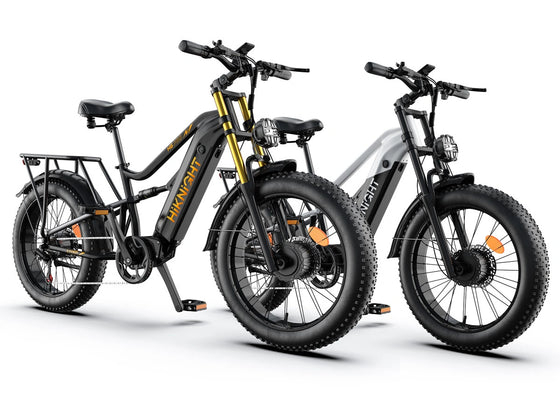

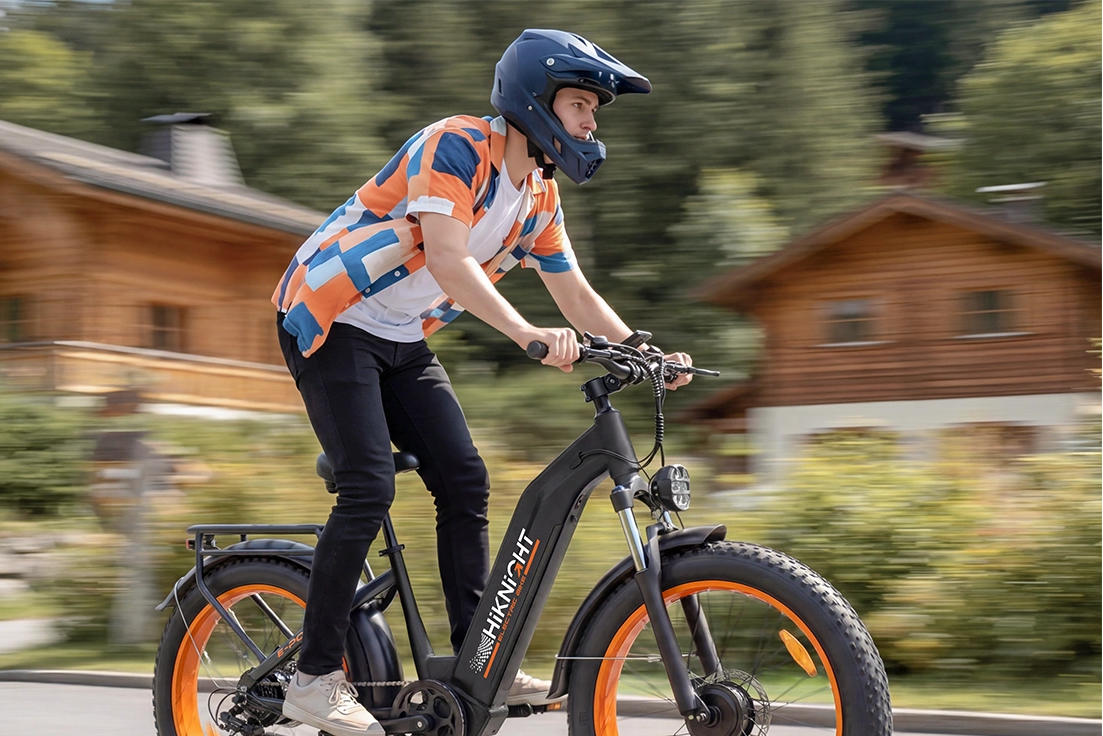
Where to Ride Your Ebike in California & Key State Riding Regulations
California is one of the most ebike-friendly states in America, offering thousands of miles of bike lanes, scenic coastal routes, urban greenways, and mountain trails. But knowing where you can legally ride—and understanding California’s electric bike laws—is essential for staying safe and avoiding fines. This guide explains the latest California ebike regulations, riding locations, age requirements, helmet rules, and practical tips every rider should know.
Contents
California Ebike Laws at a Glance
California follows the widely adopted three-class electric bicycle system. Under California Vehicle Code §312.5, an electric bicycle must have fully operable pedals and a motor rated at no more than 750 watts to qualify as a legal ebike. Compliant ebikes are not treated as motorcycles or mopeds and generally do not require registration, insurance, or a driver's license.
- No driver's license required for Class 1, 2, or 3 ebikes.
- No vehicle registration required.
- No insurance required.
- Class 3 riders must be at least 16 years old.
- Class 3 riders must wear a helmet regardless of age.
Understanding California's Three-Class Ebike System
| Class | Motor Type | Max Assisted Speed | Throttle |
|---|---|---|---|
| Class 1 | Pedal Assist | 20 MPH | No |
| Class 2 | Throttle + Pedal Assist | 20 MPH | Yes |
| Class 3 | Pedal Assist | 28 MPH | No |
Class 1 and Class 2 ebikes are the most commonly accepted on bike paths and multi-use trails. Class 3 ebikes offer higher assisted speeds but are subject to additional restrictions, including age and helmet requirements. A speedometer is also required on Class 3 models.
Where Can You Ride an Ebike in California?
✔ Public Roads & Streets
All legal Class 1, Class 2, and Class 3 ebikes may ride on roads and streets where traditional bicycles are allowed. Riders must obey standard traffic laws including stop signs, traffic lights, yielding requirements, and lane regulations.
✔ Bike Lanes
California generally permits all three classes of ebikes in designated bike lanes. This makes commuting by ebike one of the fastest and most practical transportation options in cities such as Los Angeles, San Diego, Sacramento, Irvine, and San Francisco.
✔ Multi-Use Paths & Coastal Greenways
Class 1 and Class 2 ebikes are generally permitted on shared-use paths and paved recreational trails. California's extensive coastal trail systems and urban greenways are popular destinations for these riders. However, local authorities may impose restrictions in specific areas.
✔ Mountain Bike Trails & Natural Surface Trails
This is where many riders get confused.
State law allows local agencies, regional park districts, and land managers to prohibit or restrict ebike use on hiking trails, equestrian trails, and natural-surface recreational trails. Many mountain biking areas permit only specific classes of ebikes, while others prohibit them entirely. Always check posted signs before entering a trail system.
✔ California State Parks
California State Parks may establish separate rules governing ebike access. Certain trails, especially environmentally sensitive areas and hiking-focused trails, may prohibit electric bicycles even if bicycles are otherwise permitted.
Age, Helmet & License Requirements
Do You Need a License?
No. California does not require a driver's license, motorcycle endorsement, registration, or insurance for legal Class 1, Class 2, or Class 3 electric bicycles.
Minimum Age Requirements
- Class 1: No statewide minimum age
- Class 2: No statewide minimum age
- Class 3: Rider must be at least 16 years old
California Vehicle Code §21213 specifically prohibits riders under 16 from operating a Class 3 electric bicycle.
Helmet Rules
- Class 3: Helmet required for all riders and passengers.
- Under 18: Helmet generally required when riding bicycles and ebikes on public roadways.
Even when not legally required, wearing a certified helmet is strongly recommended.
Local Rules California Riders Often Miss
California's statewide laws are relatively straightforward, but local governments often create additional restrictions.
For example, cities may regulate:
- Sidewalk riding
- Beach boardwalk access
- Park pathways
- Shared-use trail speed limits
- Downtown pedestrian zones
A rule that applies in San Diego may not apply in Santa Monica, and regulations in Irvine can differ from those in San Francisco. Checking local municipal codes before riding can prevent unexpected fines or access restrictions.
Safety Tips for Riding an Ebike in California
- Ride at safe speeds around pedestrians.
- Use front and rear lights when riding at night.
- Yield on shared-use paths.
- Stay in bike lanes when available.
- Wear a helmet regardless of class.
- Obey posted trail and park regulations.
- Check local ordinances before exploring unfamiliar areas.
California offers some of the best year-round riding conditions in the United States, but responsible riding helps maintain access for everyone.
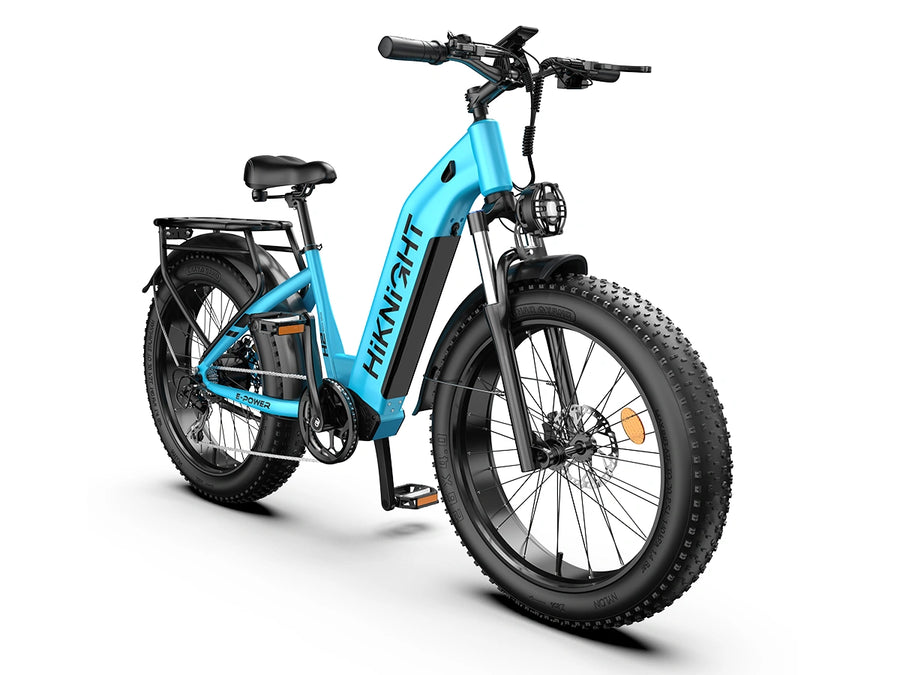
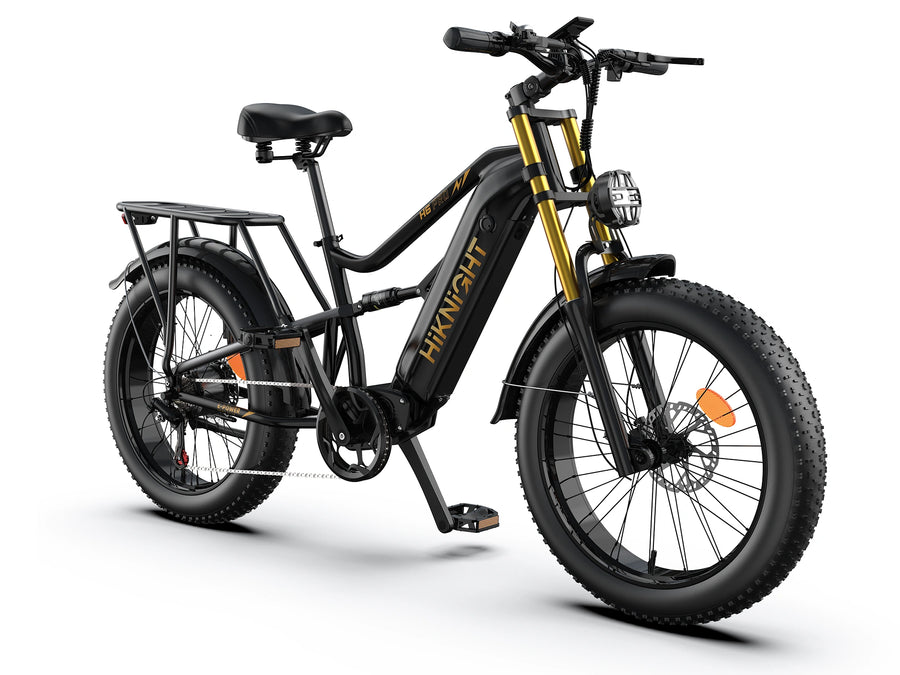
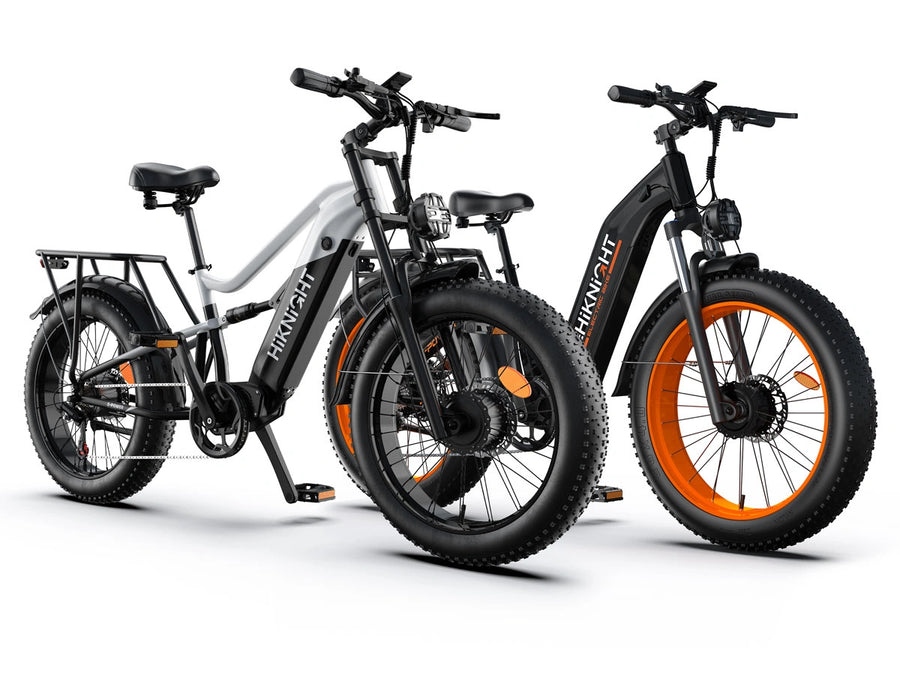
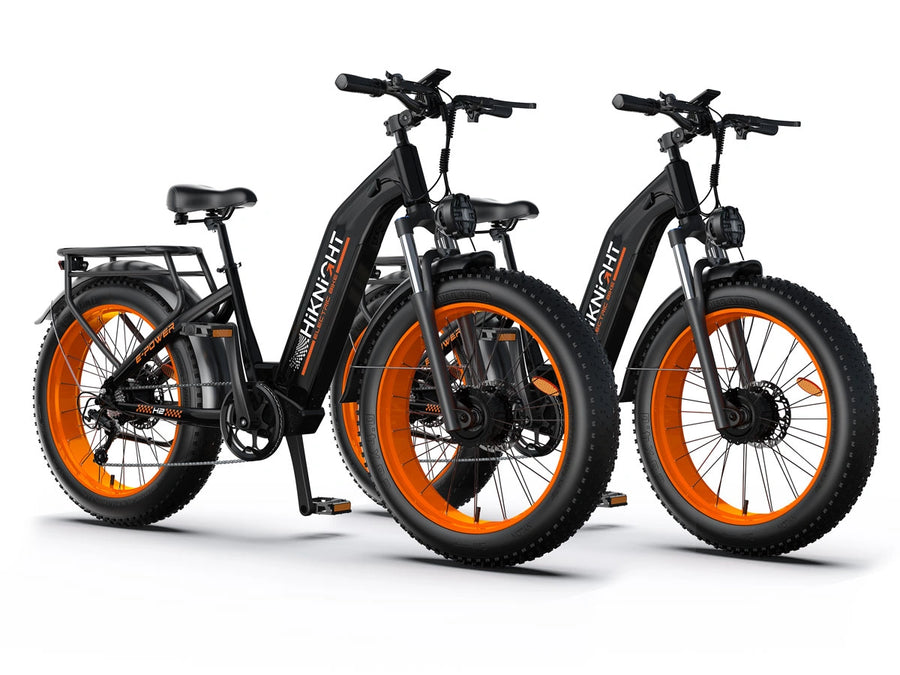
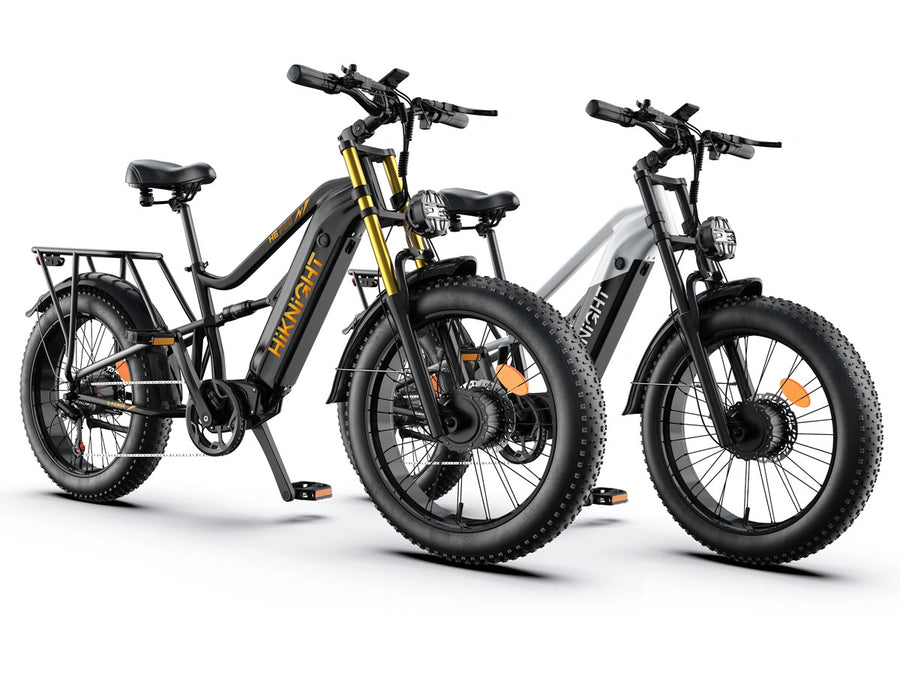
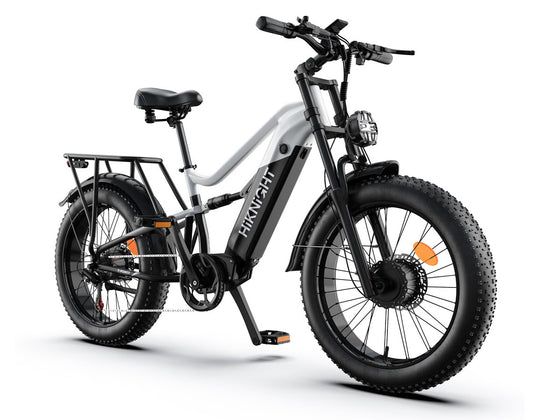
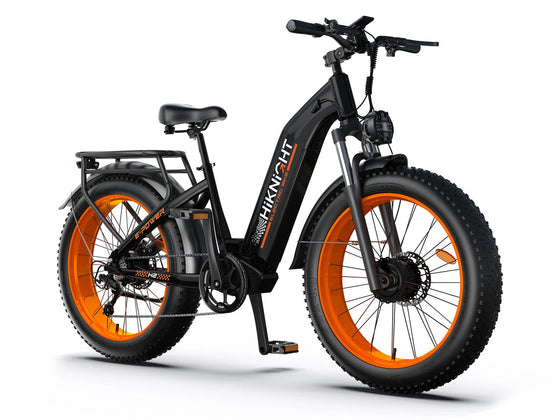
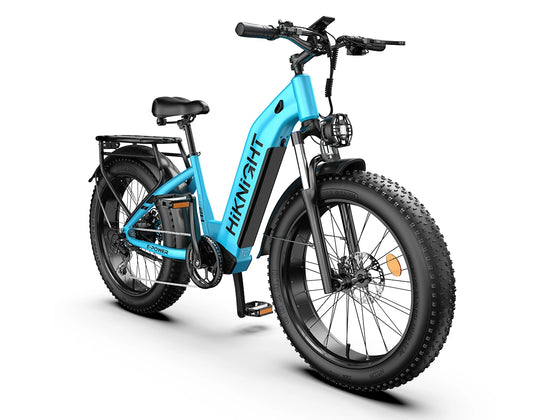
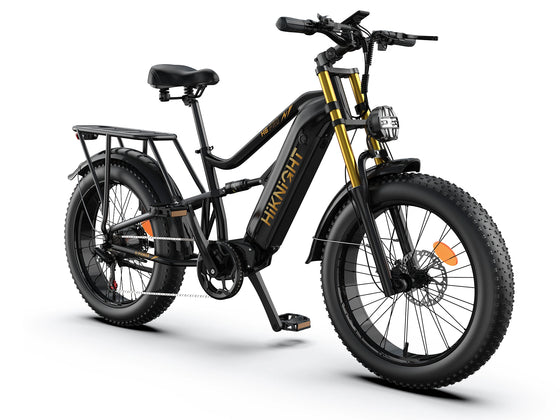
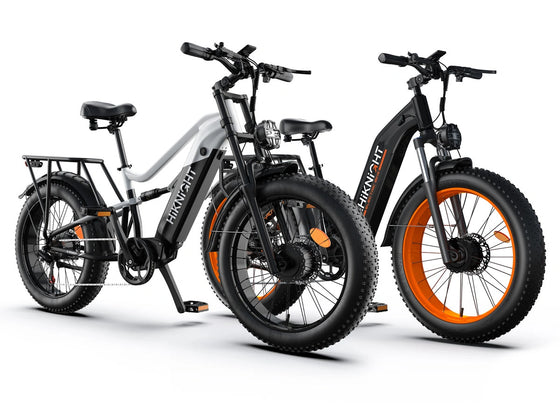
Recommended Off-Road Ebike: HiKNiGHT H2 Pro
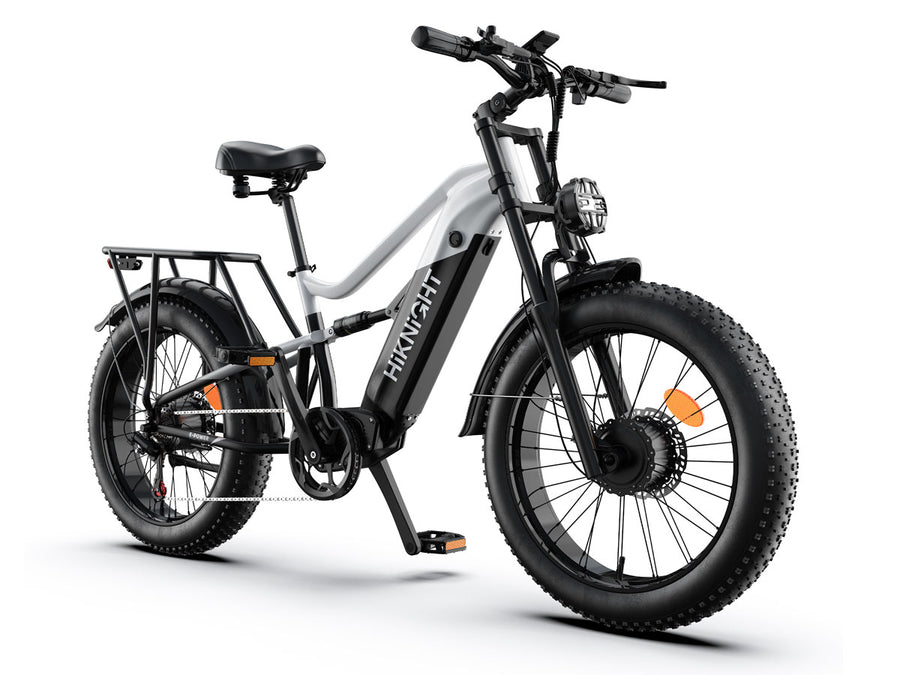
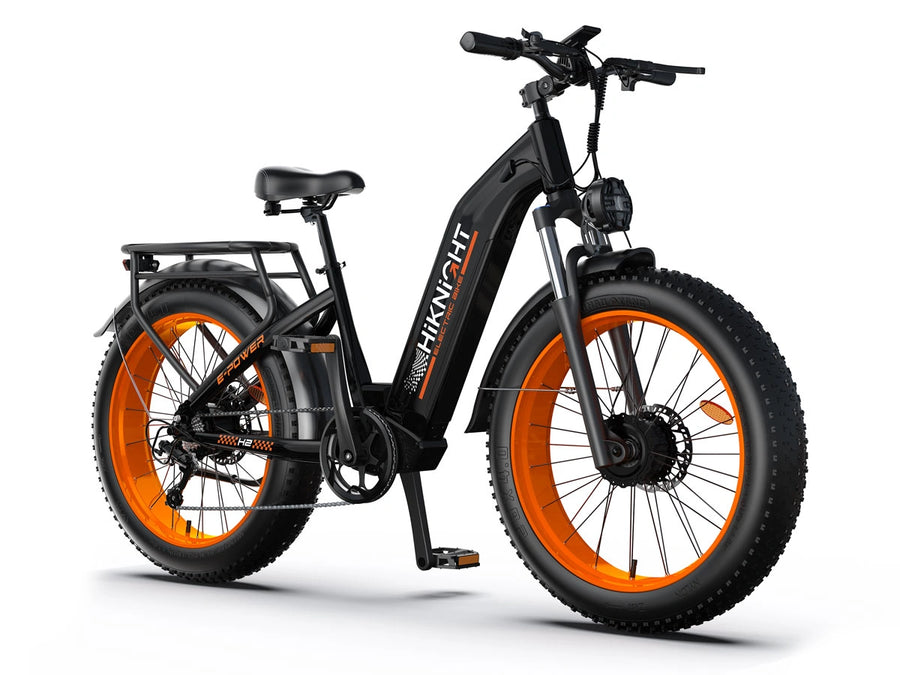
If you're planning to explore California's rugged backroads, desert routes, and off-road environments, a high-performance dual-motor ebike can provide the extra capability needed for challenging terrain.


The HiKNiGHT H2 Pro features a 52V 20Ah battery, dual-motor drivetrain, and a combined peak output of 3000W. With speeds up to 38 MPH, strong climbing ability, and fat tires designed for loose terrain, it delivers impressive performance for both commuting and recreational riding.
Priced at just $1,399, it offers exceptional value for riders seeking dual-motor capability without entering premium price territory.
Explore the HiKNiGHT H2 Pro
Powerful dual motors, long-range capability, and all-terrain performance make the H2 Pro a compelling option for California riders who want to go beyond the pavement.
View HiKNiGHT H2 ProFrequently Asked Questions
Can I ride an ebike on California bike paths?
Generally yes. Class 1 and Class 2 ebikes are widely permitted. Class 3 access depends on local regulations and specific path designations.
Do I need a driver's license to ride an ebike in California?
No. Legal Class 1, 2, and 3 electric bicycles do not require a driver's license, registration, or insurance.
Can Class 3 ebikes be ridden in California?
Yes. Class 3 ebikes are legal but riders must be at least 16 years old and wear a helmet.
Are ebikes allowed on mountain bike trails?
Some trails allow them, while others prohibit them. Rules vary by land manager, park agency, and trail system.
What is the maximum legal speed for a California Class 3 ebike?
28 MPH with pedal assistance.
Final Thoughts
California remains one of the most welcoming states for electric bicycle riders. With extensive bike infrastructure, favorable statewide regulations, and year-round riding weather, it's an excellent place to own an ebike. The key takeaway is simple: understand your ebike class, follow local trail regulations, and ride responsibly. Doing so ensures you can enjoy everything from coastal bike paths to mountain adventures while staying fully compliant with California law.
Last reviewed: June 2026. Riders should always verify local ordinances and trail regulations before riding.
Share:
8 Reasons Why You Should Go for a Fat Tire Ebike
What Is the Fastest Electric Dirt Bike You Can Get Under $1000?