






Cycling across the United States is more than a long ride—it is a personal journey shaped by landscapes, weather, endurance, and planning. From coastal highways to mountain passes and endless plains, riders who attempt a cross-country cycling trip quickly discover that preparation matters as much as passion. 🚴
Whether you are planning a traditional bicycle tour or considering an electric bike for extended distances, understanding routes, timing, equipment, and daily logistics will define your experience.
Why Cycling Across the United States Is So Popular
The United States offers one of the most diverse cycling environments in the world. A single coast-to-coast ride can take you through deserts, forests, farmland, historic towns, and modern cities. Unlike shorter regional tours, cross-country cycling challenges both physical limits and mental discipline.
Many riders choose this journey for different reasons. Some seek solitude and reflection. Others want to test their resilience. For many, it is simply the most immersive way to experience the scale of the country.
Popular Routes for Cycling Across the United States
There is no single “correct” route when cycling across the United States. However, several paths have become popular due to safety, scenery, and available services.
TransAmerica Trail
The TransAmerica Trail is one of the most established coast-to-coast cycling routes. It stretches from Oregon to Virginia and is known for its quiet roads, welcoming cycling towns, and balanced terrain.
Southern Tier Route
Running from California to Florida, the Southern Tier offers warmer weather and flatter sections, though desert heat and long distances between services require careful planning.
Northern Tier Route
This route crosses the northern states from Washington to Maine. Riders are rewarded with cooler temperatures and dramatic scenery, though weather conditions can change quickly.
How Long Does It Take to Cycle Across the United States?
Most cyclists complete a cross-country ride in 8 to 12 weeks, depending on daily mileage, rest days, and route choice. Traditional cyclists often average 50–70 miles per day, while riders using electric bikes may cover longer distances with less fatigue.
What matters more than speed is consistency. Overextending early in the trip is one of the most common mistakes new long-distance riders make.
Traditional Bike vs Electric Bike for Cross-Country Cycling
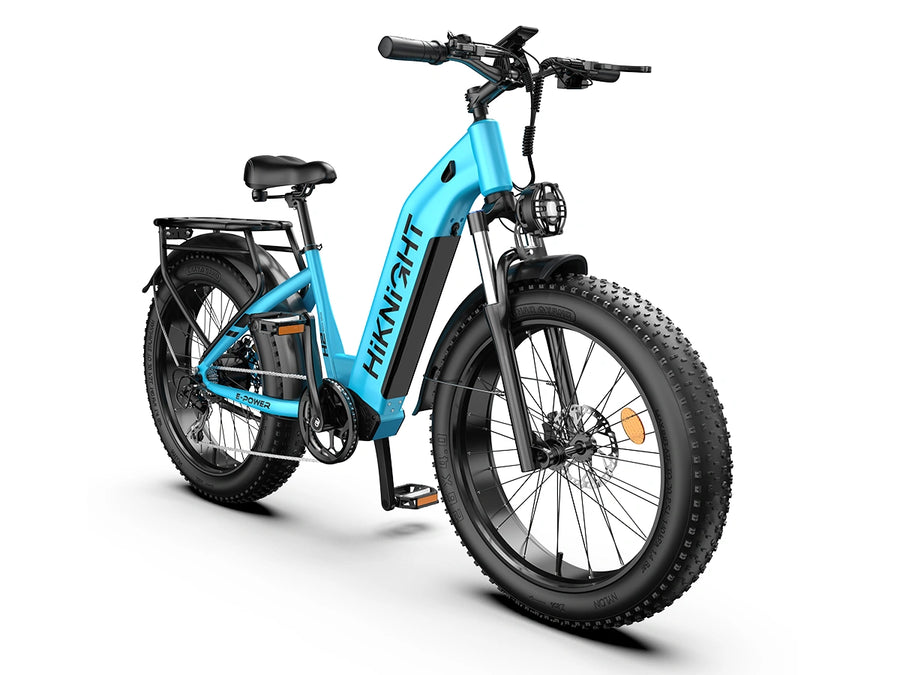
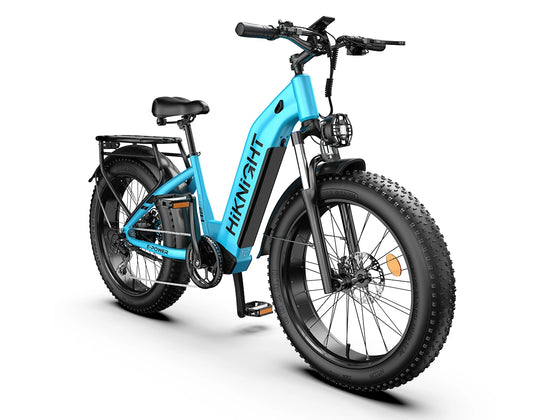
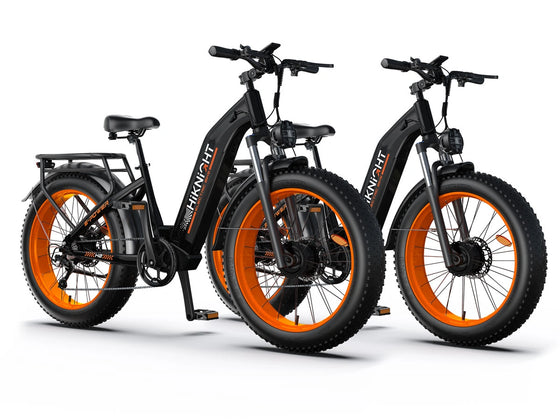
Electric bikes are becoming increasingly common for long-distance touring. They reduce strain on climbs, help manage headwinds, and make longer daily distances more achievable.
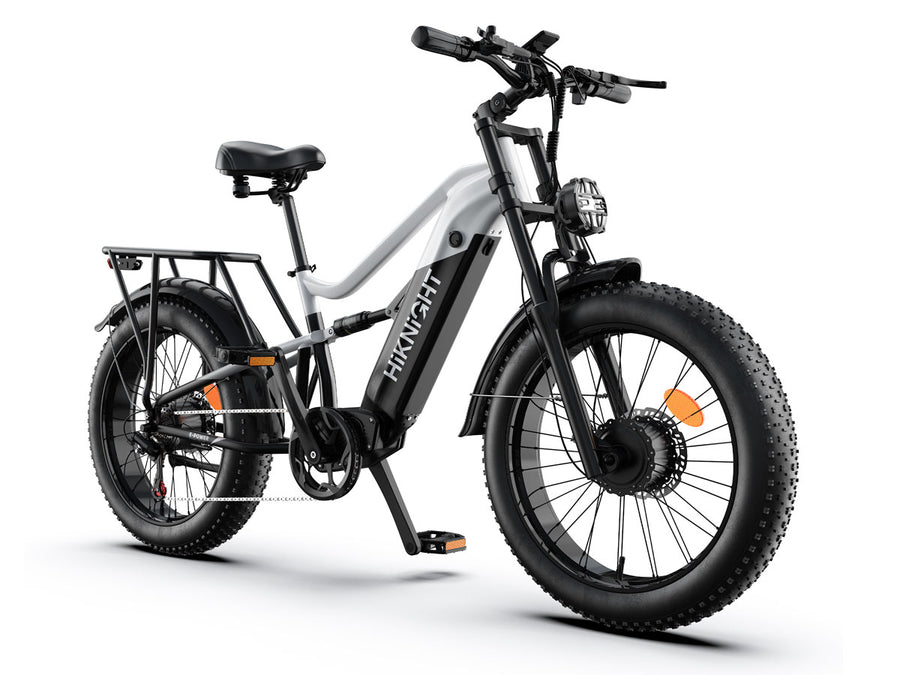
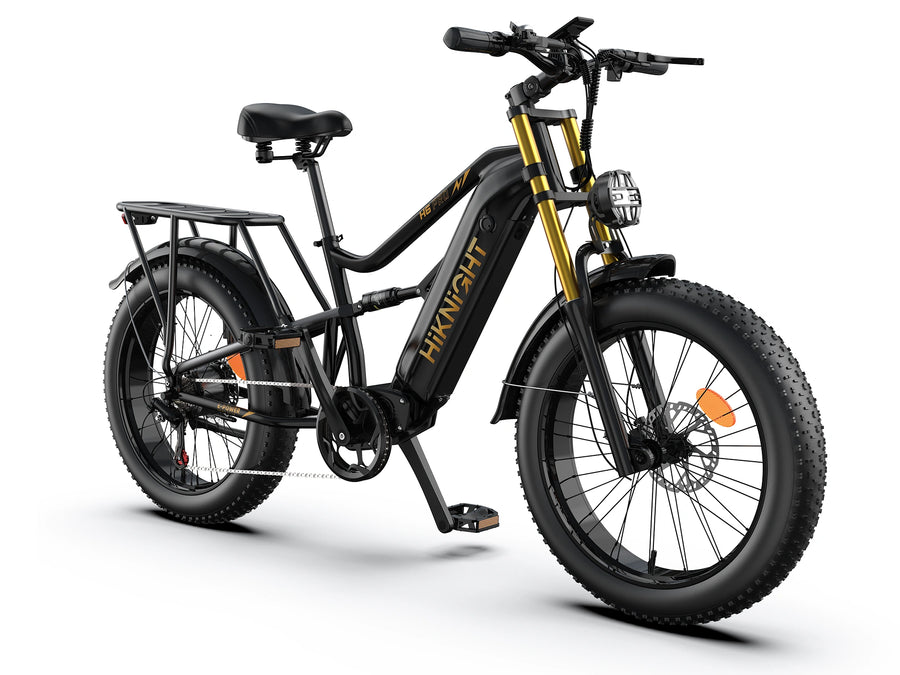
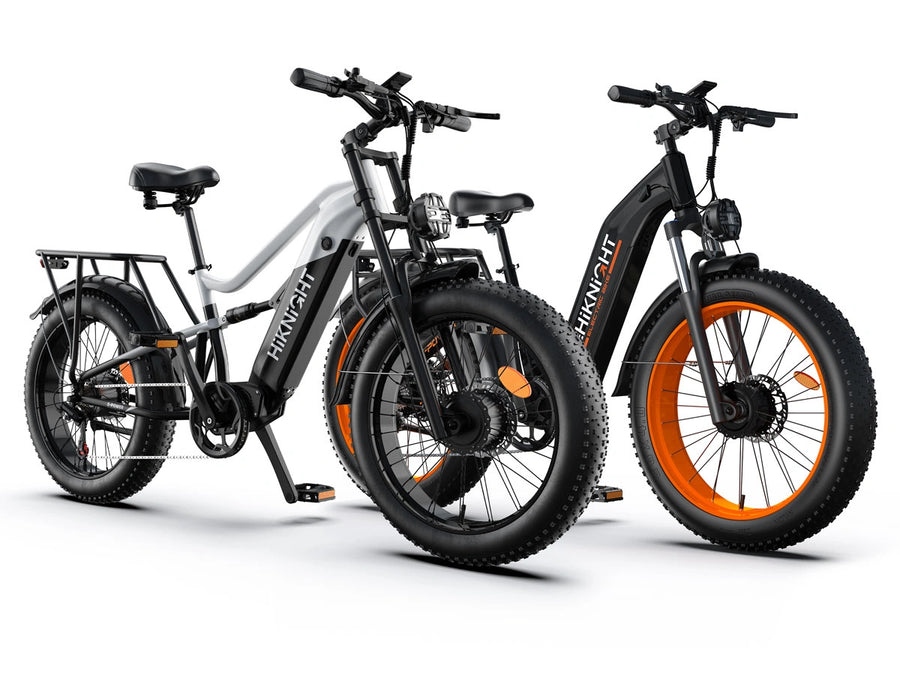
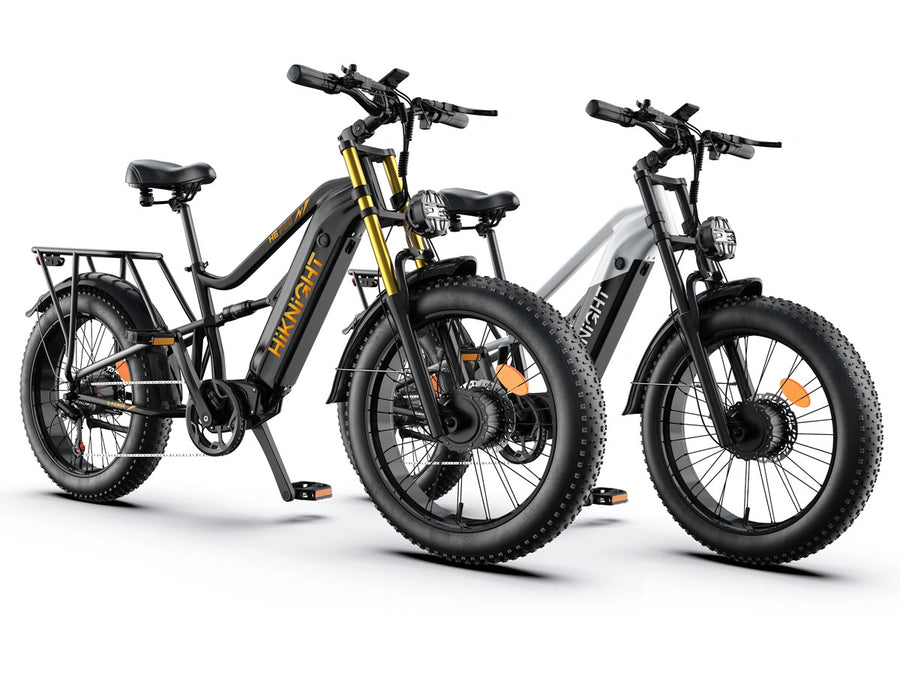
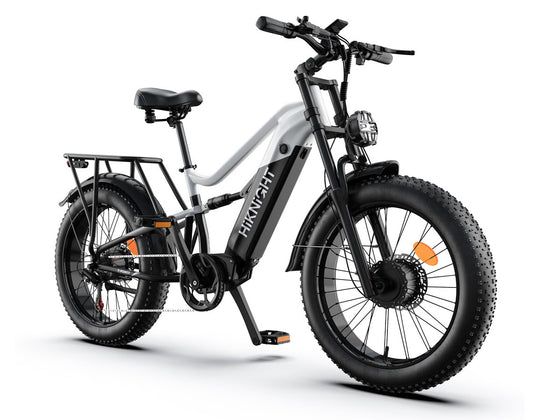
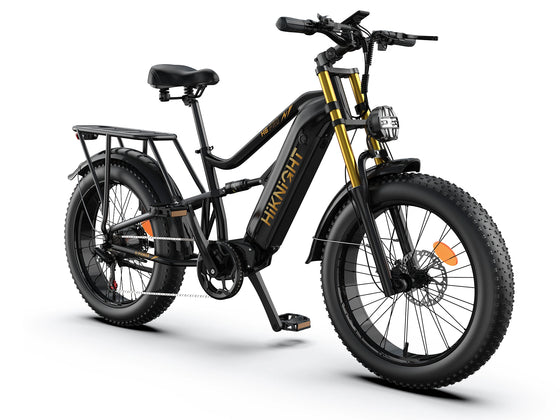
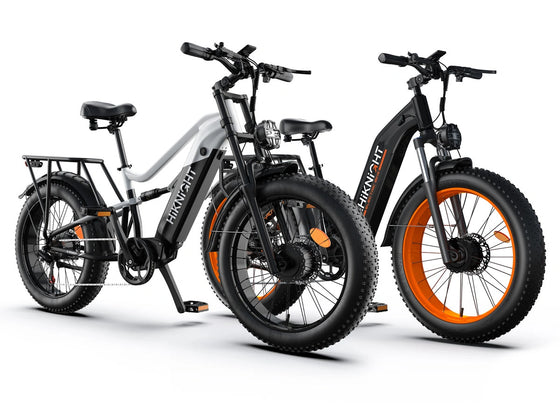
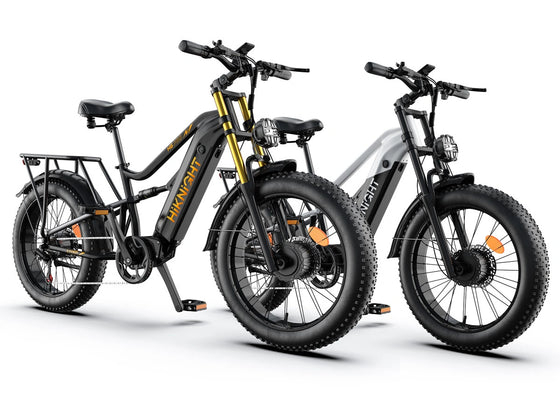
High-powered dual-motor models, such as the HiKNiGHT H6 Pro, are particularly well-suited for mixed terrain and loaded touring. Fat tires improve stability on gravel roads and uneven pavement, which are common on cross-country routes.
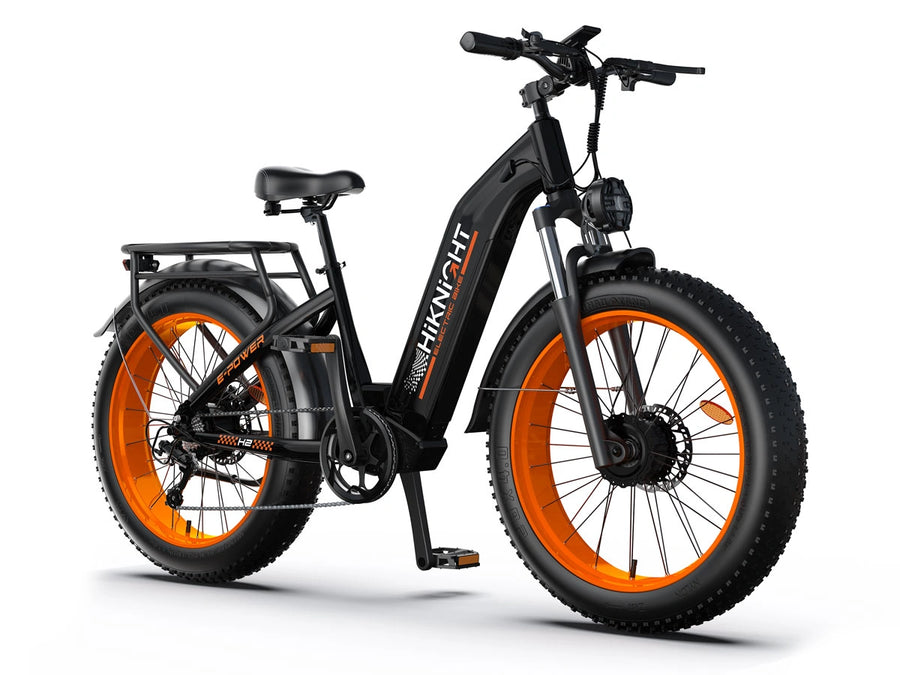
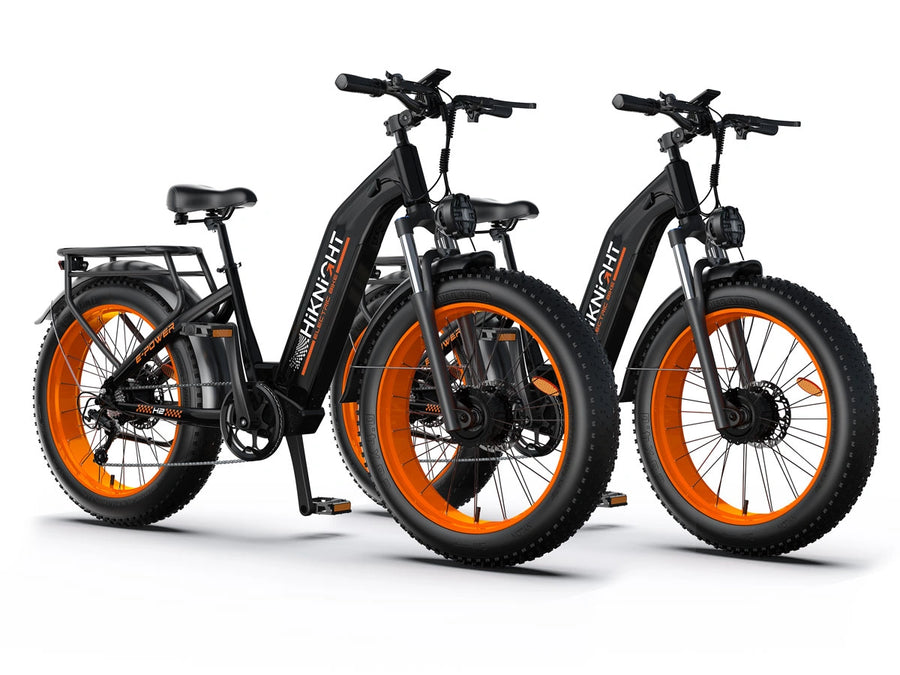
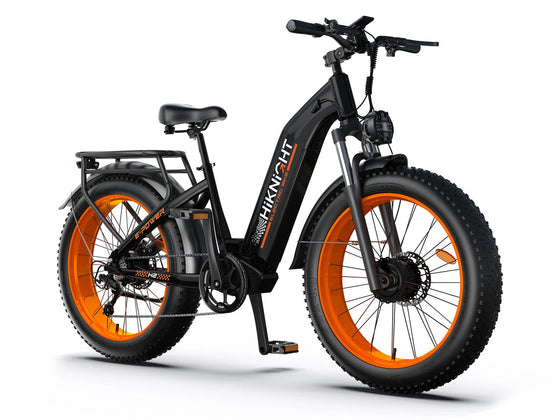
For riders who want a balance between power and efficiency, the HiKNiGHT H2 Pro offers strong performance with a more road-oriented feel.
Daily Costs When Cycling Across the United States
Costs vary widely based on lodging choices, food preferences, and equipment. On average, riders spend between $30 and $70 per day.
- Food: $15–$30 per day
- Lodging or camping: $0–$40 per night
- Maintenance and supplies: variable
Electric bike riders should also account for charging access, though most campgrounds, cafes, and public spaces make this manageable.
What to Pack for a Cross-Country Cycling Trip
Packing too much is a common mistake. Riders should focus on reliability rather than variety. Essential categories include clothing layers, repair tools, navigation, and weather protection.
For electric bike touring, spare tubes, charging cables, and basic electrical knowledge are equally important.
Training and Mental Preparation
Physical training helps, but mental preparation is what carries riders through difficult days. Long distances, changing weather, and isolation can test motivation.
Experienced cyclists recommend shorter multi-day trips before attempting a coast-to-coast journey. These rides reveal equipment issues and help build confidence.
Is Cycling Across the United States Worth It?
For most riders who complete the journey, the answer is simple. The experience changes how they view distance, time, and personal limits. 🇺🇸
With thoughtful planning, realistic expectations, and the right equipment, cycling across the United States becomes less about endurance and more about discovery.
To explore touring-ready electric bikes and technical specifications, visit the official HiKNiGHT website.
Share:
Price for Ebike: What You’re Really Paying For
How Does an Ebike Work — A Comprehensive Guide to Electric Bike Technology