

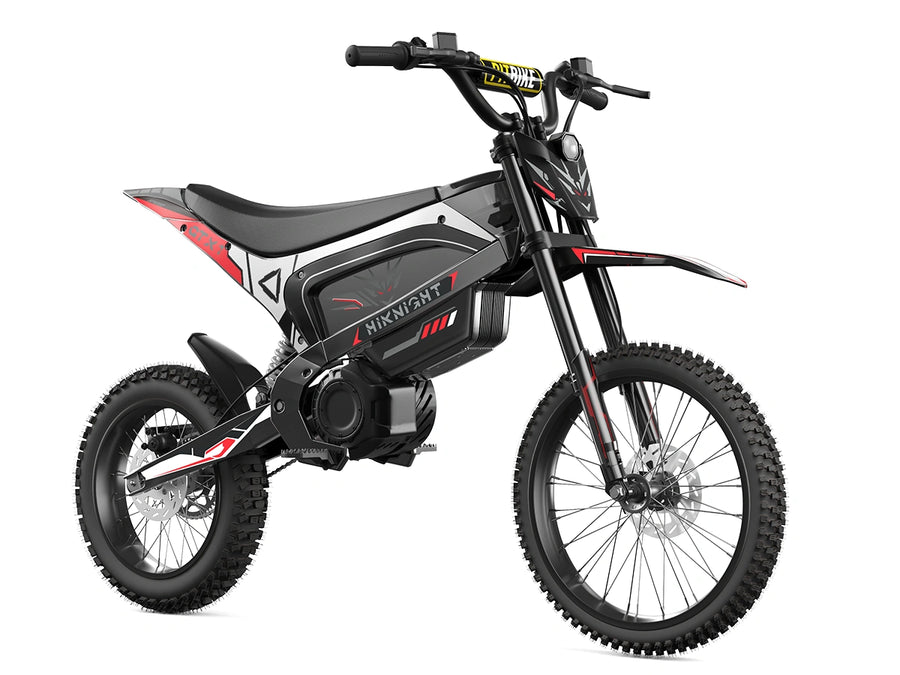
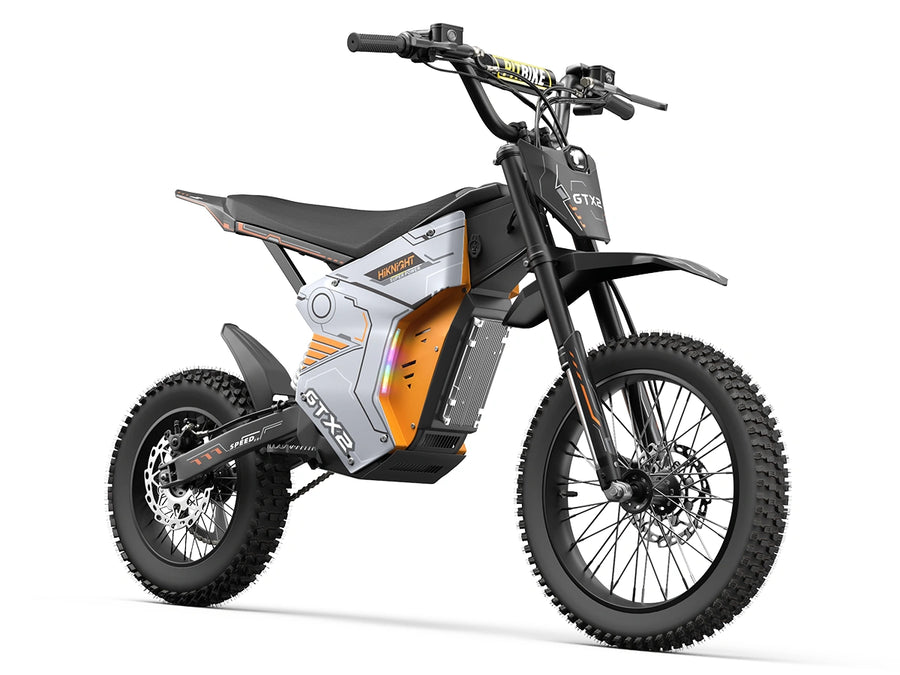

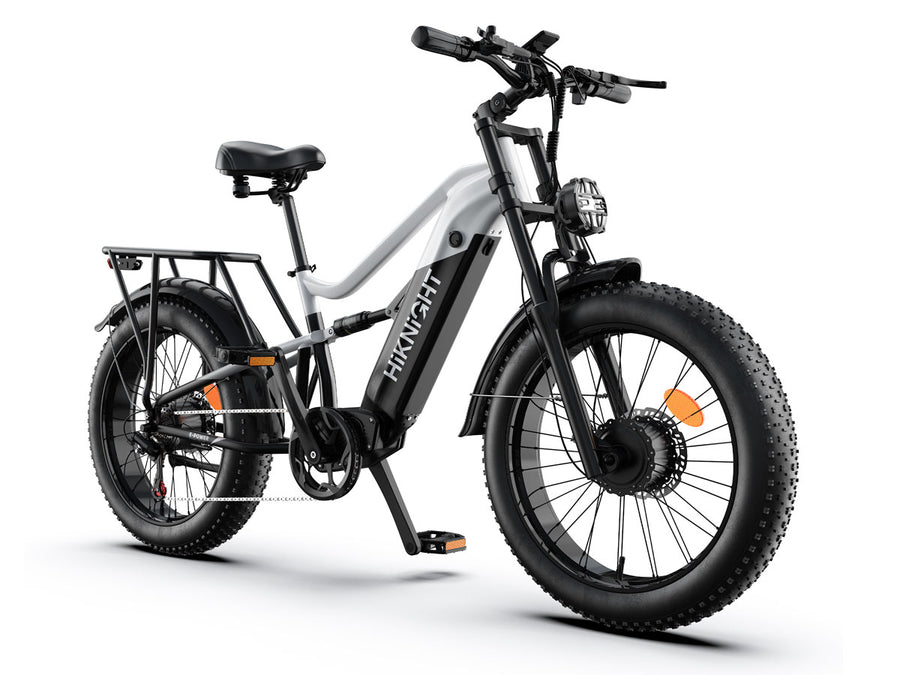
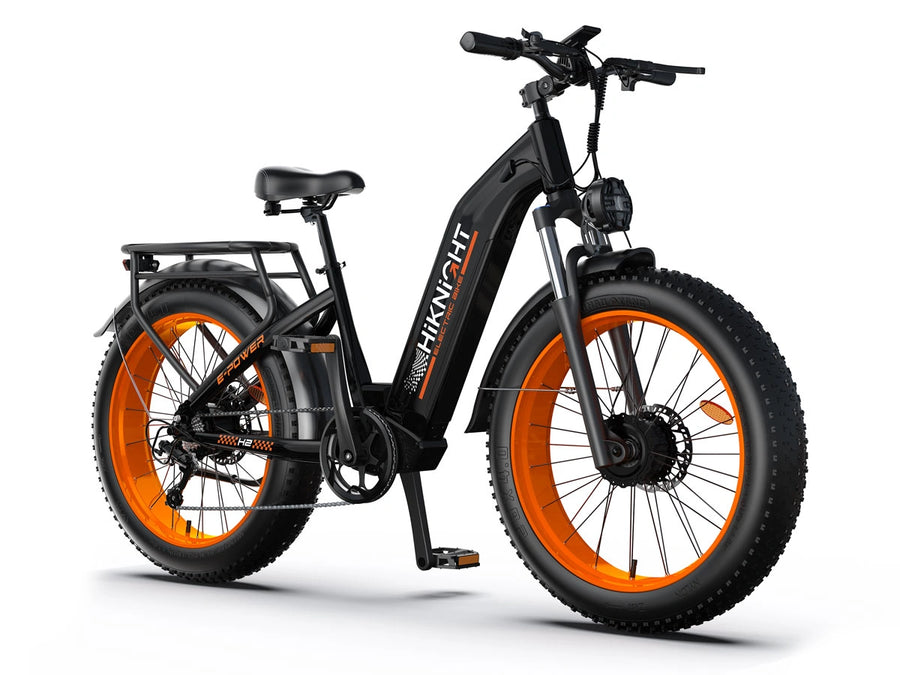

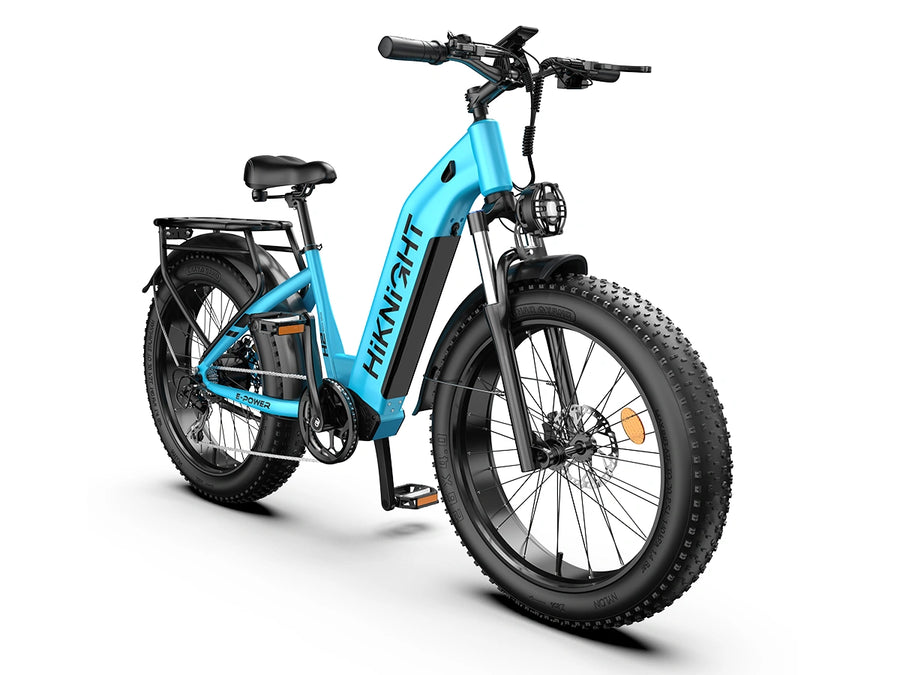


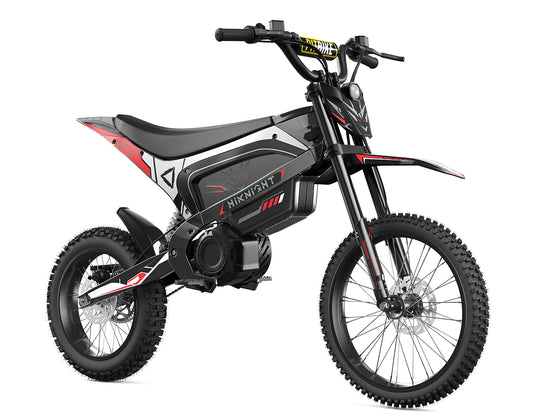
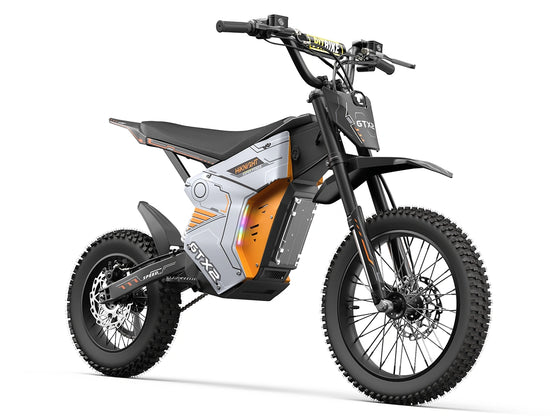
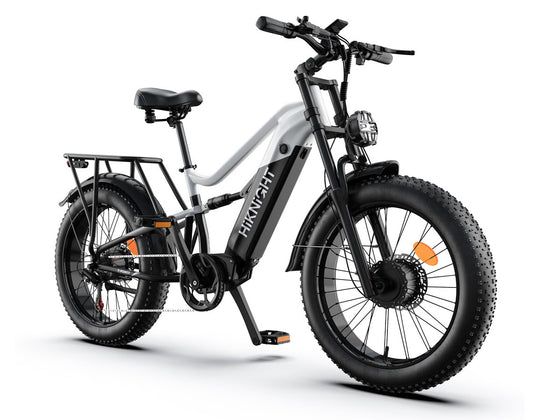
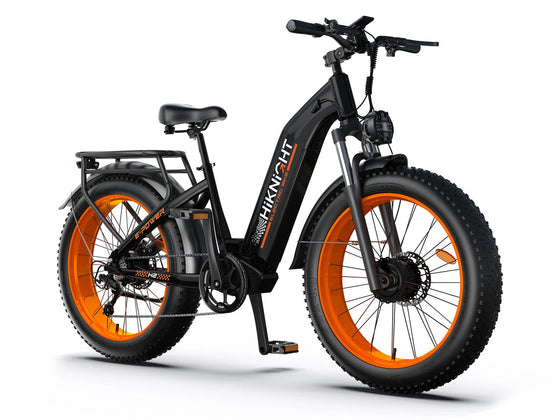
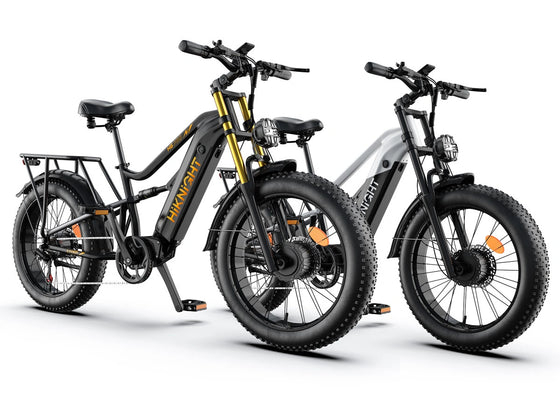
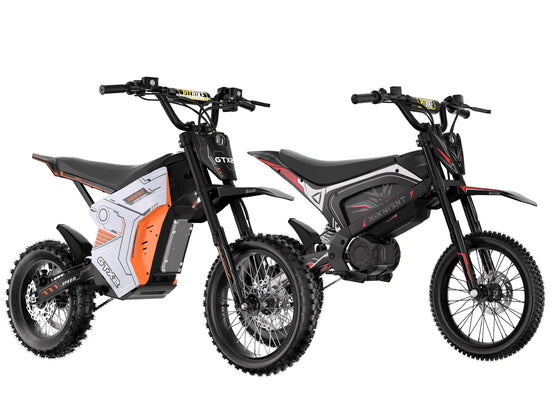
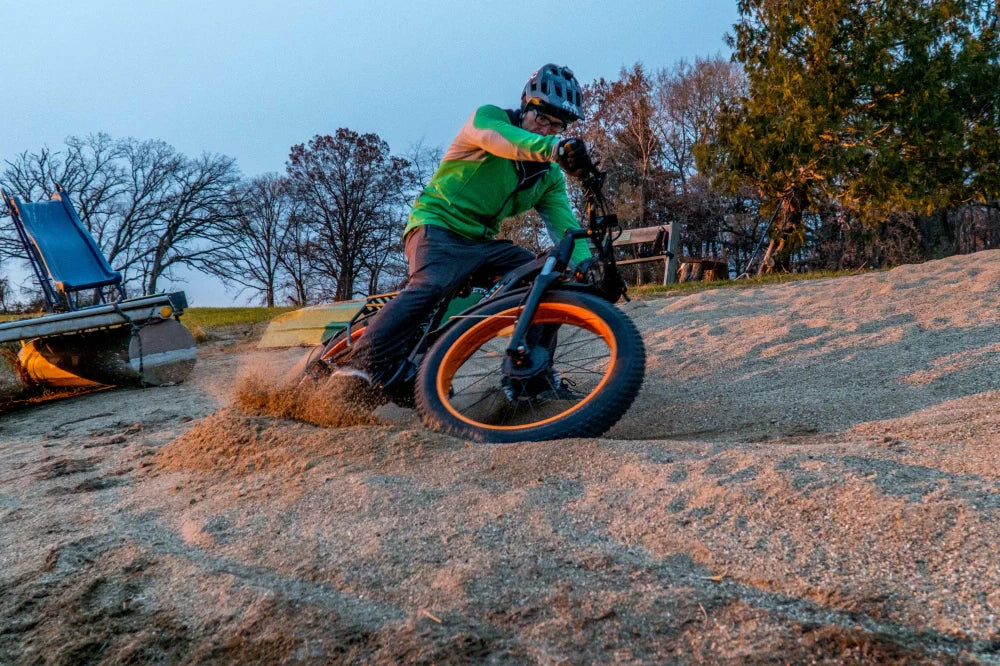
When people search for price for ebike, they are rarely looking for a single number. Queries like ebike how much or how much is an electric bike usually lead to prices that range from a few hundred dollars to well over five figures. This wide gap exists because electric bikes are not built for one purpose or one type of rider 🚲.
To understand the true ebike cost, it helps to look beyond the price tag and examine what actually goes into an electric bicycle.
Average Ebike Cost in Today’s Market
Across the broader market, the average cost of e bicycle typically falls between $1,000 and $3,000. Bikes in this range usually provide reliable motors, usable battery capacity, and components suitable for daily riding.
However, two ebikes with the same price can deliver very different riding experiences. Motor configuration, battery size, and intended terrain all play a role in how much real value a rider gets for the money.
Entry-Level Electric Bikes: What Lower Prices Mean
Entry-level ebikes often start around $600 to $1,000. These models are designed for basic transportation on relatively flat terrain. While the initial ebike cost is appealing, compromises are usually made in motor power, range, and long-term durability.
For riders who expect consistent performance or need help on hills, these lower-priced options may feel limiting over time.
Mid-Range Ebikes: The Value Sweet Spot
For many riders, the best balance between performance and price appears in the mid-range segment. Ebikes priced between $1,500 and $3,000 often deliver stronger motors, improved battery systems, and more stable handling.
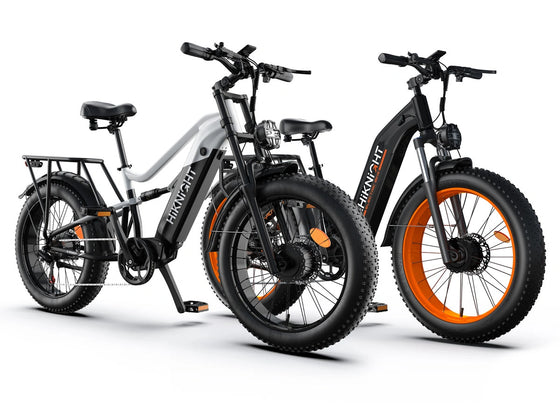
Brands like HiKNiGHT focus heavily on this category, prioritizing functional upgrades that directly affect riding experience rather than cosmetic features.
Why High-End Ebikes Cost So Much
Once prices move beyond $5,000, the answer to how much is an electric bike changes dramatically. High-end ebikes often include advanced electronics, premium suspension systems, lightweight frames, and highly integrated motor designs.
These bikes are typically built for demanding riders or specialized terrain, where performance gains justify the higher price for ebike.
Key Factors That Influence Ebike Cost
Motor Configuration
Motor power and layout significantly affect ebike cost. Dual motor systems provide higher torque and better control, but they also increase manufacturing complexity.
Battery Capacity
Larger batteries extend range but add weight and expense. Battery quality also influences longevity and overall safety.
Frame and Components
Frame materials, braking systems, and suspension setups all contribute to the final cost of e bicycle. These elements shape long-term reliability more than short-term appearance.
Dual Motor and Fat Tire Ebikes: A Different Pricing Logic
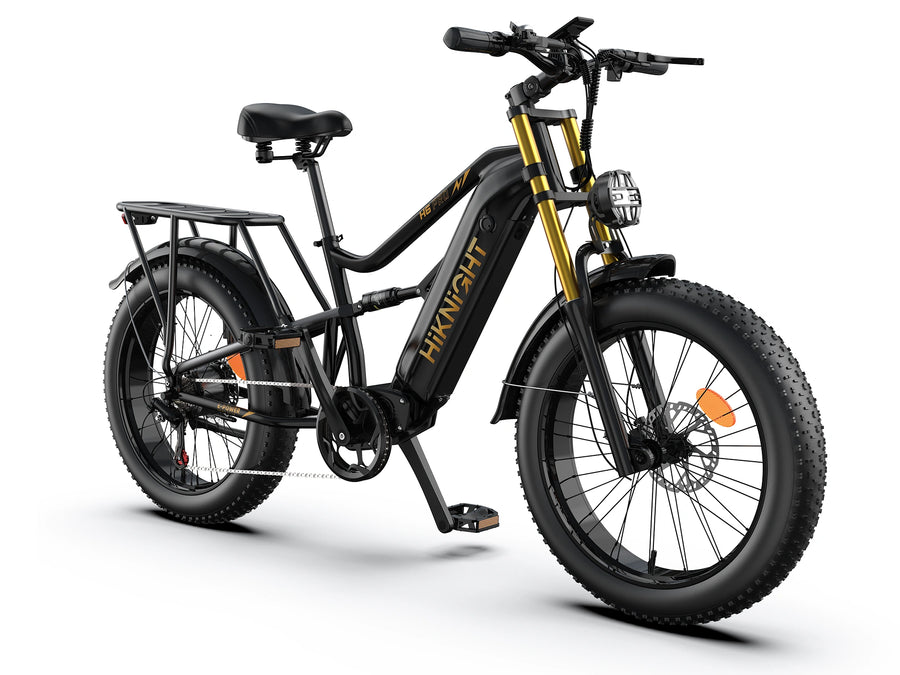
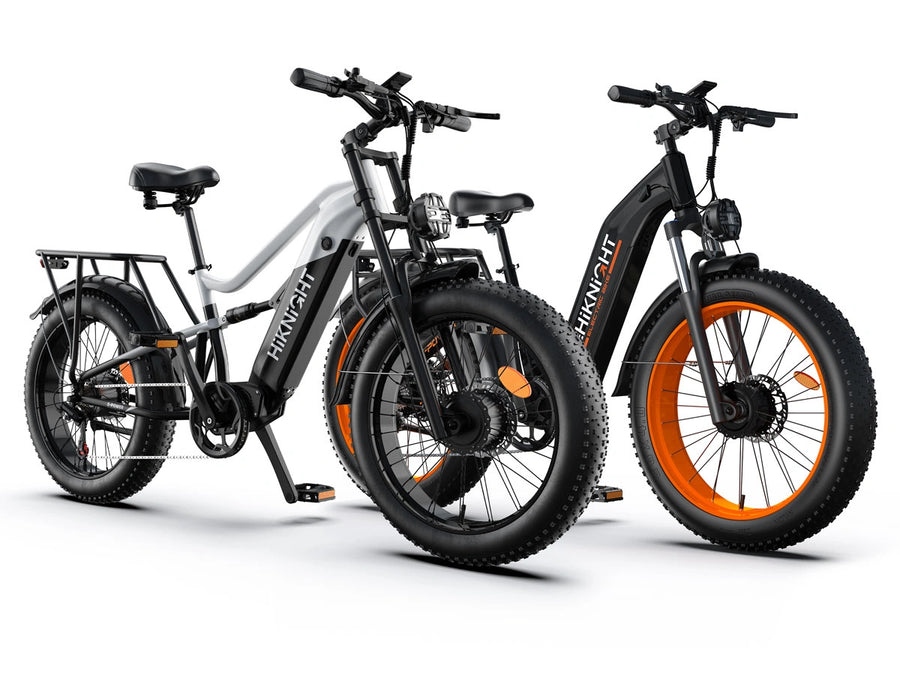
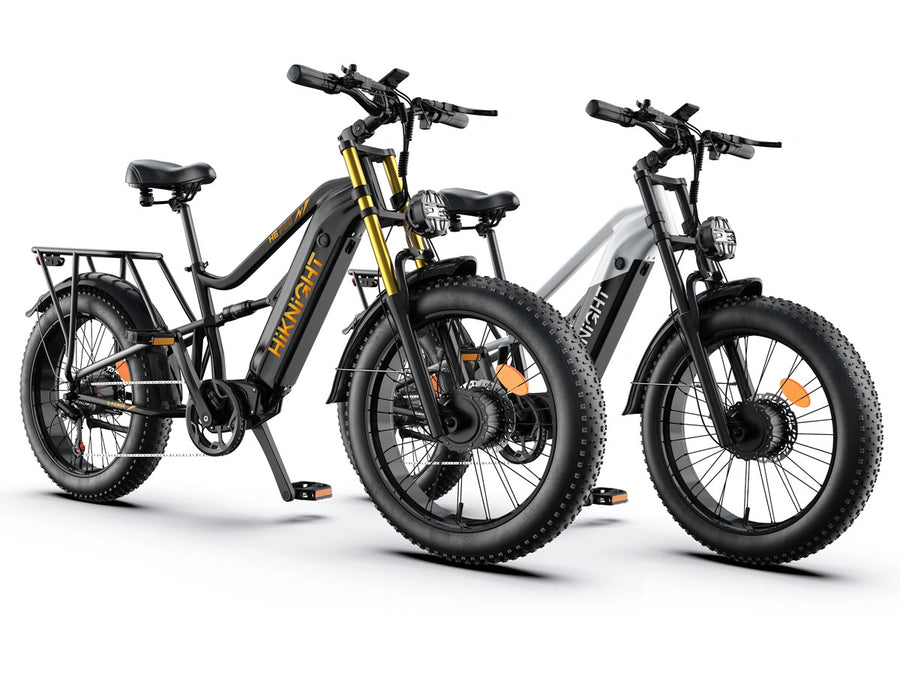
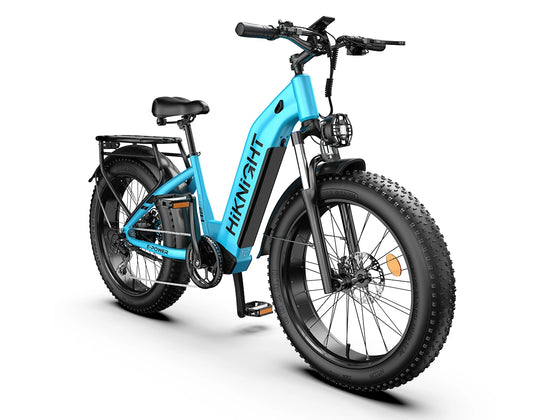
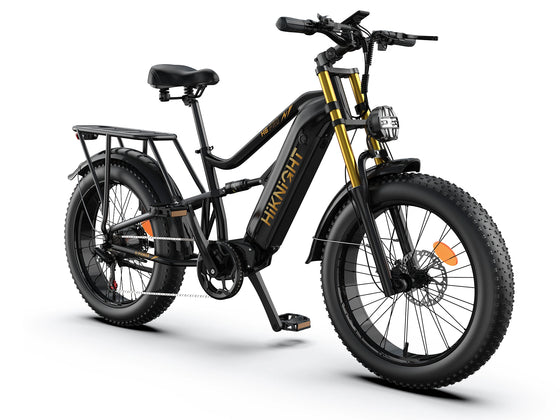
Ebikes designed for off-road or mixed terrain follow a different pricing structure. Models like the HiKNiGHT H6 Pro dual motor off-road electric bike are built around traction, torque, and stability rather than minimal weight.
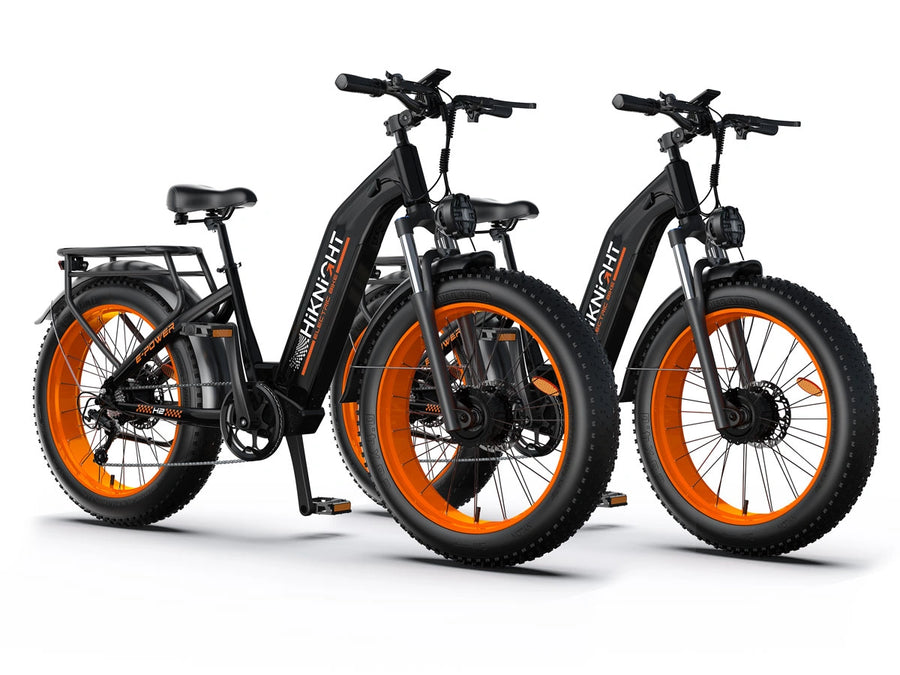
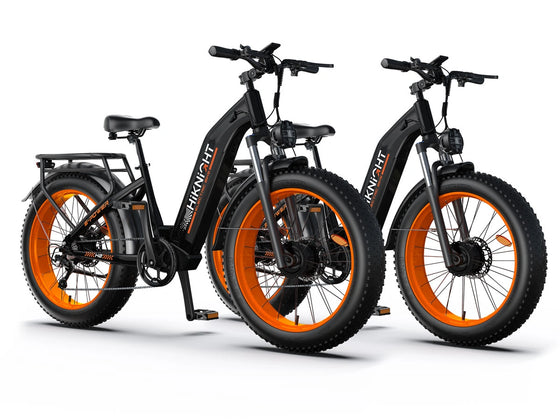
Meanwhile, the HiKNiGHT H2 Pro dual motor fat tire electric bike balances strong performance with everyday usability, offering versatility across multiple riding environments.
Choosing an Ebike Based on Value, Not Just Price
When asking ebike how much, a better question is often what that price includes. Riders who invest slightly more upfront often benefit from improved durability, lower maintenance costs, and a more consistent riding experience over time ⚡.
Final Thoughts on the Price for Ebike
The price for ebike reflects design priorities, component quality, and intended use. Understanding these factors helps riders choose a bike that delivers lasting value rather than focusing solely on the lowest number.
Share:
Ebike Classes Explained: How to Choose the Right Electric Bike Class for Your Riding Style
Cycling Across the United States: A Complete Guide for Long-Distance Riders