



Electric bikes are becoming more common on roads, trails, and even in remote outdoor areas. For many adults considering their first e-bike, one of the most common questions is simple: Do you need a license for an electric bike?
The short answer is usually no. However, the full answer depends on several factors, including motor power, speed limits, and the laws where you ride. Understanding how electric bikes are classified can help riders stay compliant and choose the right type of bike for their needs.
How Electric Bikes Are Legally Classified
In many regions, electric bikes are separated into different categories based on speed and motor assistance. The most common system is the three-class structure used across much of the United States.
Class 1 E-Bikes
Class 1 bikes use pedal assist only. The motor provides support when the rider pedals and stops assisting once the bike reaches 20 mph.
Class 2 E-Bikes
Class 2 models include a throttle. This allows riders to power the bike without pedaling, but the maximum assisted speed remains 20 mph.
Class 3 E-Bikes
Class 3 bikes provide pedal assistance up to 28 mph. They are typically designed for faster commuting and longer rides.
For these three categories, most regions treat electric bikes similarly to regular bicycles. This means riders typically do not need a driver’s license, registration, or insurance.
When a License Might Be Required
While standard e-bikes rarely require a license, certain situations may change how they are classified under local laws.
Higher Speed Capabilities
If an electric bike exceeds the typical 28 mph assistance limit, it may be considered a motorized vehicle rather than a bicycle. In these cases, riders may need a driver’s license and vehicle registration.
Higher Motor Power
Many regions regulate e-bikes based on motor wattage. In the United States, the widely accepted threshold is 750 watts. Bikes that exceed this level may fall into a different legal category.
Specialized Off-Road Models
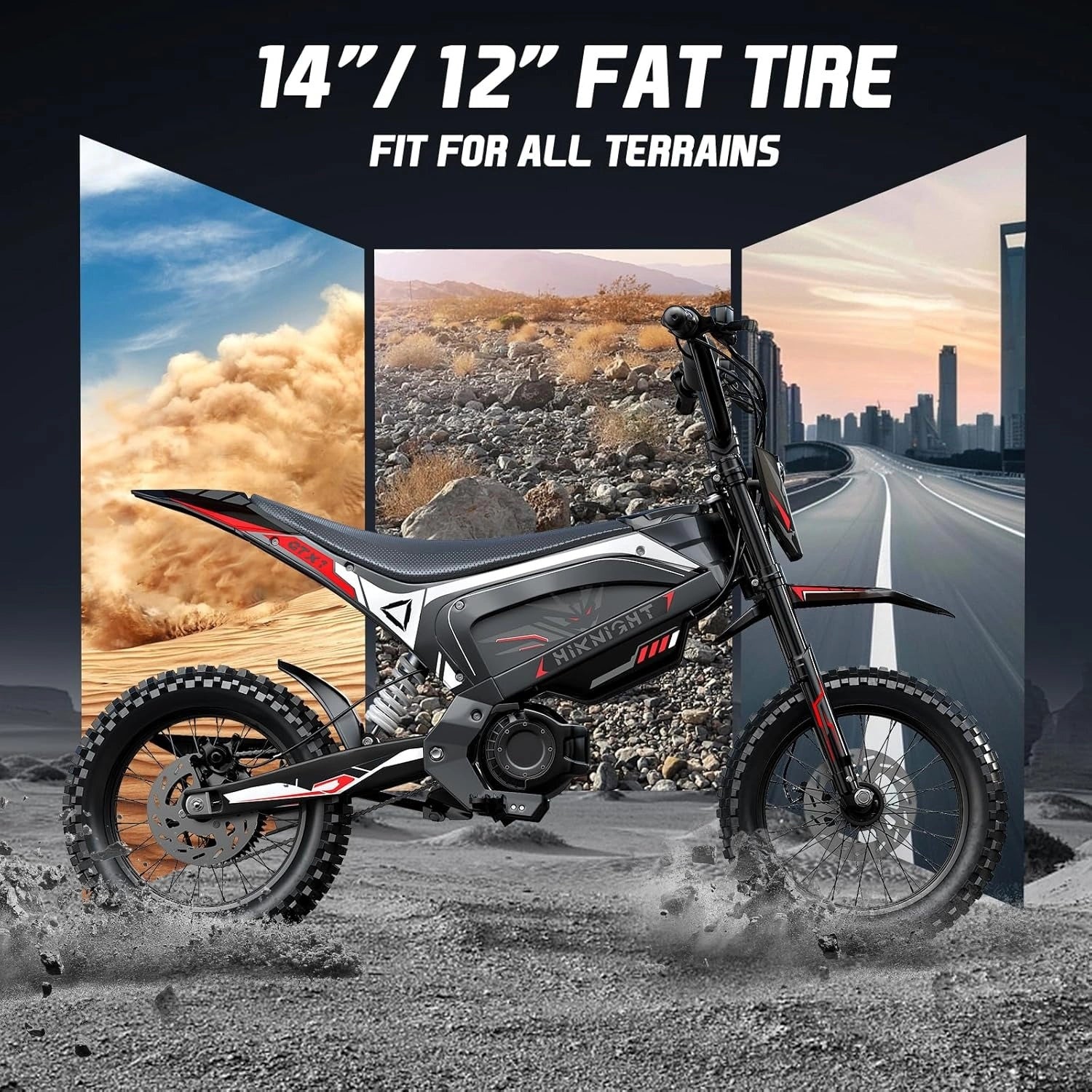
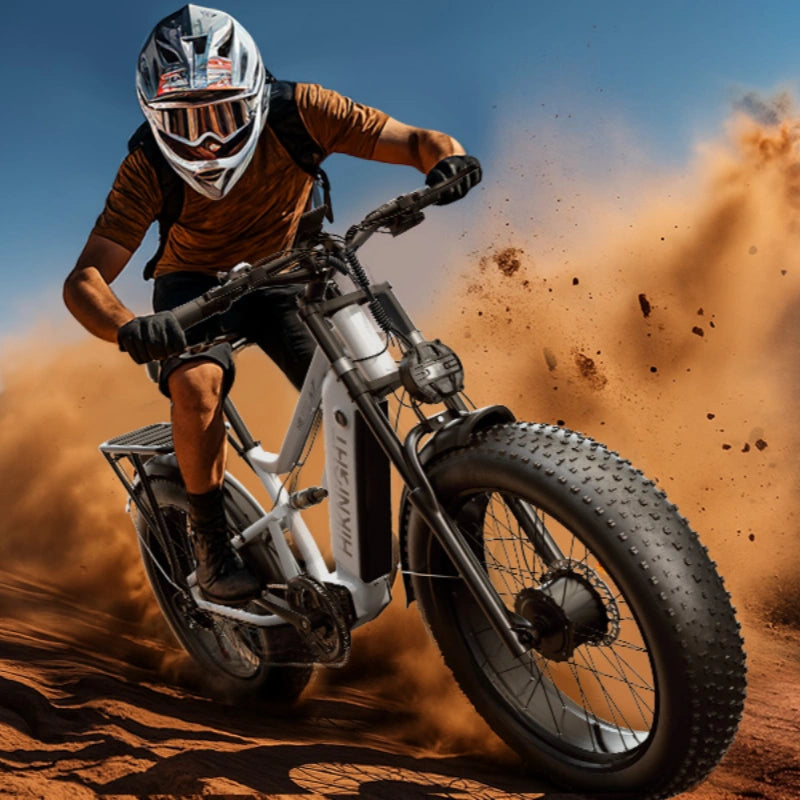
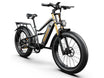
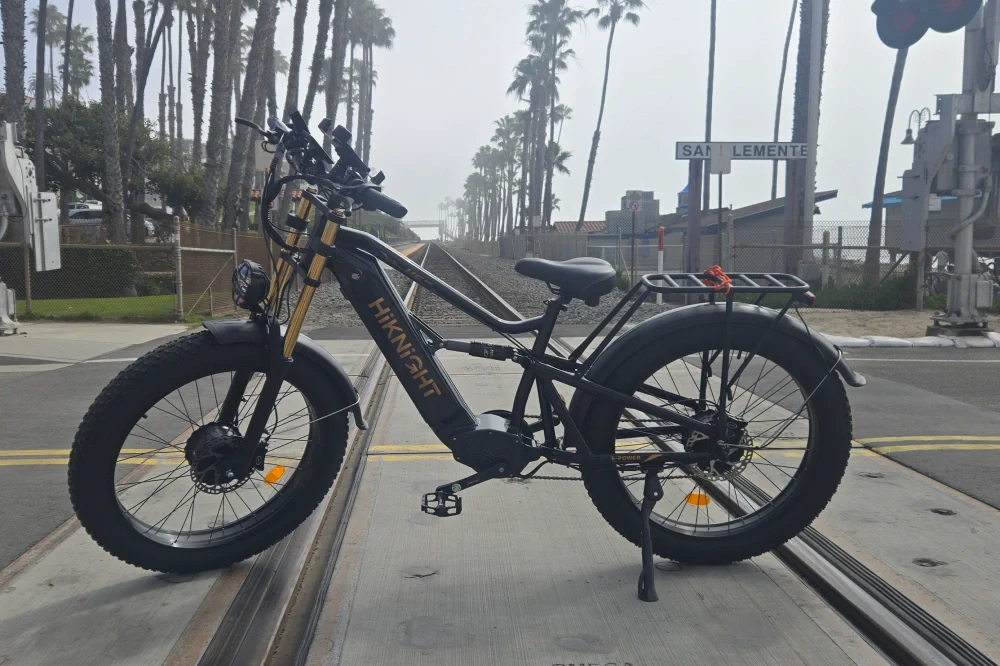
Some electric bikes are built specifically for off-road exploration and rugged terrain. These models often feature fat tires, strong frames, and powerful motors designed for trails rather than city commuting.
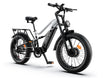
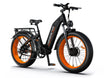
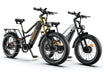
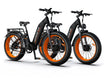
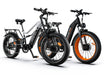
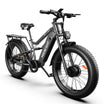
For example, performance-oriented bikes like the HiKNiGHT H2 Pro focus on traction and torque for uneven terrain, while models such as the HiKNiGHT H6 Pro emphasize control and stability for trail riding.
Electric Bike Laws in the United States
Most U.S. states follow the three-class system described above. Under these rules, electric bike riders typically do not need a license. Registration and insurance are also rarely required.
However, local regulations can still affect where e-bikes are allowed to ride. Some bike paths only permit Class 1 e-bikes, while others allow Class 2 throttle bikes as well. National parks and local trail systems may also have additional restrictions.
Electric Bike Rules in Other Countries
Canada
Many Canadian provinces allow electric bikes without a license if they stay within speed and motor limits. Riders must usually wear a helmet and meet minimum age requirements.
United Kingdom
In the UK, electric bikes are classified as Electrically Assisted Pedal Cycles (EAPCs). If they meet the legal requirements for speed and power, riders do not need a license.
European Union
Across much of the EU, electric bikes with pedal assistance up to 25 km/h and a 250-watt motor do not require licensing. Higher-powered models may be classified as mopeds.
Choosing the Right Electric Bike for Your Riding Style
Beyond regulations, riders should also consider how they plan to use their e-bike.
Urban commuters often prefer lighter bikes designed for smooth pavement and daily transportation. However, riders who enjoy exploring trails, beaches, or snow-covered paths often choose fat-tire electric bikes for their stability and traction.
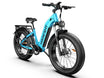
Some high-performance e-bikes combine strong motors with wide tires to handle more demanding terrain. You can explore these types of bikes through the HiKNiGHT electric bike collection, where modern designs focus on both adventure riding and outdoor exploration.
Why Electric Bikes Continue to Grow in Popularity 🚴
Electric bikes have grown rapidly in popularity over the past decade. Several factors contribute to their rise.
- They make longer rides accessible to more people.
- They reduce commuting time without the cost of a car.
- They open up new riding environments such as sand, snow, and mountain trails.
- They offer flexible riding options between pedal power and motor assistance.
How to Check Local Electric Bike Laws
Because regulations change, the safest way to confirm licensing requirements is to check local transportation authorities.
A quick search for “electric bike laws” along with your state or country usually leads to official government guidelines. These resources explain the limits on motor power, speed, and where electric bikes are allowed to ride.
The Bottom Line
So, do you need a license for an electric bike?
In most situations, the answer is no. As long as an electric bike fits within standard e-bike classifications and speed limits, riders can generally use them without a driver’s license.
However, laws can vary depending on location and bike specifications. Before purchasing or riding an e-bike, it is always wise to review local regulations to ensure a smooth and legal riding experience.






Leave a comment
All comments are moderated before being published.
This site is protected by hCaptcha and the hCaptcha Privacy Policy and Terms of Service apply.