



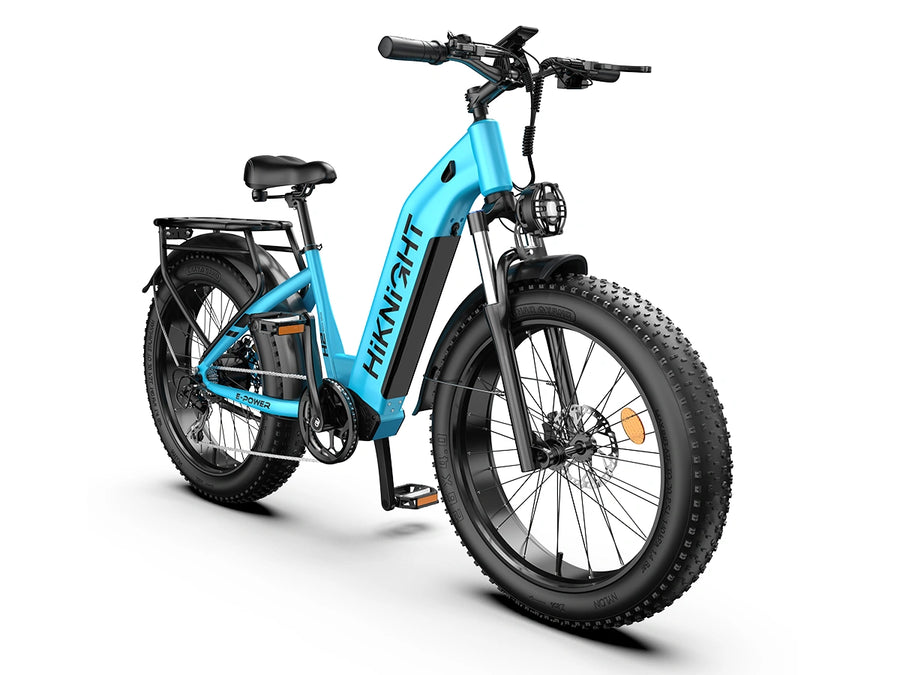


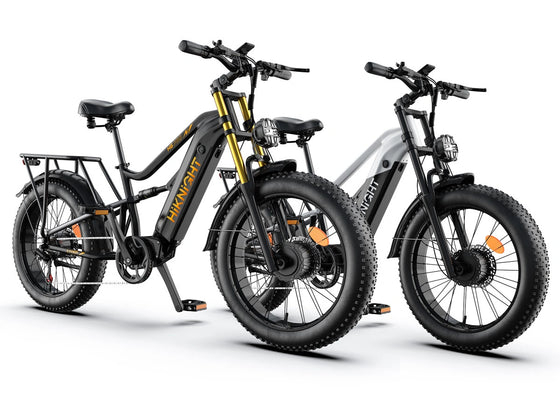
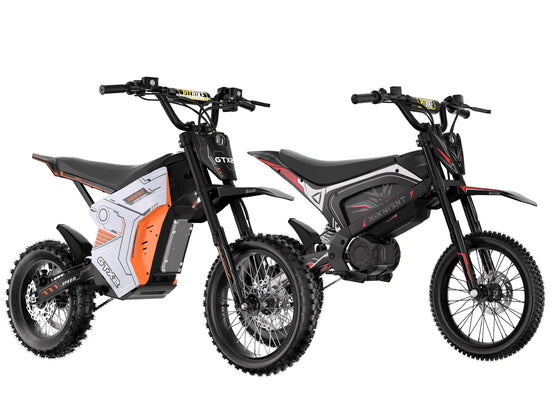

Electric bikes have evolved from simple commuting tools into powerful machines capable of serious off-road exploration. But behind every ride is something riders often overlook—the ebike battery charger. Without proper charging habits, even the most advanced battery system can lose capacity faster than expected.
Understanding how charging works, how to avoid common mistakes, and how to keep your battery healthy can significantly extend performance and lifespan. Whether you ride daily through the city or explore rugged trails, how you charge your e-bike matters more than most riders realize.
Why the E-Bike Battery Charger Matters More Than You Think
When people shop for an electric bike, they usually focus on motor power, speed, or suspension. While those features define the riding experience, the charging system quietly determines how reliable your bike remains over time.
A quality ebike battery charger regulates both voltage and current while communicating with the battery management system. This ensures safe charging cycles and protects the lithium-ion cells inside the battery.
Using incompatible chargers may lead to:
- Reduced battery lifespan
- Excessive heat during charging
- Unstable charging cycles
- Long-term capacity loss
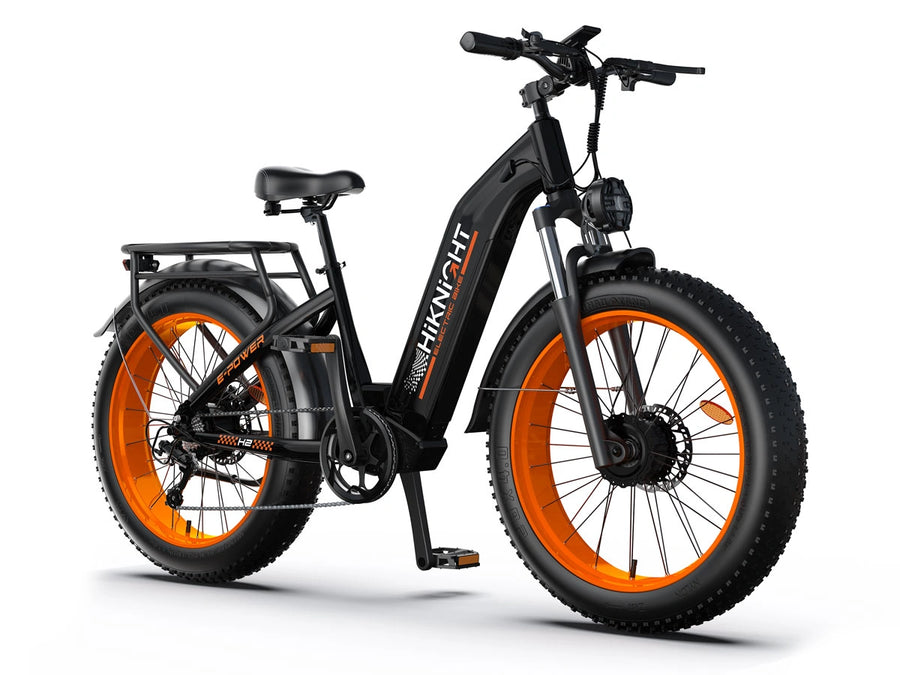
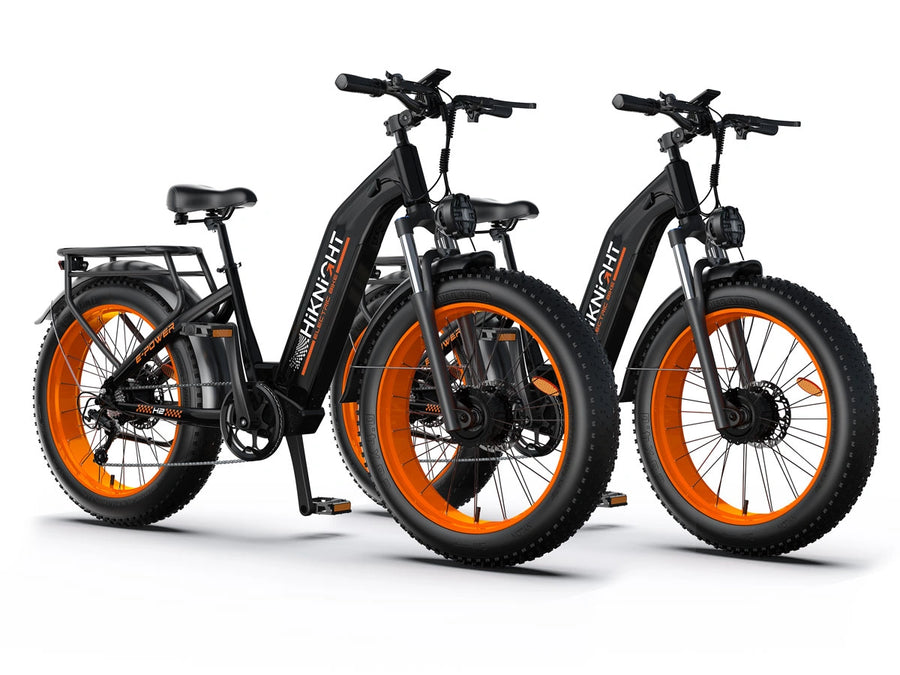
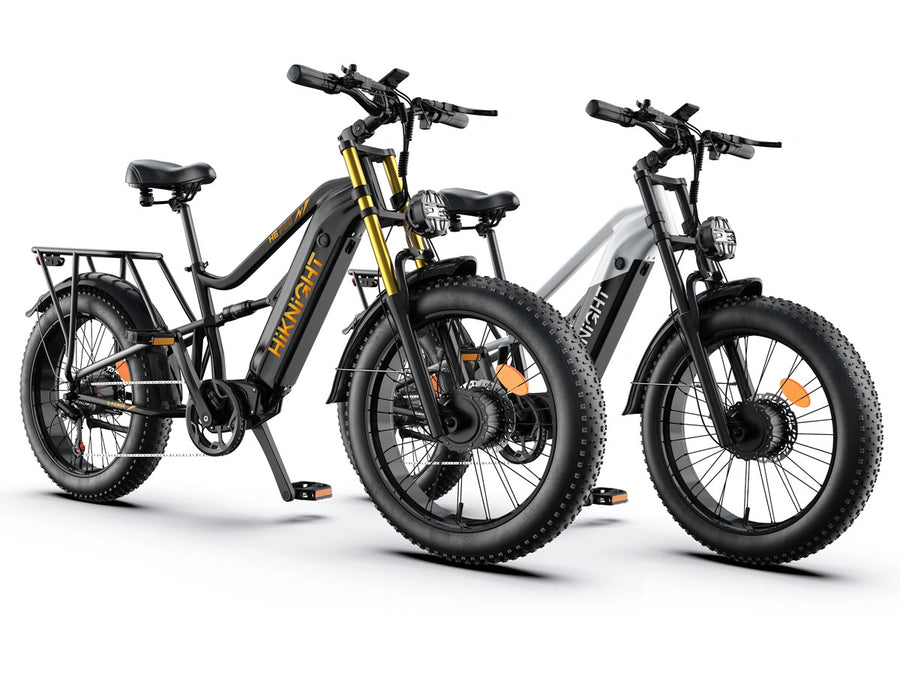
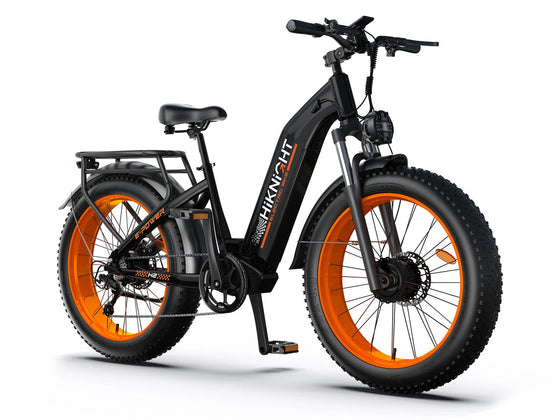
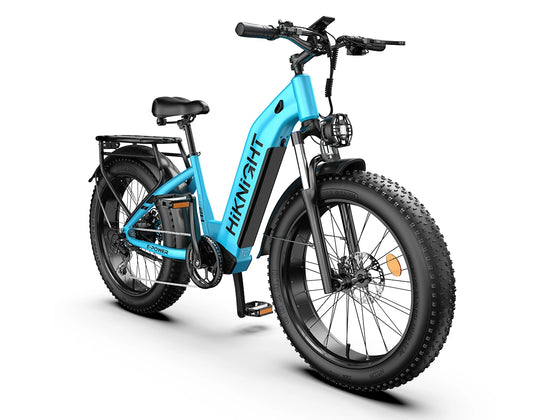
For high-performance electric bikes like the HiKNiGHT H2 Pro, maintaining consistent charging habits is especially important because powerful motors require stable energy output.
How an Ebike Battery Charger Actually Works
Most modern e-bike chargers follow a three-stage charging process designed to protect lithium-ion batteries.
1. Constant Current Stage
The charger delivers a steady current to quickly raise the battery level to around 70–80%. This is the fastest charging phase.
2. Constant Voltage Stage
Once the battery reaches a higher charge level, the charger stabilizes voltage and gradually reduces current. This protects the internal battery cells.
3. Maintenance or Trickle Charging
After the battery reaches full capacity, the charger supplies only minimal current to maintain charge without overloading the battery.
This controlled process keeps battery temperature stable and helps extend overall battery lifespan.
Can You Charge an E-Bike Without a Charger?
Many riders search for alternative ways to charge their battery when they forget the charger during a trip.
In reality, charging an e-bike without the correct charger is not recommended. Lithium-ion batteries require specific voltage input, and using unregulated power sources can damage the battery or create electrical risks.
The safest approach is always to use the manufacturer-approved ebike battery charger designed for your battery system.
Best Practices for Charging Your E-Bike Battery
Experienced riders follow a few simple habits to protect their batteries and extend lifespan.
Avoid Fully Draining the Battery
Lithium batteries perform best when charged before they reach zero. Recharging around 20–30% battery level helps reduce stress on the cells.
Avoid Storing Batteries at 100% for Long Periods
If you plan not to ride for several days, storing the battery between 60% and 80% is usually healthier.
Let the Battery Cool Before Charging
After aggressive riding or climbing steep trails, the battery may become warm. Allowing it to cool for about 20 minutes before charging can help protect the battery chemistry.
Charge in a Stable Temperature Environment
Extreme temperatures can reduce battery efficiency. Charging indoors or in a moderate environment is usually the safest option.
Charging High-Performance Off-Road E-Bikes
High-powered electric bikes place greater demands on battery systems. Dual motor setups, fat tires, and steep terrain can drain batteries faster than standard commuter bikes.
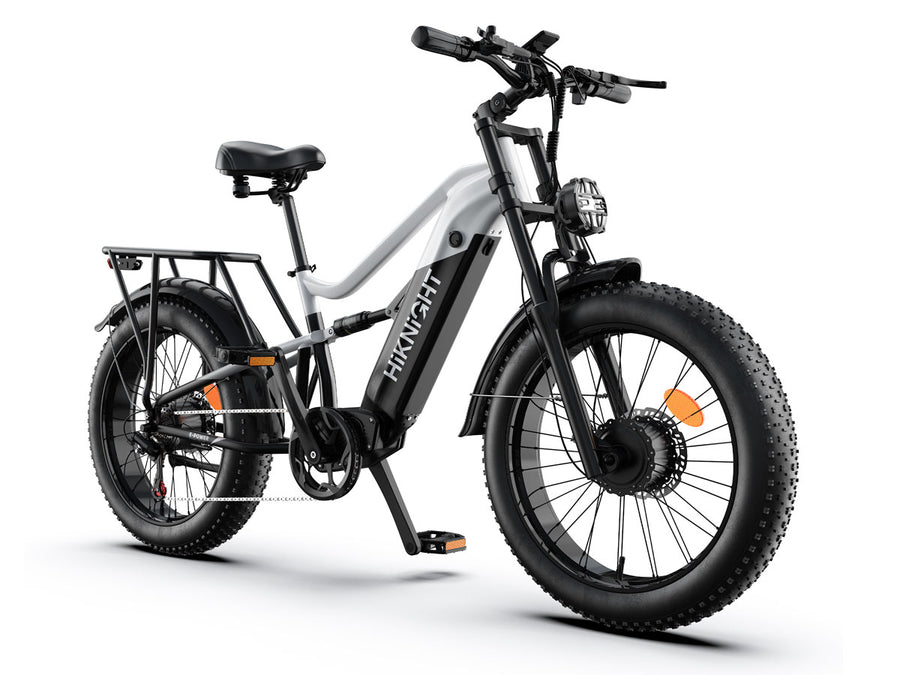
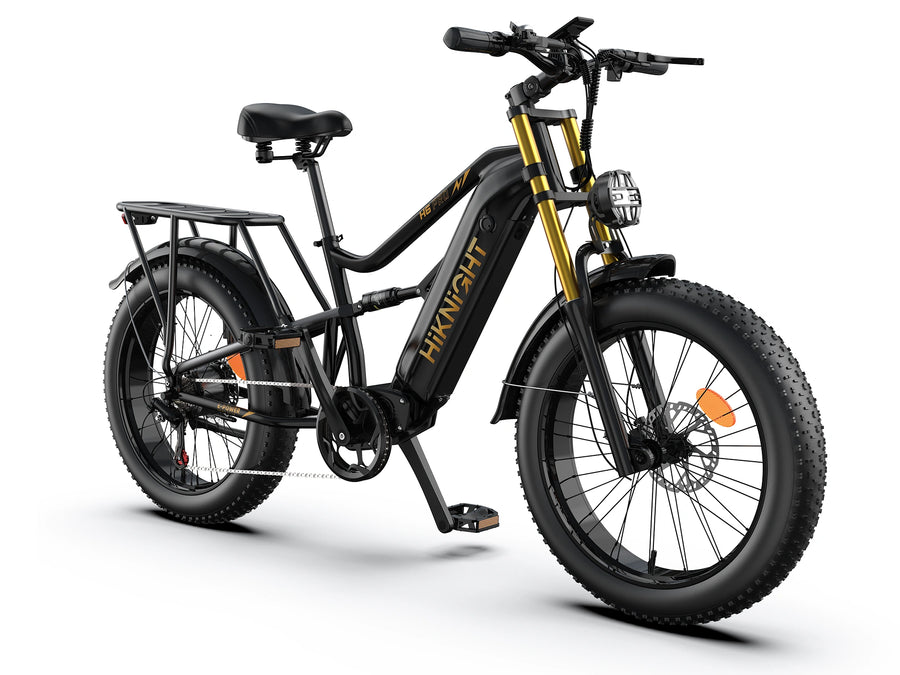
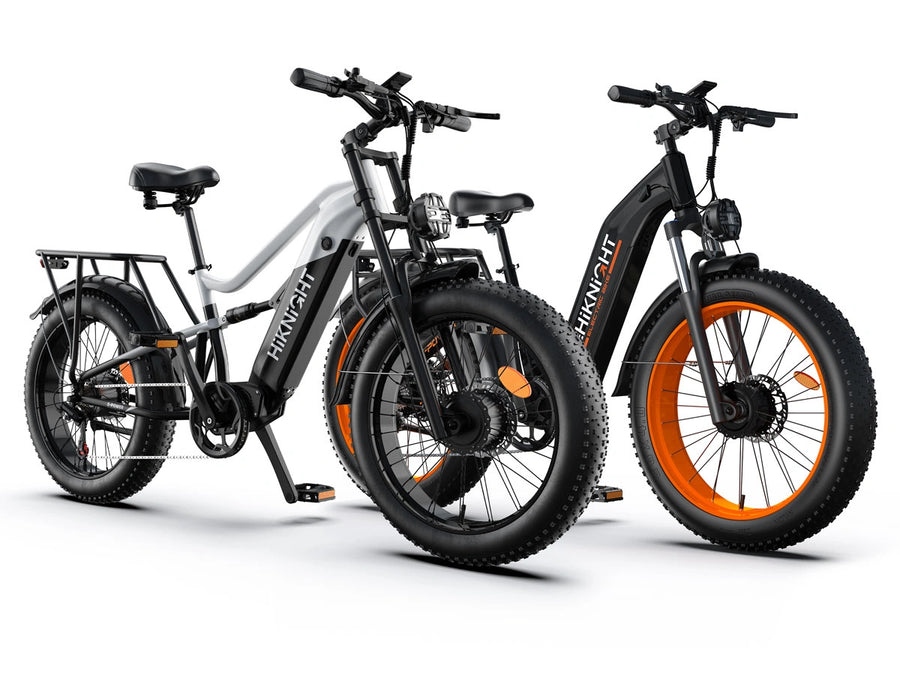
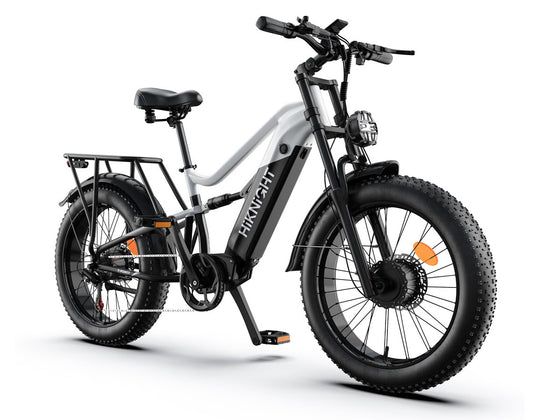
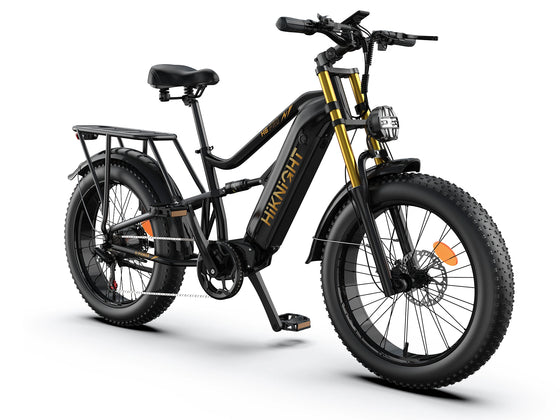
For example, riders using machines like the HiKNiGHT H6 Pro often push their bikes through hills, dirt trails, and rough terrain. These riding conditions create more frequent battery cycles.
Because of this, riders usually follow a simple routine:
- Charge the battery after longer rides
- Avoid leaving the battery empty overnight
- Store the battery indoors during winter
How Long Does It Take to Charge an E-Bike Battery?
Charging time depends on battery capacity and charger output.
| Battery Capacity | Average Charging Time |
|---|---|
| 10Ah | 3–4 hours |
| 15Ah | 4–6 hours |
| 20Ah+ | 6–8 hours |
Fast chargers can shorten charging time, but frequent fast charging may increase battery heat.
Choosing the Right E-Bike Charger
If you ever need a replacement charger, there are three important specifications to consider:
- Voltage compatibility
- Charging amperage
- Connector type
Using a charger designed specifically for your battery ensures safer charging cycles. Many riders prefer ordering replacement chargers directly from the official store such as HiKNiGHT to ensure compatibility.
Final Thoughts ⚡
Charging may seem like a routine part of owning an electric bike, but it has a major influence on battery health and riding reliability. A dependable ebike battery charger protects your battery, preserves range, and ensures your bike is always ready for the next ride.
With proper charging habits and the right equipment, modern e-bike batteries can provide years of dependable performance whether you are commuting through the city or exploring remote trails.
Share:
Fat Tire Bike Guide: Why These Powerful Bikes Are Taking Over Off-Road Riding
Do You Need a License for an Electric Bike? What Riders Should Actually Know