

Why This Is Not a Simple Comparison
Most discussions comparing fat tire eBikes and regular eBikes reduce the question to appearance or tire width. In reality, the difference is far more structural.
These two categories are designed to solve different riding problems. Understanding which problem you are actually trying to solve is the only way to make a rational choice.
For adult riders—especially those riding outside ideal conditions—the wrong choice often reveals itself only after months of use.
How Regular eBikes Are Designed to Be Used
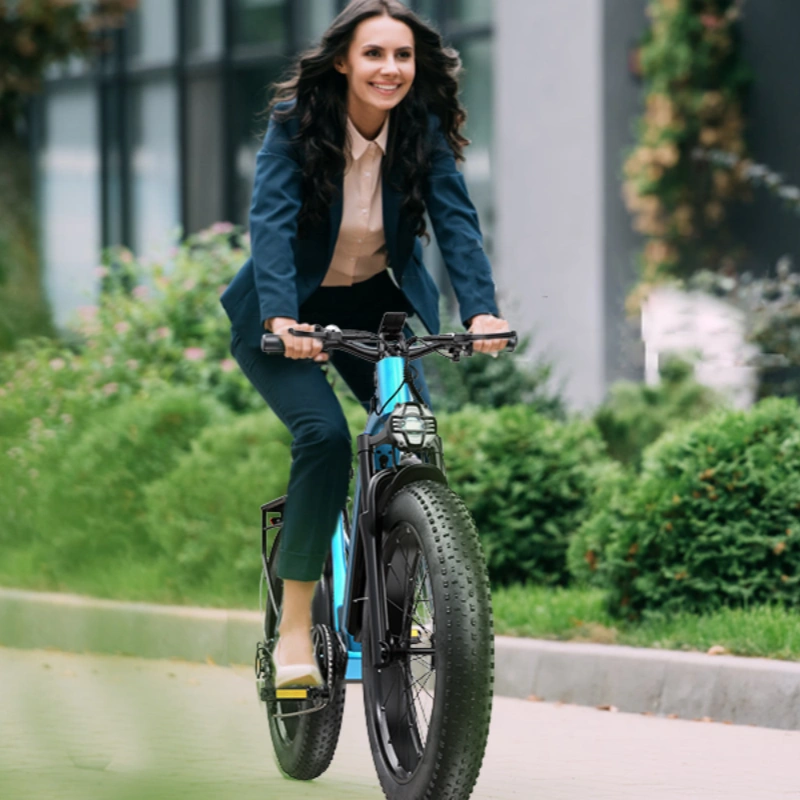
Regular eBikes are optimized for efficiency. Narrower tires roll easily on smooth pavement, require less motor power, and feel responsive at lower speeds.
When riding conditions are predictable—bike lanes, maintained roads, consistent weather—this design makes sense.
However, efficiency comes with trade-offs. Narrow tires transmit surface imperfections directly into the frame, requiring riders to remain alert to cracks, gravel, and uneven transitions.
What Fat Tire eBikes Are Built For
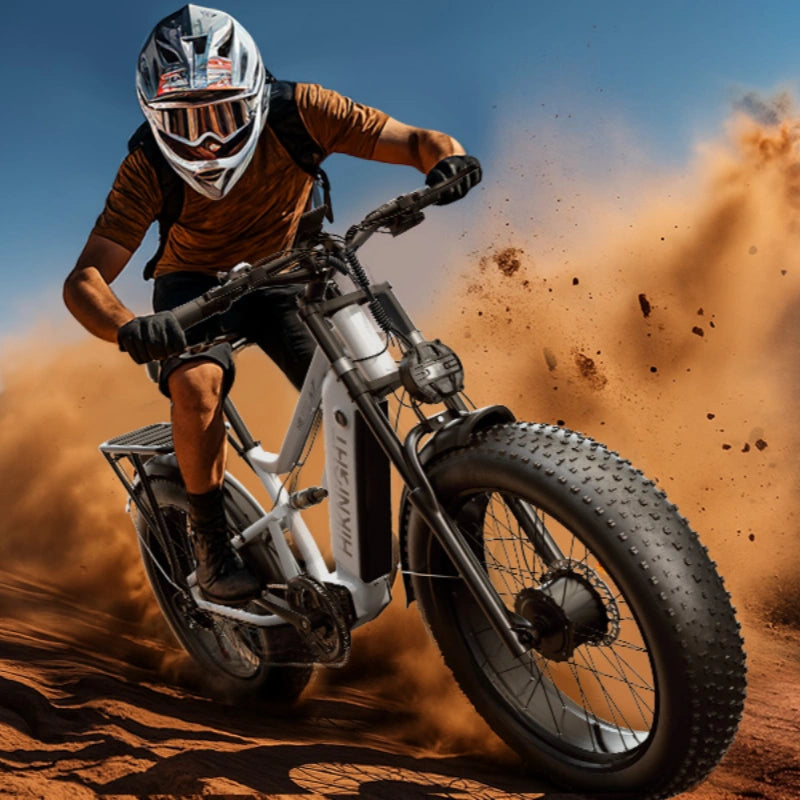
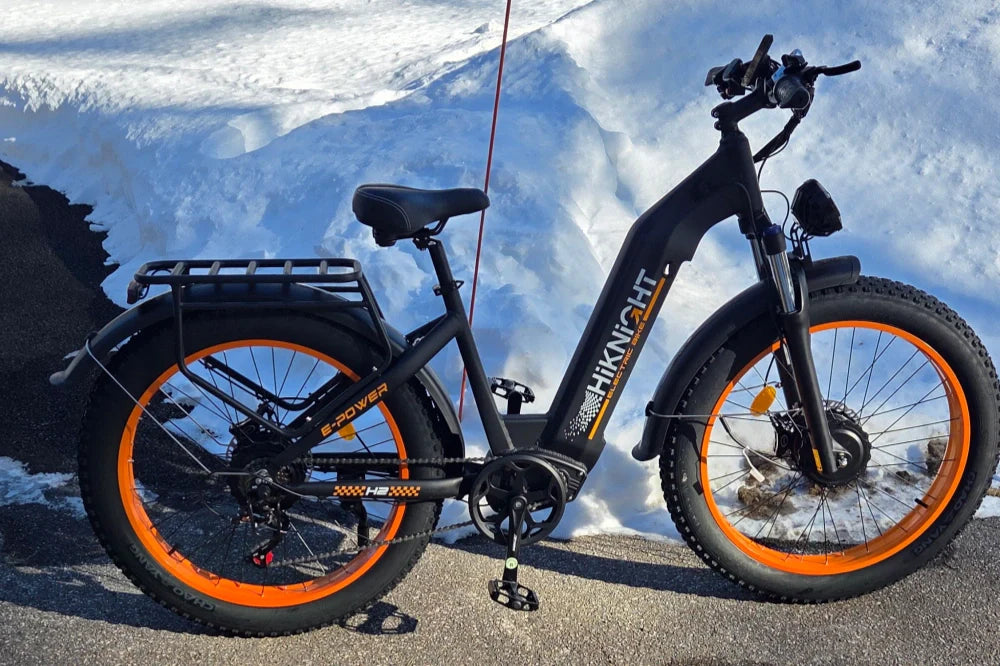
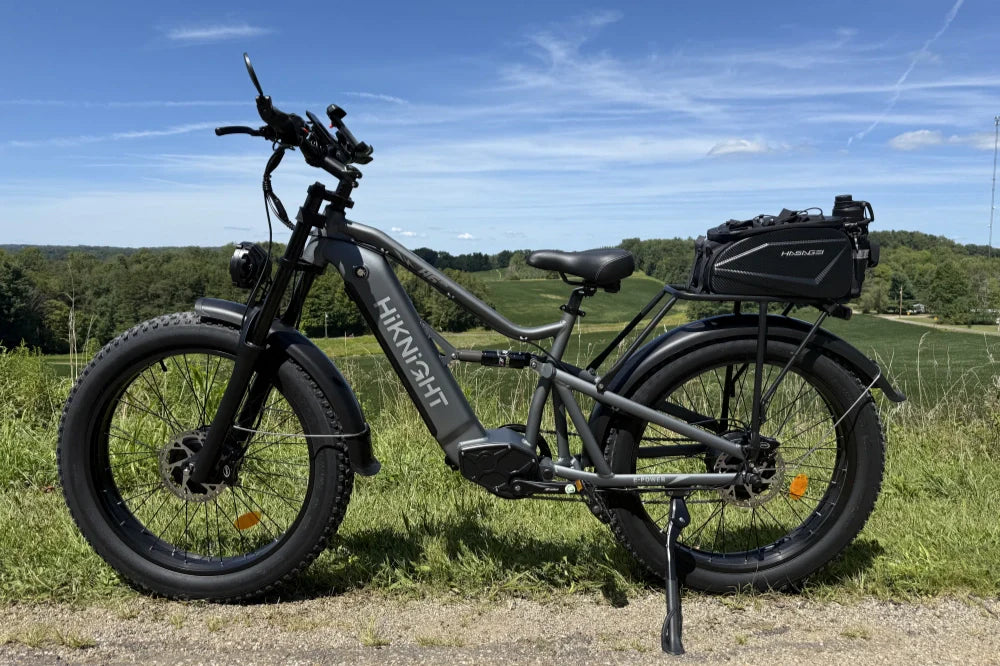
Fat tire eBikes prioritize control rather than efficiency. Their wider tires increase surface contact, improving grip and reducing sudden shifts in balance.
This makes them particularly effective in real-world environments where conditions are rarely perfect.
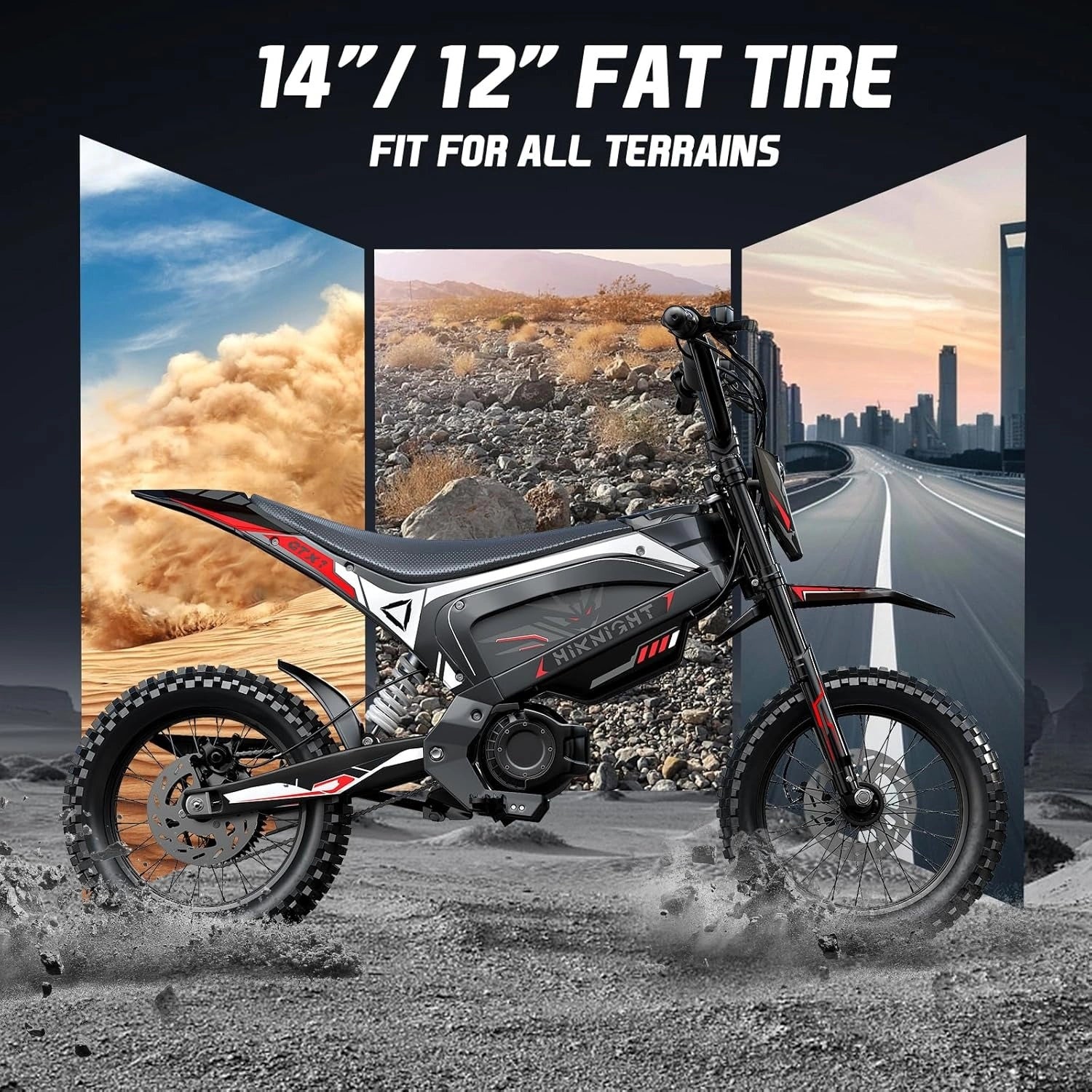
For adult riders who encounter mixed terrain—broken pavement, gravel paths, dirt trails, sand, or snow—fat tire eBikes reduce the need for constant correction.
Stability vs Responsiveness
One of the most noticeable differences between the two categories is how the bike feels under the rider.
Regular eBikes feel quick and responsive. Small steering inputs produce immediate feedback, which can feel lively on smooth roads.
Fat tire eBikes feel planted. The bike tracks forward with greater resistance to sudden deflection, especially on loose or uneven surfaces.
For many adult riders, this stability translates into confidence rather than sluggishness.
Terrain: The Deciding Factor
Terrain is often the deciding factor in this comparison.
If most riding occurs on clean pavement, a regular eBike may be sufficient. But real-world riding rarely stays within those boundaries.
Fat tire eBikes maintain traction across surfaces where narrow tires begin to feel unpredictable. This consistency reduces both physical strain and mental fatigue over time.
Motor Output and Power Delivery
Wider tires create more rolling resistance, which means motor selection matters more on fat tire eBikes.
Rather than relying on short bursts of power, fat tire platforms perform best with sustained torque.
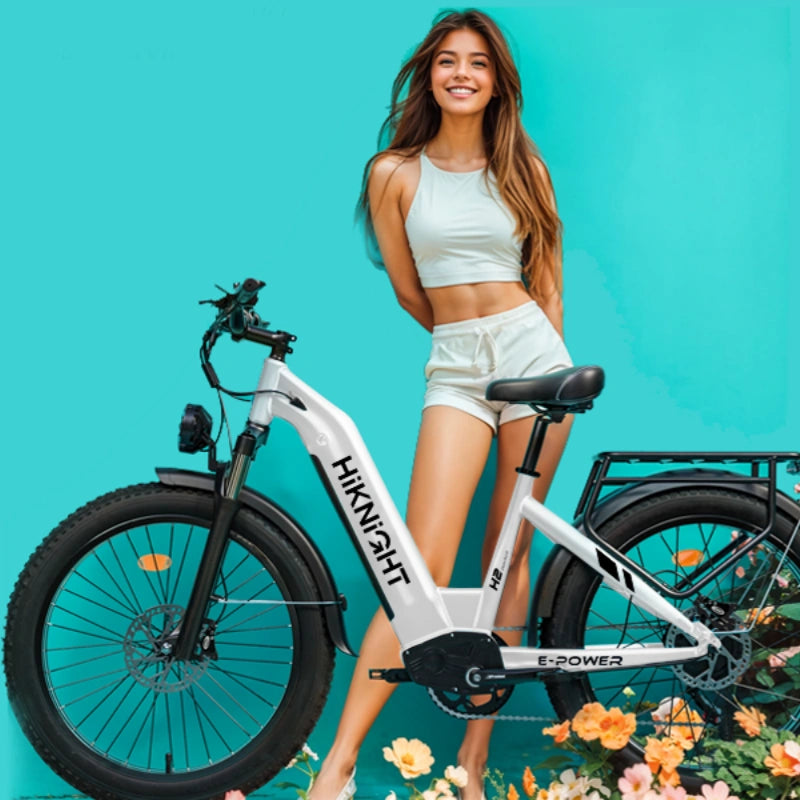
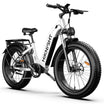
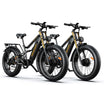
Dual-motor systems such as those used on the HiKNiGHT H2 Pro are designed to address this requirement. Power is distributed more evenly, allowing the bike to climb, accelerate, and maintain traction without aggressive throttle input.
On a regular eBike, similar power levels may feel unnecessary or even inefficient.
Comfort Over Longer Rides
Comfort differences are often underestimated during short test rides.
Regular eBikes transmit vibration through narrow tires and higher pressure, which can accumulate into joint and muscle fatigue over time.
Fat tire eBikes operate at lower tire pressure, allowing the tires themselves to absorb vibration before it reaches the rider.
For adult riders riding longer distances or uneven routes, this difference becomes significant.
Maintenance and Durability Considerations
Regular eBikes are generally lighter and simpler, which can make maintenance easier in ideal conditions.
Fat tire eBikes are typically built with reinforced frames and components designed for higher loads and rougher use.
Lower tire pressure also reduces puncture risk, which is an important factor for riders who frequently ride off pavement.
Weight and Handling Reality
Fat tire eBikes are heavier. This is not a flaw—it is a design choice.
The added weight contributes to stability, especially at speed or on uneven terrain. For adult riders, this can feel reassuring rather than restrictive.
Regular eBikes remain easier to lift and maneuver when not riding, which may matter for apartment storage or frequent transport.
Which Type Makes Sense for You?
Choose a regular eBike if your riding environment is controlled, predictable, and primarily urban.
Choose a fat tire eBike if your riding includes varied terrain, unpredictable surfaces, or longer distances where comfort and stability matter.
Brands like HiKNiGHT focus on riders in the second category—those who want one platform capable of adapting to real-world conditions.
Final Thoughts
This comparison is not about which type of eBike is better overall. It is about which one aligns with how you actually ride.
For many adult riders, fat tire eBikes prove to be the more forgiving and sustainable choice over time. 🚲




Leave a comment
All comments are moderated before being published.
This site is protected by hCaptcha and the hCaptcha Privacy Policy and Terms of Service apply.