

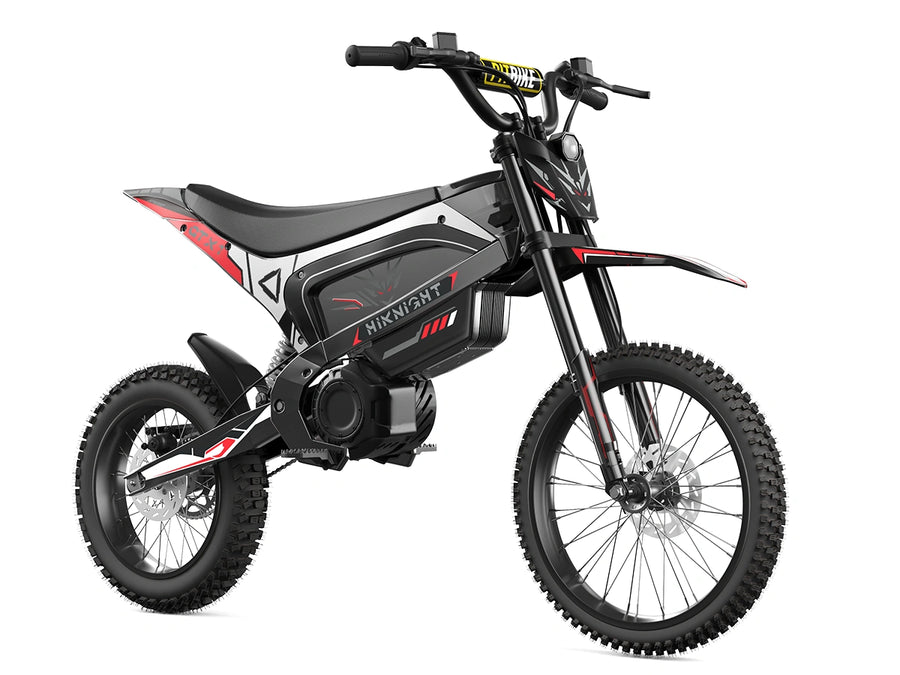
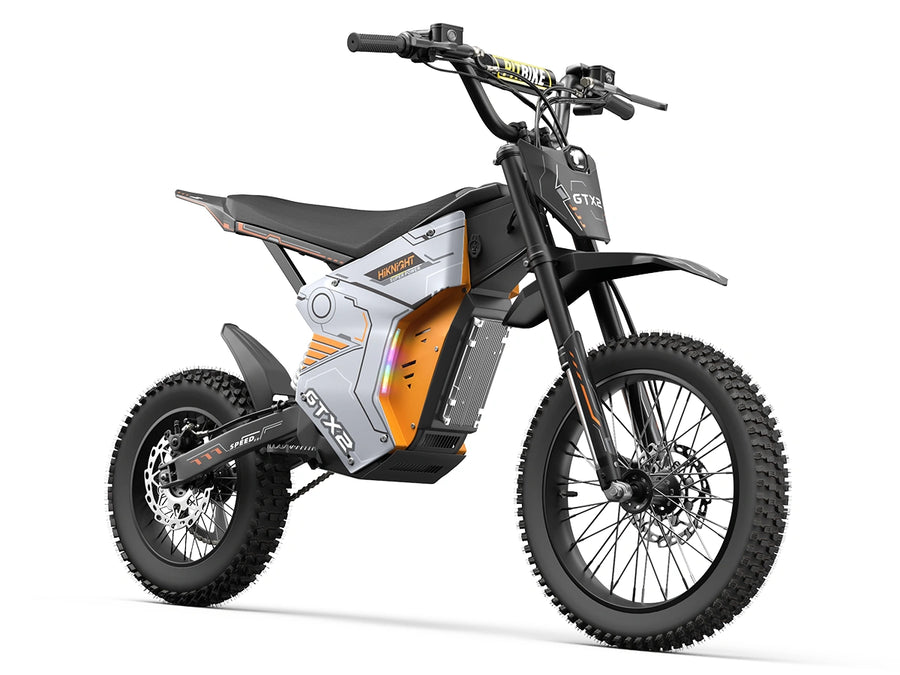

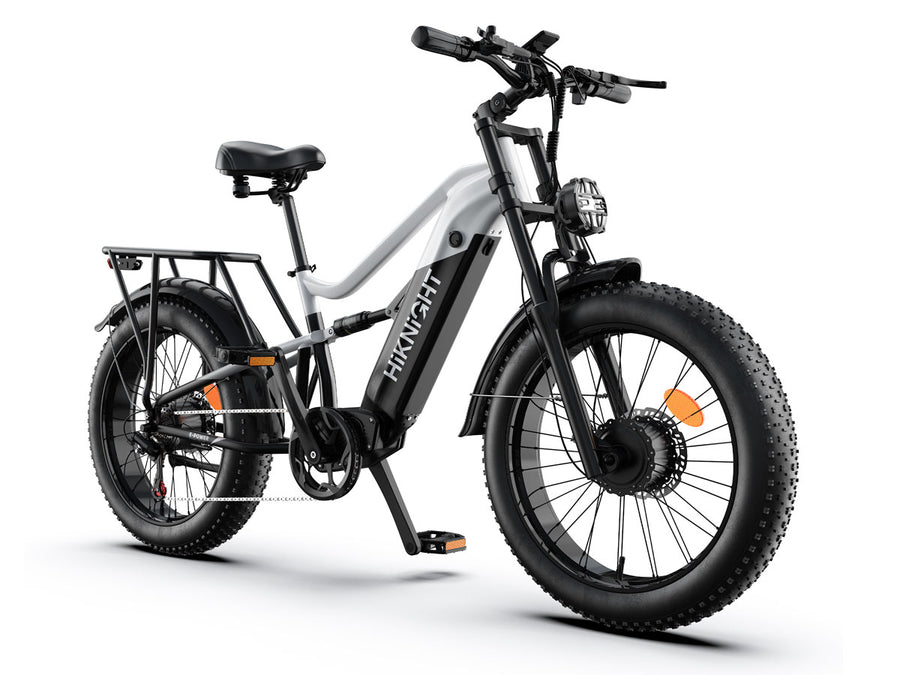
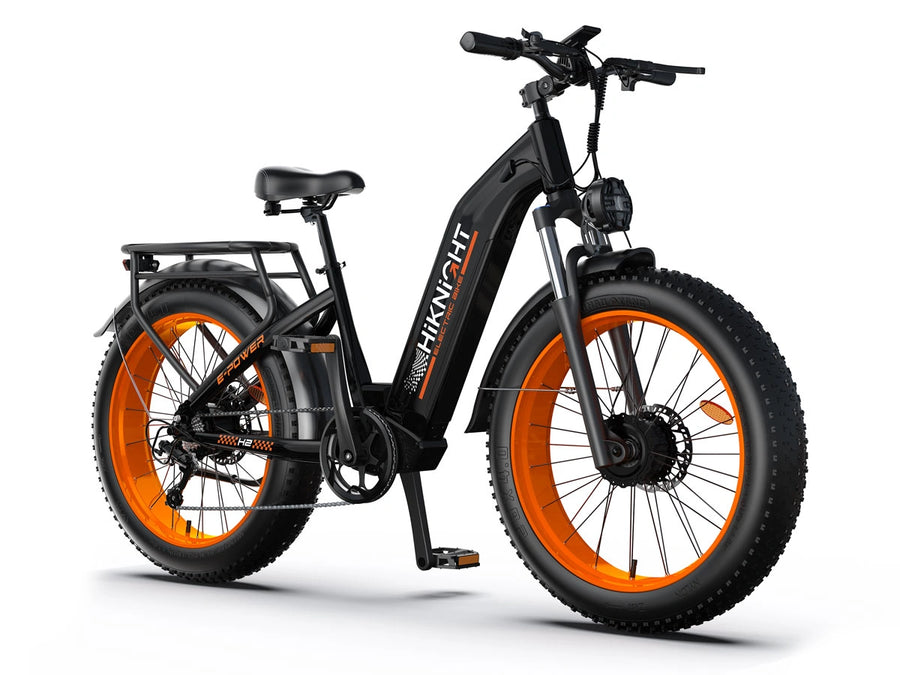


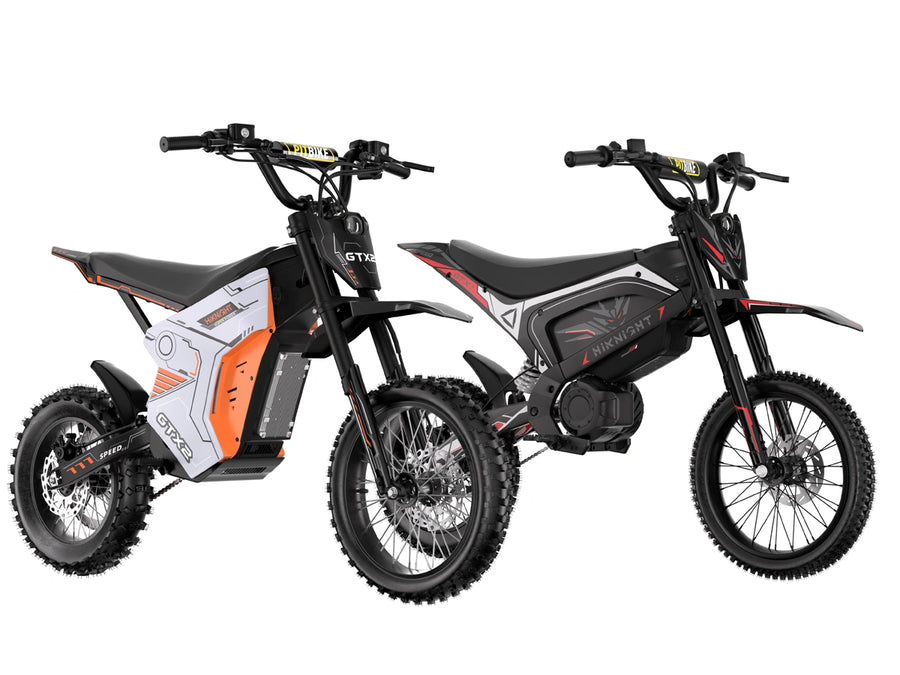
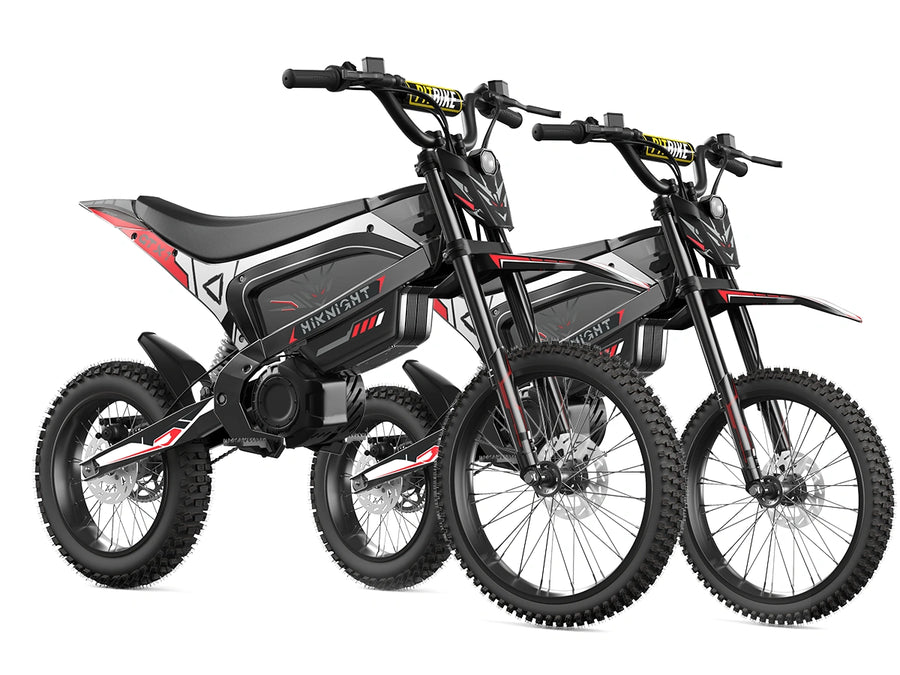
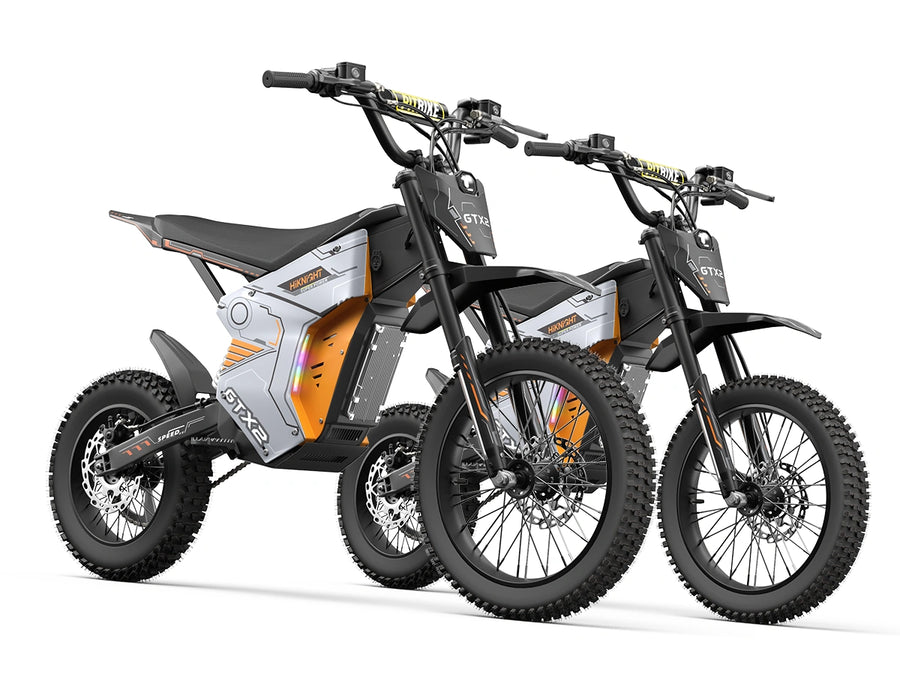

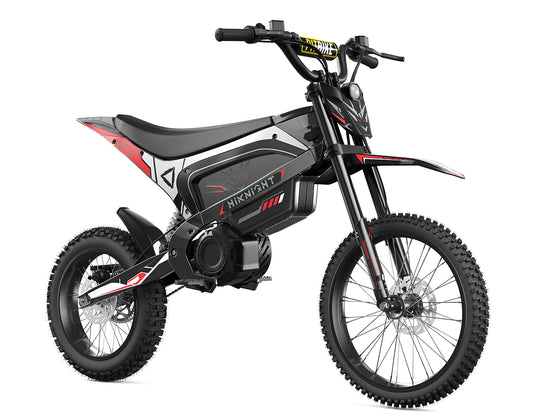
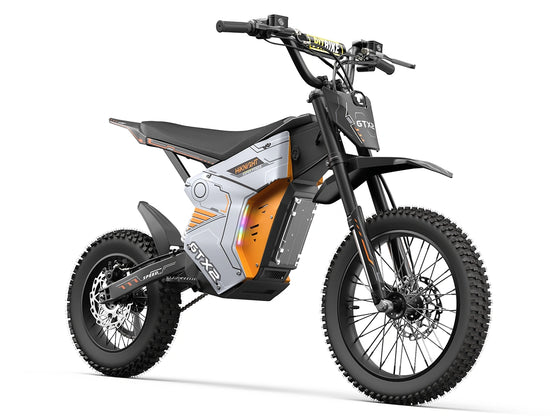
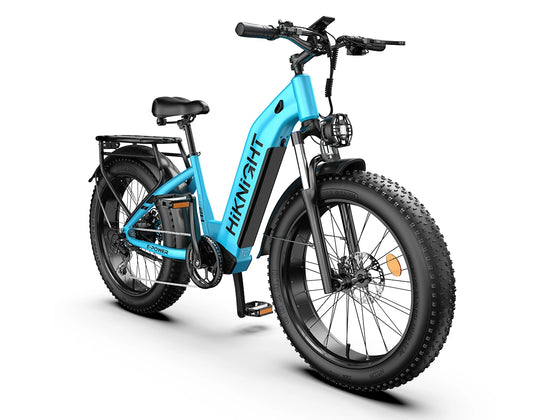
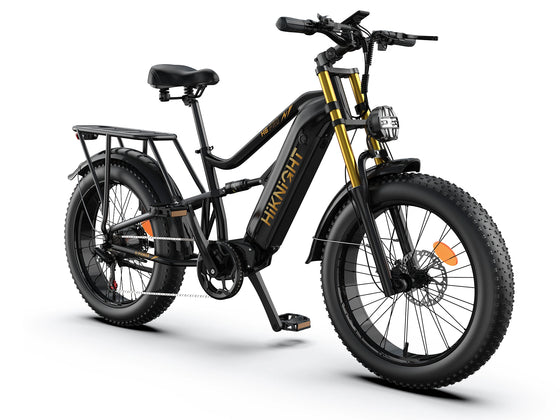
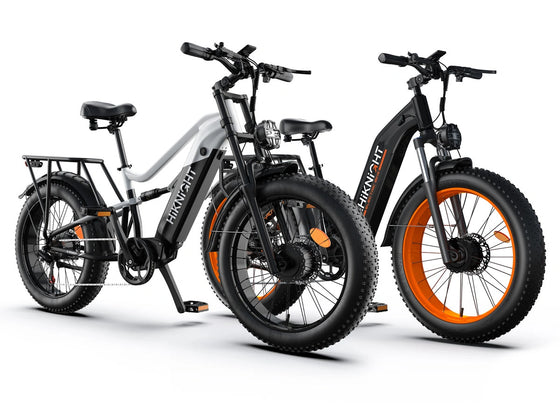
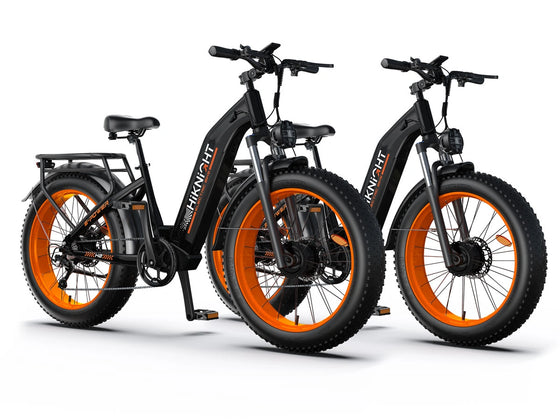

Interest in the kids electric dirtbike category has grown rapidly as more families explore outdoor riding together. What was once considered a backyard novelty is now a legitimate gateway into off-road motorsports. Choosing the right model, however, requires more than checking an age label or advertised top speed.
What Defines a Kids Electric Dirtbike?
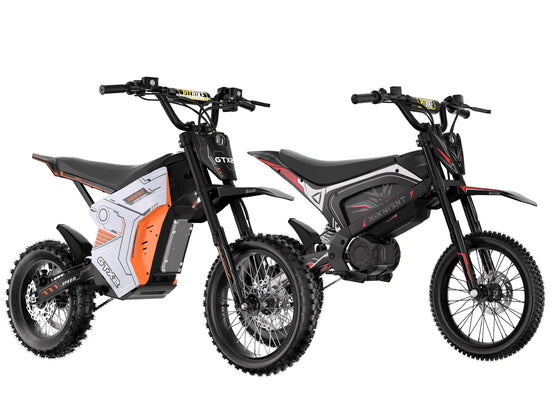
A kids electric dirtbike is a scaled-down off-road motorcycle powered by a rechargeable electric motor. Unlike toy-grade ride-ons, these machines feature motocross-inspired frames, pneumatic tires, functional suspension, and real braking systems.
- Durable steel or aluminum frame
- Front suspension forks
- Pneumatic off-road tires
- Twist throttle with adjustable speed modes
- Disc braking systems
Why Proper Sizing Matters More Than Age
Age categories are rough guidelines. Proper physical fit determines control and safety.
- Seat height: Both feet should rest flat on the ground.
- Handlebar reach: Arms should remain slightly bent.
- Weight: The child must stabilize the bike independently.
- Wheel size: Commonly 12”–16” for younger riders.
Motor Power and Speed Control
Motor output in the kids electric dirtbike segment typically ranges from 250W to 1000W+. Electric torque is immediate, so throttle mapping and speed limiters are essential for beginners.
Look for:
- Adjustable speed modes
- Smooth throttle response
- Clearly stated top speed
- Reliable controller calibration
Battery Capacity and Real-World Range 🔋
Battery capacity—measured in watt-hours (Wh)—is more informative than general ride-time claims. Off-road riding drains batteries faster due to terrain resistance and repeated acceleration.
Most youth models deliver 30–90 minutes of active riding depending on rider weight and terrain conditions.
Suspension and Frame Durability
Even beginner riders encounter uneven surfaces. Quality suspension reduces fatigue and improves control. Entry-level spring forks work for light terrain, while rear mono-shock systems provide greater stability.
Braking Systems: A Non-Negotiable Safety Feature
Reliable stopping power is critical. Disc brakes—rear or dual—offer predictable performance. Electric regenerative braking can supplement mechanical systems but should not replace them.
Protective Gear Is Essential 🛡️
Regardless of speed capability, riders should always wear:
- DOT-approved helmet
- Gloves
- Knee and elbow protection
- Over-the-ankle boots
Where Can Kids Ride?
Permitted riding areas vary by region but commonly include private property and designated off-road parks. Electric models are sometimes allowed where gas engines are restricted due to noise.
When Is It Time to Upgrade?
Signs a rider has outgrown a kids electric dirtbike include:
- Knees rising above handlebars
- Confident throttle control
- Physical ability to manage more weight
- Desire for longer suspension travel
Understanding the Progression to Adult Electric Dirt Bikes
Full-scale electric dirt bikes feature larger wheels, higher motor output, reinforced frames, and extended suspension systems. For example, platforms such as the HiKNiGHT GTX1 demonstrate the engineering differences between youth models and adult off-road machines.
Exploring specifications on the HiKNiGHT official website can help parents understand performance tiers even when evaluating youth options.
Electric vs. Gas for Young Riders
Electric advantages:
- Lower noise
- Minimal maintenance
- No fuel handling
- Smooth torque delivery
Gas advantages:
- Longer continuous ride time
- Traditional motocross ecosystem
Common Buying Mistakes
- Choosing based only on age labels
- Ignoring seat height measurements
- Overestimating rider strength
- Skipping protective equipment
- Buying excessive power “for future growth”
Conclusion
A kids electric dirtbike can serve as a structured introduction to off-road riding when chosen carefully. Evaluating seat height, motor power, battery capacity, braking reliability, and terrain conditions ensures safer progression. Gradual upgrades—rather than oversized initial purchases—create a more confident and sustainable riding journey.
Share:
Motorized Bicycle: Laws, Power, and What Off-Road Riders Need to Know in 2026
Fat Tire Bike Guide: Why These Powerful Bikes Are Taking Over Off-Road Riding