





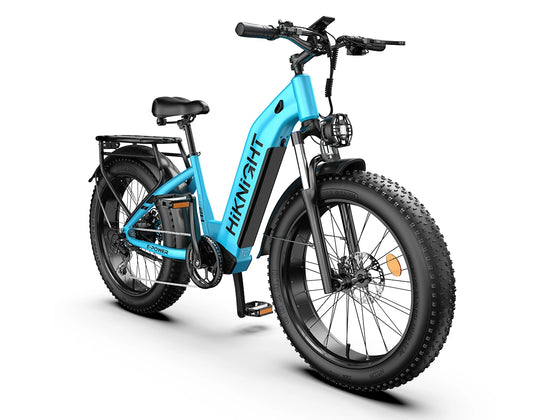
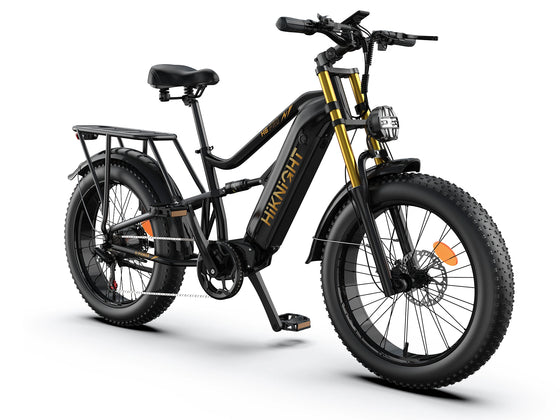
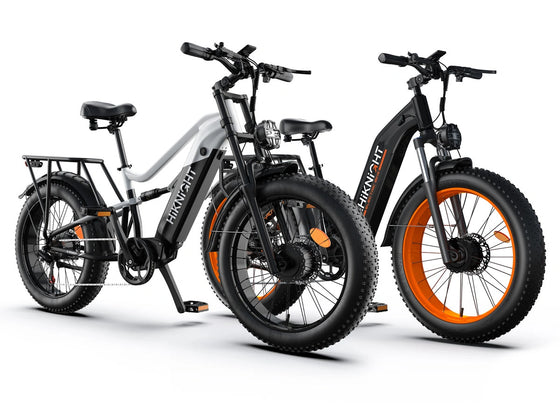
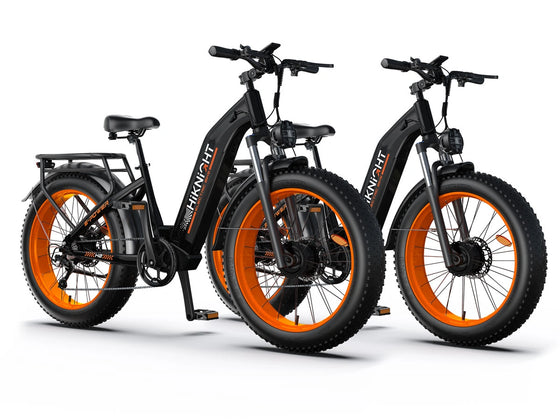
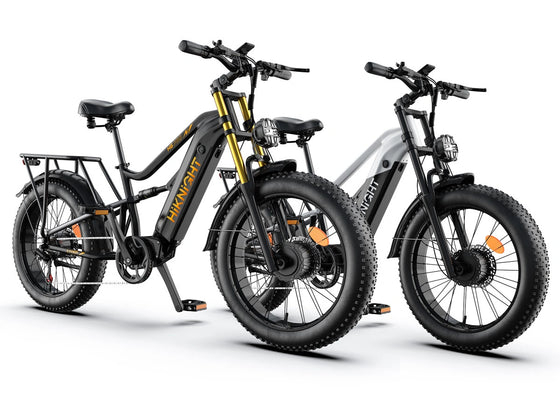
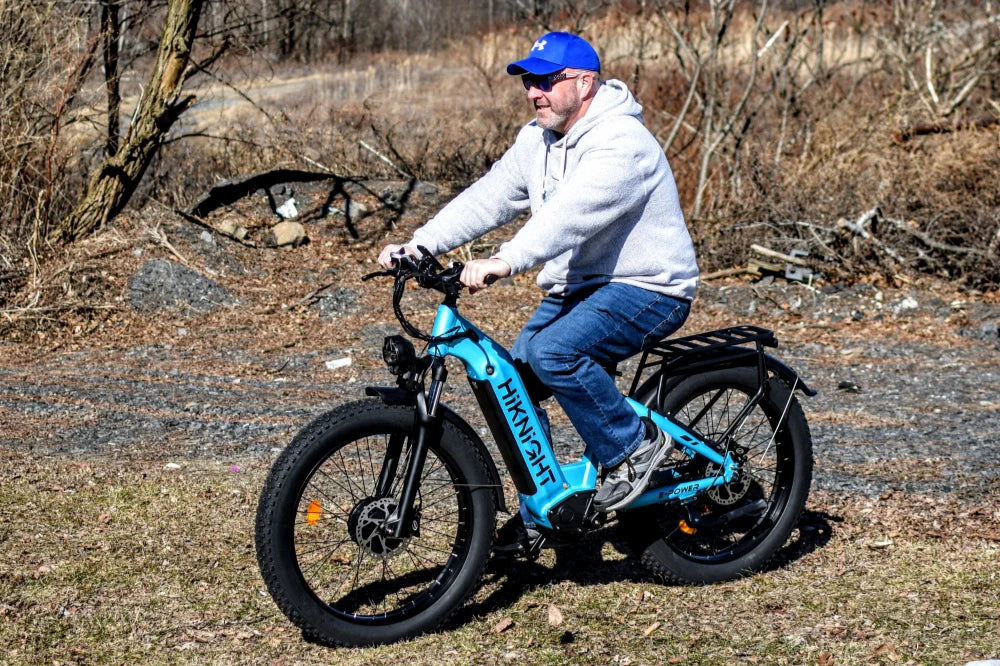
Over the last decade, fat tire bikes have moved from niche winter tools to one of the most versatile categories in cycling. Riders now use them on beaches, snowy trails, rocky mountains, forest paths, and even city streets.
Their oversized tires may look unusual at first, but the design solves a problem traditional bicycles struggle with: traction and stability on unpredictable terrain.
For anyone exploring off-road riding or electric bikes, understanding how fat tire bikes work—and whether they are worth buying—is an important step before choosing the right model.
This guide breaks down the real advantages, limitations, and ideal riding scenarios for fat tire bikes so you can decide whether they match your riding style.
What Is a Fat Tire Bike?
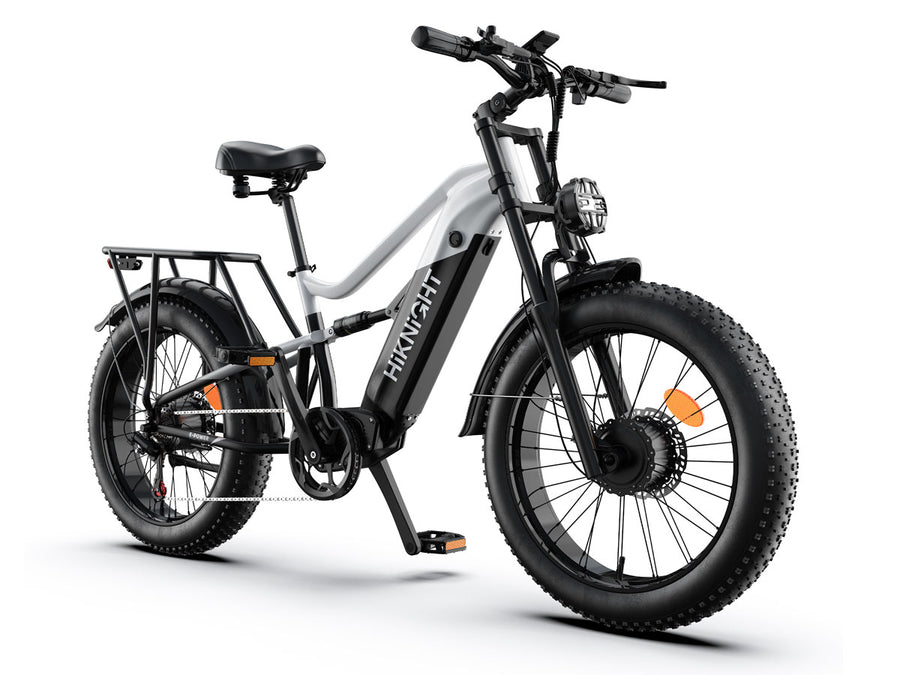
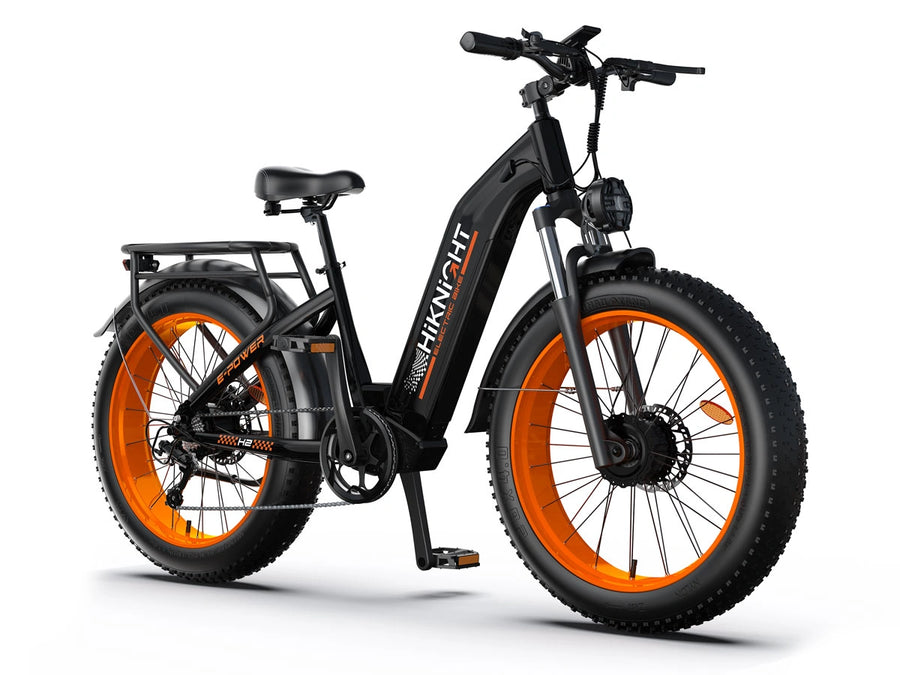
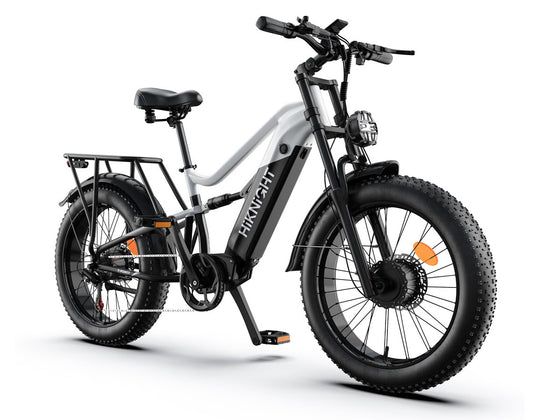
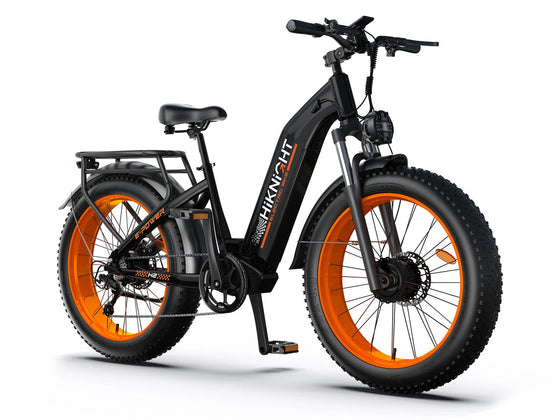
A fat tire bike is defined by one obvious feature: extra-wide tires, typically ranging from 4 to 5 inches.
Compared to standard mountain bike tires (around 2.2–2.5 inches), these oversized tires dramatically increase the contact area between the tire and the ground.
The result is improved traction, better balance, lower ground pressure, and natural shock absorption.
In simple terms, fat tires allow a bike to float over terrain that would normally stop a regular bicycle.
This design originally appeared in Alaska and snowy regions where riders needed bikes that could move across soft surfaces like snow and sand. Today, the technology has evolved into powerful electric fat tire bikes capable of climbing steep trails and handling rough environments.
Many modern models combine wide tires with high-torque electric motors, creating machines built for exploration rather than commuting.
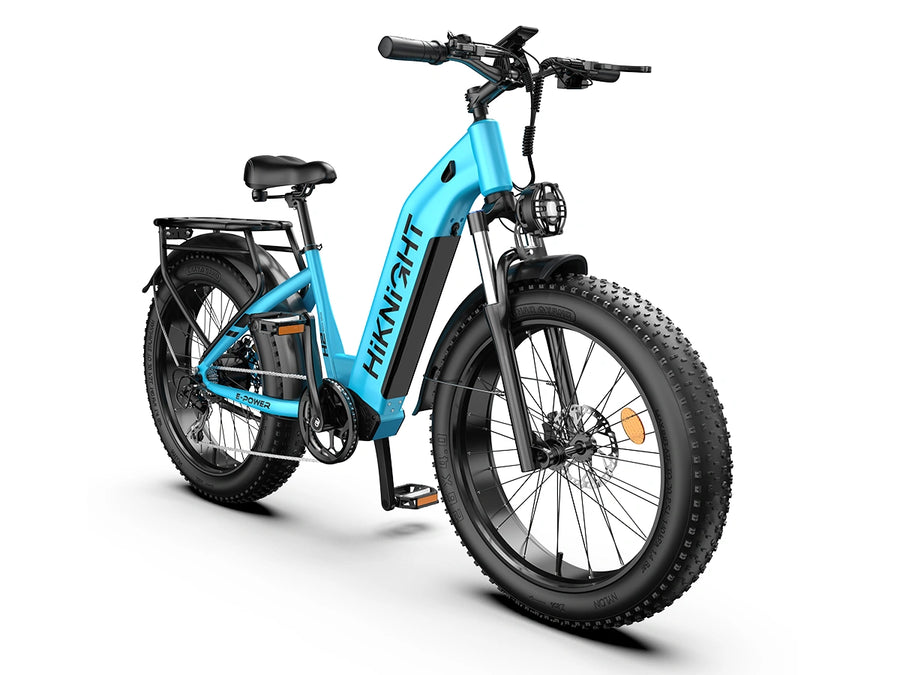
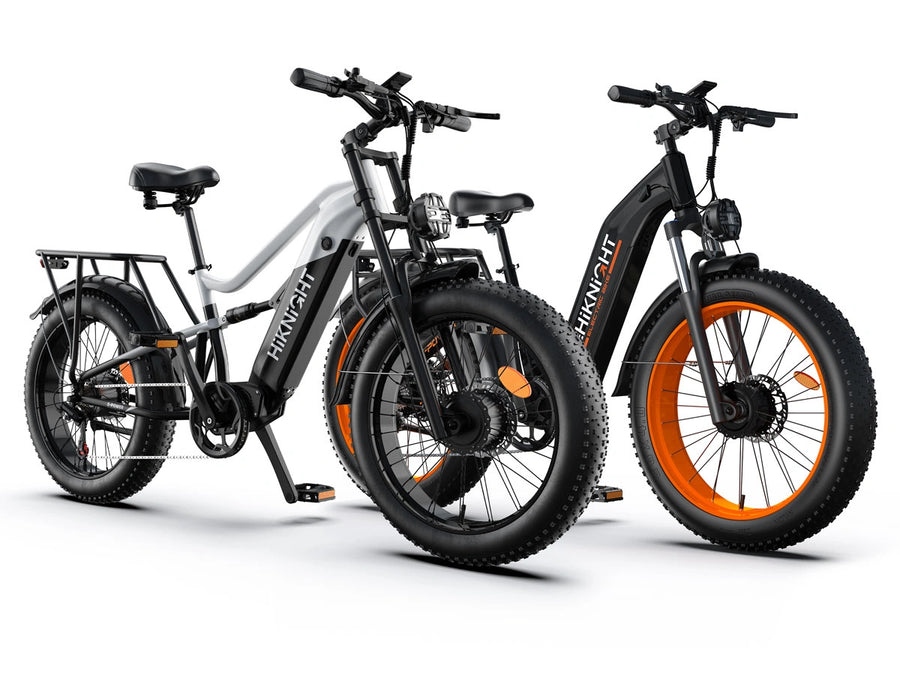
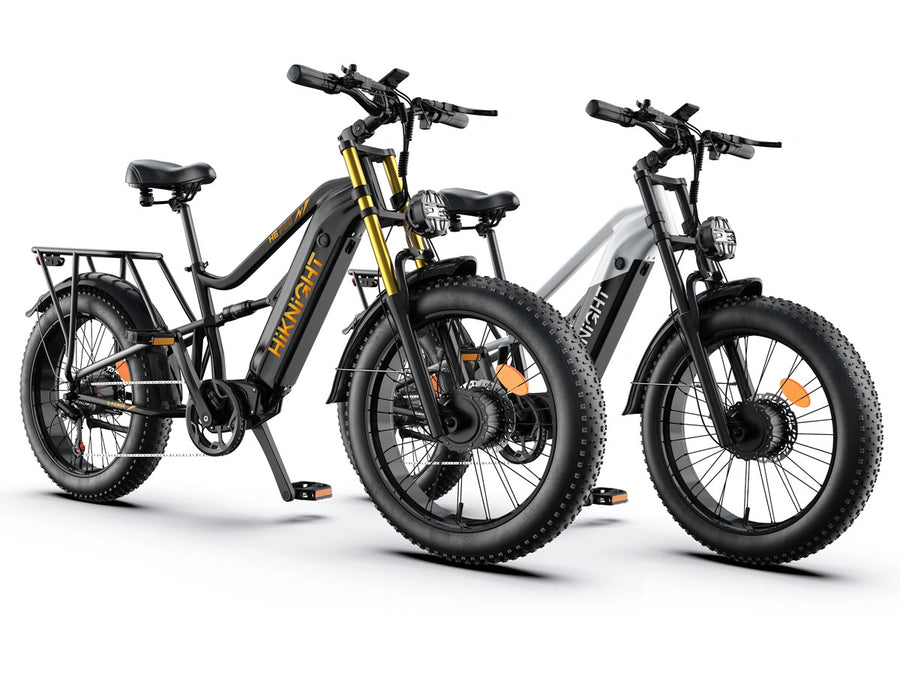
One example can be found on the HiKNiGHT electric bike platform, where fat tire designs are paired with high-power drivetrains for off-road riding.
The Real Advantages of Fat Tire Bikes
Superior Traction on Loose Terrain
Sand, gravel, mud, and snow are challenging for traditional bikes because narrow tires sink or slip.
Fat tires distribute the rider’s weight across a larger surface area. Instead of digging into soft ground, the bike stays on top of it.
This makes beach riding, snowy trails, and forest paths dramatically easier.
Exceptional Stability for Beginners
Another advantage of fat tires is balance. Because the tire footprint is larger, riders experience greater lateral stability.
This makes fat tire bikes surprisingly beginner-friendly, especially when riding on uneven terrain.
Natural Shock Absorption
The large air volume inside fat tires acts like a suspension system. Lower tire pressure allows the tires to compress over rocks, roots, and bumps.
This reduces vibration and creates a smoother riding experience during long trail rides.
All-Terrain Versatility
A fat tire bike can transition between very different environments without requiring specialized equipment.
- forest trails
- desert paths
- snowy roads
- gravel roads
- city streets
This versatility makes fat tire electric bikes especially attractive for riders who want one bike capable of doing everything.
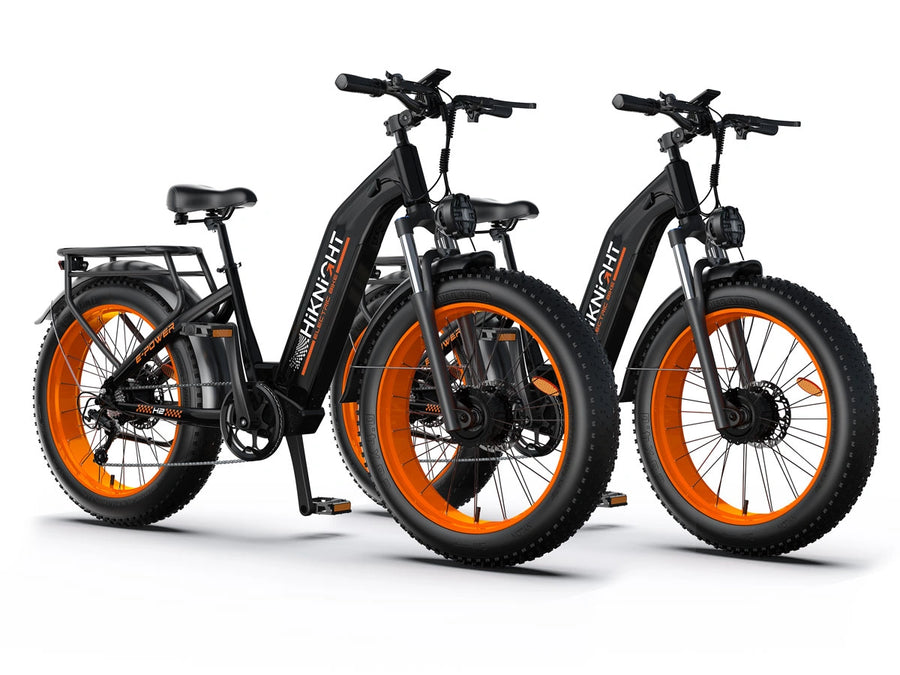
For example, powerful dual-motor designs like the HiKNiGHT H2 Pro are built specifically for riders who want strong off-road capability without sacrificing everyday usability.
Potential Drawbacks of Fat Tire Bikes
Increased Weight
Fat tires, reinforced frames, and powerful motors often result in heavier bikes. This is rarely an issue when riding with electric assistance, but it can matter when transporting or storing the bike.
Slightly Higher Rolling Resistance
Wide tires create more friction with the ground. On perfectly smooth roads, a traditional road bike will always be faster and more efficient.
However, the trade-off becomes worthwhile once the terrain becomes uneven or unpredictable.
Storage and Transport Considerations
The wider tires require more space for storage and may not fit standard bike racks.
Are Fat Tire Electric Bikes Worth It?
For riders who stay exclusively on paved roads, fat tires may feel unnecessary.
But for anyone who rides beyond city streets, the benefits become clear very quickly.
Electric fat tire bikes combine three key advantages:
- traction
- power
- terrain freedom
Together, these features unlock places where traditional bikes struggle.
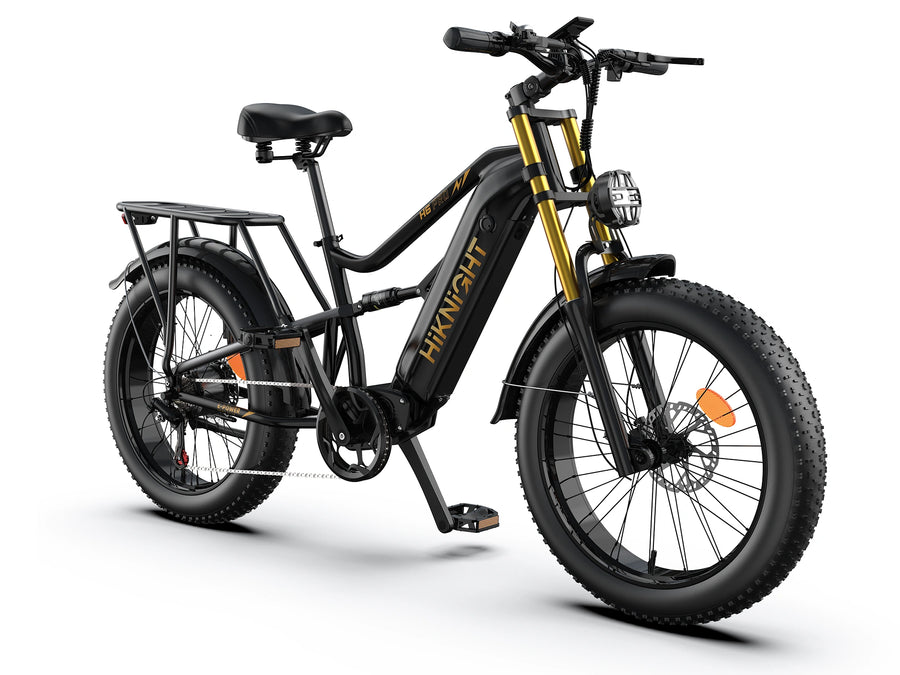
Modern models like the HiKNiGHT H6 Pro illustrate how far this category has evolved. With powerful motors and aggressive off-road design, bikes like these are built for riders who want to explore trails, hills, and remote terrain without worrying about limitations.
Who Should Consider a Fat Tire Bike?
- Adventure Riders – people who enjoy exploring mountains, trails, and remote landscapes.
- Beach Riders – fat tires glide easily across sand where traditional bikes struggle.
- Winter Cyclists – snow becomes far more manageable.
- New Riders – wider tires offer more stability and confidence.
Final Thoughts
Fat tire bikes represent a shift in how riders think about terrain.
Instead of limiting rides to paved roads or smooth trails, these bikes open the door to landscapes that were once inaccessible to cyclists.
The oversized tires are not just a visual feature—they fundamentally change how a bike interacts with the ground.
For riders interested in exploration, adventure, and versatility, fat tire electric bikes offer a compelling combination of stability, power, and freedom. 🚵
Share:
Kids Electric Dirtbike: Choosing the Right Size, Power, and Safety Level for Growing Riders
E-Bike Battery Charger Guide: How to Charge, Maintain, and Extend Your Battery Life