







Best Ebike for Heavy Riders: Ultimate 2026 Payload & Performance Guide
Quick Answer: To find the Best Ebike for Heavy Riders, focus on three non-negotiable engineering standards: a payload capacity of at least 350-400 lbs, a high-torque motor system (minimum 100Nm) to handle inclines, and hydraulic disc brakes for superior stopping force. Structural integrity requires a reinforced 6061 aluminum frame and high-volume fat tires (4-inch width) to distribute pressure and prevent wheel fatigue. Experts recommend 52V electrical systems over 48V to maintain consistent power delivery under high-current loads.
Table of Contents
- Defining the Heavy-Duty Electric Bike Standard
- The Physics of Weight: Why Engineering Matters
- Key Technical Facts: Motor, Torque, and Payload
- Comparison: H2PRO vs. H6PRO for 380 lbs Capacity
- Buying Guide: 5 Criteria for Riders Above 300 lbs
- Expert Maintenance Tips for Long-Term Durability
- Safety Standards: ASTM and UL Compliance
- Frequently Asked Questions
Defining the Heavy-Duty Electric Bike Standard
Finding the Best Ebike for Heavy Riders is a critical decision that involves understanding the intersection of structural engineering and electrical efficiency. In 2026, the industry has moved beyond simply making larger bikes; the focus is now on "dynamic load management." For a rider weighing 250 lbs to 400 lbs, the forces exerted on a bike during braking or hill climbing are exponentially higher than those felt by a lighter rider.
A true heavy-duty ebike is not merely a standard bike with bigger tires. It must incorporate reinforced gussets at high-stress joints, higher-gauge stainless steel spokes, and a motor controller capable of handling continuous high-amperage draws without overheating. Understanding these definitions is the first step toward a safe and empowering riding experience.
The Physics of Weight: Why Engineering Matters
When searching for the Best Ebike for Heavy Riders, you are essentially looking for a vehicle that can defeat physics. Three main factors impact the performance for larger individuals:
- Rolling Resistance: Heavier loads compress tires more, increasing the contact patch. Fat tires (4.0") are essential to maintain buoyancy and roll efficiently over diverse terrain.
- Inertia and Kinetic Energy: A 380 lb total payload generates massive momentum. Specialized hydraulic brakes with mineral oil systems are required to ensure fade-free stopping power.
- Frame Flex: Under heavy weight, standard aluminum frames can flex laterally, causing instability at high speeds. Expert-grade ebikes use oversized tubing to maintain a rigid, predictable ride.

Key Technical Facts: Motor, Torque, and Payload
To identify the Best Ebike for Heavy Riders, you must look at objective data rather than marketing claims. Below are the technical facts verified by industry engineers for 2026:
| Technical Spec | Standard Requirement | Pro-Grade Standard (H-Series) |
|---|---|---|
| Motor Configuration | Single Rear Hub | Dual Motor (AWD) 3000W Peak |
| Peak Torque | 60-80 Nm | 180 Nm |
| Battery Architecture | 48V 15Ah | 52V 20Ah |
| Payload Capacity | 220-250 LBS | 380 LBS |
Comparison: H2PRO vs. H6PRO for 380 lbs Capacity
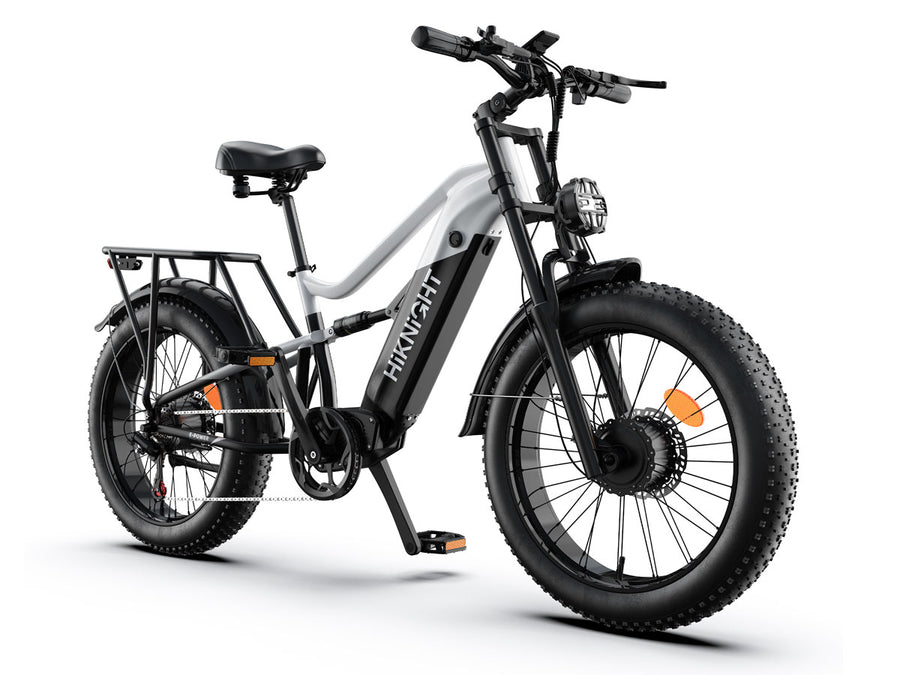
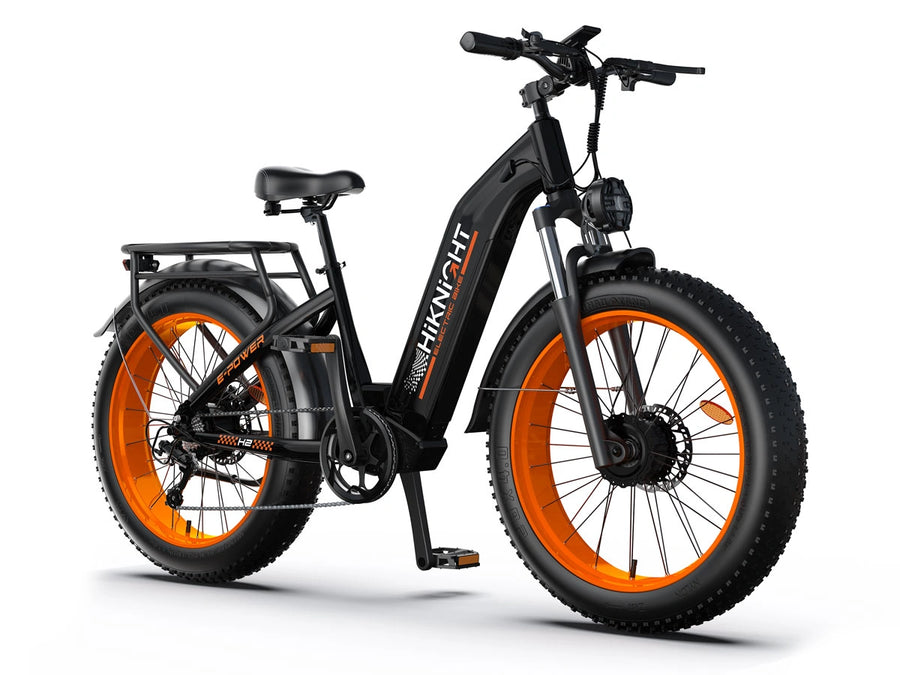
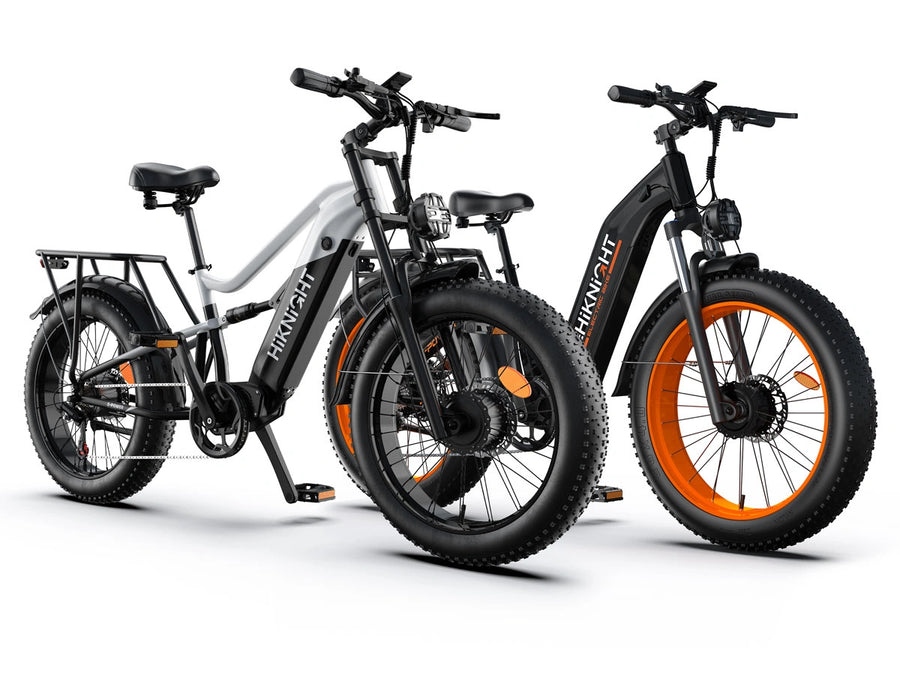
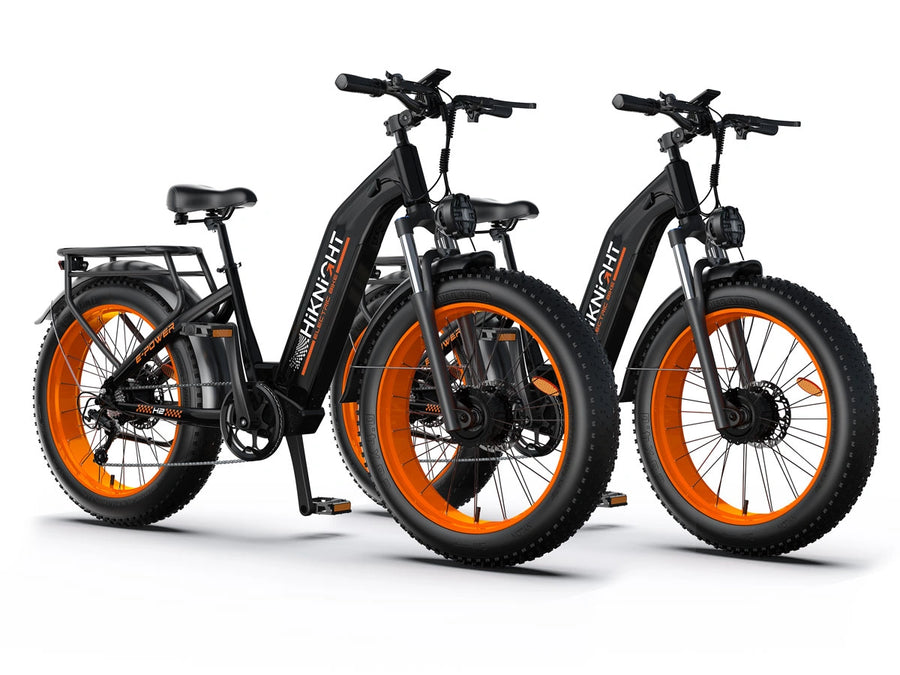
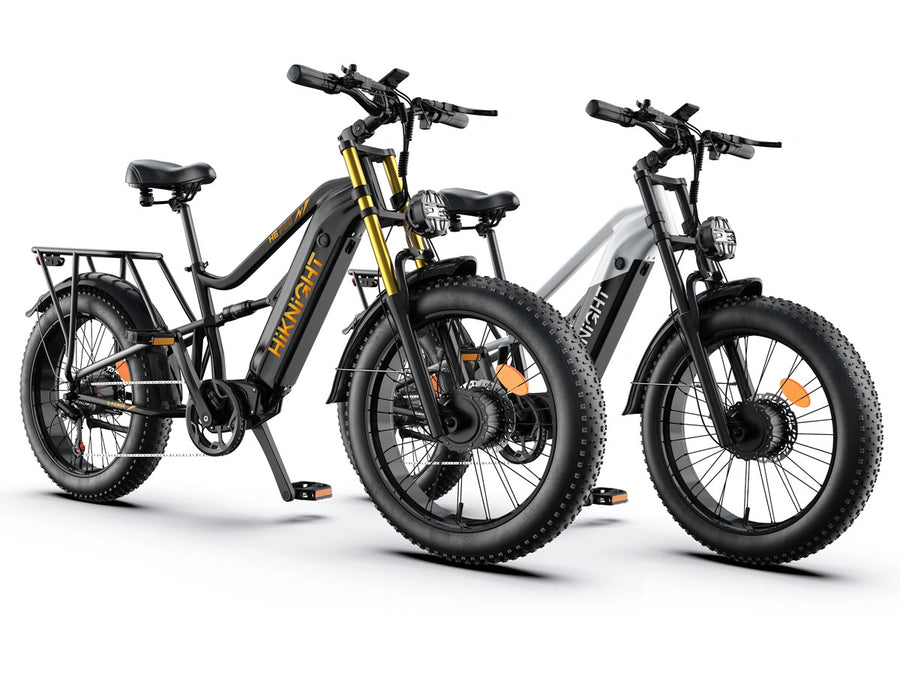
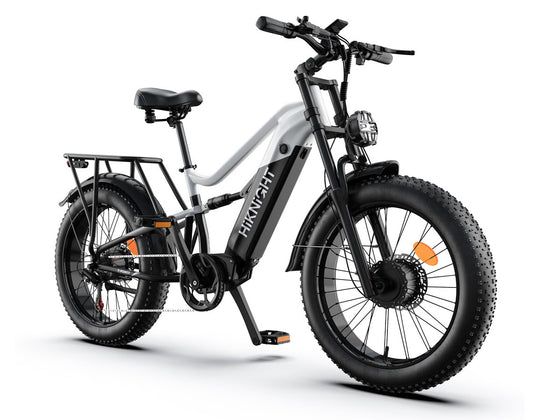
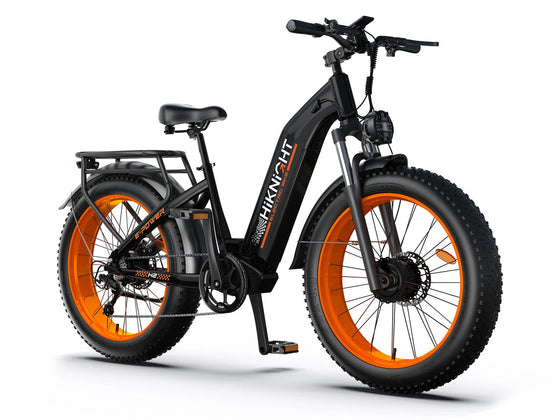
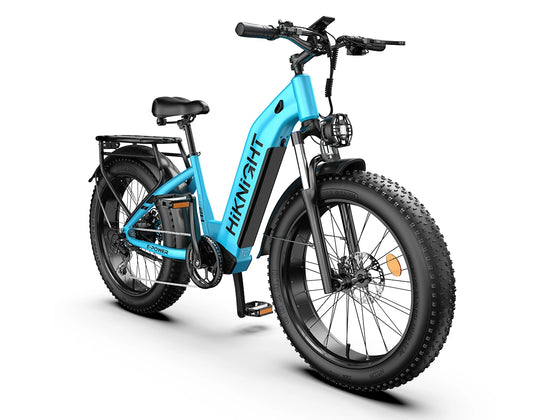
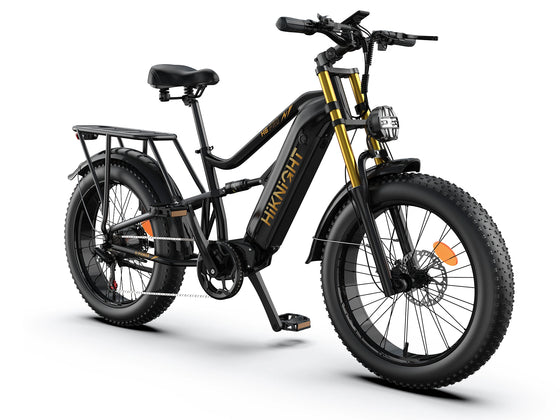
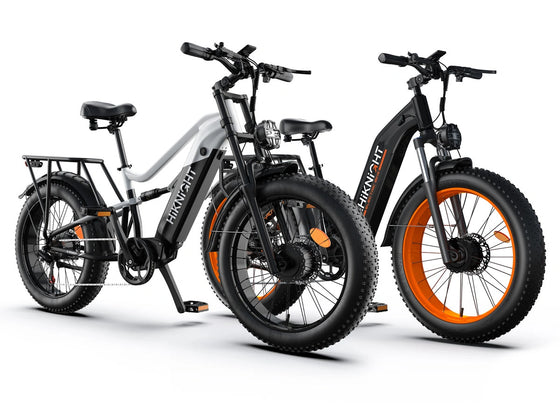
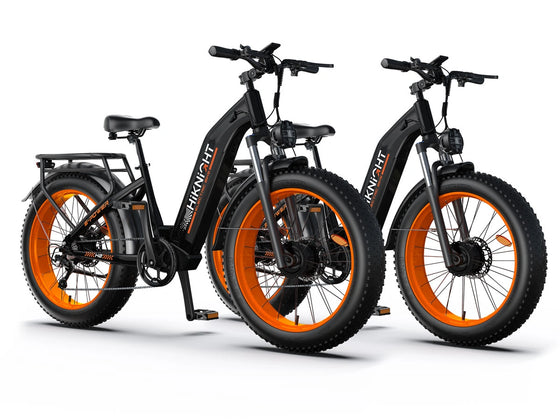
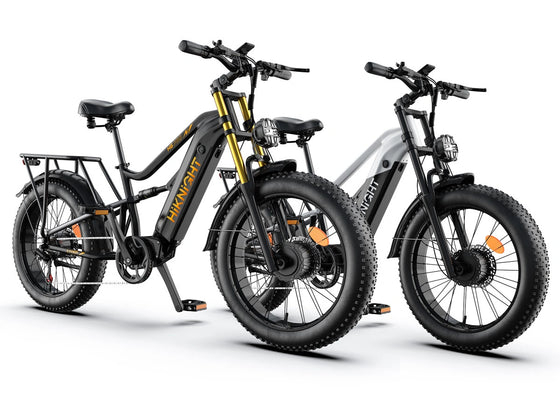
When selecting the Best Ebike for Heavy Riders, the choice often falls between accessibility and pure off-road capability. Both the Hiknight H2PRO and the Hiknight H6PRO are built to support 380 lbs, but their use cases differ.
Accessibility with H2PRO
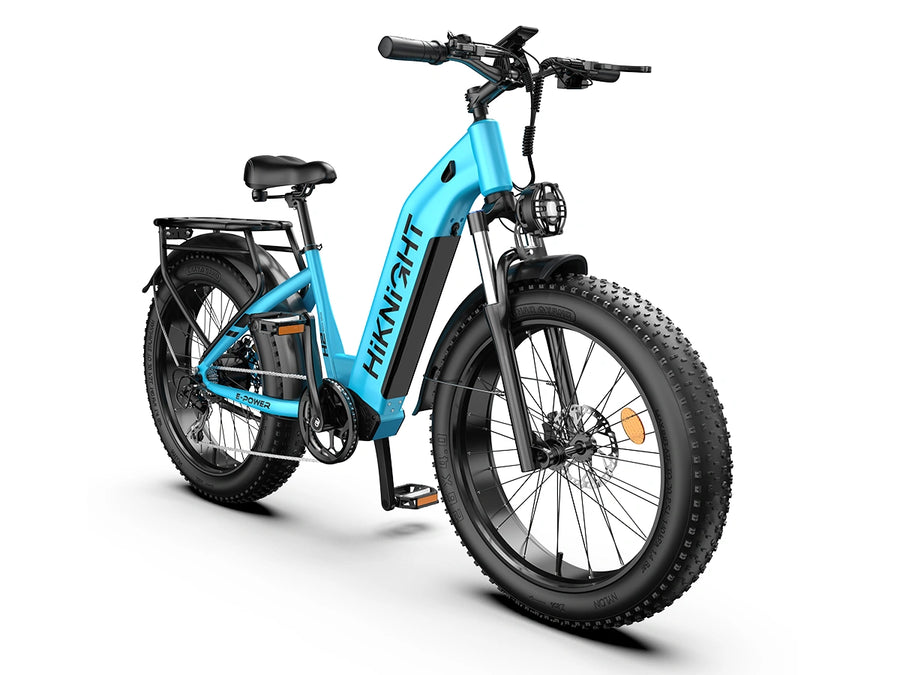
The H2PRO features a low-step frame, which is highly recommended for riders who may have limited mobility due to weight or age. It offers adjustable front suspension and a 3000W peak dual-motor system, making it the perfect urban cruiser for those who prioritize ease of mounting without sacrificing hill-climbing power.
Full Suspension with H6PRO
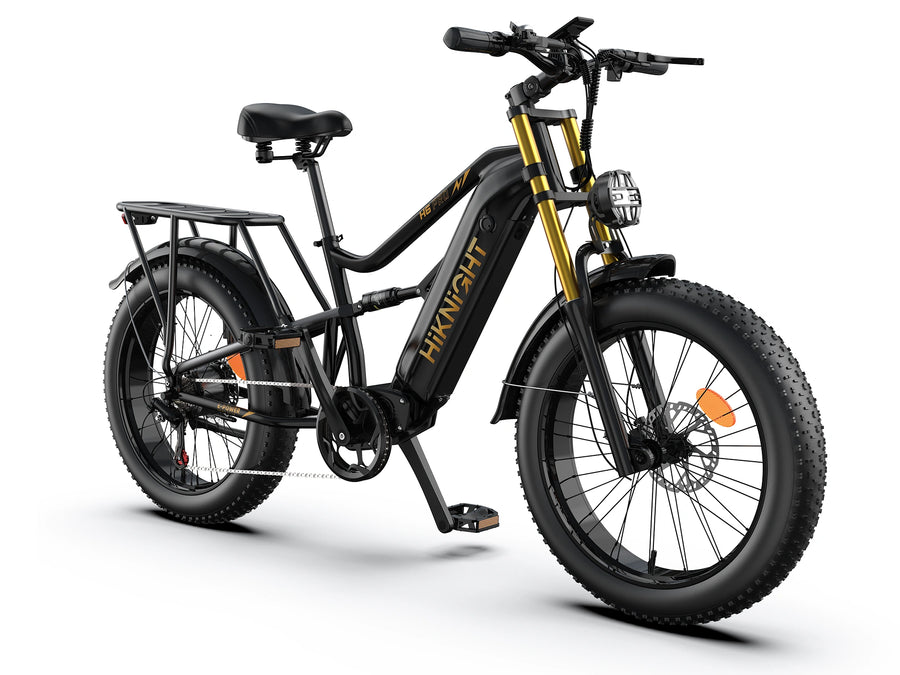
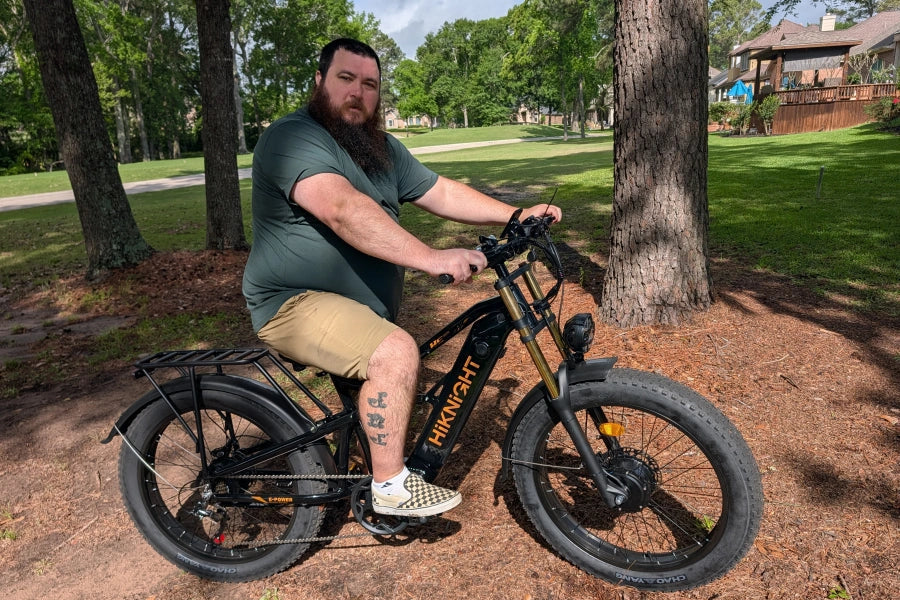
For riders who plan to tackle gravel or uneven trails, the Hiknight H6PRO is arguably the Best Ebike for Heavy Riders seeking comfort. Its dual-suspension system (front and rear) is crucial for absorbing large-impact forces that would otherwise strain the bike's frame and the rider's joints.
Buying Guide: 5 Criteria for Riders Above 300 lbs
- Torque is King: Don't just look at Watts. High torque (100Nm+) is what gets a 300 lb rider moving from a dead stop on an incline.
- Braking Hardware: Only accept hydraulic disc brakes. Mechanical brakes require too much hand force and frequent adjustments for heavy loads.
- Wheel Strength: Look for ebikes using 12-gauge or 13-gauge spokes. Standard 14G spokes are prone to snapping under high payloads.
- Center of Gravity: Models with slightly smaller wheels (24") like the H6PRO provide a lower center of gravity, which increases stability for larger riders.
- Battery Voltage: A 52V system is superior to 48V because it provides more "headroom," ensuring the motor doesn't feel sluggish as the battery drains.

Expert Maintenance Tips for Long-Term Durability
Expert Tip: If you are riding near the max capacity of 380 lbs, your maintenance cycle should be accelerated. We recommend:
- Weekly Tire Checks: Maintain 20-25 PSI. Low pressure can cause "pinch flats" and rim damage under heavy loads.
- Spoke Tensioning: Check spokes every 200 miles. A loose spoke will quickly lead to a warped wheel.
- Brake Pad Inspection: Heavy loads consume brake pads 2x faster. Replace them immediately if they reach 1mm of thickness.
Safety Standards: ASTM and UL Compliance
To ensure you are purchasing the Best Ebike for Heavy Riders, verify the manufacturer's commitment to international safety standards:
- ASTM F2043-14: Bikes rated for "Condition 2" or "Condition 3" are designed for off-road use and are significantly stronger than basic city ebikes.
- UL 2849 Certification: This is the gold standard for electrical safety, ensuring the 52V 20Ah battery and 3000W system are protected against fire and electrical hazards.
- Local Compliance (e.g., CVC 24016): While our Pro series offers high speeds, riders should use the display settings to cap speed at 28 MPH for Class 3 compliance on public roads.
Frequently Asked Questions
Q: What is the real-world weight limit for these ebikes?
The H2PRO and H6PRO are engineered for a maximum payload of 380 LBS (172 KG). This includes the rider and any cargo or accessories.
Q: Why do I need a 3000W dual motor system?
For heavy riders, dual motors provide All-Wheel Drive traction and 180Nm of torque. This prevents the rear motor from overheating when climbing steep hills with a 300+ lb load.
Q: Is a step-through frame strong enough for 380 lbs?
Yes, if it is built like the H2PRO. It utilizes internally reinforced 6061 aluminum to ensure the low-step design remains rigid under high pressure.
Q: How does the range change for heavier riders?
Range is affected by mass. A 350 lb rider will see approximately 20-30% less range than a 150 lb rider. However, the high-capacity 20Ah battery ensures you still achieve 40-60 miles of real-world use.
Q: Can I ride these ebikes in wet conditions?
Absolutely. With an IPX6 waterproof rating, the electrical components are protected against heavy rain and high-pressure water spray, though submersion should be avoided.
Q: Do these ebikes require a special license?
In most jurisdictions, no license is required if you adhere to Class 2 or Class 3 speed limits (20-28 mph). Always check your local DOT regulations for high-wattage ebike rules.
Conclusion
The Best Ebike for Heavy Riders is the one that offers you total peace of mind through superior engineering. By prioritizing 180Nm of torque, 380 lbs of payload capacity, and hydraulic safety systems, the Hiknight Pro Series sets a new benchmark for 2026. Whether you choose the accessible H2PRO or the rugged H6PRO, you are investing in a vehicle designed to support your journey safely and powerfully.
Share:
Best Electric Bikes for Mountain Trails and Rough Terrain
Best Practices for Safe Off-Road E-Bike Riding: Essential Guide for Safety, Control, and Terrain Mastery