





Do You Need a License for an Electric Bike?
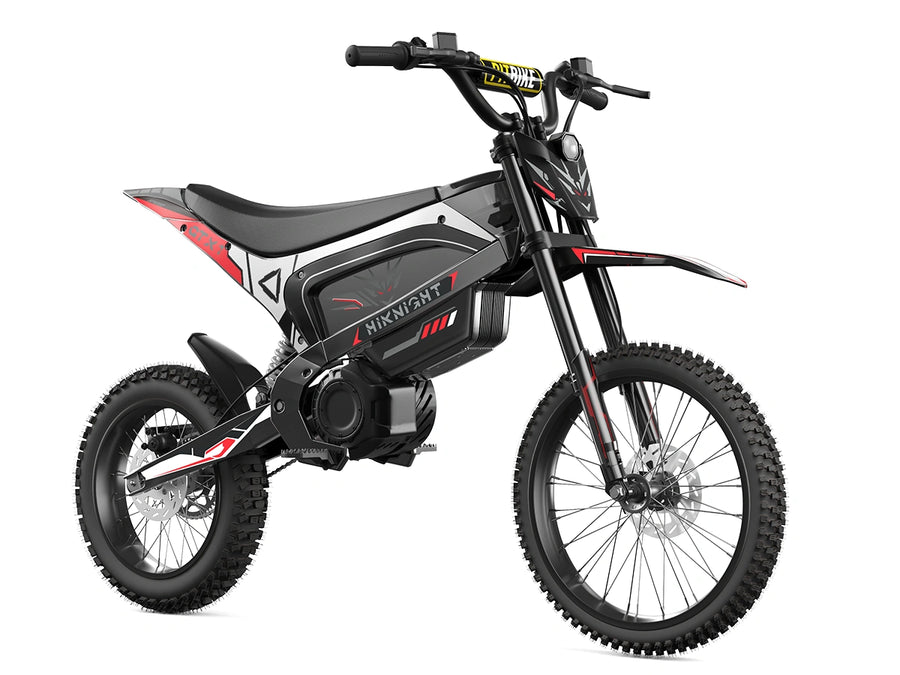
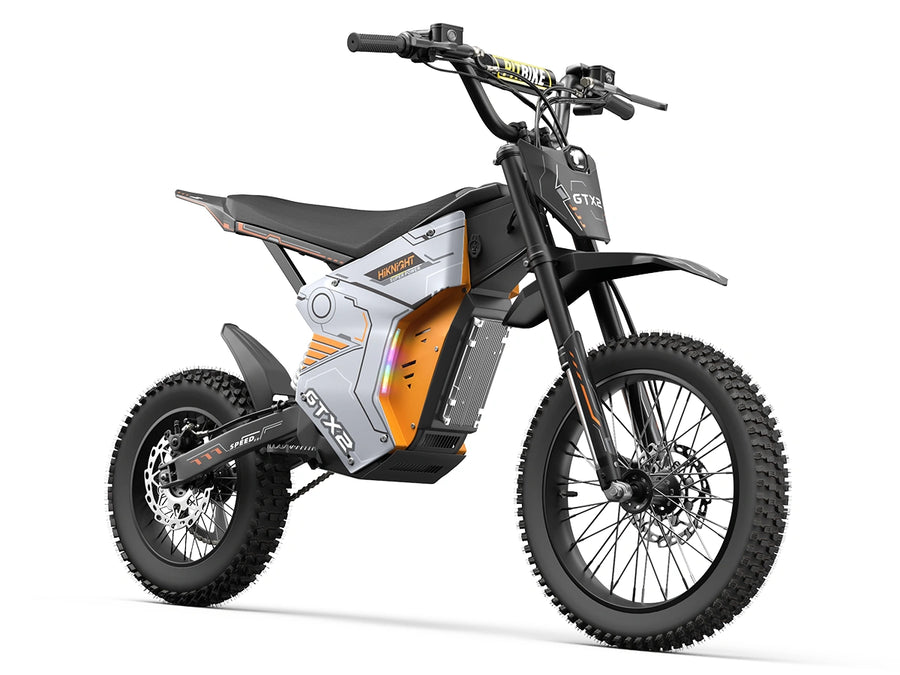
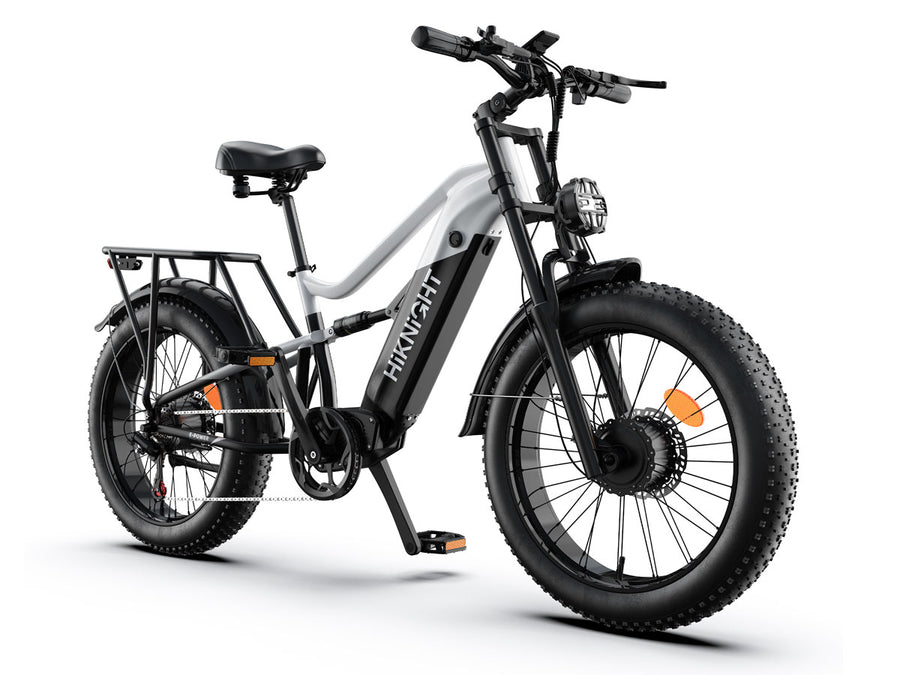
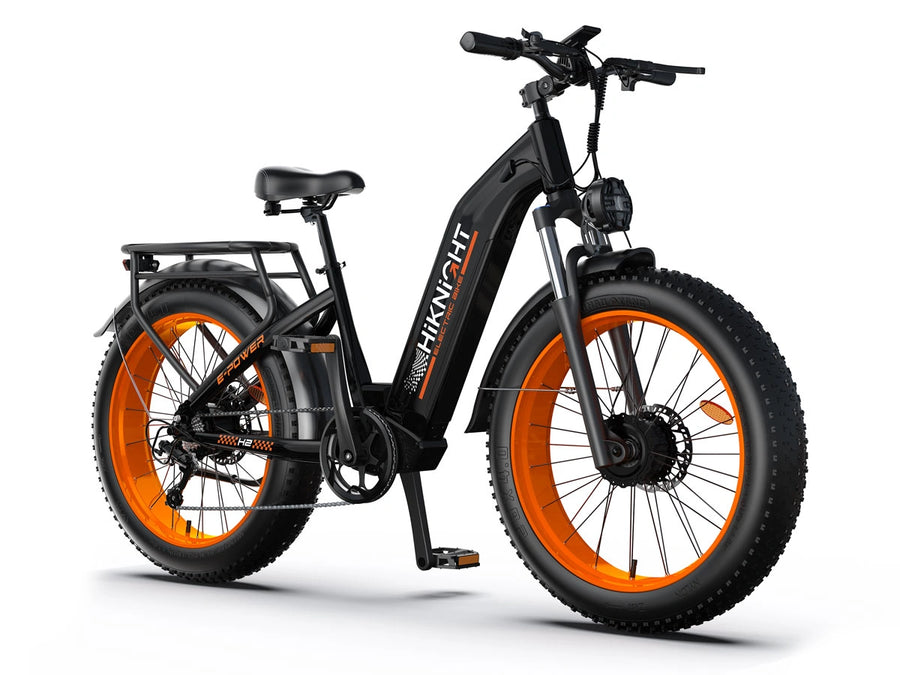
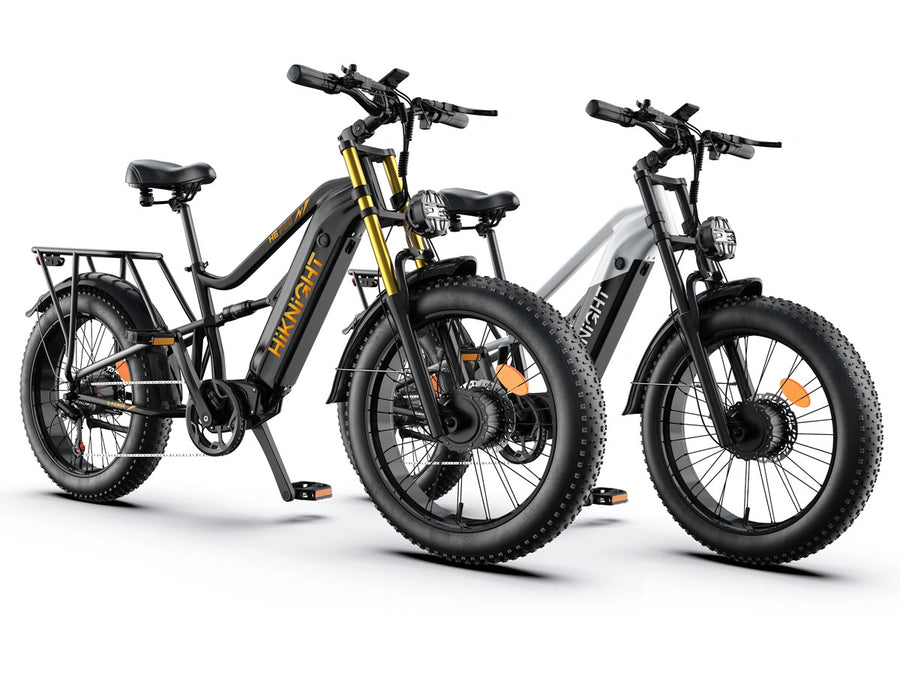
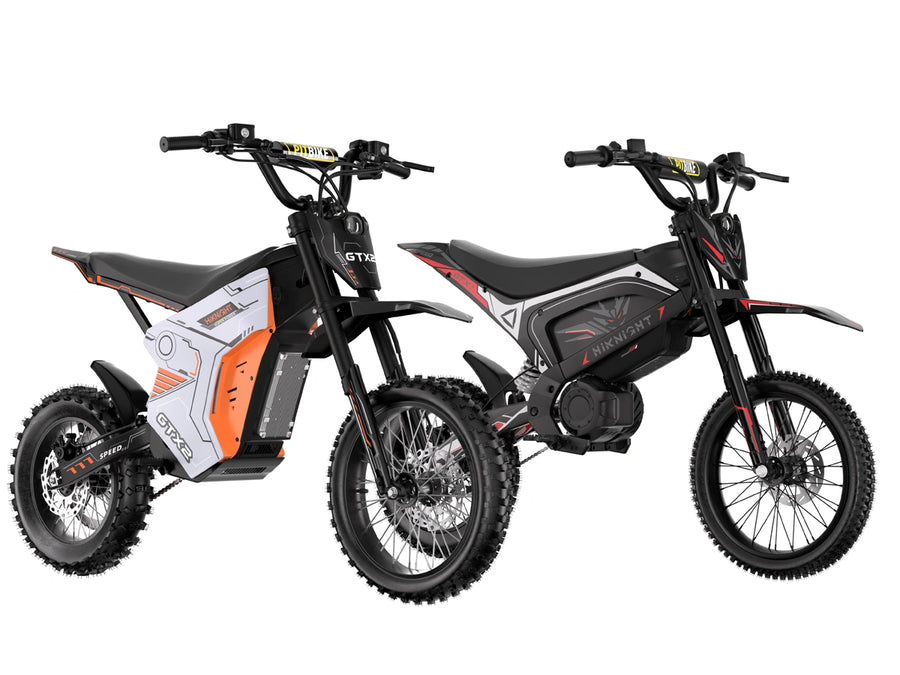
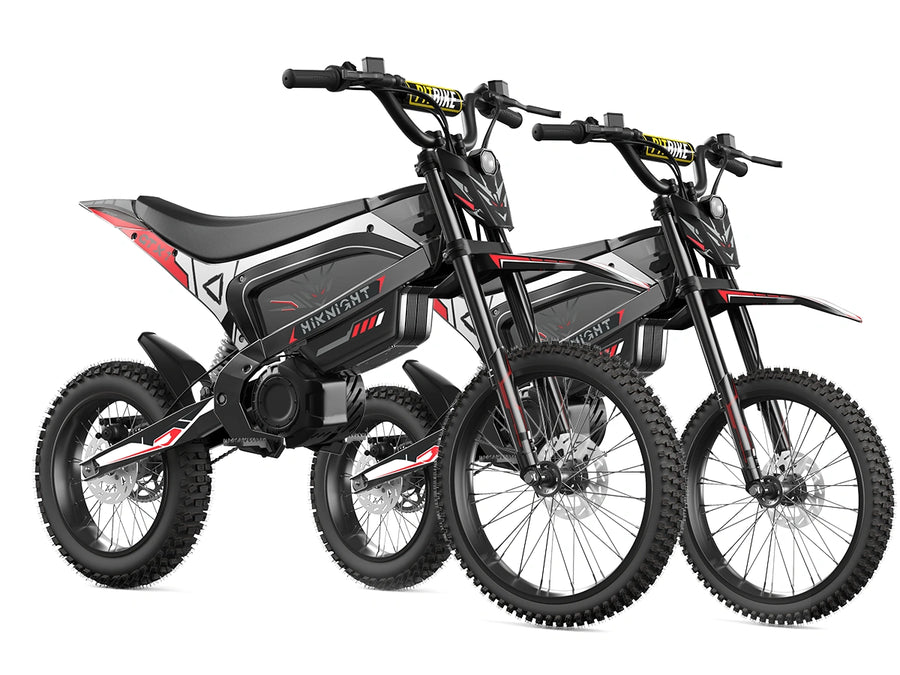
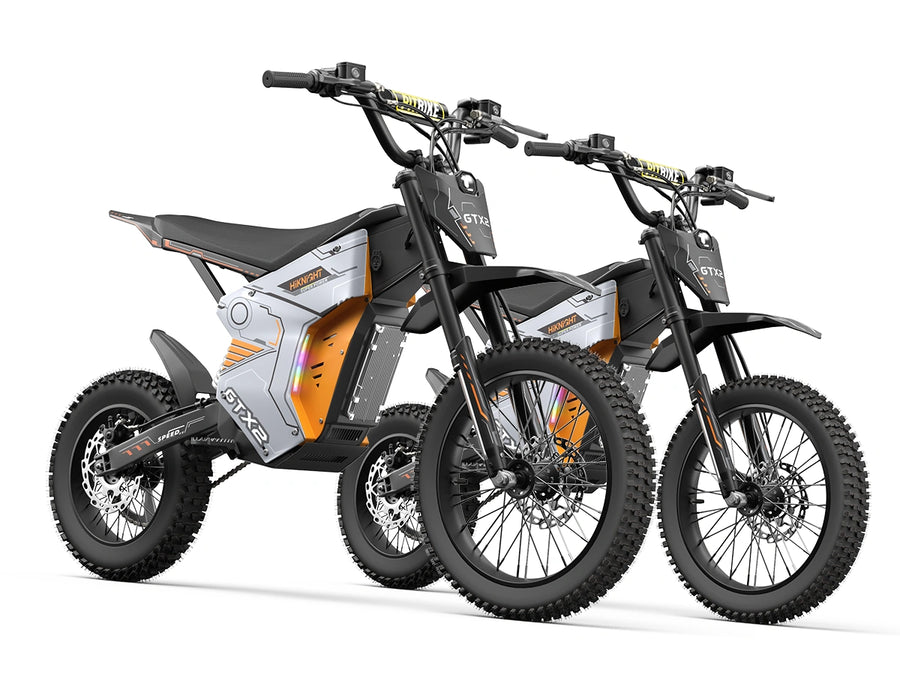
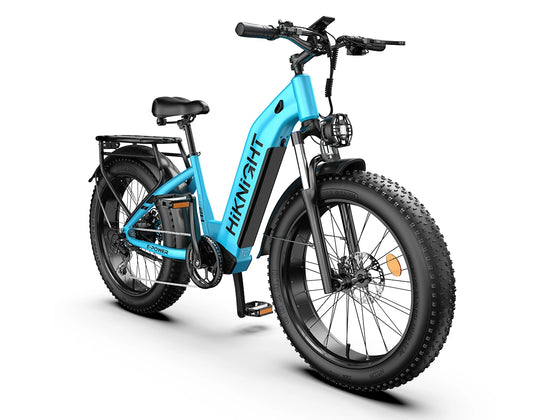
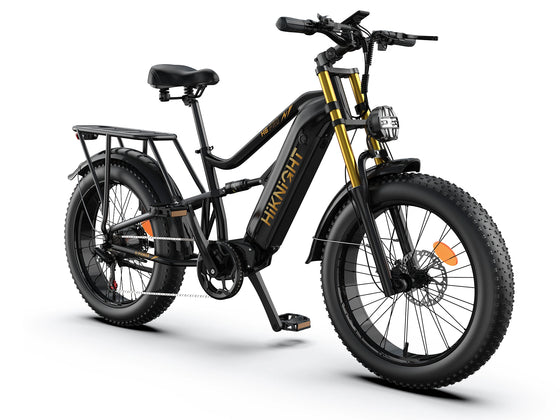
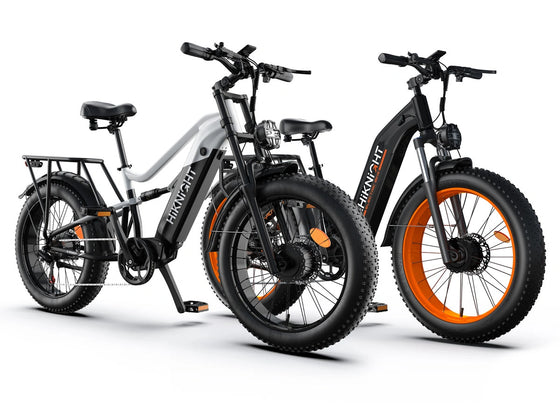
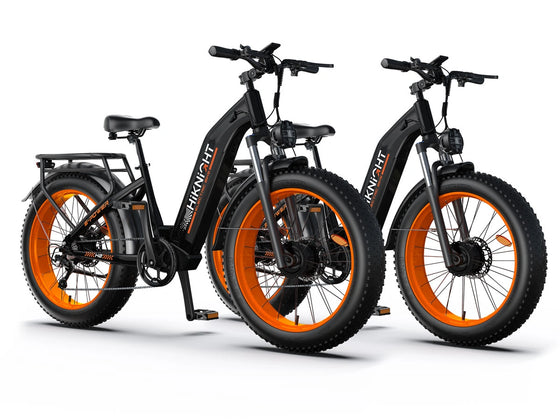
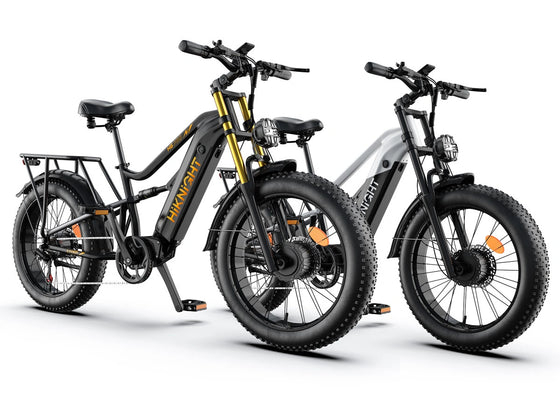
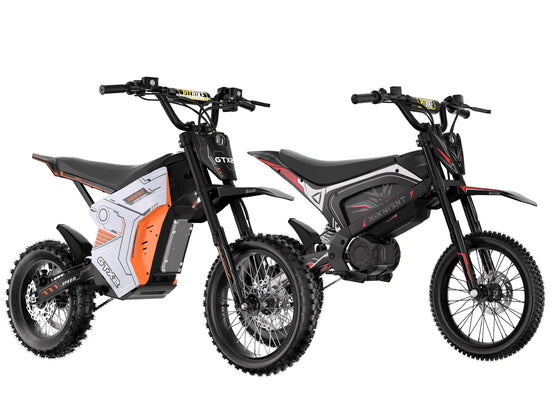
With electric bikes becoming increasingly popular for commuting and recreational use, many riders wonder: Do you need a license for an electric bike? Whether you're considering getting an e-bike like HiKNiGHT’s H2 Pro, H6 Pro, or GTX1, it's important to understand the licensing requirements that may apply to your new ride. 🚴♂️
In this blog, we’ll explore whether you need a license for an electric bike, what factors affect this requirement, and how HiKNiGHT’s bikes fit into these regulations.
What is an Electric Bike?
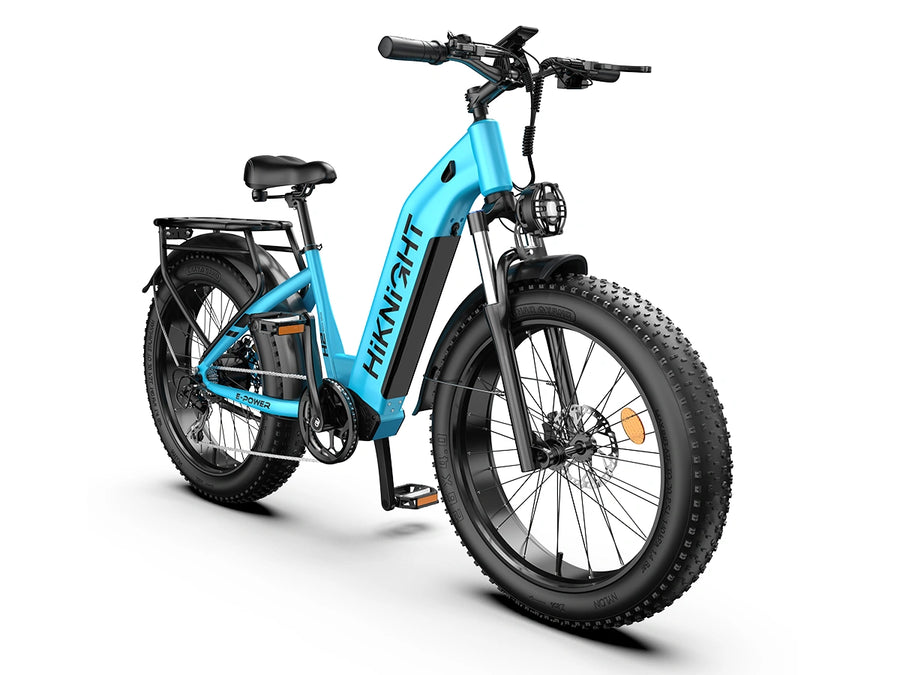
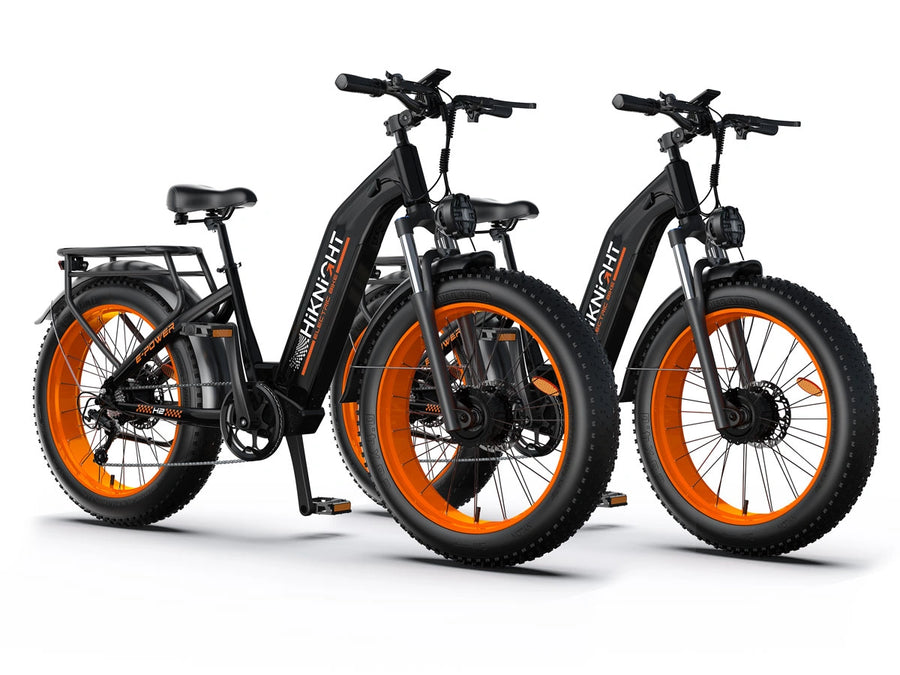
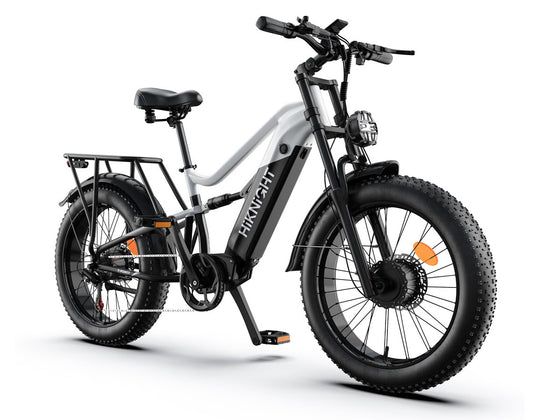
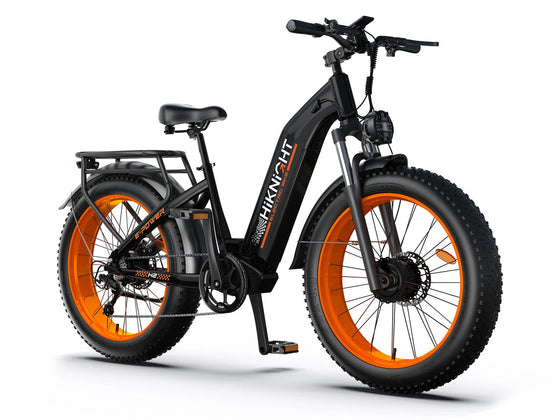
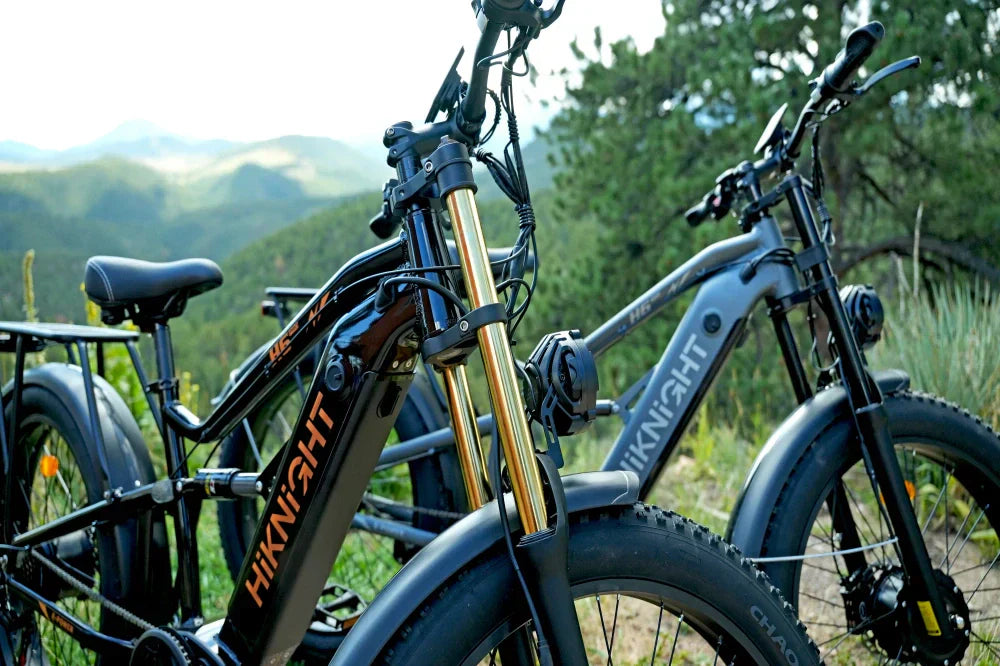
An electric bike (e-bike) is a bicycle that comes with an electric motor that helps with pedaling, making it easier to ride longer distances and navigate tougher terrain. The H2 Pro, for example, features a 3000W dual motor and fat tires, perfect for navigating both urban roads and off-road trails. These bikes are eco-friendly and offer a fun alternative to cars, especially for short commutes or outdoor adventures.
Now, let’s get to the key question: Do you need a license for an electric bike?
Do You Need a License for an Electric Bike?
The answer to this question depends on several factors, including the type of e-bike you own, motor power, and local regulations. E-bikes are typically classified into three categories:
- Class 1 e-bikes: Pedal-assist only, with a motor that assists up to 20 mph.
- Class 2 e-bikes: Pedal-assist with a throttle that helps you go up to 20 mph.
- Class 3 e-bikes: Pedal-assist with a motor that supports speeds up to 28 mph.
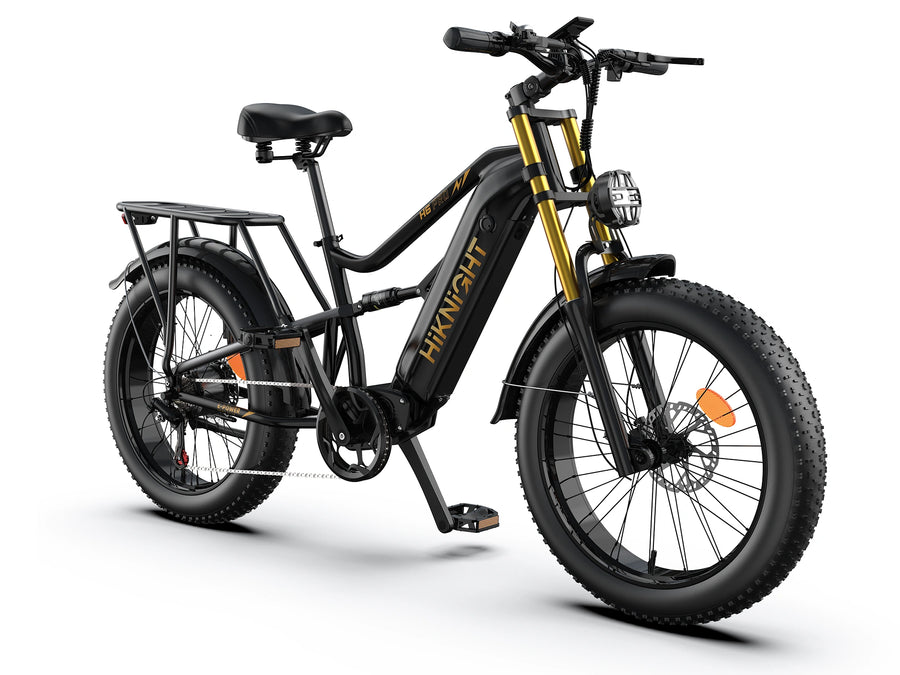
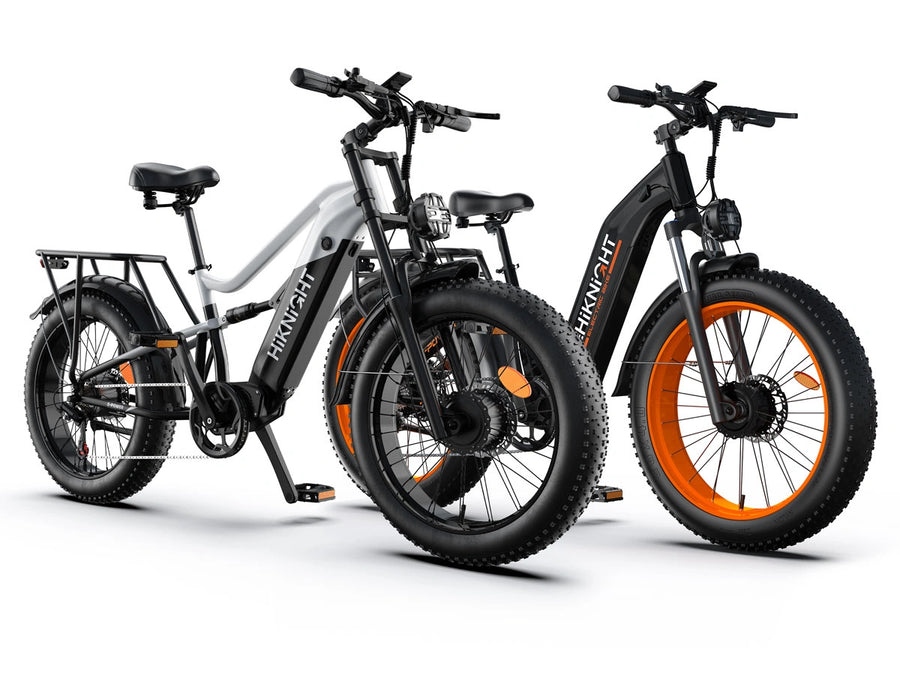
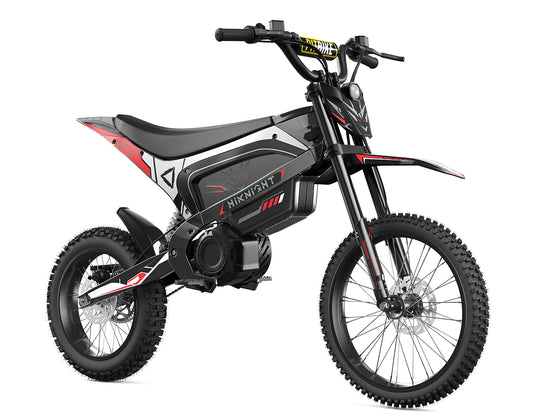
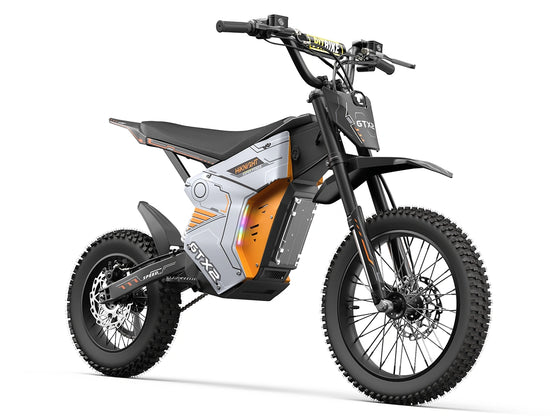
For HiKNiGHT’s H2 Pro, which falls under Class 3, you may need a license or registration in certain regions due to its motor power and speed. Other models like the H6 Pro or GTX1, known for their higher-powered motors and off-road capabilities, may also have specific licensing requirements depending on your location.
Types of Electric Bikes and Licensing Rules
As mentioned, electric bikes fall into three main classes:
- Class 1 and 2: In many places, no license is required for these bikes if their motor power doesn’t exceed 750W and they stay within the 20 mph limit.
- Class 3: E-bikes like the H2 Pro that exceed 20 mph often require a license, especially in urban environments or when used on roads. However, off-road riders might not face strict regulations, depending on the local area.
Why Do Licensing Rules Vary by Region?
Licensing requirements differ from region to region based on factors such as:
- Motor Power: In areas where high-powered e-bikes are common, you may need a license for bikes with motors above 750W, like the H6 Pro or GTX1.
- Speed: Bikes that can exceed 20 mph, like the H2 Pro, may need to be registered for legal road use.
- Type of Riding Area: On-road use often has stricter regulations than off-road use, but it’s essential to check local laws.
Do You Need a License for Off-Road Electric Bikes?
Off-road electric bikes, such as the GTX1, often face fewer licensing regulations, as they are typically used in outdoor and trail settings. However, some regions may still require registration or a license for off-road bikes that are used in public spaces.
How to Check the Local E-Bike Laws in Your Area
To ensure you are following the local laws, consider these steps:
- Visit your local DMV or transportation office.
- Contact local bike shops for advice on regulations specific to your area.
- Use online resources like state or municipal websites to confirm what’s required.
Be sure to check for any specific rules regarding on-road vs off-road use.
Benefits of Having a License for Your Electric Bike
Even if not required by law, having a license for your e-bike offers several advantages:
- Insurance Coverage: A license makes it easier to obtain insurance for theft or damage.
- Legal Protection: Riding a licensed e-bike provides peace of mind that you are following the law.
- Stolen Bike Recovery: If your bike is stolen, having it registered increases your chances of getting it back.
Winter Promotions & Free Accessory Bundles
Special winter promotions with free accessory bundles for H2 Pro, H6 Pro, and GTX1.
Conclusion & Call to Action
In conclusion, whether you need a license for your electric bike depends on several factors, including the type of bike, its motor power, and where you plan to ride. HiKNiGHT offers a variety of models like the H2 Pro,
Share:
Best Electric Fat Tire Bikes 2025: The Ultimate Guide
Bike Tire Pressure: How It Affects Your Ride and How to Get It Right