



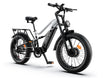
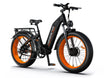
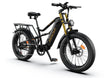
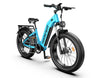
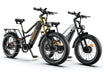
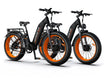
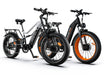
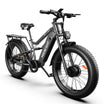
Choosing between a dual motor vs single motor electric bike is one of the most important decisions an e-bike buyer faces today. Whether you're navigating city streets, gravel paths, or steep off-road trails, exploring options in a modern electric bike collection will shape every ride — your speed, your range, your control, and your wallet. This guide cuts through the noise and gives you a clear, honest breakdown so you can make the right call.

Table of Contents
- What Is a Single Motor vs Dual Motor Electric Bike?
- Why Motor Configuration Matters More Than Wattage Alone
- Single Motor E-Bikes: Strengths and Limitations
- Dual Motor E-Bikes: Strengths and Limitations
- Head-to-Head Comparison: 6 Key Factors
- When Should You Choose Each?
- How to Make the Final Decision
- FAQ
What Is a Single Motor vs Dual Motor Electric Bike?
At its core, the difference is exactly what it sounds like — but the implications run deep.
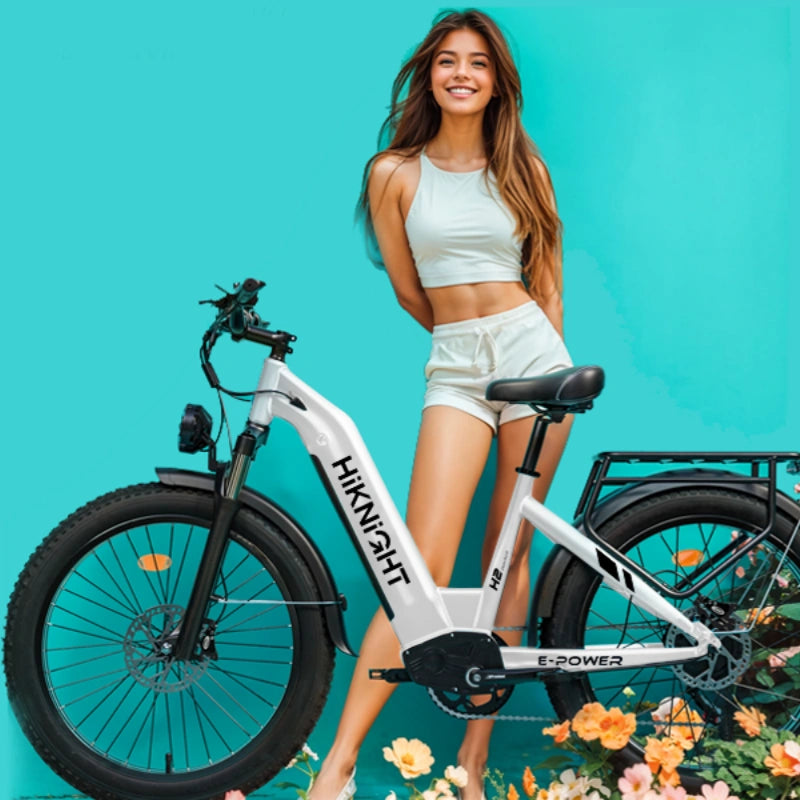
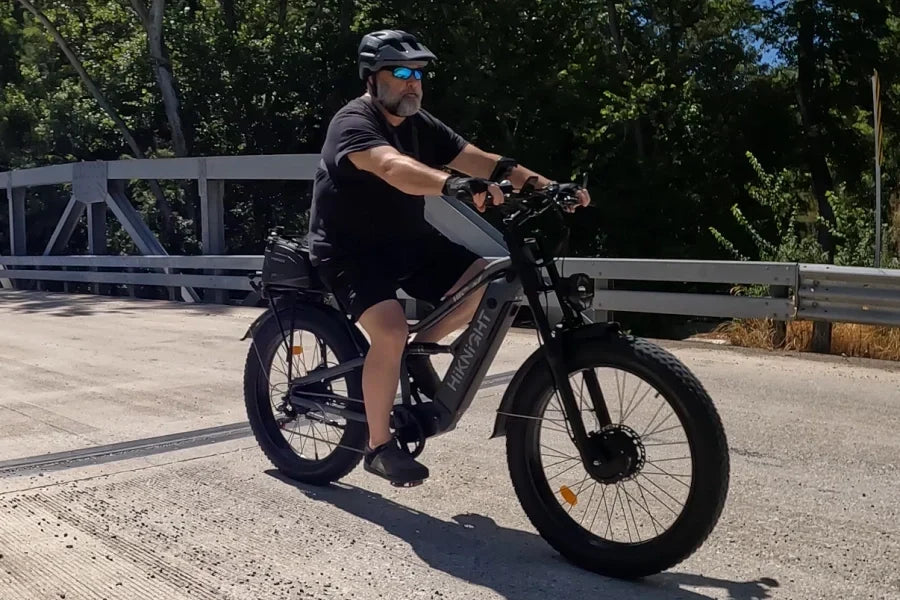
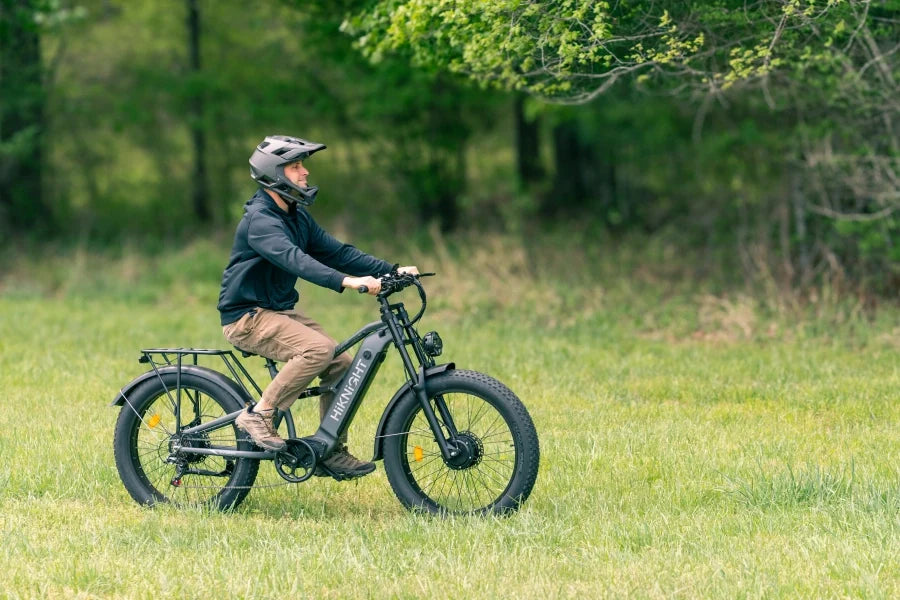
A single motor electric bike uses one motor, typically mounted at the rear hub or mid-drive position. It drives one wheel and handles all propulsion on its own. Popular long-range fat tire models like the HiKNiGHT H2 showcase how efficient a 2000W Peak system with a 52V 20Ah battery can be for versatile commuting and trail riding.
A dual motor electric bike uses two motors — one at the front hub and one at the rear hub — creating a true all-wheel-drive (AWD) system. Both wheels receive independent power, which fundamentally changes how the bike handles traction, torque, and steep terrain.
Think of it like the difference between a 2WD and 4WD truck. Both get you there. But when the road turns to mud, sand, or steep gravel, AWD makes all the difference.
Why Motor Configuration Matters More Than Wattage Alone
Many buyers fixate on wattage alone — but how that power is distributed matters just as much as peak output numbers.
- Traction is about contact, not just power. A single high-powered rear motor can spin out on loose gravel, wet grass, or sand. Two motors — one per wheel — distribute torque evenly to keep both tires firmly planted.
- Climbing is about sustained torque. On steep inclines, a single motor works at maximum capacity. Dual motors share the load, reducing heat buildup and extending motor efficiency.
- Stability on rough terrain. AWD e-bikes pull from the front wheel while pushing from the rear, giving you superior steering control through loose dirt, snow, and mud.
Single Motor E-Bikes: Strengths and Limitations
✅ Strengths
- Lighter weight. One motor means less hardware, making the bike easier to transport and maneuver.
- Exceptional range. With a single motor drawing power, energy efficiency is maximized. Equipped with a 52V 20Ah battery, models like the HiKNiGHT H6 Fat Tire Ebike achieve an impressive 70–100 miles of range and top speeds up to 38 MPH.
- Lower cost. Single motor setups are simpler to manufacture and maintain, providing incredible value for riders.
- Simpler maintenance. Fewer electronics and wiring mean fewer potential service points over time.
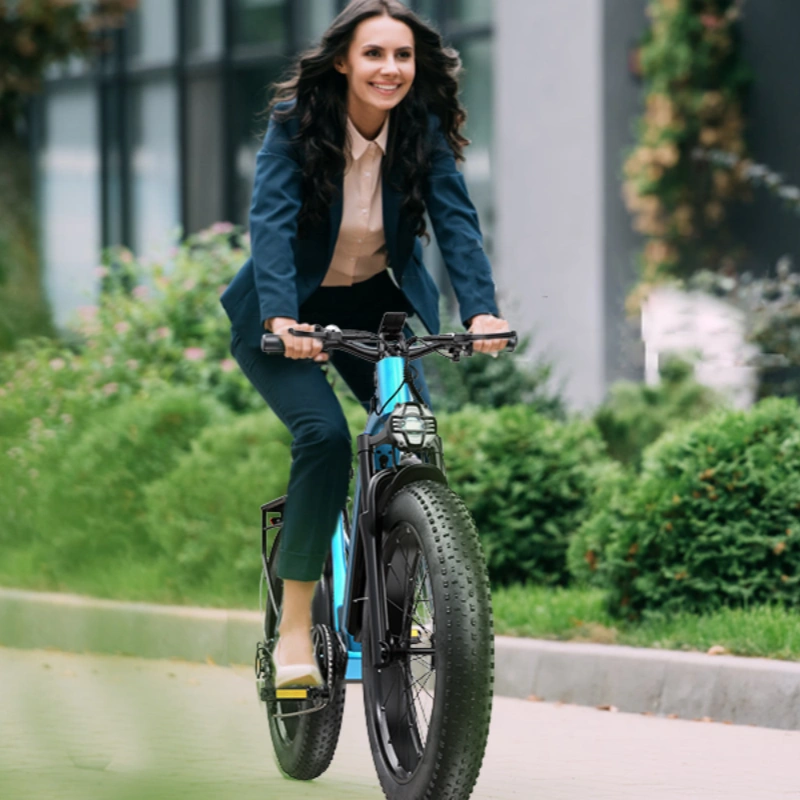
- Ideal for pavement and light trails. For commuting, paved paths, and moderate dirt roads, a 2000W Peak single motor is more than sufficient.
❌ Limitations
- Traction limits on extreme terrain. Soft sand, deep snow, and steep loose gravel can overwhelm a rear-wheel-only drive system.
- Slightly lower climbing angle. While excellent on moderate hills, single-motor setups may work harder on 30°+ steep mountain climbs.
Dual Motor E-Bikes: Strengths and Limitations
✅ Strengths
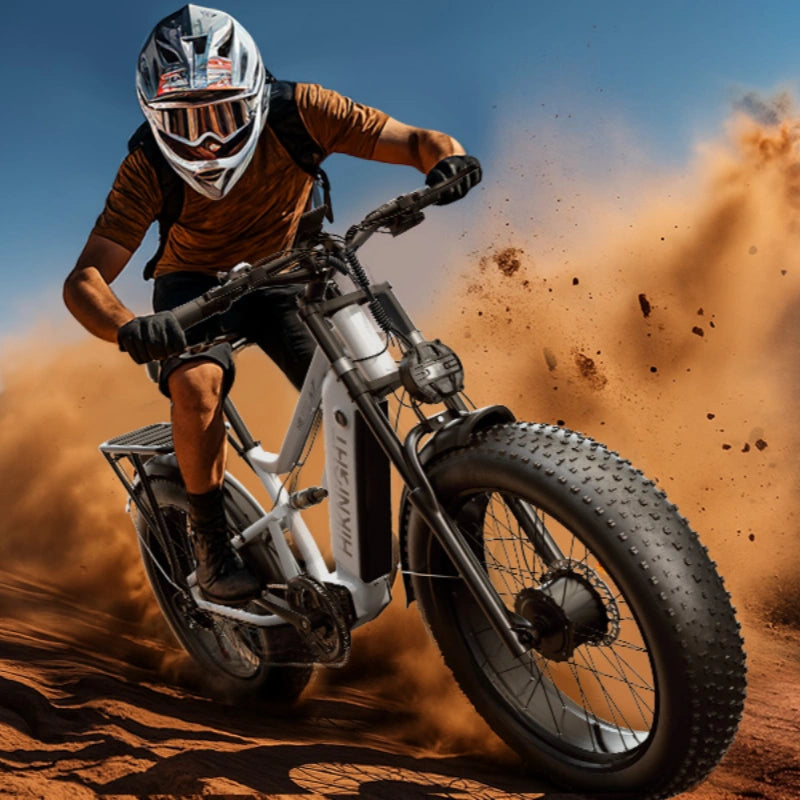
- True AWD traction. Front and rear hub motors drive both wheels independently, effortlessly conquering deep sand, snow, mud, and steep rocky trails.
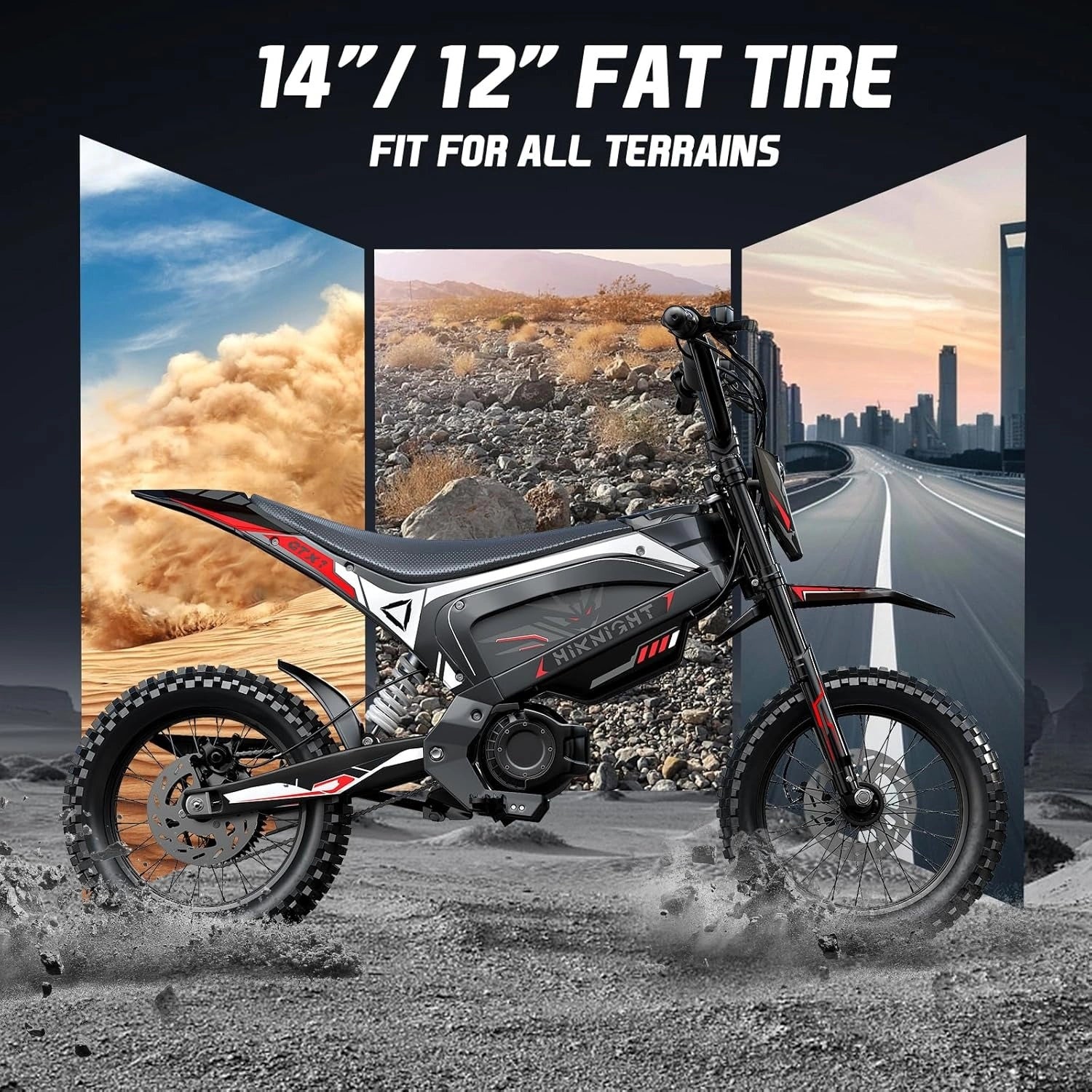
- Massive 4000W Peak power. High-performance dual motor models like the HiKNiGHT H6pro combine front and rear motors for 4000W Peak output, reaching top speeds of 40 MPH.
- Extreme hill climbing. Dual motors deliver instant raw torque from both tires, tackling 35°–45° steep slopes without slowing down.
- Better load handling. Carrying heavy gear, cargo, or riding on rugged terrain is smoother when power is distributed across two wheels.
❌ Limitations
- Slightly heavier frame. Dual motor e-bikes carry extra motor weight.
- Slightly lower battery efficiency. Dual 4000W Peak systems draw more power, yielding a 60–90 mile range on a 52V 20Ah battery compared to 70–100 miles on single-motor setups.

Head-to-Head Comparison: Real 2026 Specs
| Specification / Feature | HiKNiGHT H6 (Single / 2000W) | HiKNiGHT H6pro / H2pro (AWD / 4000W) |
|---|---|---|
| Peak Motor Power | 2000W Peak | 4000W Peak (Dual Motor AWD) |
| Top Speed | 38 MPH | 40 MPH |
| Battery Specs | 52V 20Ah Lithium | 52V 20Ah Lithium |
| Estimated Range | 70–100 Miles | 60–90 Miles |
| Traction & Drive System | Rear-Wheel Drive | All-Wheel Drive (Front + Rear) |
| Best Terrain | City streets, paved paths, gravel | Steep mountain trails, sand, snow, mud |
When Should You Choose Each?
Choose a Single Motor E-Bike (2000W Peak) When:
- You want maximum mileage per charge (up to 70–100 miles)
- You ride primarily on city streets, bike paths, packed dirt, and gravel
- Top speed up to 38 MPH fits all your daily commuting needs
- You want lightweight agility and lower overall bike weight
Choose a Dual Motor AWD E-Bike (4000W Peak) When:
- You regularly conquer off-road obstacles — sand dunes, snow paths, muddy forest trails
- You live in an area with steep 30°+ mountain climbs and need 40 MPH top speed
- You want full All-Wheel Drive traction and maximum acceleration
- You carry heavy cargo or desire dual-motor redundancy for remote backcountry adventure
For off-road riding where traction is king, the HiKNiGHT H6pro delivers unmatched 4000W Peak AWD power and 40 MPH speed. If you prefer high efficiency and maximum range for daily rides, the HiKNiGHT H2 or HiKNiGHT H6 2000W Peak model offers up to 100 miles of range with exceptional reliability.
How to Make the Final Decision
Question 1: Where do you ride most?
If your daily rides consist of paved roads, city streets, and packed park trails, a 2000W Peak single-motor setup offers lighter handling and longer range. If your terrain involves sand, mud, deep snow, or steep hill climbs, dual-motor AWD is worth every penny.
Question 2: Range vs. Raw Traction?
If getting up to 100 miles per charge is your goal, the single-motor 52V 20Ah setup takes the crown. If getting up a 40° muddy hill at 40 MPH is your goal, dual-motor AWD wins hands down.
Bottom line: There is no single "best" motor configuration. Match your motor choice to your actual riding conditions — choose 2000W Peak single motor for maximum range and urban agility, or 4000W Peak dual motor AWD for extreme off-road mastery!
FAQ: Dual Motor vs Single Motor Electric Bike
Is a dual motor electric bike faster than a single motor e-bike?
Yes, in peak performance! Dual motor models like the HiKNiGHT H6pro reach up to 40 MPH with faster acceleration, while single motor models like the HiKNiGHT H6 reach up to 38 MPH.
What is the range difference between 2000W Peak and 4000W Peak e-bikes?
Both models utilize a 52V 20Ah battery. The 2000W Peak single motor system delivers 70–100 miles of range, whereas the higher-output 4000W Peak dual-motor AWD system provides 60–90 miles of range.
Can I ride a dual motor e-bike on sand and snow?
Absolutely! All-Wheel Drive (AWD) combined with 26" × 4.0" fat tires provides superior traction on loose sand, snow, and wet mud where single-motor bikes might spin out.
Which is better for steep hill climbing?
Dual motor AWD e-bikes excel at climbing steep hills up to 35°–45° because both front and rear tires pull and push simultaneously, ensuring continuous grip.




Leave a comment
All comments are moderated before being published.
This site is protected by hCaptcha and the hCaptcha Privacy Policy and Terms of Service apply.