






The full suspension ebike has moved far beyond niche mountain biking. Today, it’s a serious option for adult riders who want comfort, control, and confidence across rough terrain—whether that’s forest trails, desert paths, gravel roads, or weekend adventure routes.
But not all full suspension electric bikes are created equal. Some focus on lightweight trail riding. Others prioritize power and durability for aggressive off-road use. If you’re shopping in this category, understanding what truly matters will help you avoid overpaying—or worse, buying the wrong bike.
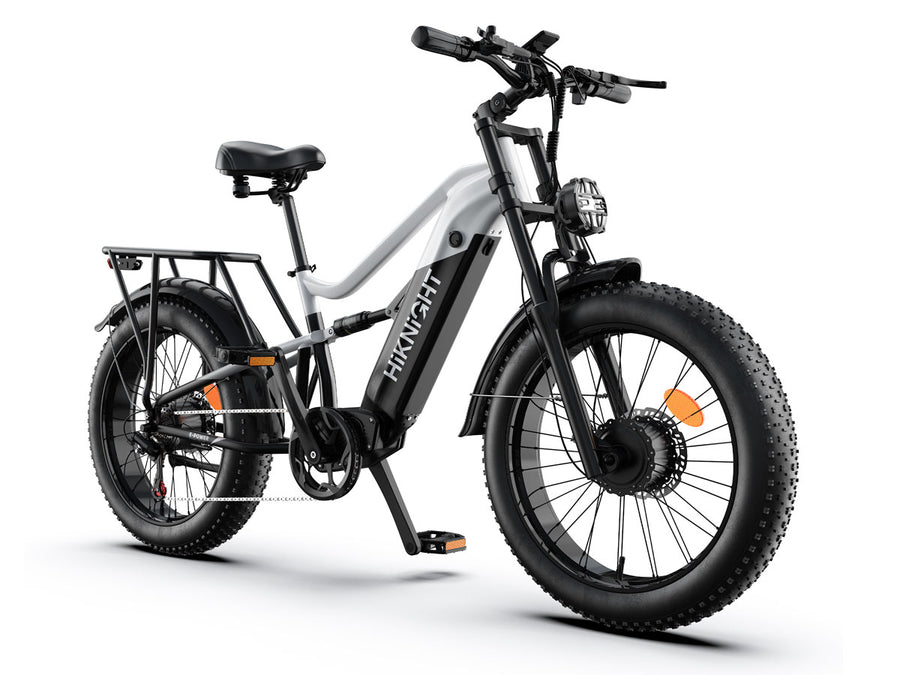
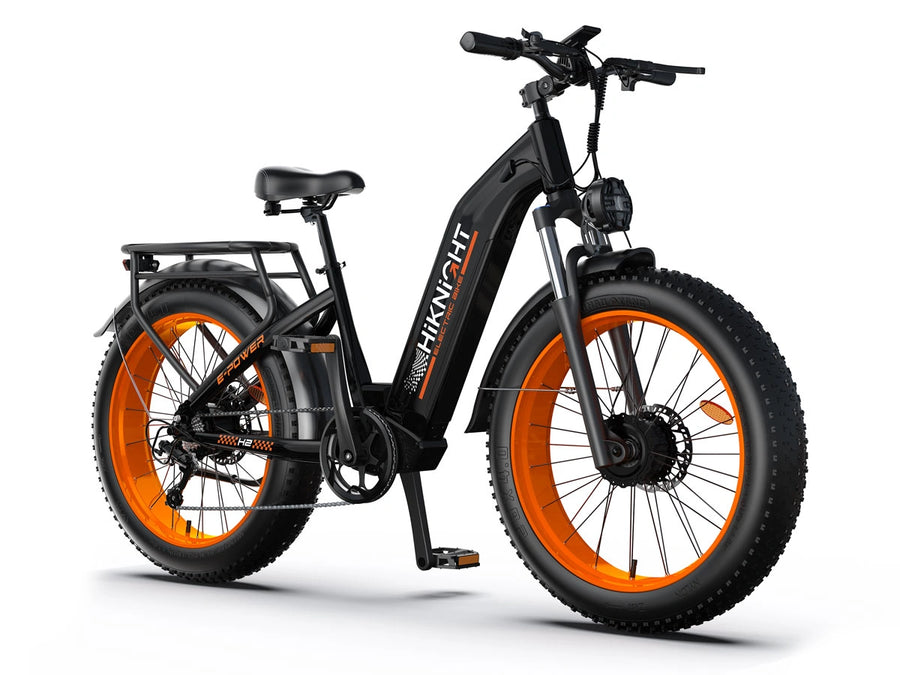
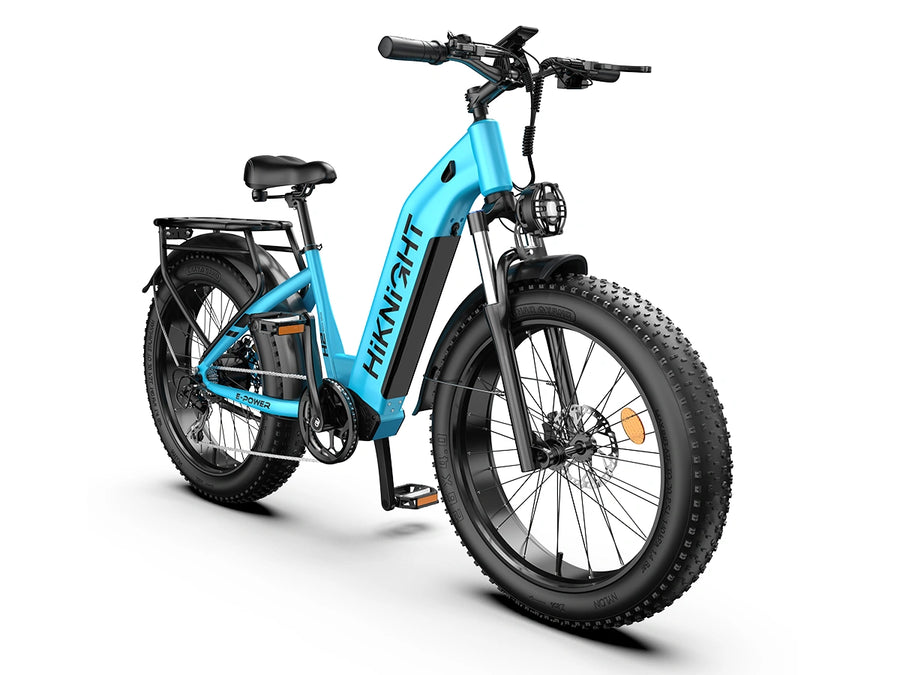
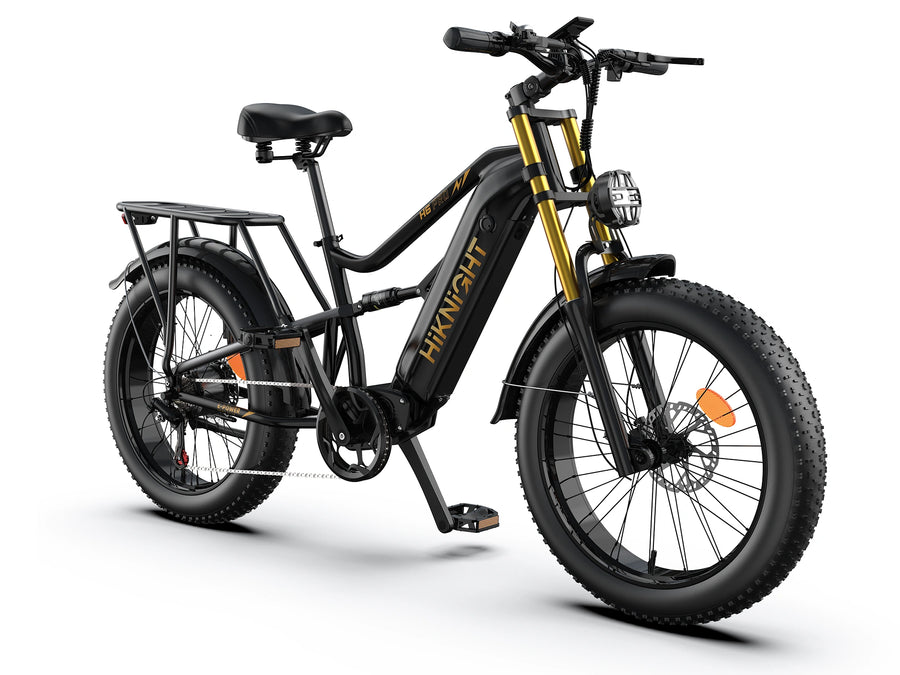
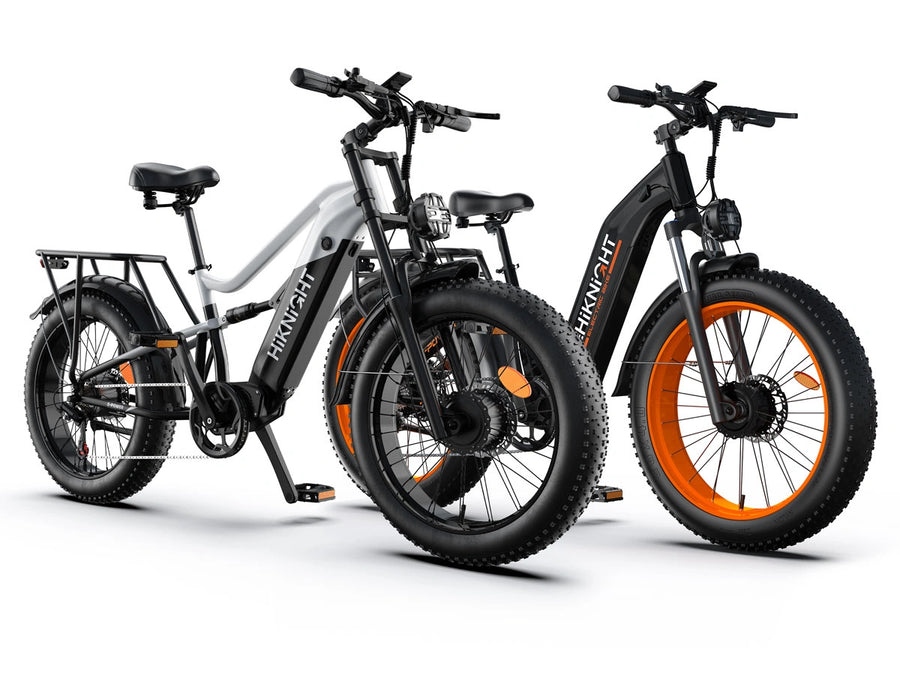
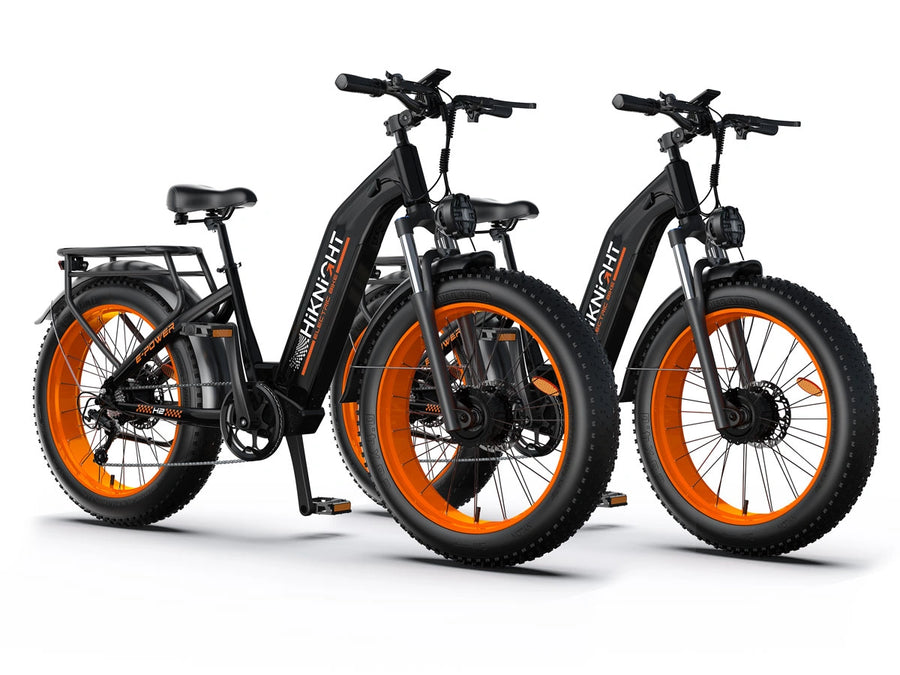
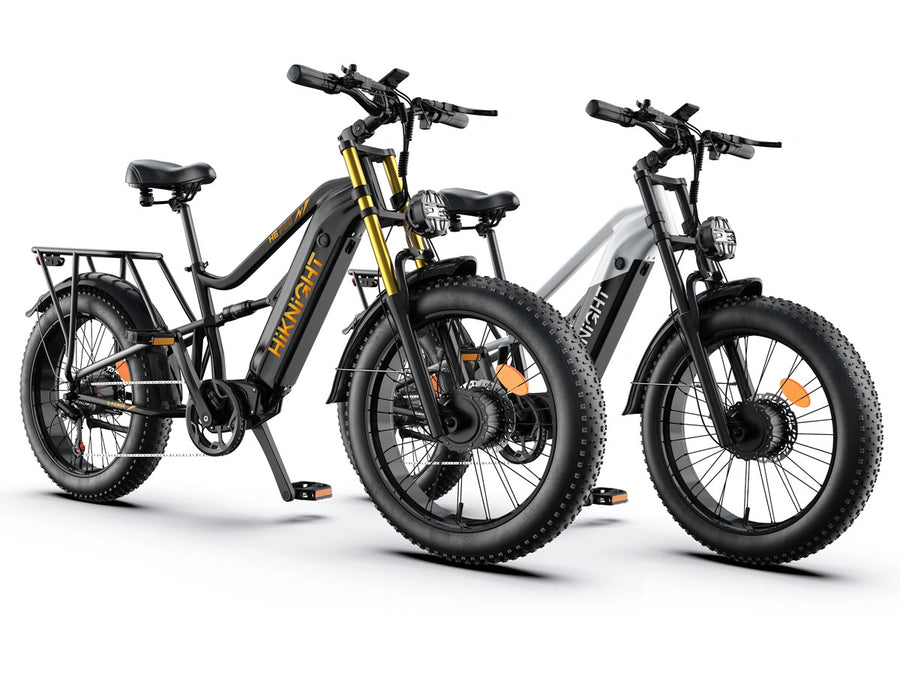
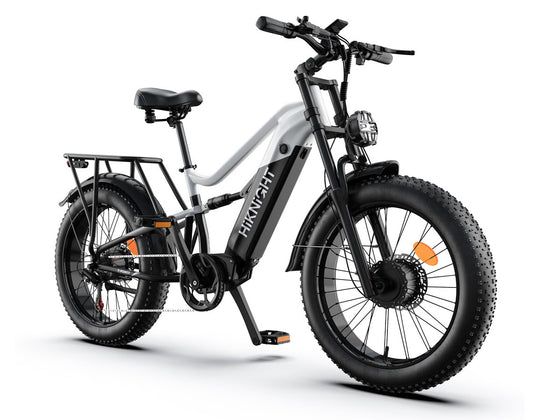
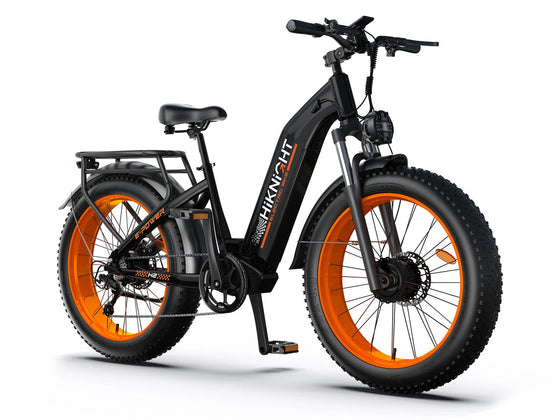
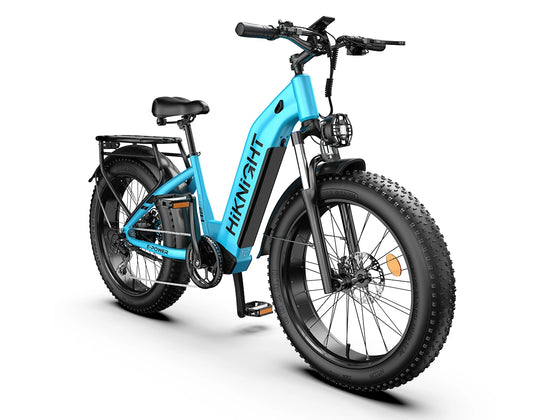
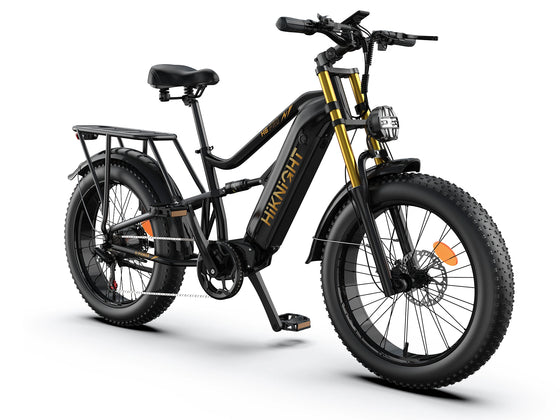
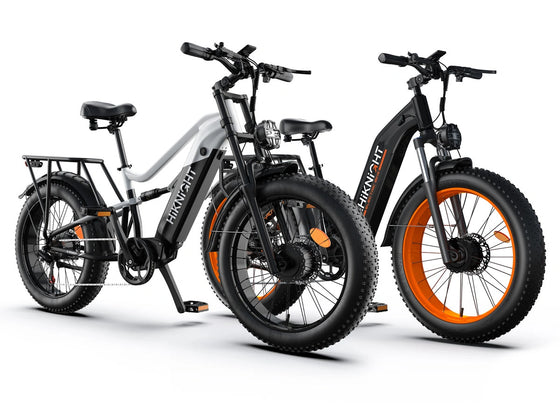
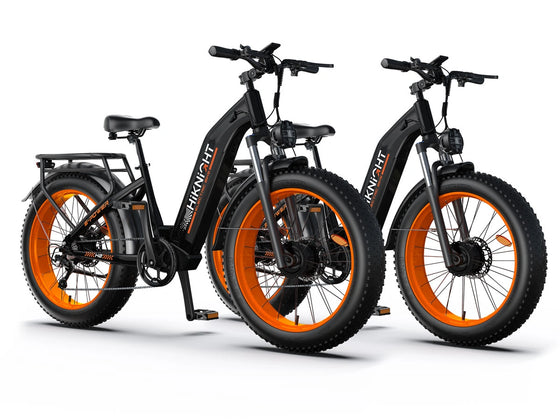
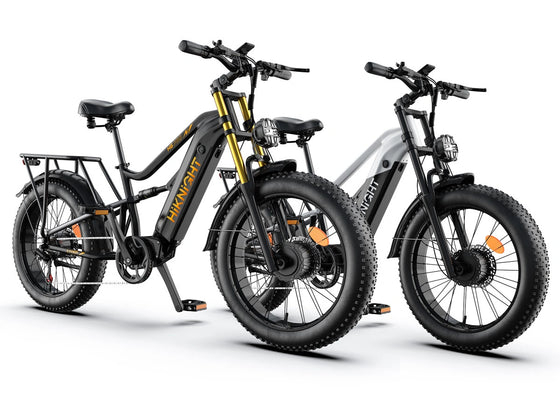
This guide breaks down how full suspension ebikes work, what features actually improve real-world riding, and how modern off-road models compare. Along the way, we’ll also look at practical examples from brands like HiKNiGHT, whose H2 Pro and H6 Pro are designed specifically for high-power, all-terrain riding.
What Is a Full Suspension eBike?
A full suspension ebike uses both front and rear suspension systems to absorb impacts from uneven terrain. The front fork manages bumps from roots, rocks, and drops, while the rear shock smooths out hits from the back wheel.
Compared to hardtail ebikes (front suspension only), full suspension models offer:
- Better traction on loose or uneven surfaces
- Reduced rider fatigue on long rides
- Improved control at higher speeds
- More stability during climbs and descents
For adult riders who regularly encounter rough ground, this translates directly into safer handling and a more enjoyable experience 🚴♂️.
Who Should Choose a Full Suspension Electric Bike?
Full suspension ebikes are ideal for:
- Off-road enthusiasts riding trails, sand, snow, or rocky paths
- Commuters dealing with broken pavement or unmaintained roads
- Adventure riders carrying gear over mixed terrain
- Heavier or taller riders who benefit from extra shock absorption
If most of your riding happens on smooth city streets, a rigid or hardtail ebike may be sufficient. But once terrain becomes unpredictable, rear suspension stops being a luxury and starts becoming a necessity.
Key Features That Actually Matter
Motor Power and Torque
Power defines how confidently your ebike handles hills, sand, and acceleration. Many entry-level full suspension ebikes use mid-range motors suitable for casual riding. Off-road focused models often step up to dual motors or higher wattage systems.
For example, the HiKNiGHT H2 Pro features a dual-motor setup delivering strong torque for climbing and loose surfaces. Its sibling, the H6 Pro, builds on that platform with geometry tuned for more aggressive off-road riding.
When comparing bikes, look beyond top speed. Focus on torque output, controller quality, and how smoothly power is delivered.
Battery Capacity and Real-World Range
Battery size determines how far you can ride before recharging—but terrain, rider weight, speed, and assist level all affect actual range.
Full suspension ebikes built for off-road use typically consume more energy due to higher rolling resistance and frequent acceleration. A larger battery becomes especially important if you plan longer rides or remote adventures.
Suspension Design and Travel
Not all suspension systems behave the same. Look for:
- Adjustable rear shocks
- Quality front forks with adequate travel
- Well-balanced frame geometry
Proper suspension tuning allows the bike to stay planted while preventing excessive bounce. This improves traction and reduces stress on both rider and components.
Fat Tires and Wheel Setup
Many modern off-road ebikes combine full suspension with fat tires. This pairing increases surface contact, helping the bike float over sand, snow, and loose gravel while adding another layer of shock absorption.
Wider tires also improve braking stability and cornering confidence, especially for heavier electric bikes.
Frame Strength and Rider Capacity
Adult-focused full suspension ebikes should use reinforced frames designed to handle higher loads and powerful motors. Check payload ratings and frame materials, particularly if you plan to carry cargo or ride aggressively.
Full Suspension vs Hardtail: A Practical Comparison
Hardtail ebikes cost less and weigh slightly less, making them attractive for beginners. However, once rides extend beyond smooth paths, their limitations become obvious.
Full suspension models shine when:
- Trails become rocky or root-filled
- Descending at speed
- Riding for extended periods
- Maintaining traction on loose terrain
For adult riders prioritizing comfort and control, full suspension usually justifies the higher upfront investment.
Maintenance Considerations
Full suspension ebikes do require more upkeep. Rear shocks and pivot points need periodic inspection, and suspension tuning may require occasional adjustments.
That said, modern designs are far more durable than earlier generations. With basic maintenance, a quality full suspension ebike can deliver years of reliable performance.
Choosing the Right Full Suspension eBike for Your Riding Style
Before purchasing, consider:
- Primary terrain (trail, sand, snow, mixed)
- Desired power level
- Typical ride distance
- Rider height and weight
- Storage and transport needs
If your riding leans toward adventure and off-road exploration, higher-power dual-motor platforms like those used by HiKNiGHT tend to provide better long-term satisfaction than lighter commuter-oriented designs.
The H2 Pro suits riders seeking balanced performance across varied terrain, while the H6 Pro caters to those who prioritize aggressive off-road capability and stability at speed.
Value Beyond the Spec Sheet
Specs tell only part of the story. Geometry, ride feel, component quality, and support ecosystem all influence ownership experience.
Brands that focus specifically on off-road ebikes often build frames, suspension layouts, and drivetrains around real-world riding rather than generic templates. This results in bikes that feel more cohesive on challenging terrain.
Exploring options directly from manufacturers like HiKNiGHT also allows riders to compare configurations more transparently an
Share:
Cheapest SurRon: What Teen Riders Should Really Know Before Choosing an Electric Dirt Bike
Long Range Electric Bike: How to Choose the Right One for Real-World Riding