

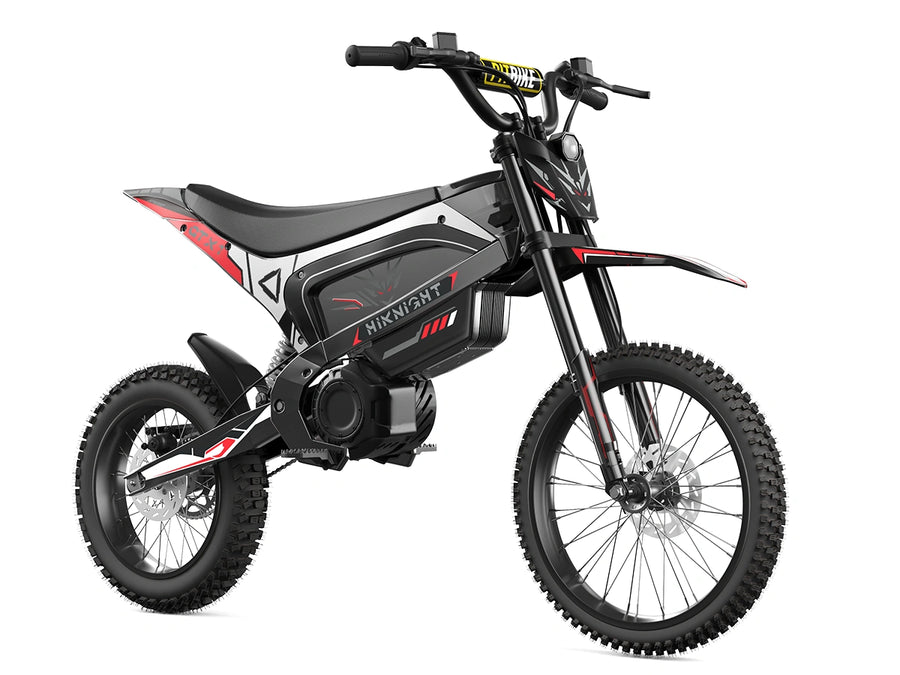
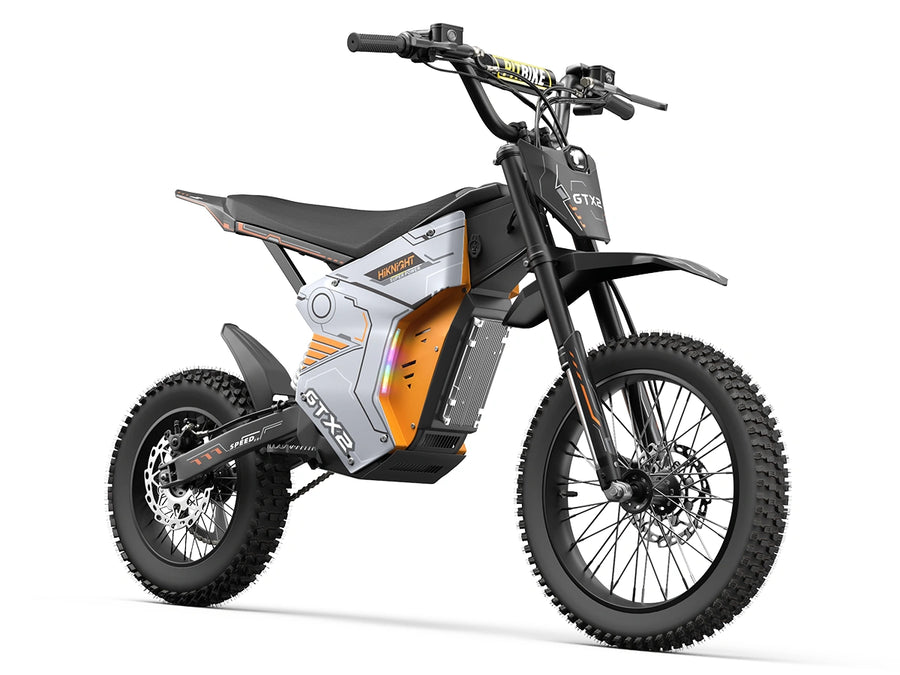

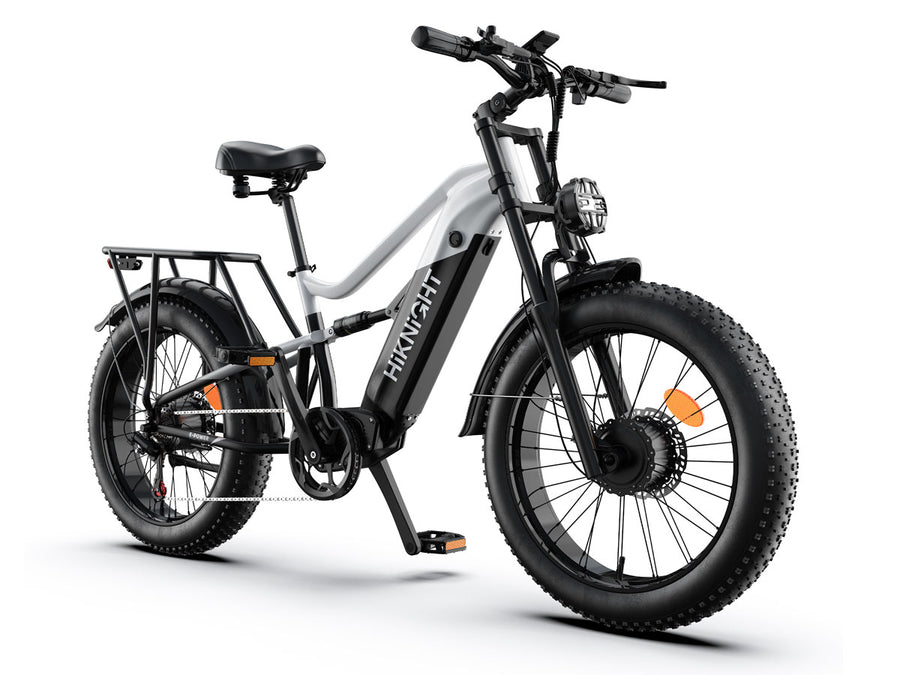
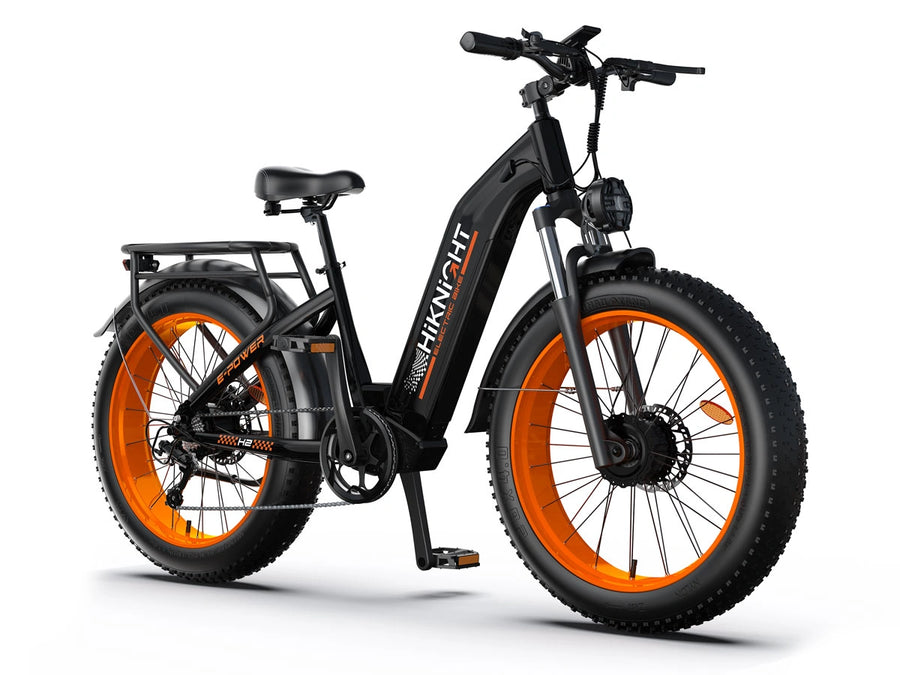

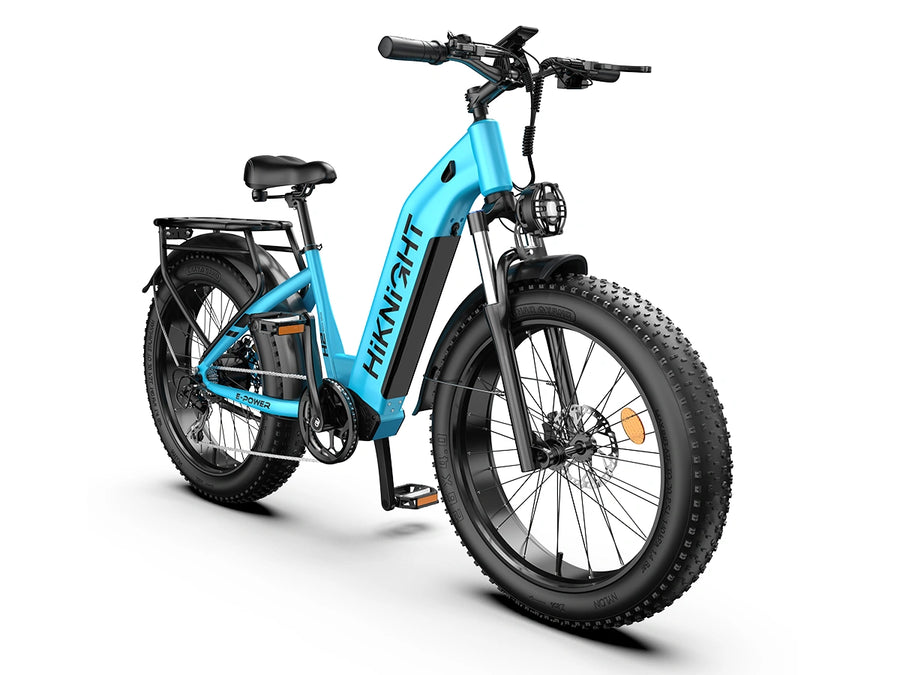

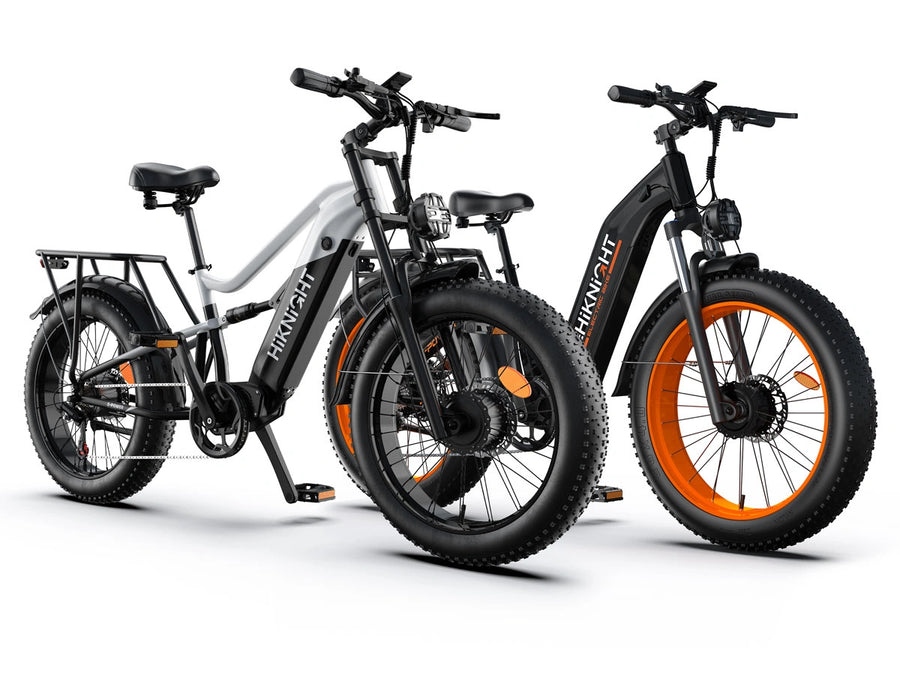
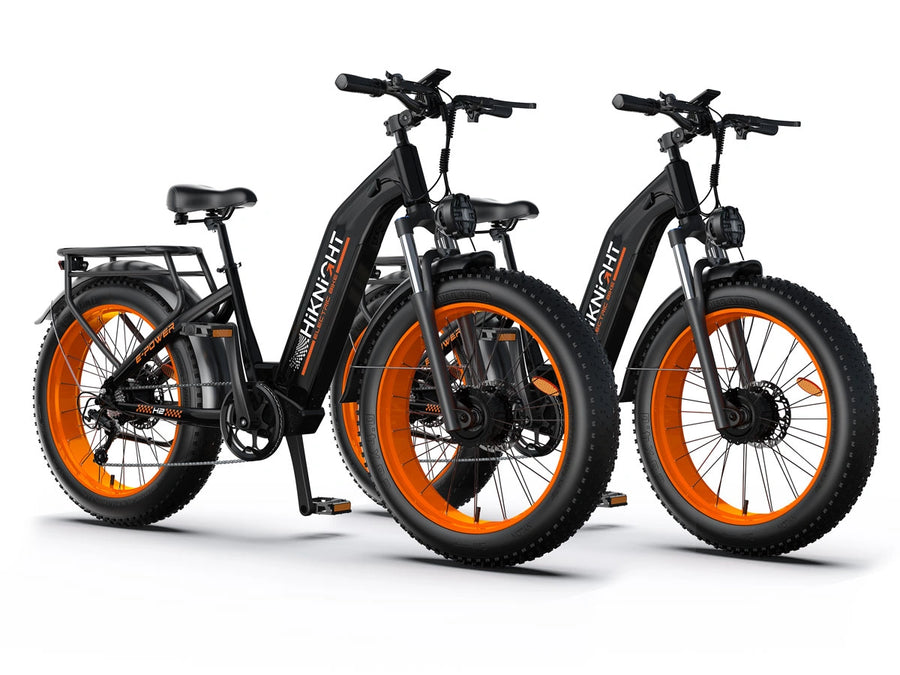
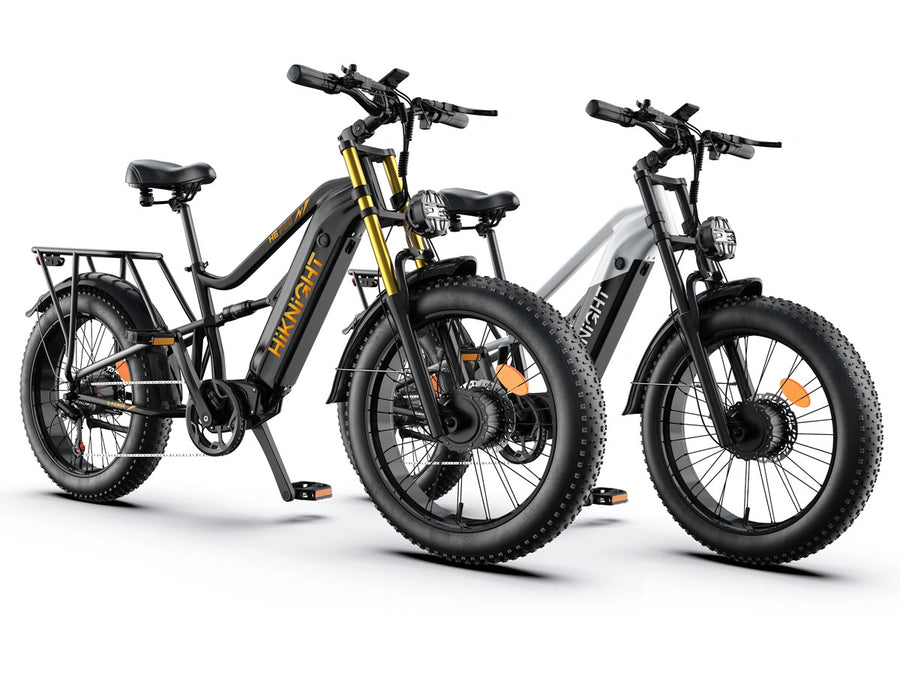

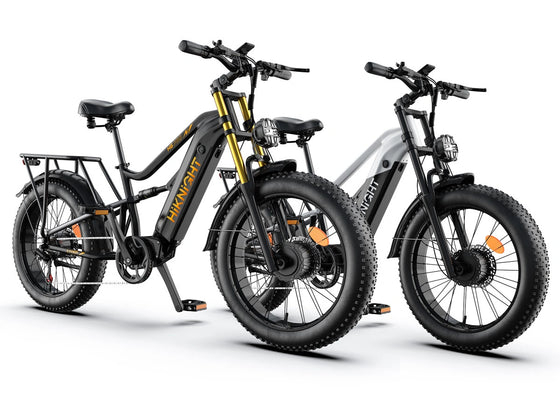
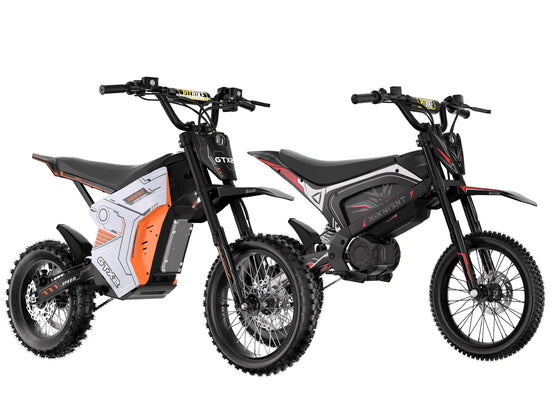
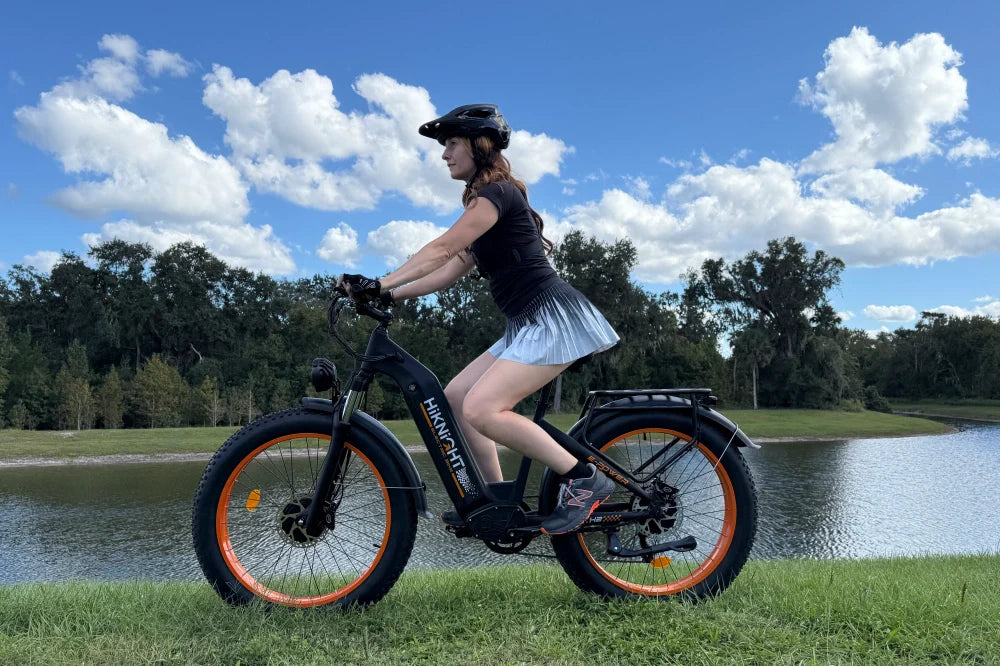
For decades, the mountain bike was the default tool for off-road exploration. Today, the off road electric bike has changed that assumption—and forced many adult riders to rethink what “trail riding” should feel like.
The choice between an off road electric bike and a traditional mountain bike is no longer about skill or toughness. It’s about access, sustainability, and how you want to experience the terrain.
This article breaks down the real differences between the two—not in theory, but in daily riding reality.
Physical Effort: Output vs Sustainability
Mountain biking rewards physical output. Climbs demand endurance, and long rides require careful energy management. For younger or highly trained riders, this challenge is part of the appeal.
For many adult riders, however, physical effort becomes the limiting factor. Time constraints, recovery speed, and joint stress all affect how often—and how long—you can ride.
An off road electric bike changes this equation. Electric assistance doesn’t remove effort, but it redistributes it. Riders can climb longer hills, ride further, and recover faster between sessions.
This difference often determines whether riding becomes an occasional activity or a consistent habit.
Terrain Access: What You Can Actually Ride
Mountain bikes excel on technical trails, but access is often constrained by fitness. Steep climbs or loose terrain can become bottlenecks that cut rides short.
Off road electric bikes extend usable terrain. Hills that once marked turnaround points become gateways to new routes. Riders explore farther without worrying about whether they can make it back.
This expansion of access is one of the most overlooked advantages of electric off-road riding.
Descending Control and Stability
Descending is where many riders assume mountain bikes dominate. Lightweight frames and suspension geometry are optimized for technical downhill control.
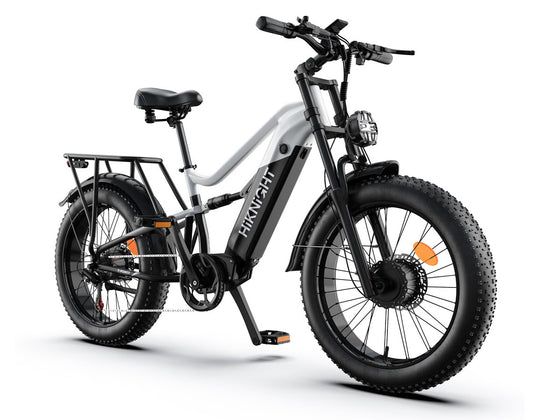
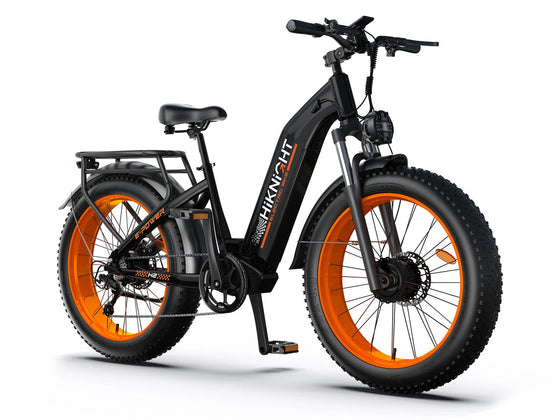
However, fat-tire off road electric bikes offer a different kind of stability. Wider tires increase surface contact and reduce sudden loss of traction, especially on loose gravel or sand.
For riders prioritizing confidence over aggressive speed, this stability often feels more forgiving and predictable.
Skill Curve and Mental Load
Mountain biking demands constant attention. Line choice, cadence, and body positioning all require active decision-making.
Off road electric bikes reduce mental load. Assistance smooths mistakes, allowing riders to focus on the environment rather than constant physical correction.
This doesn’t eliminate skill—but it lowers the entry barrier, especially for riders returning to off-road cycling after years away.
Maintenance and Long-Term Ownership
Traditional mountain bikes are mechanically simpler. Fewer electronics mean fewer failure points and lower service complexity.
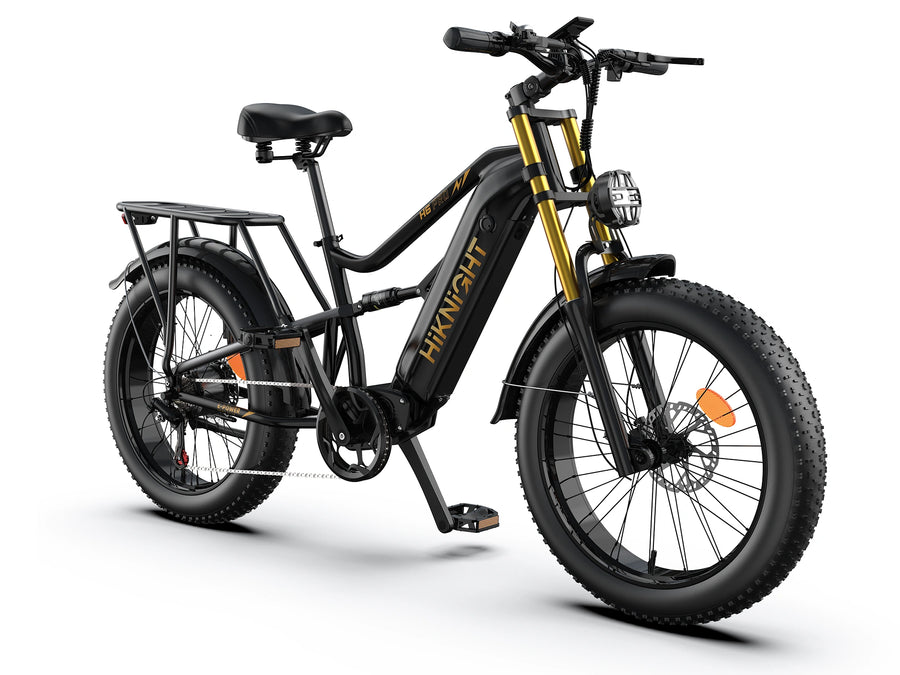
Off road electric bikes introduce motors, controllers, and batteries. Quality engineering becomes critical. Well-designed systems, such as those used by HiKNiGHT, prioritize durability and thermal management to support long-term off-road use.
The difference lies not in the concept, but in execution.
Which One Is Right for You?
Choose a mountain bike if:
- You enjoy physical challenge as the primary goal
- You ride short, technical trails
- You prioritize lightweight handling
Choose an off road electric bike if:
- You want longer, more frequent rides
- You value access over exhaustion
- You ride mixed or unpredictable terrain
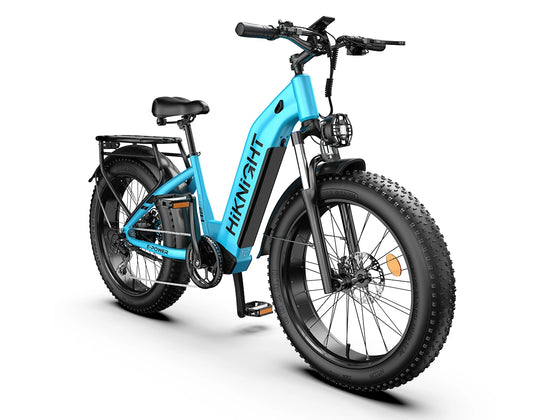
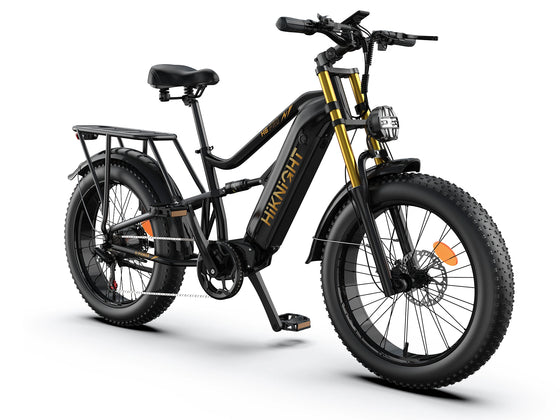
For many adult riders, models like the HiKNiGHT H6 Pro strike a balance between capability and control.
Final Thoughts
The debate isn’t about which bike is “better.” It’s about which one keeps you riding.
For adults seeking consistency, exploration, and sustainability, the off road electric bike often proves to be the more realistic long-term choice 🚵♂️.
Share:
Who Should Buy a Dual Motor eBike? Rider Profiles & Real-World Use Cases
Fat Tire eBikes Explained: Why Serious Riders Are Quietly Switching