





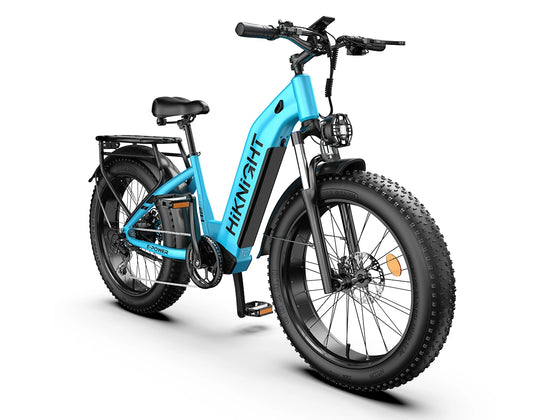
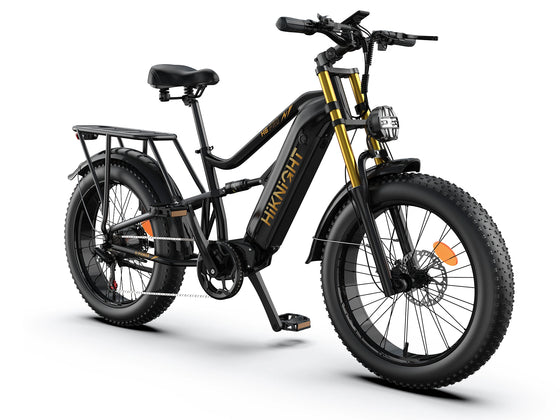
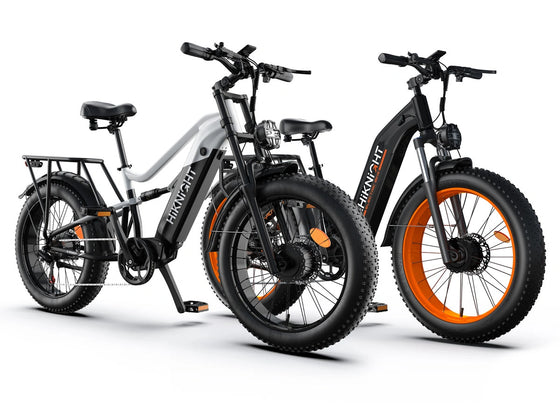
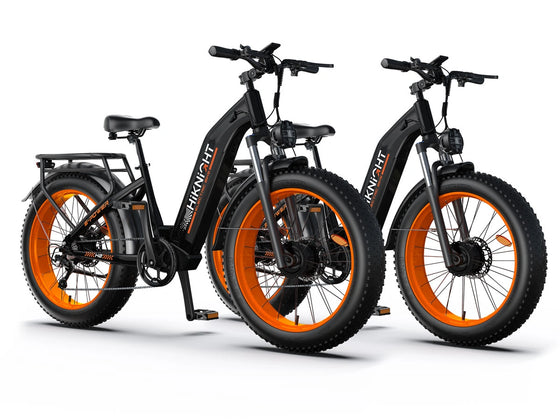
The term waterproof ebike is everywhere—on product pages, in reviews, and across comparison charts. Yet despite its popularity, it is often misunderstood. Some riders assume it simply means riding in the rain without concern. Others believe it allows full water submersion with no consequences.
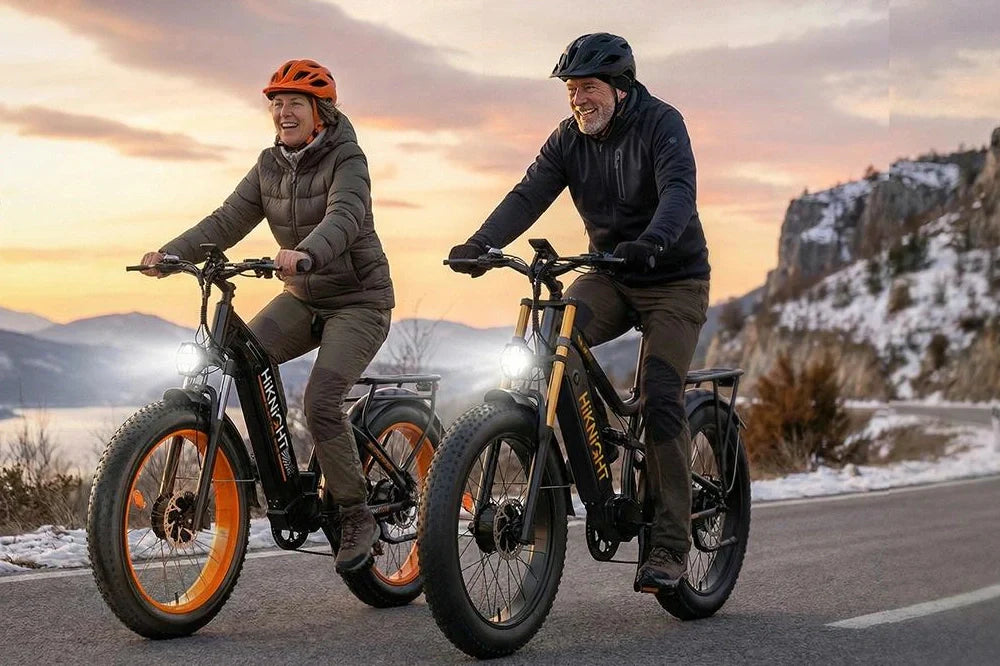
In reality, a waterproof ebike is not designed for extreme scenarios. It is engineered for real-world riding conditions: unexpected rain, wet pavement, melting snow, muddy trails, and daily exposure to moisture. These are the environments that truly test an electric bike 🚲.
At HiKNiGHT, waterproof performance is treated as a functional design requirement rather than a marketing label—especially for high-power, all-terrain electric bikes.
Why Waterproofing Matters More Than You Think
Unlike traditional bicycles, electric bikes rely on integrated electronic systems. Moisture does not just affect comfort—it directly impacts reliability, safety, and long-term durability.
Repeated exposure to water can lead to:
- Electrical instability or short circuits
- Internal motor corrosion
- Battery connector degradation
- Display or control malfunctions
Many of these issues develop gradually rather than immediately, which is why proper waterproof design is essential for long-term ownership.
Understanding IP Ratings Without the Technical Overload
Most waterproof ebike claims are based on Ingress Protection (IP) ratings, an international standard used to measure resistance to dust and water.
An IP rating typically consists of two digits:
- The first digit indicates dust protection
- The second digit indicates water resistance
If an “X” appears, it means that category was not specifically tested.
Common water resistance ratings for electric bikes include:
- IPX4: Protection against splashing water and light rain
- IPX5: Resistance to heavier rain and low-pressure water jets
- IPX6: Suitable for off-road conditions, mud, and aggressive weather
- IPX7: Temporary water immersion under controlled conditions
For everyday riders, IPX5 and above represents a practical level of waterproof reliability.
What a Waterproof Ebike Is Designed to Handle—and What It Is Not
A well-designed waterproof ebike is built to withstand:
- Long rides in heavy rain
- Wet urban streets and puddles
- Snow, slush, and winter moisture
- Muddy or damp off-road terrain
However, waterproof does not mean:
- Prolonged submersion in water
- High-pressure washing of electronic components
- Riding through deep or fast-moving water
Water resistance reduces risk—it does not eliminate responsibility.
Key Components That Define Real Waterproof Performance
True waterproof performance depends on system-level design, not a single feature.
Motor System
The motor sits closest to the ground and faces constant exposure to spray, dirt, and debris. Proper sealing ensures consistent output and long-term durability.
Battery Housing
Battery enclosures must prevent water intrusion while safely managing heat. Poor sealing can lead to permanent damage.
Controller
The controller acts as the brain of the ebike. Moisture here can result in unpredictable power delivery or sudden shutdowns.
Wiring and Connectors
Sealed connectors and protected cable entry points are critical. Many water-related failures originate from these areas.
Display and Controls
A waterproof ebike must remain fully functional in wet conditions, including throttle response and screen visibility.
Why High-Power Ebikes Demand Better Waterproofing
As motor output increases, so does reliance on precise electronic control. High-performance ebikes generate more heat and operate under greater electrical load, making waterproofing even more critical.
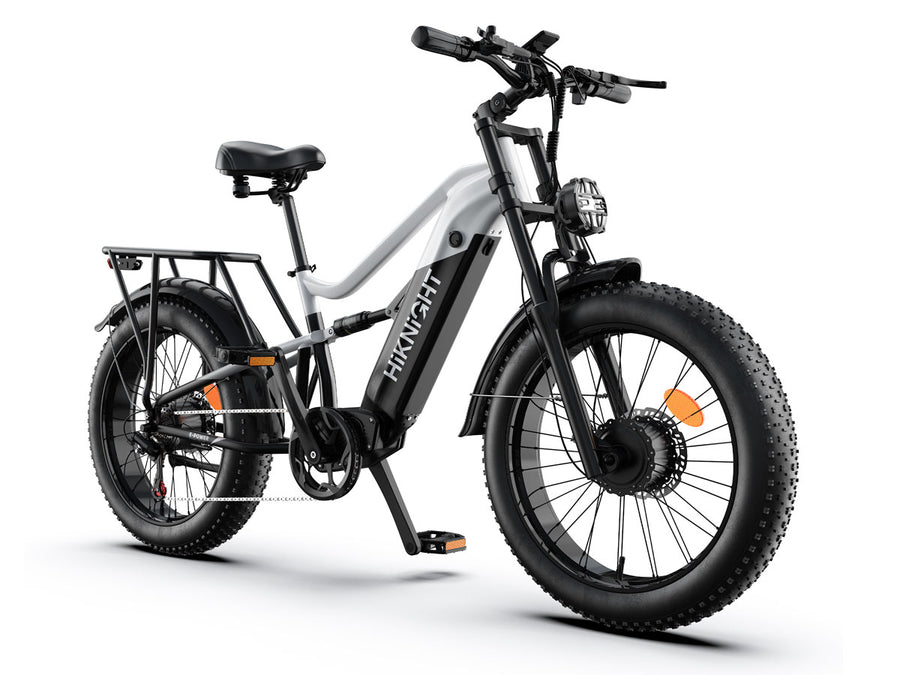
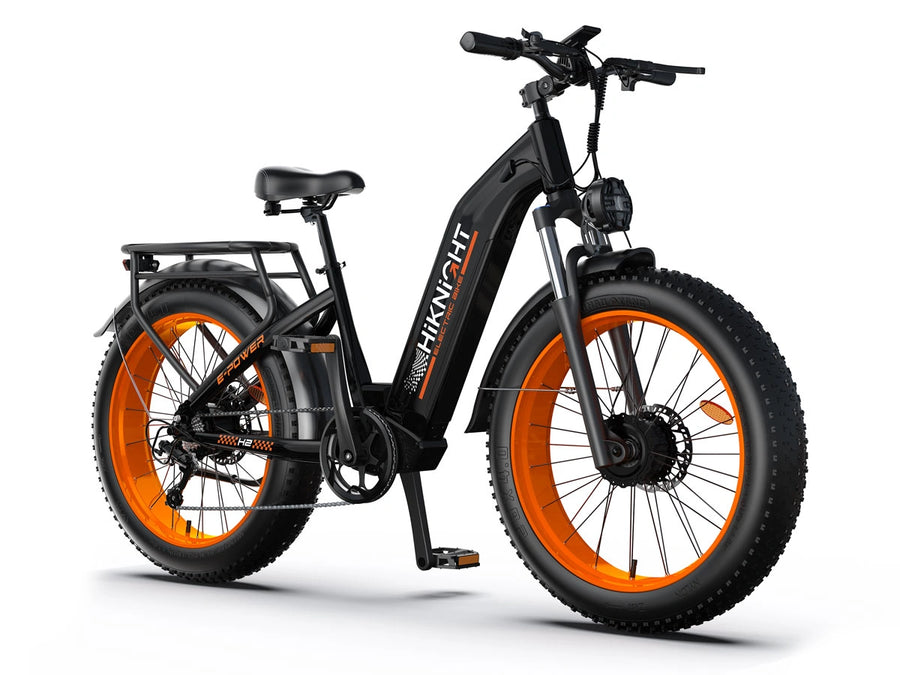
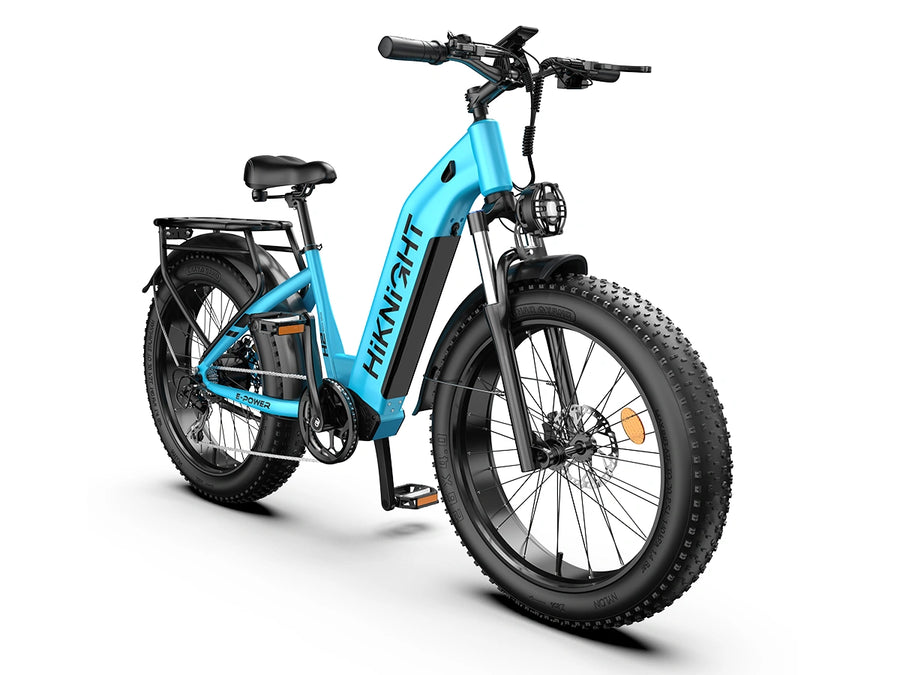
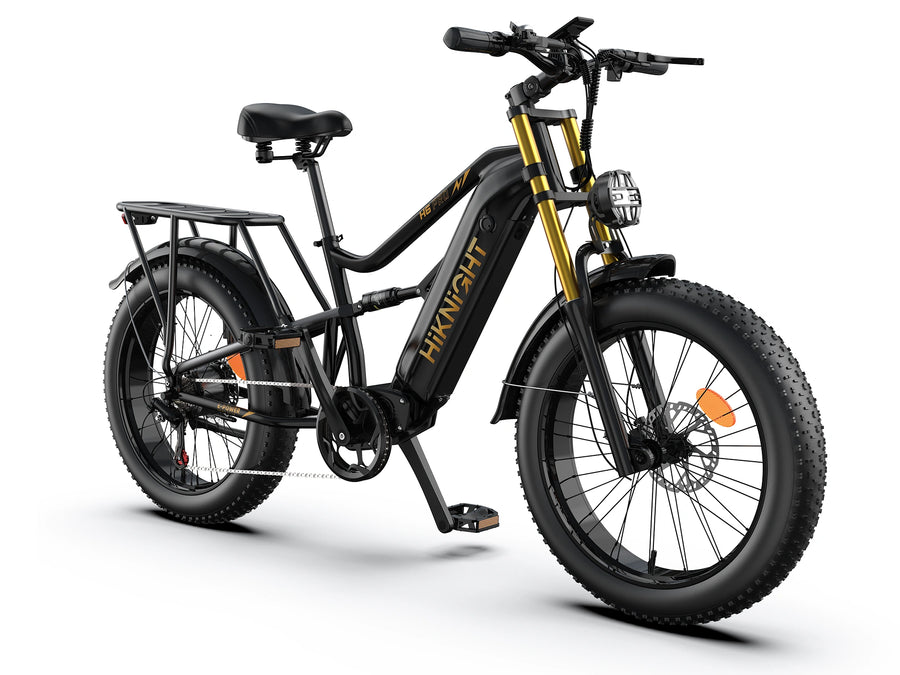
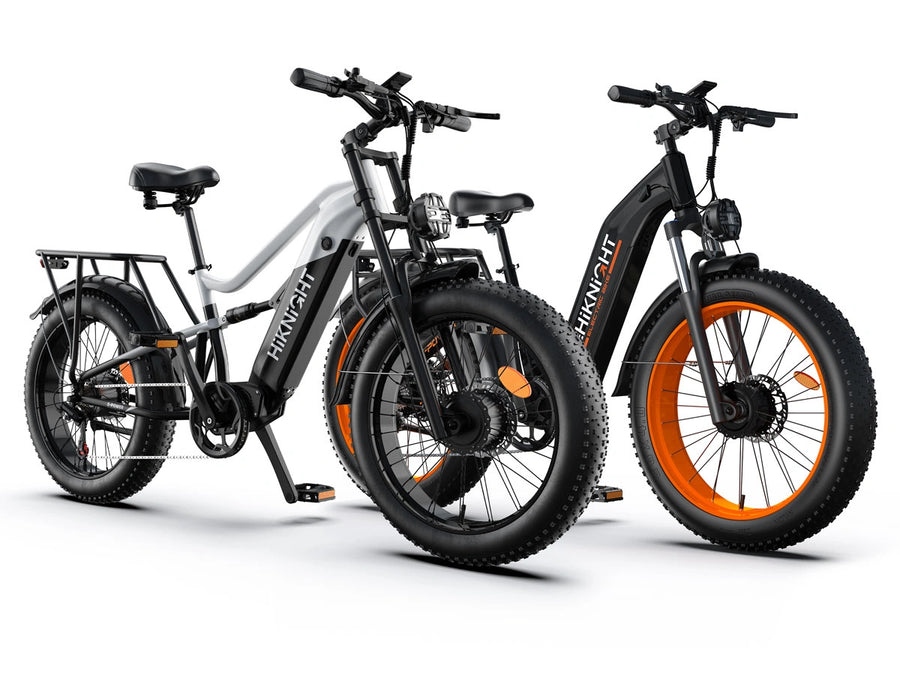
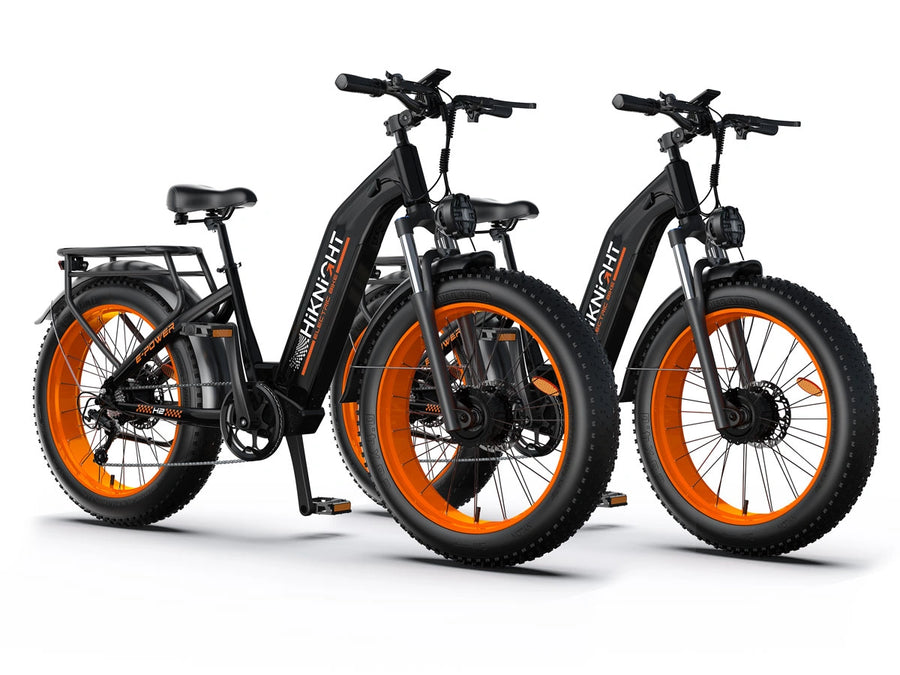
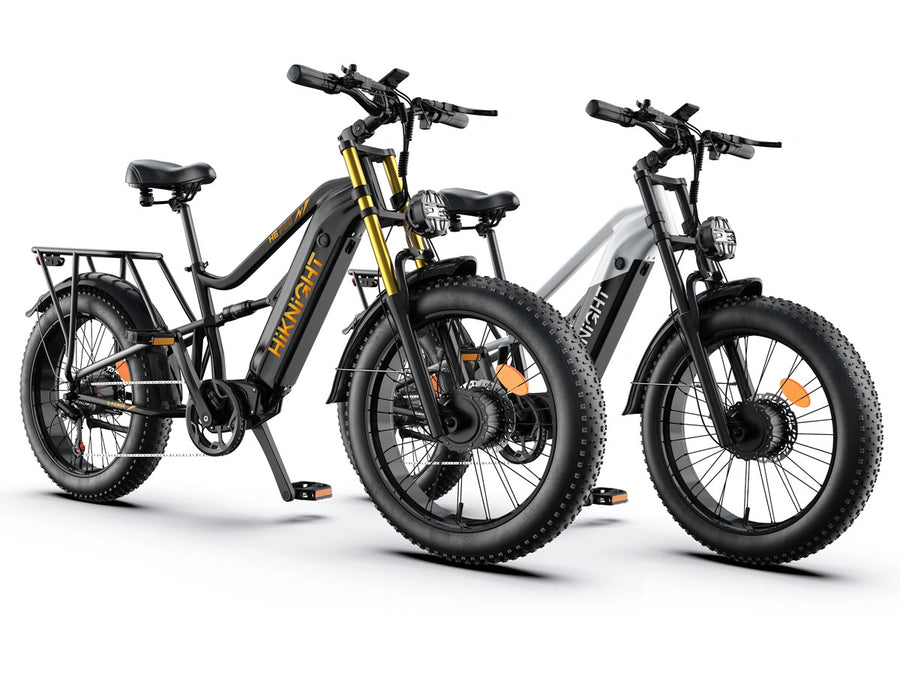
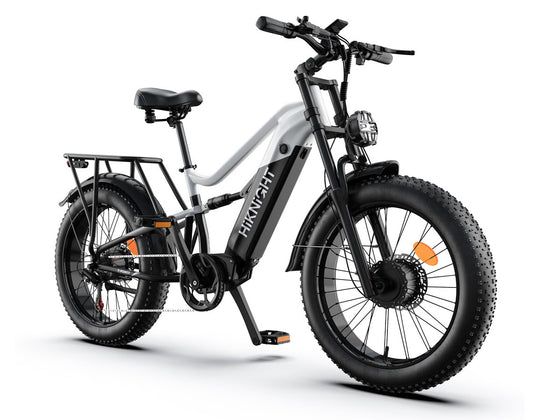
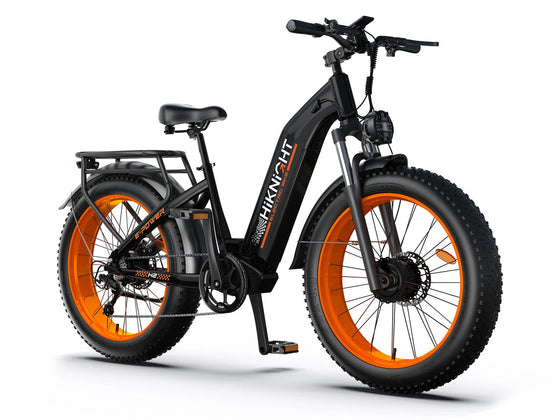
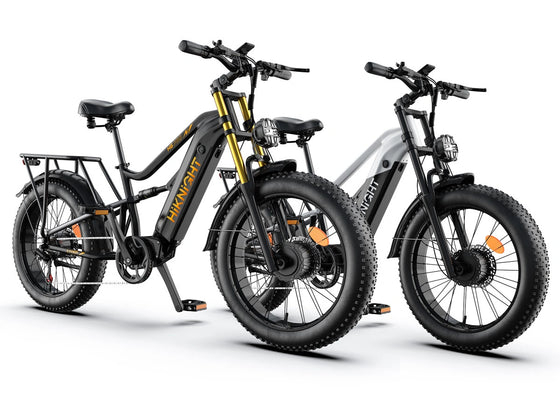
This is particularly important for dual-motor systems. Bikes such as the HiKNiGHT H2 Pro and H6 Pro are designed for riders who expect stable performance across changing terrain and unpredictable weather.
In these scenarios, waterproofing is not optional—it is foundational.
Best Practices for Riding a Waterproof Ebike in the Rain
Even with strong water resistance, proper usage habits make a difference:
- Avoid riding through deep standing water
- Dry the bike after extended wet rides
- Check charging ports before connecting power
- Store the bike in a dry, ventilated space
These habits help preserve waterproof integrity over time.
Maintaining Waterproof Performance Long Term
Waterproof protection is not permanent without maintenance. Over time, seals may wear and connectors may loosen.
To extend lifespan:
- Inspect seals and cable entries periodically
- Avoid high-pressure cleaning
- Allow components to dry before charging
- Address minor issues early
Choosing the Right Waterproof Ebike for Your Riding Style
Not every rider needs maximum waterproofing. Consider:
- Do you ride year-round?
- Do you encounter rain, snow, or off-road terrain?
- Do you prioritize power, stability, or versatility?
If your riding extends beyond clear-weather commuting, a reliable waterproof ebike becomes a long-term investment rather than a convenience.
Ride Without Weather Anxiety
A true waterproof ebike offers confidence—the confidence to ride when conditions are imperfect and trust that performance will remain consistent over time.
To celebrate the season, HiKNiGHT is currently running a Christmas Sale with savings of up to $950, plus a free Christmas gift package. Learn more here: Christmas Sale Event 🎄
If you are looking for powerful, all-terrain performance combined with dependable waterproof protection, the H2 Pro and H6 Pro are built for real-world riding—no matter the season.
Share:
Beginner Electric Dirt Bike Guide — How to Choose and Ride Your First Electric Off-Road Bike
The Rise of the Electric Motor Bike for Kids: Why Lighter, Smarter Riding Matters More Than Ever