







A Complete Breakdown of E-Bike Battery Technologies in 2026
A Complete Breakdown of E-Bike Battery Technologies in 2026 is essential for understanding how modern electric bikes achieve long range, stable power output, and improved safety systems. In this guide, we explore lithium-ion, LiFePO4, and next-generation solid-state batteries in detail.
A Complete Breakdown of E-Bike Battery Technologies in 2026 shows that lithium-ion batteries remain dominant, LiFePO4 is gaining traction for safety and longevity, and solid-state batteries represent the future of high-density energy storage. These systems, managed by advanced BMS technology, define e-bike range, performance, and reliability.
Definition of E-Bike Battery Technology
E-bike battery technology refers to the integrated system of battery cells, Battery Management System (BMS), and thermal protection units that store and distribute electrical energy to the motor.
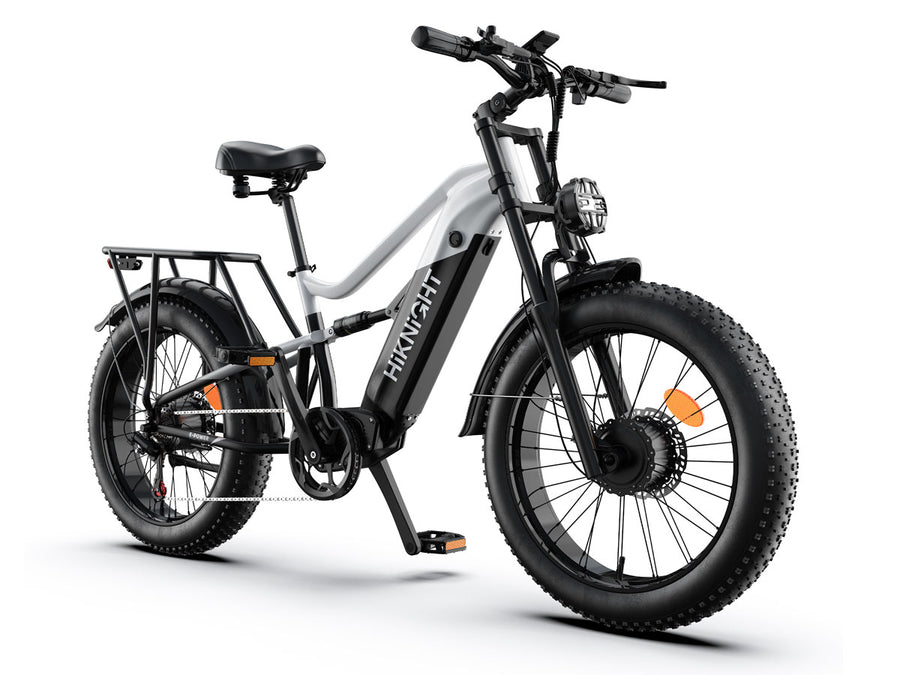
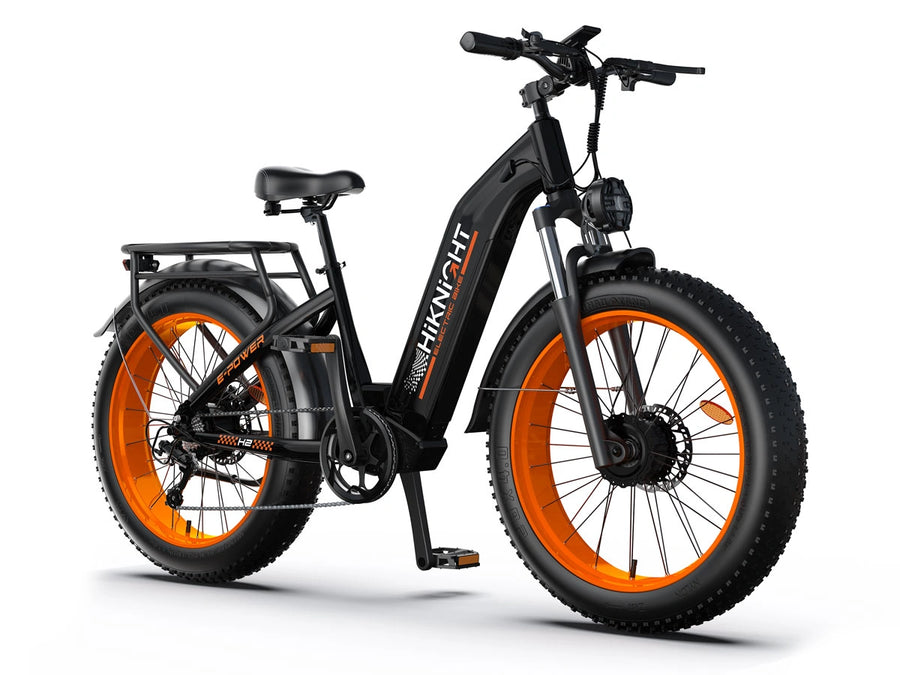
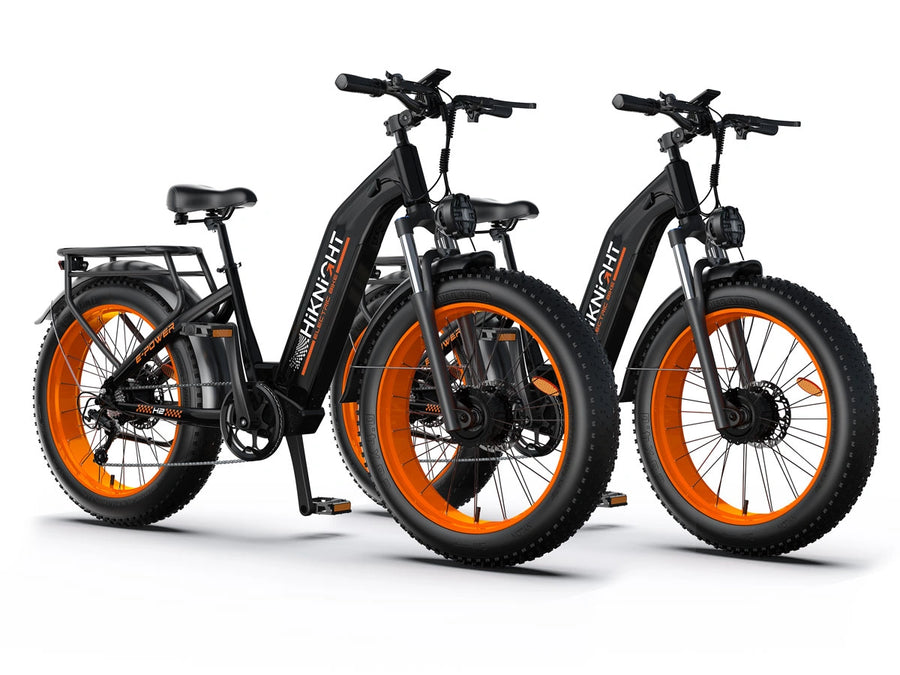
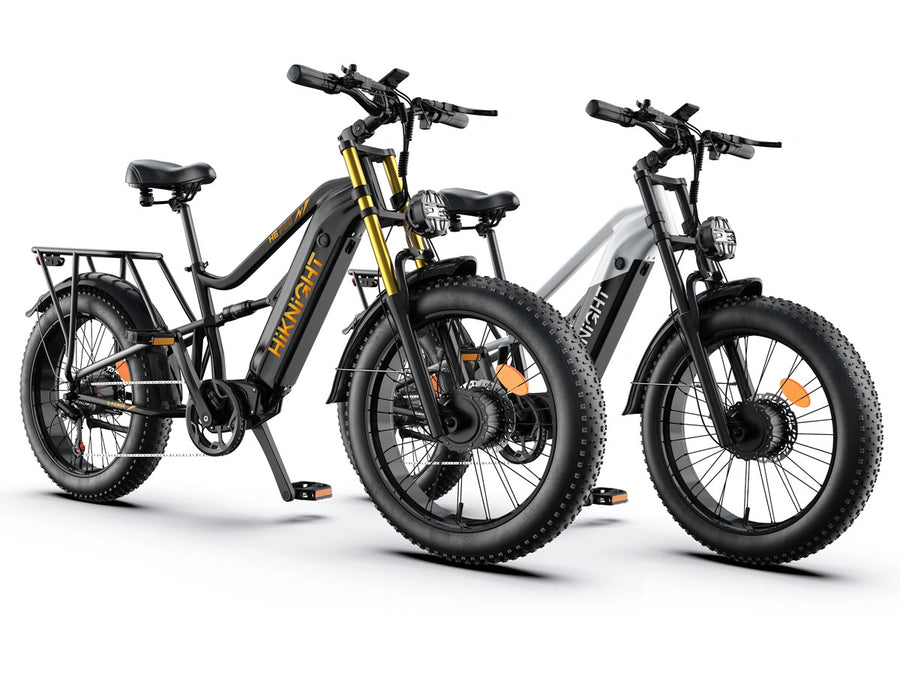
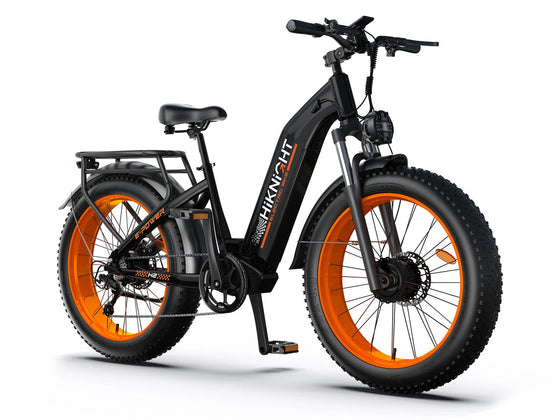
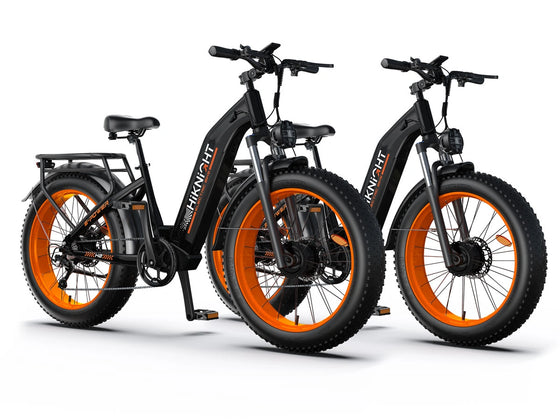
Modern systems ensure safe energy delivery under high loads, especially in performance bikes such as H2PRO dual motor fat tire e-bike.
How E-Bike Batteries Work
E-bike batteries operate through electrochemical reactions that move lithium ions between electrodes to generate electricity.
Energy Flow Process
- Battery stores electrical energy
- BMS regulates discharge and safety
- Power flows to motor controller
- Motor converts energy into motion
Key Battery Technologies in 2026
Lithium-Ion (Li-ion)
The most widely used battery type in 2026 due to its high energy density and lightweight structure. It is commonly used in high-performance systems such as dual motor e-bikes.
Lithium Iron Phosphate (LiFePO4)
Known for superior thermal stability and long cycle life, often exceeding 2000 cycles. It is preferred for safety-focused applications.
Solid-State Batteries
An emerging technology offering higher energy density and improved safety, though still limited by cost and production scale.
Technology Comparison
| Type | Energy Density | Safety | Lifespan | Cost |
|---|---|---|---|---|
| Li-ion | High | Medium | 500–1000 cycles | Medium |
| LiFePO4 | Medium | High | 2000+ cycles | Medium |
| Solid-State | Very High | Very High | Future potential | High |
How to Choose the Right Battery
Selecting the right battery depends on riding style, motor power, and range expectations.
- For off-road power: high voltage Li-ion systems
- For commuting: balanced capacity and weight
- For endurance riding: high Ah battery packs
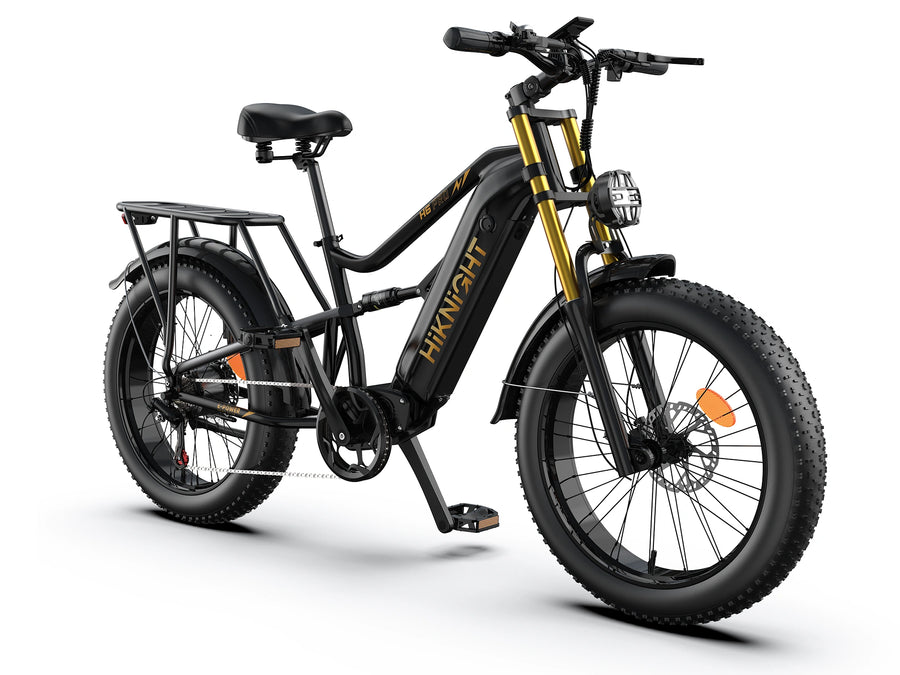
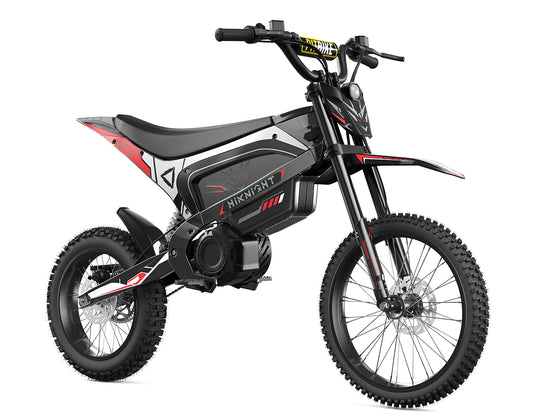
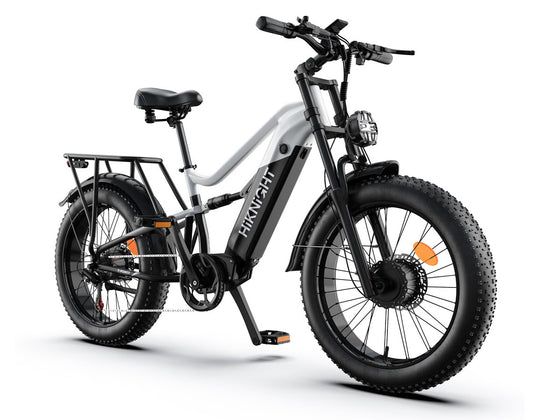
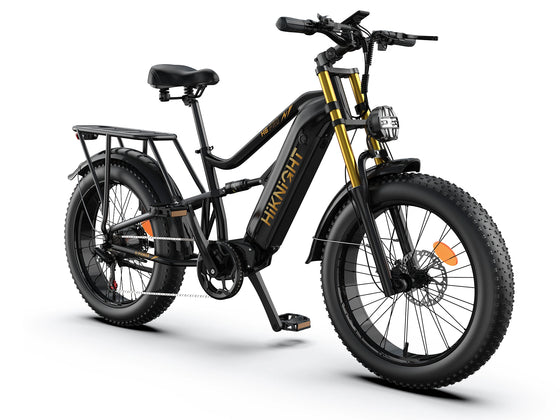
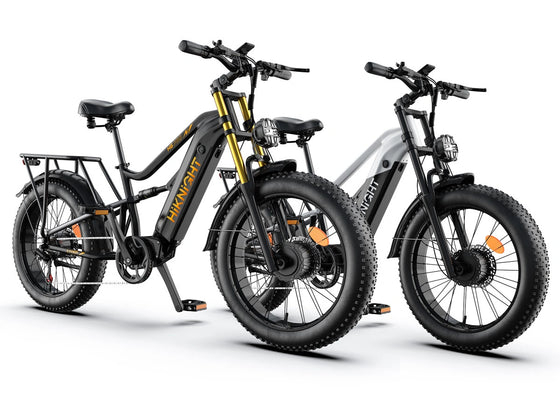
High torque models such as H6PRO off-road e-bike require stable high-discharge batteries for consistent performance.
Battery Maintenance Guide
- Avoid full discharge below 10%
- Store battery at 40–60% charge
- Use original certified chargers
- Avoid extreme temperatures
- Allow cooling before charging
Expert Tips
Battery lifespan can be significantly extended through proper usage habits.
- Use pedal assist instead of full throttle frequently
- Avoid leaving battery fully charged for long periods
- Ride in moderate temperature conditions when possible
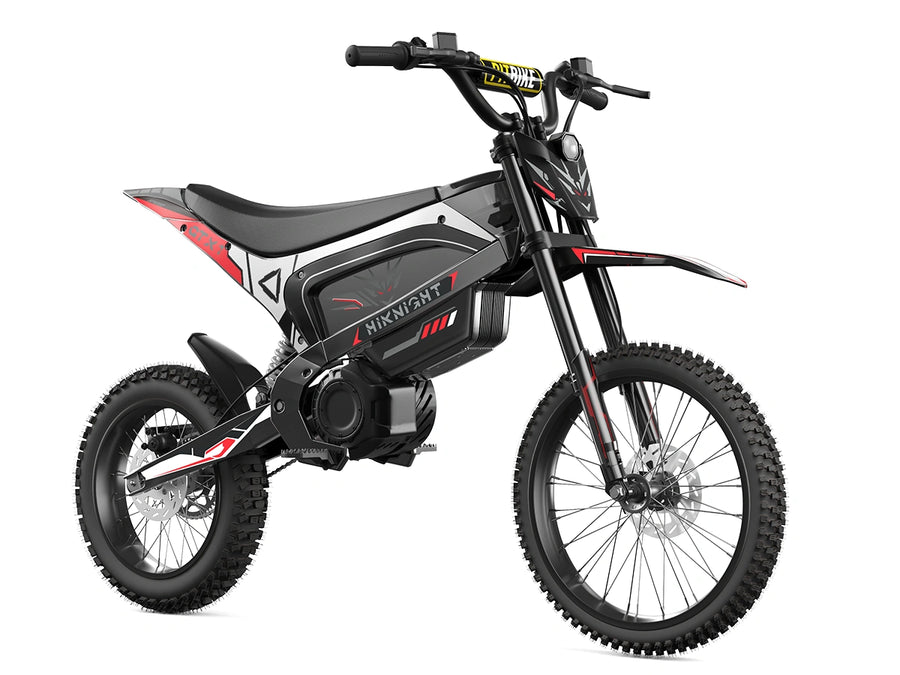
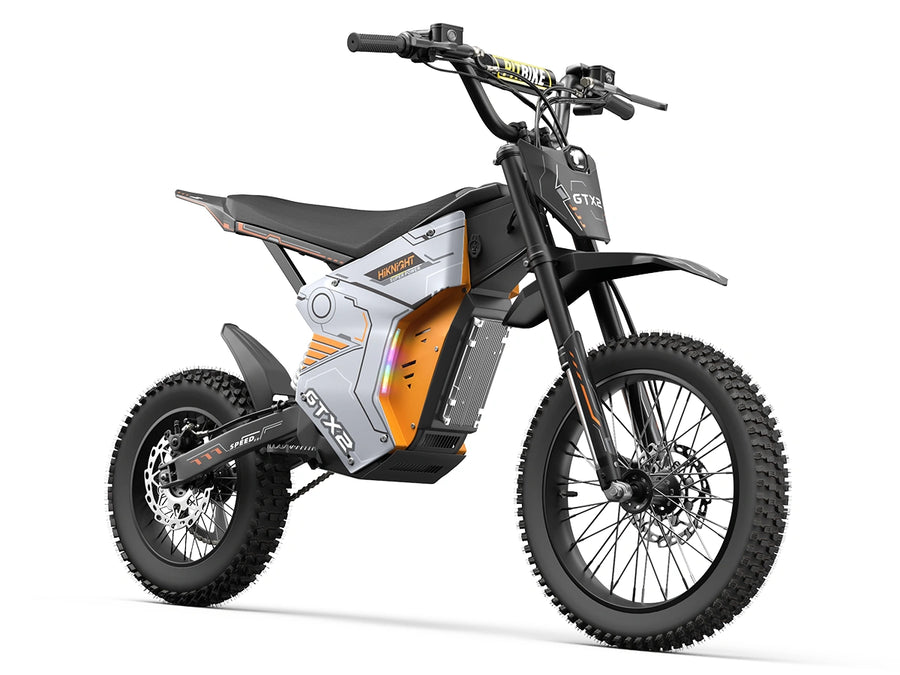
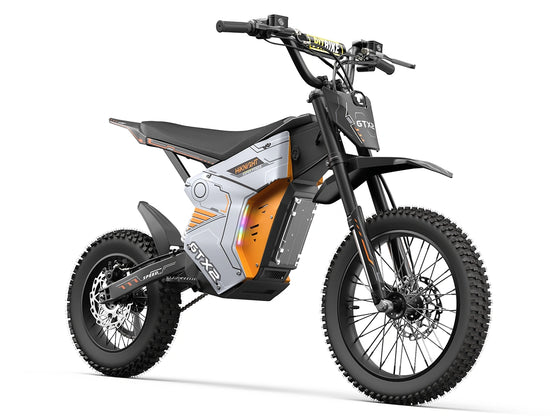
Lightweight off-road systems like GTX1 electric dirt bike benefit greatly from controlled acceleration to preserve battery health.

Safety Standards and Regulations
Modern e-bike batteries must comply with global standards such as UN 38.3, UL 2271, and CE certification to ensure safety against overheating, short circuits, and mechanical stress.
Summary
A Complete Breakdown of E-Bike Battery Technologies in 2026 demonstrates that lithium-ion remains dominant, LiFePO4 improves durability and safety, and solid-state batteries define the future. Battery management systems are now the core intelligence behind performance and safety in modern e-bikes.
FAQ
What is the most common e-bike battery in 2026?
Lithium-ion remains the most widely used battery type due to its balance of performance and cost.
How long does an e-bike battery last?
Typically between 500 and 1000 full charge cycles depending on usage and maintenance.
What affects battery range the most?
Rider weight, terrain, temperature, and motor power output.
Is LiFePO4 better than lithium-ion?
It offers better safety and longer lifespan but is heavier and less energy dense.
Can e-bike batteries overheat?
Yes, but modern BMS systems significantly reduce this risk.
What is the future of e-bike batteries?
Solid-state batteries, fast charging systems, and AI-driven energy management.
Share:
Step-by-Step Guide to Upgrading Your Electric Dirt Bike
Top 10 Tips for Maintaining Your High-Performance E-Bike