



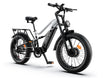
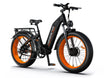
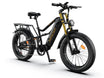
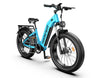
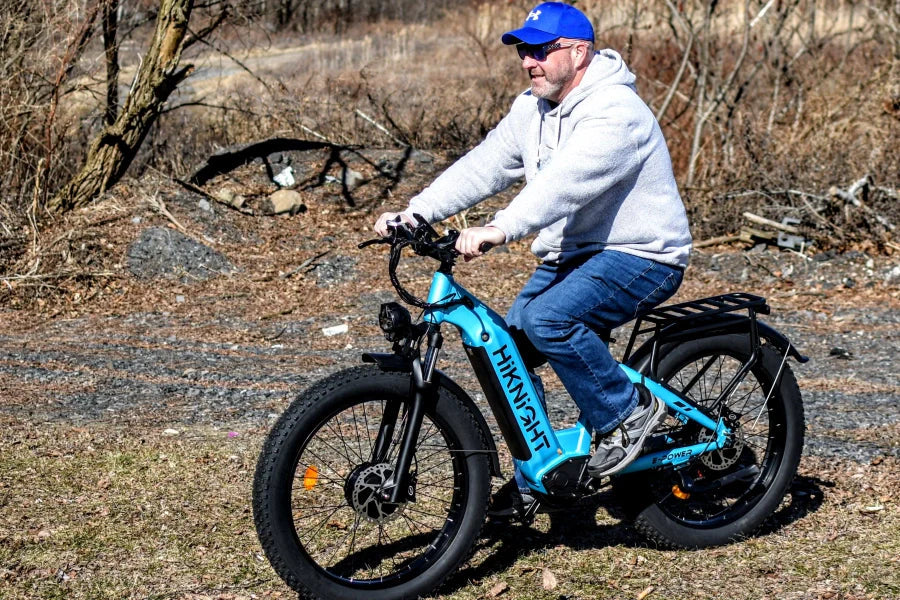
Top 10 Tips for Maintaining Your High-Performance E-Bike
This comprehensive guide explains Top 10 Tips for Maintaining Your High-Performance E-Bike, covering battery care, braking systems, drivetrain maintenance, cleaning methods, and expert-level maintenance strategies to improve safety, efficiency, and long-term durability of high-performance electric bikes.
Definition of E-Bike Maintenance
E-bike maintenance refers to the systematic process of inspecting, cleaning, lubricating, and servicing both mechanical and electrical components of an electric bicycle. It includes drivetrain care, battery health management, motor protection, and electronic system diagnostics. Unlike traditional bicycles, high-performance e-bikes combine mechanical and electrical systems that require integrated maintenance practices.
Why Maintenance Matters
High-performance e-bikes operate under higher torque, speed, and electrical load conditions. Without proper maintenance, riders may experience reduced battery efficiency, motor overheating, brake wear, and drivetrain failure. Regular maintenance ensures safety compliance with global standards such as EN 15194 for electrically assisted bicycles in Europe.
Top 10 Tips for Maintaining Your High-Performance E-Bike
1. Maintain Optimal Battery Charging Habits
Avoid full discharge and long-term 100% storage. Keep battery levels between 20% and 80% to maximize lithium-ion lifespan.
2. Monitor Tire Pressure Regularly
Proper tire inflation improves range efficiency, grip, and puncture resistance. Check weekly based on manufacturer specifications.
3. Inspect Brake Systems Frequently
Hydraulic or mechanical disc brakes must be checked for pad wear, fluid condition, and rotor alignment to ensure safe stopping distances.
4. Avoid High-Pressure Water Cleaning
High-pressure water can damage motor seals and electronic components. Use damp cloth cleaning instead.
5. Lubricate Chain and Drivetrain
Apply e-bike-specific lubricant every 200–300 km to reduce friction and prevent premature wear.
6. Check Electrical Connections
Inspect wiring harnesses and connectors for looseness, corrosion, or moisture intrusion.
7. Tighten Bolts and Structural Parts
Vibration from high-speed riding may loosen bolts. Perform monthly torque checks.
8. Monitor Display and Control Systems
Ensure speed display, assist modes, and sensors function correctly for accurate riding feedback.
9. Store in Proper Environmental Conditions
Avoid extreme heat, cold, and humidity. Ideal storage temperature is 10°C–25°C in a dry environment.
10. Perform Semi-Annual Professional Inspection
A full diagnostic check of motor, battery health, and braking system should be performed every 6 months.
Step-by-Step Maintenance Guide
Step 1: Pre-Ride Inspection
Check tires, brakes, and battery level before every ride.
Step 2: Post-Ride Cleaning
Remove dirt and debris using a soft cloth without soaking electrical parts.
Step 3: Weekly Check
Inspect bolts, tire pressure, and brake responsiveness.
Step 4: Monthly Maintenance
Lubricate drivetrain and inspect electrical connections.
Step 5: Biannual Service
Perform full system diagnostics and battery health evaluation.
Maintenance Impact Comparison
| Aspect | Without Maintenance | With Proper Maintenance |
|---|---|---|
| Battery Life | Rapid degradation | Extended lifespan |
| Safety | Unstable braking | Reliable stopping power |
| Performance | Reduced efficiency | Stable output |
| Repair Cost | High | Low |
Pros & Cons of Regular Maintenance
Pros:
- Longer battery lifespan
- Improved riding safety
- Better performance efficiency
- Reduced long-term repair costs
Cons:
- Requires time investment
- Needs basic tools
- Some tasks require professional service
Expert Tips
Experts recommend adopting a preventive maintenance mindset rather than reactive repairs. Track mileage, avoid extreme temperature exposure, and prioritize battery care as it is the most expensive component of any high-performance e-bike system.
FAQ
Q1: How often should I maintain my e-bike?
Weekly basic checks and full servicing every 6 months.
Q2: Can I wash my e-bike with water?
Yes, but avoid high-pressure water near electrical components.
Q3: What is the best battery practice?
Keep charge between 20% and 80% for optimal lifespan.
Q4: How often should I lubricate the chain?
Every 200–300 km or monthly.
Q5: What is the most common failure point?
Drivetrain, battery system, and brake components.
Q6: What happens without maintenance?
Reduced safety, shorter lifespan, and higher repair costs.




Leave a comment
All comments are moderated before being published.
This site is protected by hCaptcha and the hCaptcha Privacy Policy and Terms of Service apply.