





As electric bikes become faster, heavier, and more powerful, the conversation around safety has changed—especially when it comes to the ebike helmet. A helmet that works for a casual pedal bike may not be enough when you're riding at higher speeds, covering longer distances, or tackling off-road terrain.
This guide breaks down everything adult riders need to know about ebike helmets: how they differ from traditional bike helmets, which certifications actually matter, and how to choose the right helmet for different riding styles—whether you're commuting, riding trails, or pushing performance limits 🚴♂️.
Why an Ebike Helmet Matters More Than Ever
Ebike crashes are different from traditional bicycle accidents. Higher speeds, increased bike weight, and longer stopping distances all increase impact forces. Studies consistently show that ebike riders experience head injuries at a higher rate than conventional cyclists.
An ebike helmet is designed with these realities in mind. It typically offers:
- Greater impact protection at higher speeds
- Extended rear and side coverage
- Stronger shell construction
- Compatibility with lights, visors, or goggles
If your ebike can reach 25–30 mph or more, helmet choice becomes a serious safety decision—not an accessory.
Are Ebike Helmets Different from Regular Bike Helmets?
Yes, and the difference is not just marketing.
Traditional bicycle helmets are tested for lower-speed impacts typical of pedal bikes. Ebike helmets often meet additional standards or motorcycle-adjacent certifications designed for higher-energy crashes.
The biggest differences include:
- Impact rating: Higher energy absorption
- Coverage: More protection around the temples and back of the head
- Retention systems: Designed to stay secure at speed
Understanding Helmet Safety Certifications
Not all certifications are equal. When shopping for an ebike helmet, these are the most important standards to understand:
CPSC (United States)
This is the minimum legal requirement for bicycle helmets in the U.S. It ensures basic protection but does not account for higher ebike speeds.
EN 1078 (Europe)
Common across Europe. Similar to CPSC, suitable for lower-speed riding.
NTA 8776 (Speed E-Bike Standard)
This certification was developed specifically for speed pedelecs and high-powered ebikes. Helmets rated NTA 8776 are tested at significantly higher impact speeds.
If your ebike regularly exceeds 20 mph, an NTA-certified helmet is strongly recommended.
Full-Face vs Open-Face Ebike Helmets
Open-Face Helmets
Best for urban commuting and casual riding. They are lighter, more ventilated, and comfortable for daily use. However, facial protection is minimal.
Full-Face Helmets
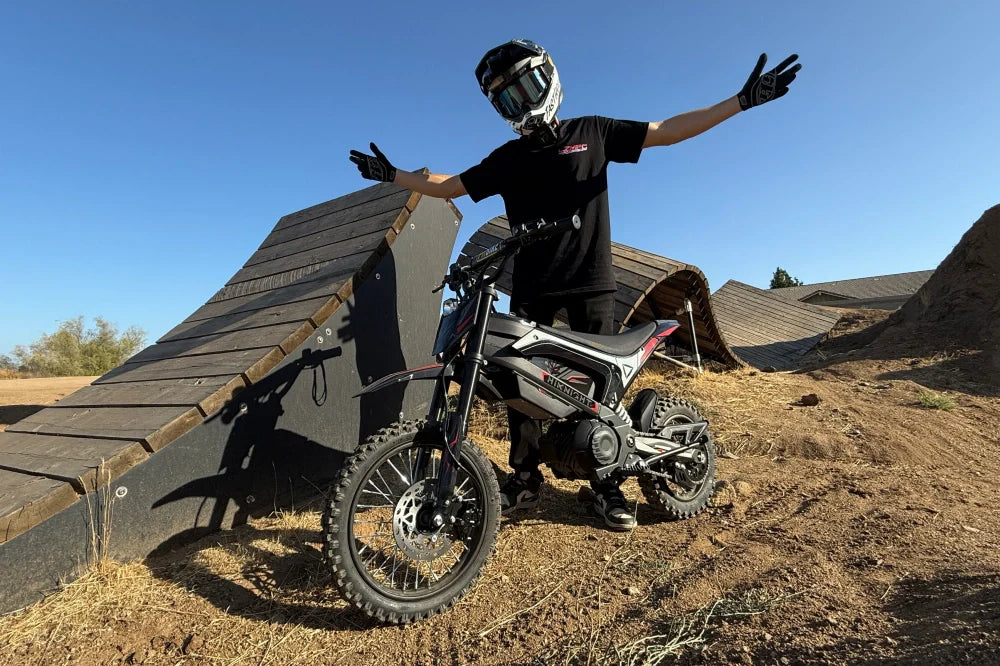
Ideal for off-road riding, electric dirt bikes, and high-speed performance ebikes. Full-face helmets protect the jaw, teeth, and chin—areas commonly injured in high-speed crashes.
Riders using powerful off-road ebikes often prefer full-face designs for maximum protection.
Matching Your Helmet to Your Riding Style
Your helmet should match how—and where—you ride.
Urban & Commuting Riders
If you ride mainly on streets and bike lanes, look for an ebike helmet with good ventilation, integrated lights, and moderate coverage.
Off-Road & Trail Riders
Trail riding introduces uneven terrain, loose surfaces, and unpredictable falls. Helmets with visors and extended coverage are a smart choice.
High-Power & Performance Ebikes
High-output ebikes generate motorcycle-like speeds and torque. Helmets used for these bikes should meet higher safety standards and offer full-face protection.
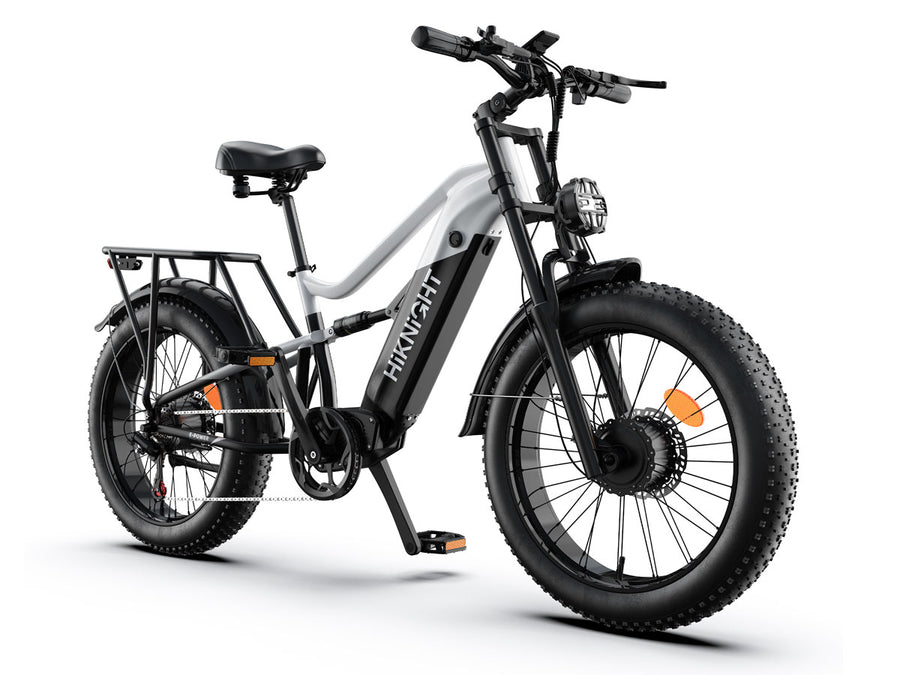
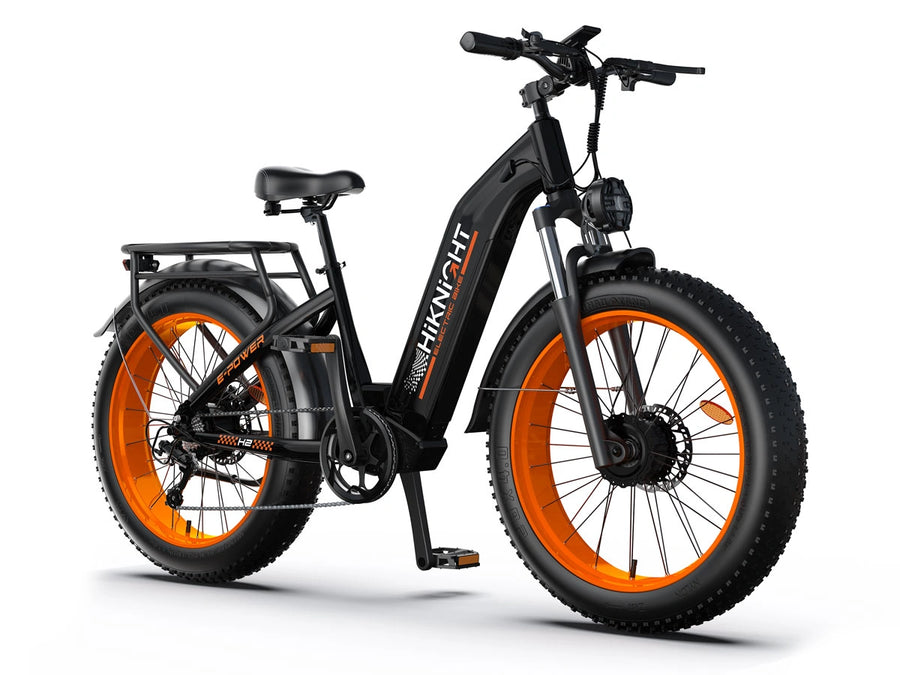
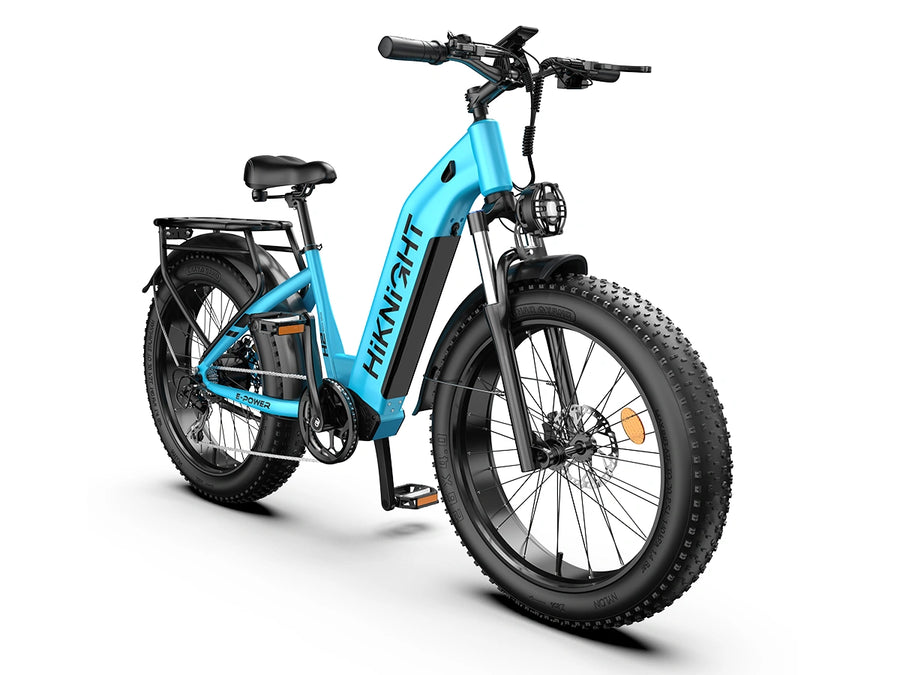
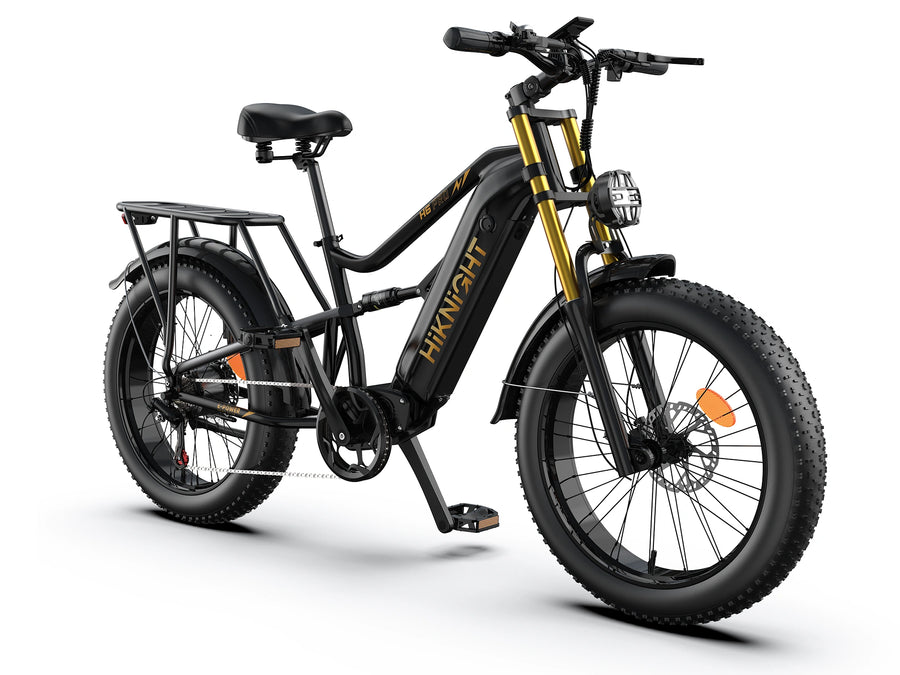
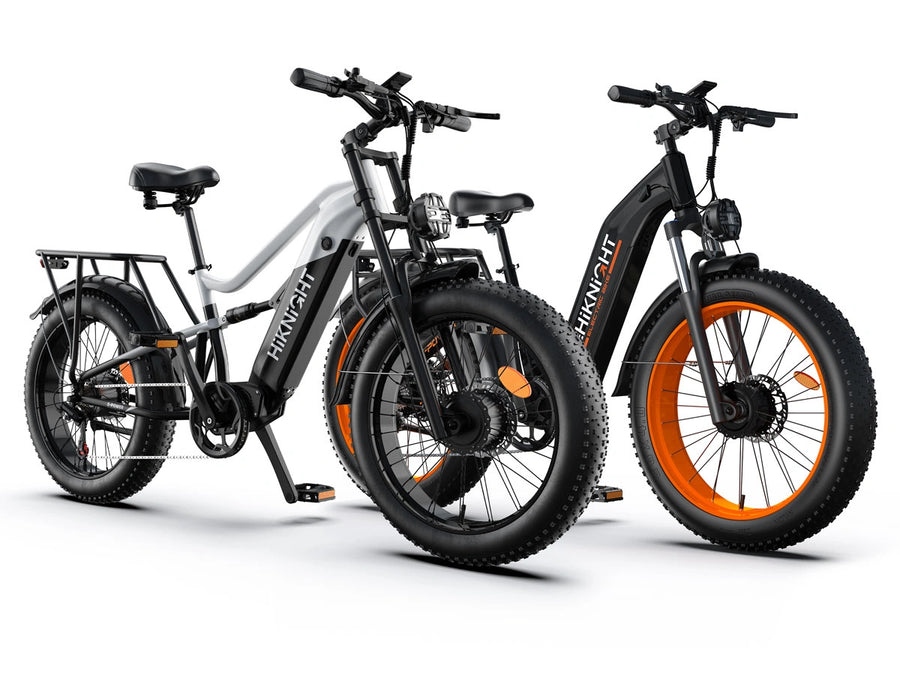
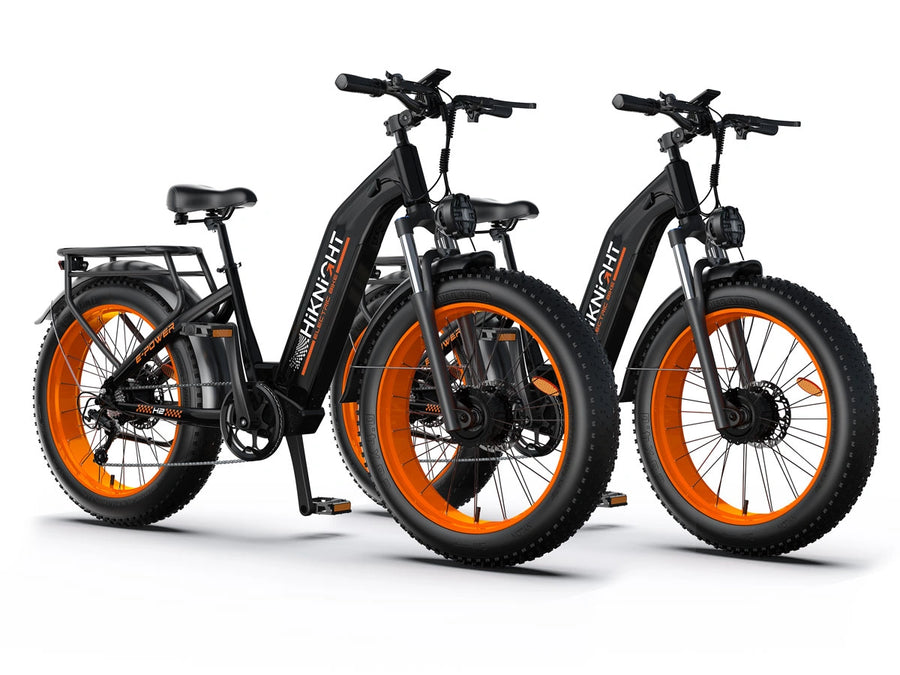
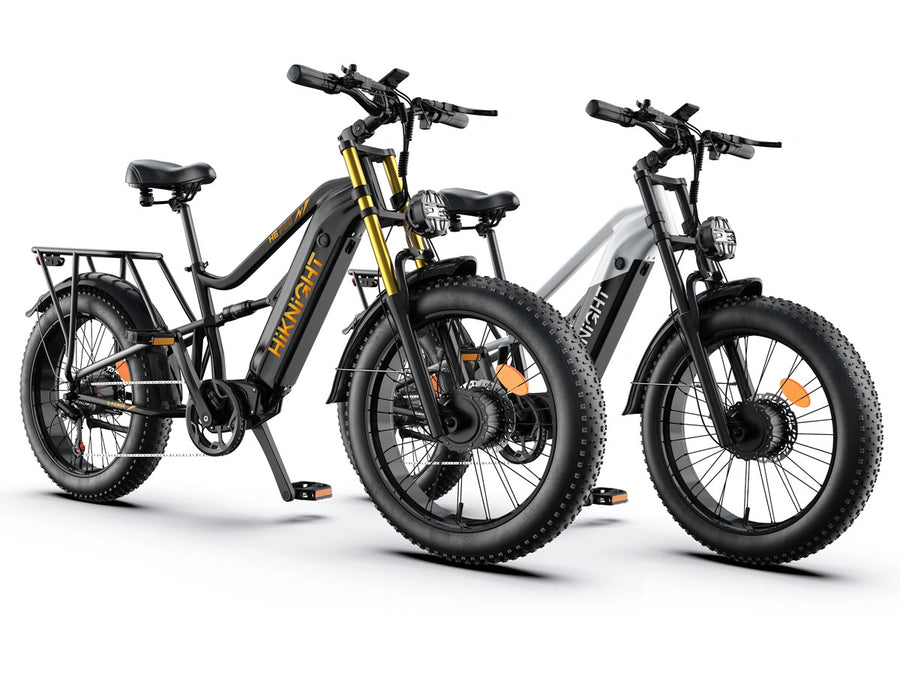
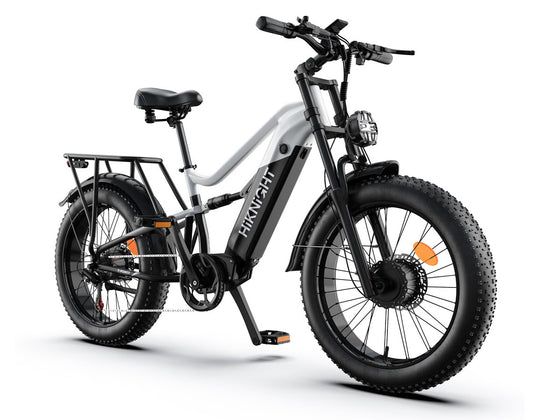
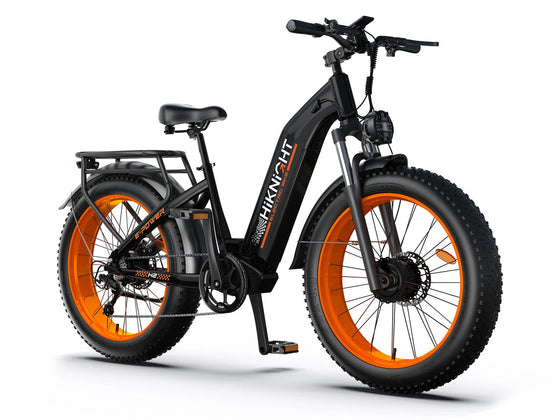
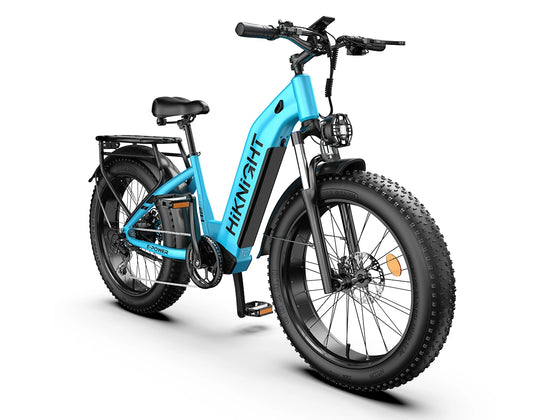
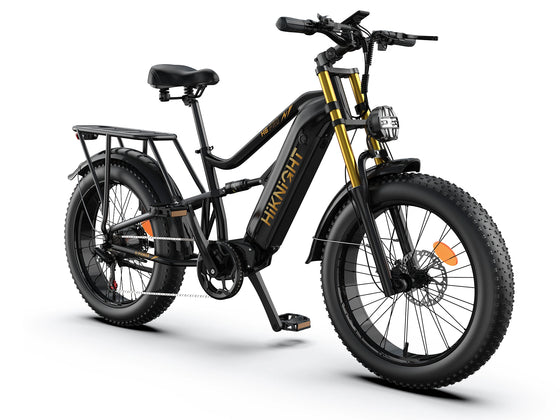
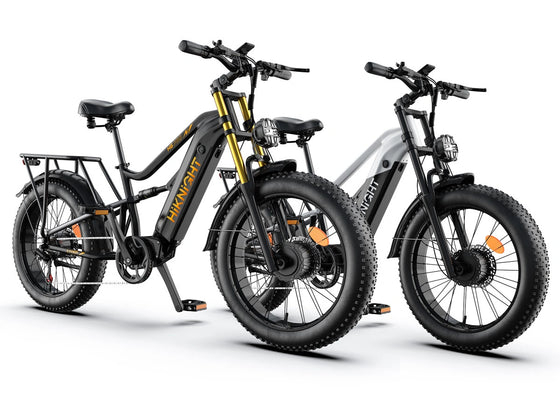
Riders using high-performance models like the HiKNiGHT H2 Pro or the aggressive off-road H6 Pro often choose helmets closer to downhill or light-moto designs.
Comfort, Fit, and Ventilation Still Matter
Even the safest helmet won’t help if it doesn’t fit properly.
Key fit considerations include:
- Snug fit without pressure points
- No movement when shaking your head
- Secure chin strap with room to breathe
Ventilation is also critical, especially for longer rides or warm climates. Look for well-placed vents that don’t compromise structural integrity.
Visibility and Smart Helmet Features
Modern ebike helmets often include features designed for real-world riding:
- Integrated rear lights
- Reflective materials
- Camera or action cam mounts
- Bluetooth communication (in advanced models)
Visibility becomes especially important when riding fast ebikes in mixed traffic conditions.
Do You Need a Motorcycle Helmet for an Ebike?
In most cases, no—but sometimes yes.
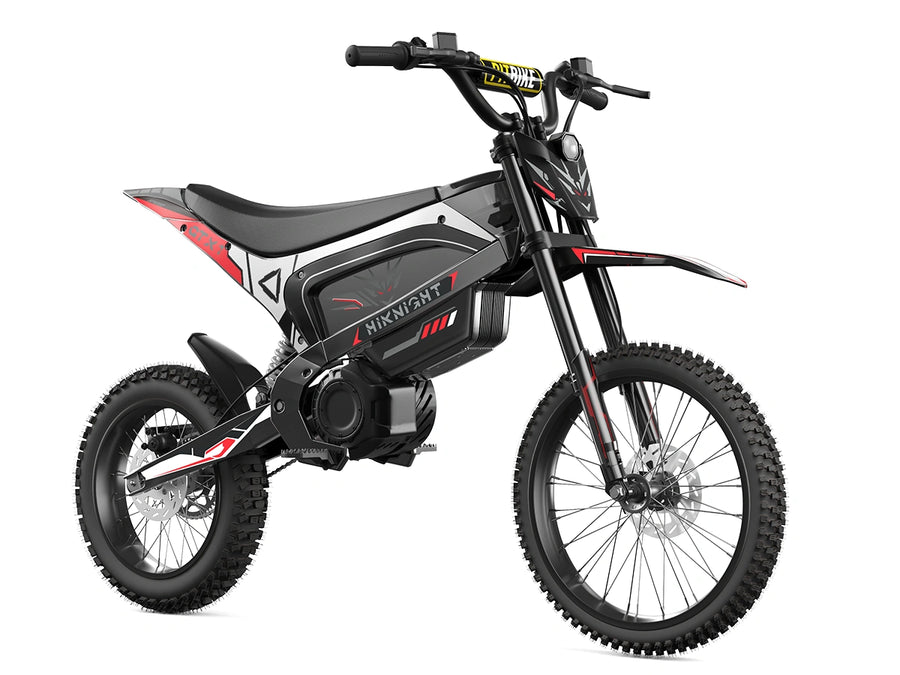
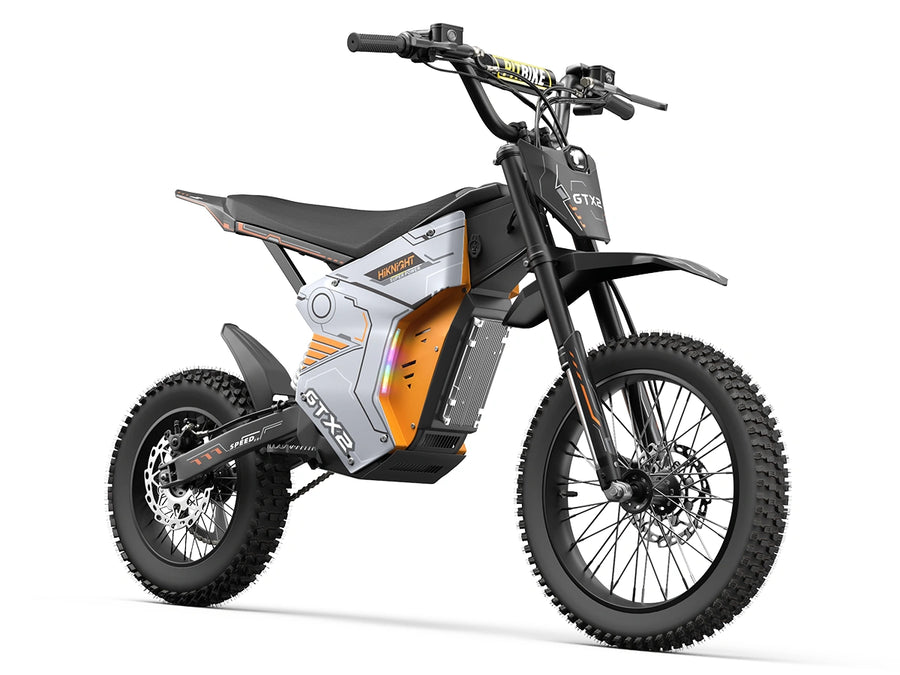
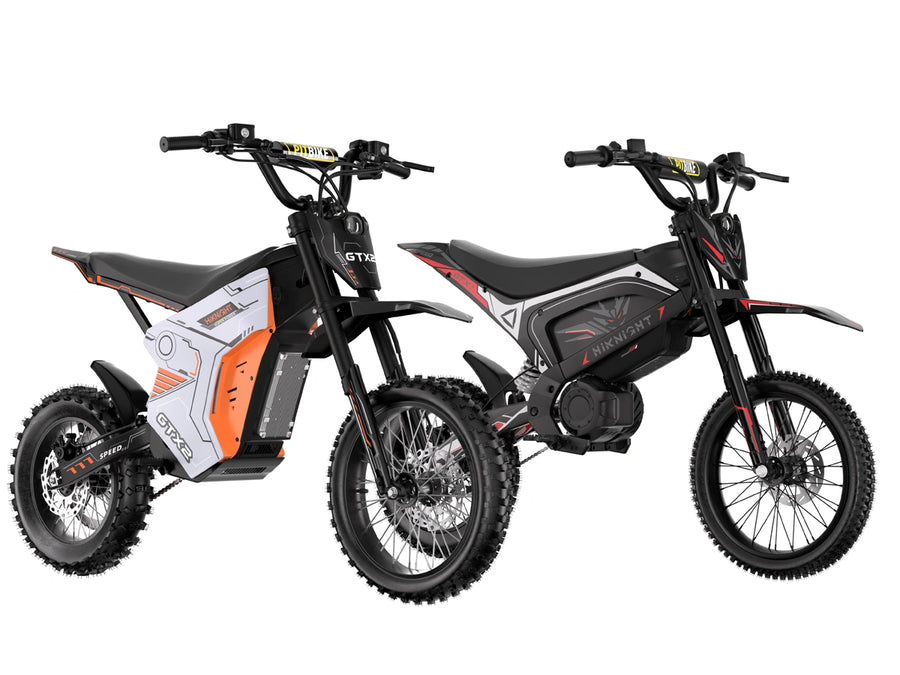
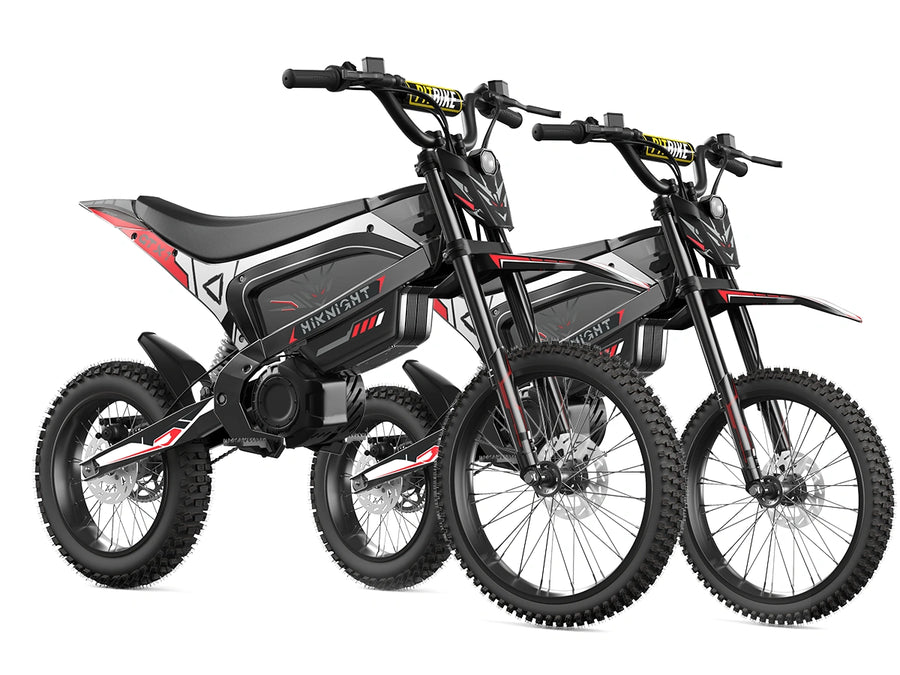
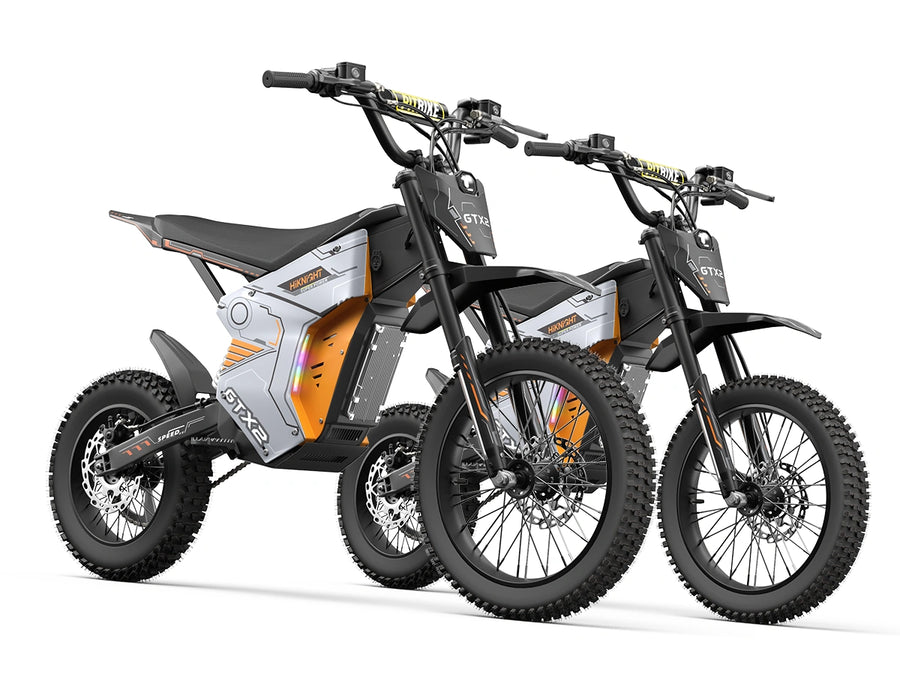
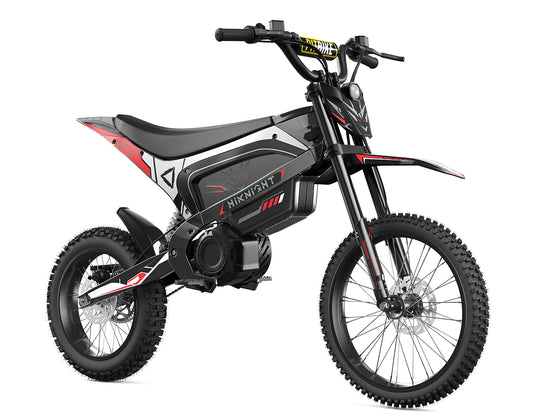
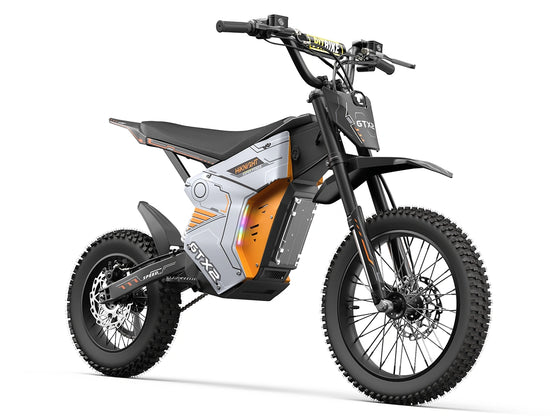
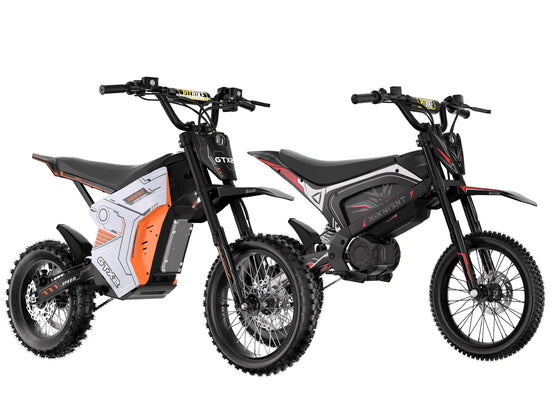
If your ebike operates closer to a dirt bike than a bicycle, such as an electric dirt bike like the HiKNiGHT GTX1, a lightweight motorcycle or downhill-rated helmet can be a practical option.
The goal is proportional protection: match your helmet to the speed, terrain, and risk level of your ride.
Helmet Laws: What Riders Should Know
Helmet laws vary widely by region. Some areas require helmets for all ebike riders, while others only mandate them for higher-speed classes.
Regardless of legal requirements, wearing a properly rated ebike helmet is one of the simplest ways to reduce serious injury risk.
Investing in Safety Is Part of Responsible Riding
High-performance ebikes offer incredible freedom, speed, and versatility. Brands like HiKNiGHT design powerful machines for riders who demand more—but with that performance comes responsibility.
A quality ebike helmet completes the riding system. It protects your most important asset and allows you to ride with confidence.
For riders upgrading their gear this season, HiKNiGHT is currently offering a winter promotion with discounts of up to 70% on select models—making it a great time to invest in both performance and safety ❄️.
Ride smart. Ride protected. And always choose a helmet that matches the reality of how you ride.
Share:
Bike Brakes Explained: What Really Matters for High-Performance Electric Bikes
Ebike Classes Explained: How to Choose the Right Electric Bike Class for Your Riding Style